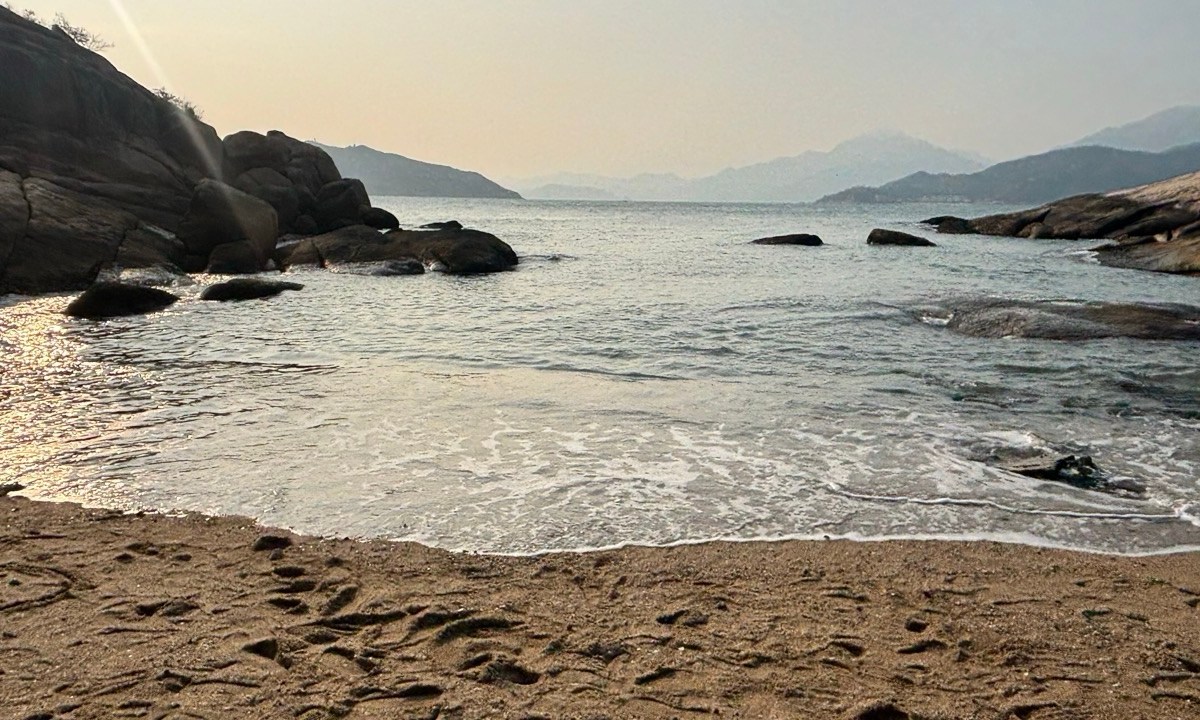
People think of Hong Kong as just a busy, crowded city but it’s so much more. There are 263 islands that make up Hong Kong and enough easy day trips to keep yourself busy for weeks. I picked one of them for a day trip, Cheung Chau, otherwise known as Pirate Island, in an attempt to avoid even some of the New Year crowds.
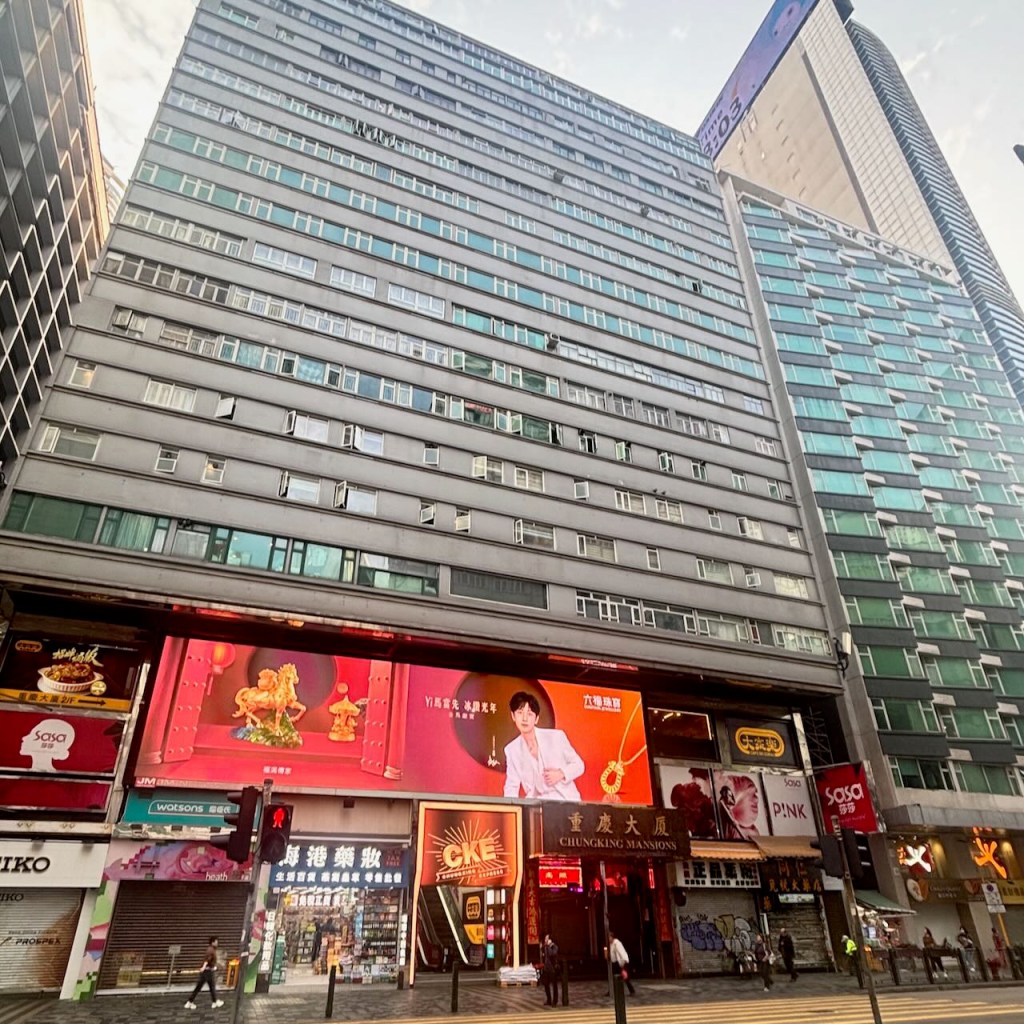
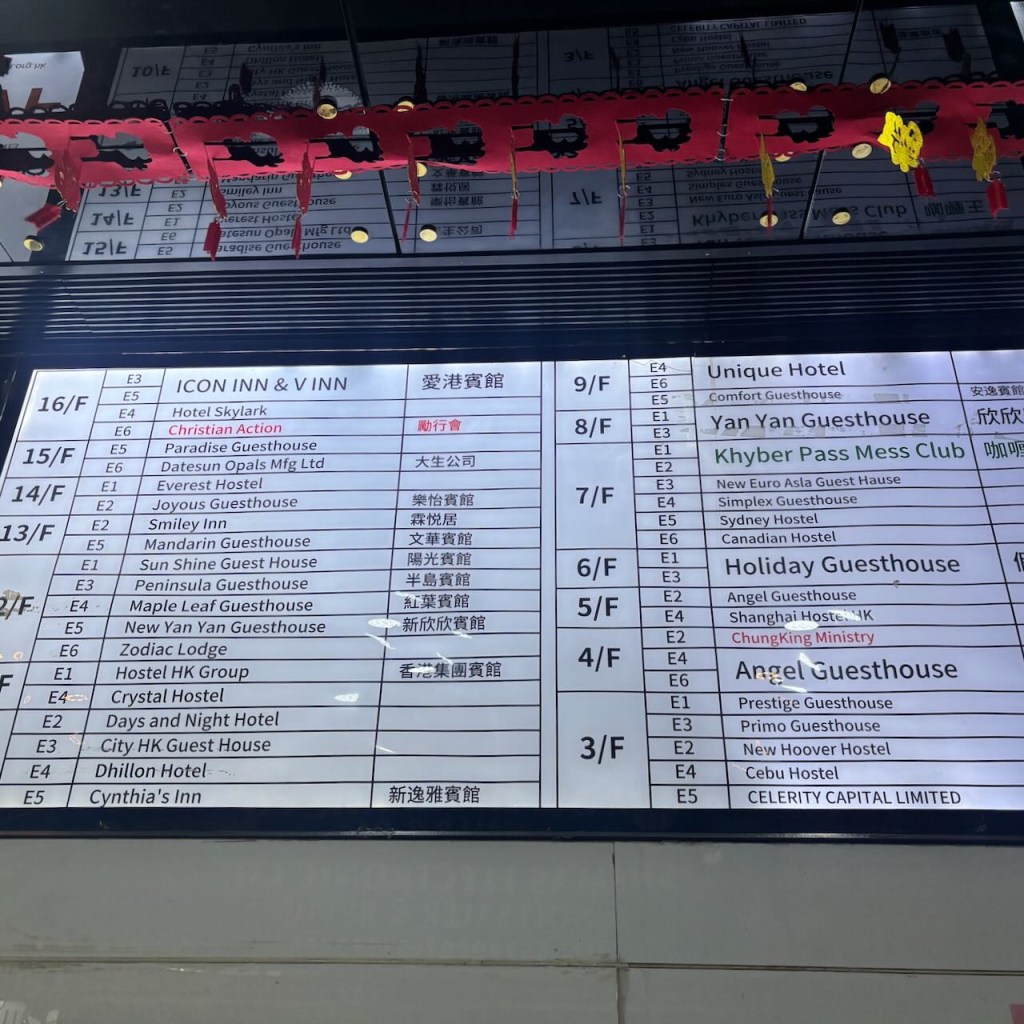
First I had to move from my nice hostel The Mahjong to what was the worst accommodation of my entire trip. There were only a few options available at short notice under £100 a night in a central area, and the ‘Unique Hostel’ inside the huge Chungking Mansions block was one of them. The Chungking Mansions was even featured in my DK Hong Kong guide book, so how bad could it be? As it turns out, very bad. You go in through the main entrance into a sort of little India. There are over 100 budget ‘guesthouses’ in this 17 storey building – no exaggeration. The building is split into five blocks, A-E, each having its own elevator. The first challenge is to find your block, through an impossible maze of stalls selling electronics and Indian food and men asking ‘what are you looking for?’.
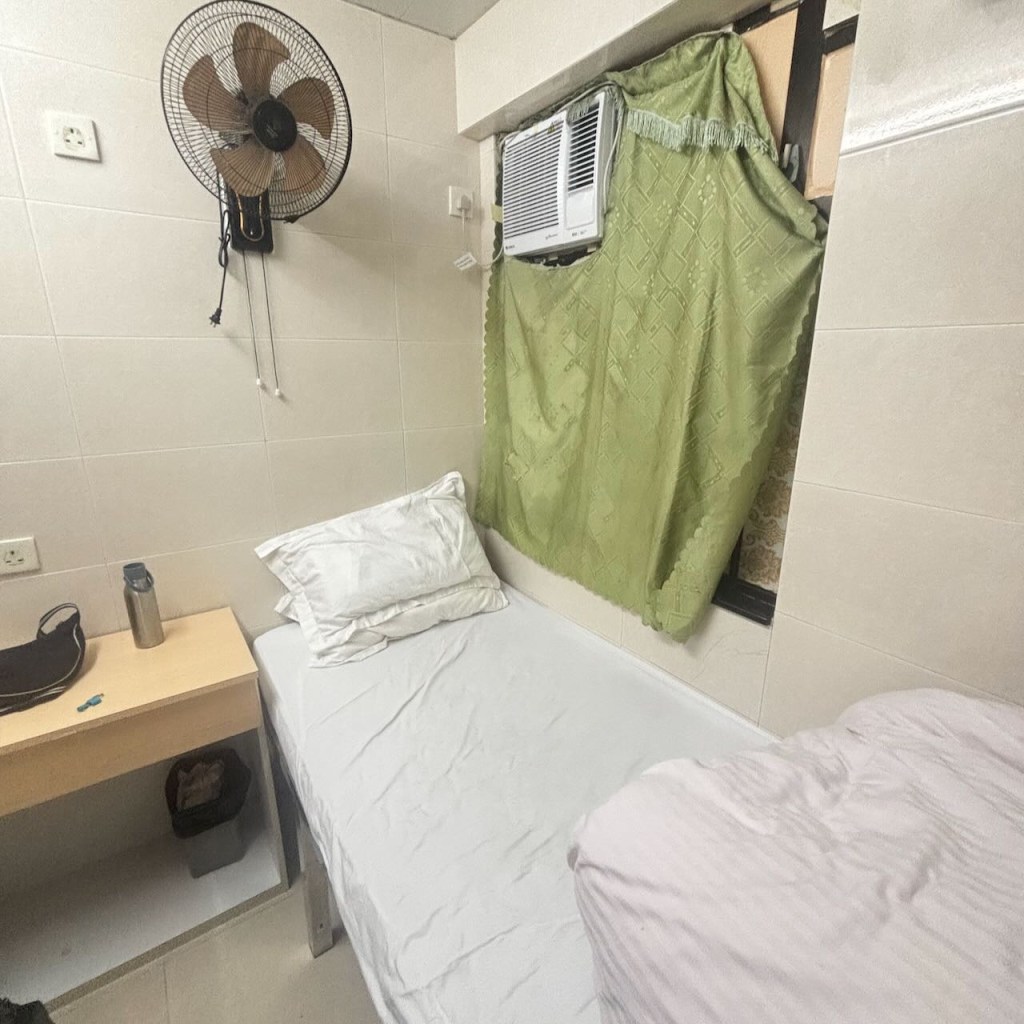
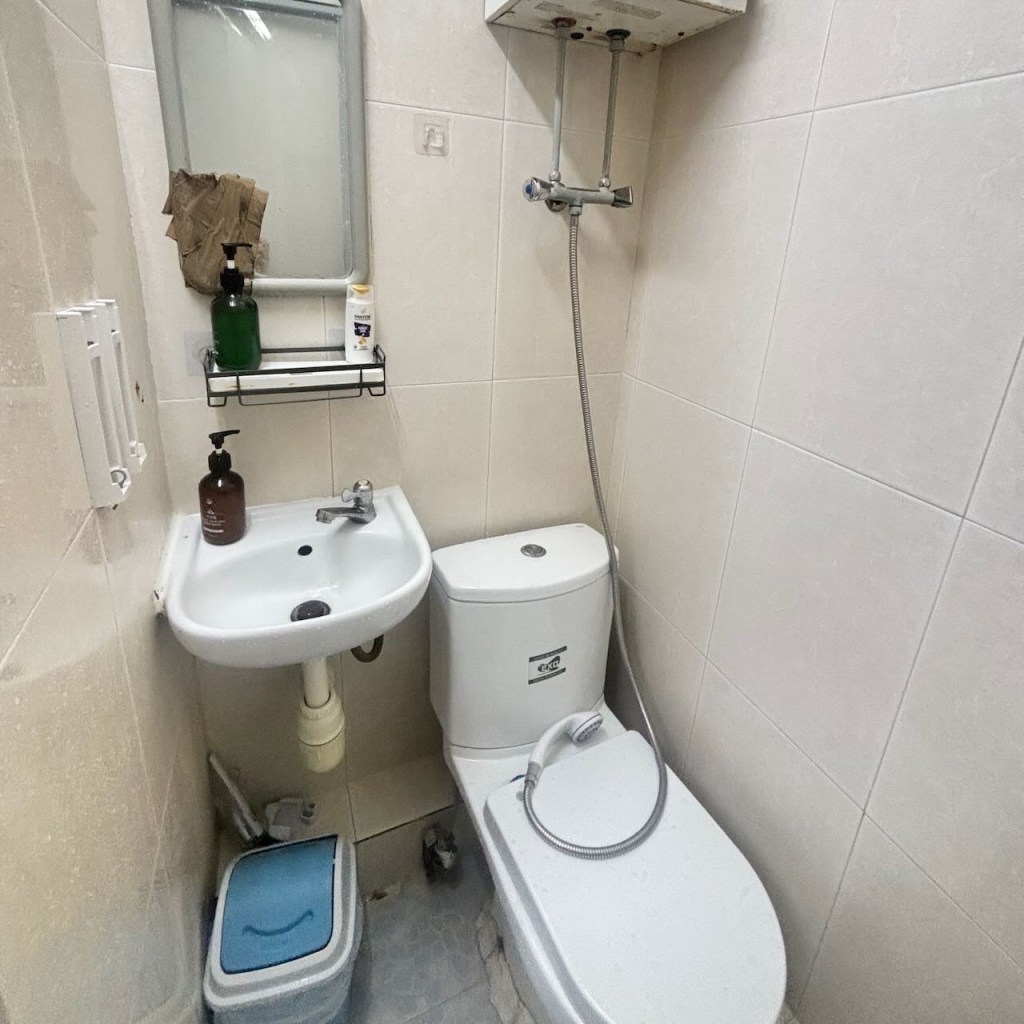
When I eventually found my elevator, grateful the queue was only two people deep rather than the twenty people waiting for some of the other lifts, I was shown to my tiny box that I paid about £50 a night for. Just because space is limited in Hong Kong doesn’t mean they have to let it go completely. Yes the shower might need to be over the toilet but the amount of money they must be making, surely they could replace the broken, taped up mirror and the ripped, taped up curtain to cover window which was facing who knows where. It was actually pretty disgusting – I couldn’t turn on the air-con because of the bad smell it produced. They at least provided a towel that they changed daily, albeit a threadbare one.
Every evening on my way back, I got lost inside trying to find Block E and the right elevator and every night numerous men asked me “what you looking for?” which just made it even more annoying when all you are looking for is the way into your hotel. Once I came out the wrong entrance and got stuck in the back of a food market with a dead rat. The only good thing was the great location and making friends with the Filipino housekeepers. They kept the room spotless and we had some great chats – they recommended I visit their home town of Iloilo in the Philippines.
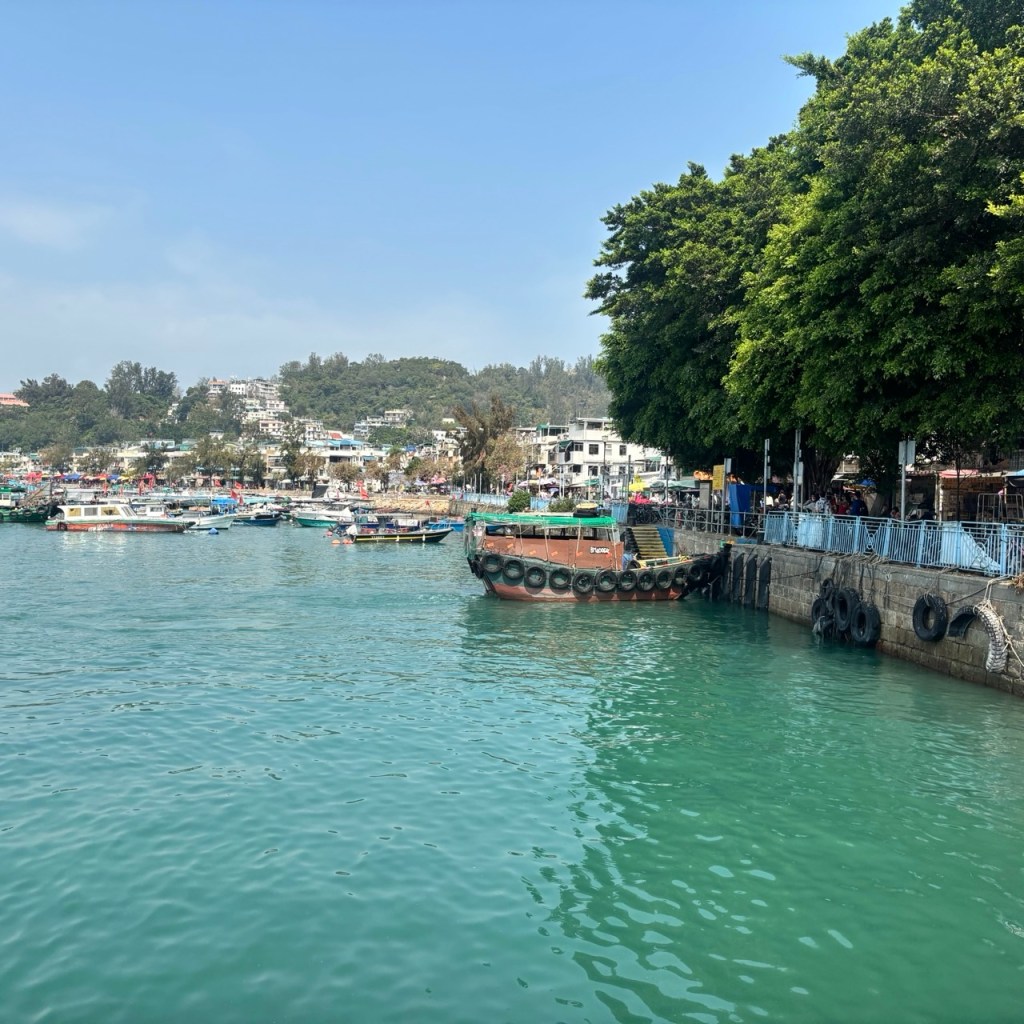
To get to Cheung Chao it’s easy 30 mins on a ferry from Hong Kong Island. The city had warmed up by now and the sun was shining. The ferry arrives at Cheung Chau harbour, a bustling area full of food vendors and lots and lots of bicycles. There are still plenty of fishing boats operating from the harbour. It was a refreshing break from the hustle of central Hong Kong.
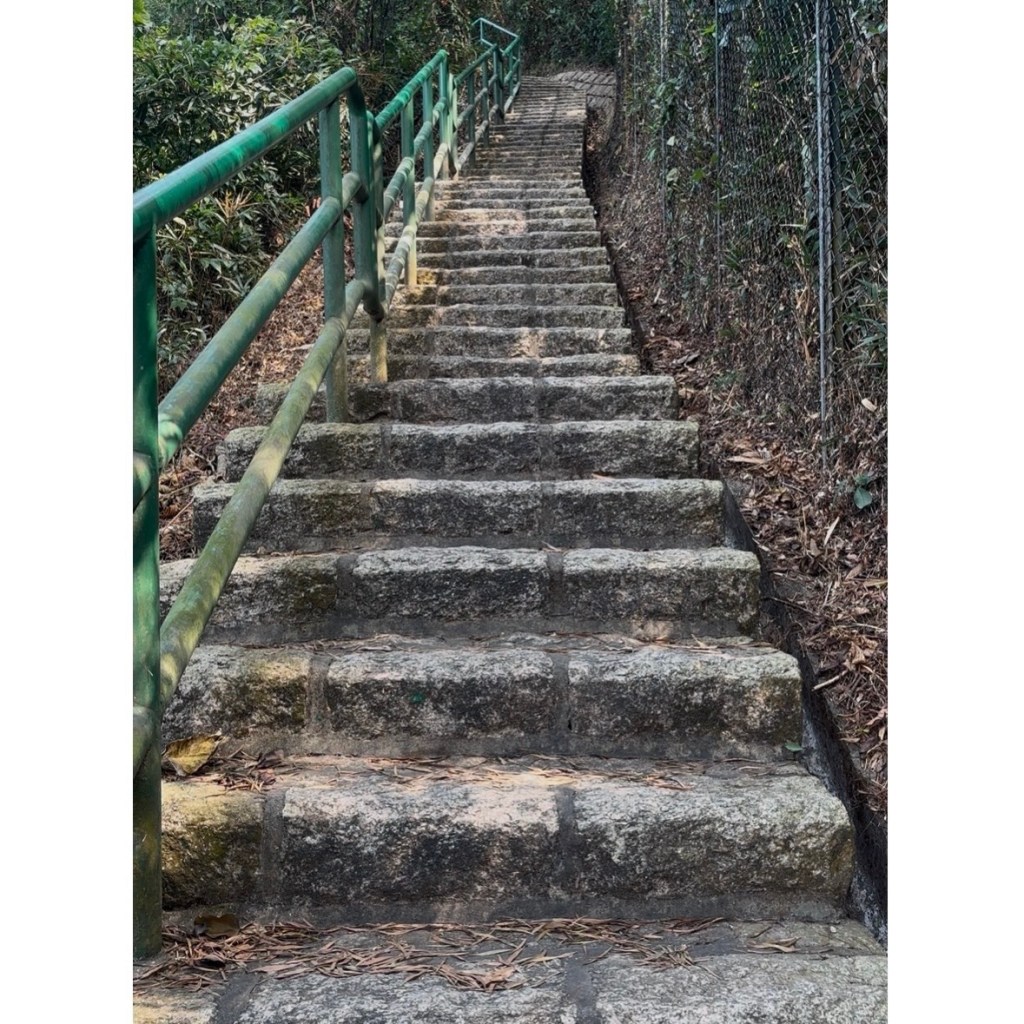
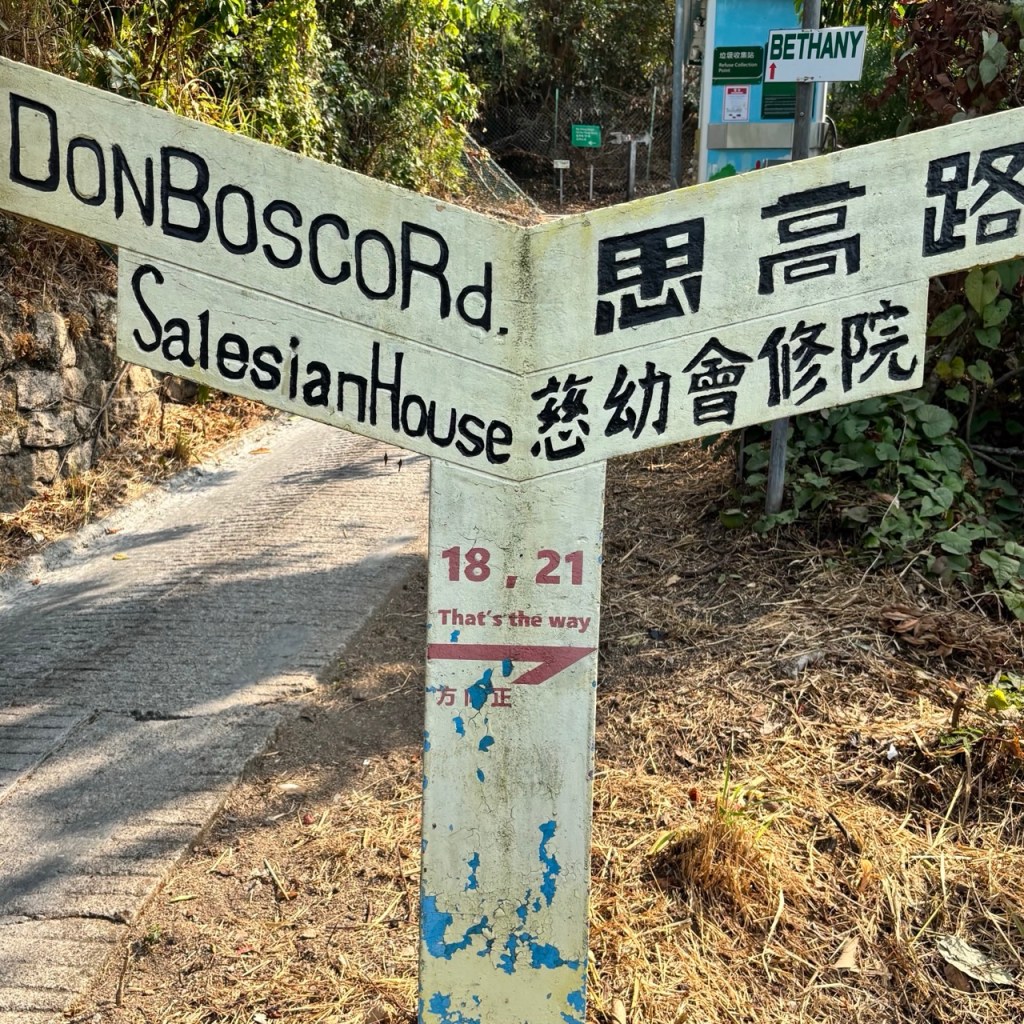
There are well maintained, signposted hiking trails all over the island so you can quite literally cover it all. Cheung Chao has its own ‘The Peak’, accessible by following the Don Bosco road up the hill, past beautiful colonial houses, sea views and a peaceful cemetery where many of the headstones feature a large photograph of the deceased.
Just across the narrow island from the harbour is the Tung Wan Beach, about a 10 minute walk from west to east. This is considered the ‘best’ beach, although no swimming in off peak season as signs indicated both the lifeguards and the shark nets were not maintained.
Cheung Chao also boasts some ancient rock carvings – apparently nobody knows who carved the markings over 3,000 years ago. I didn’t manage to see them unfortunately as the one area I did find was cordoned off.
There is something really exciting about an island being small enough that in a few hours you can walk around it and imagine the pirates who used to frequent the bays.
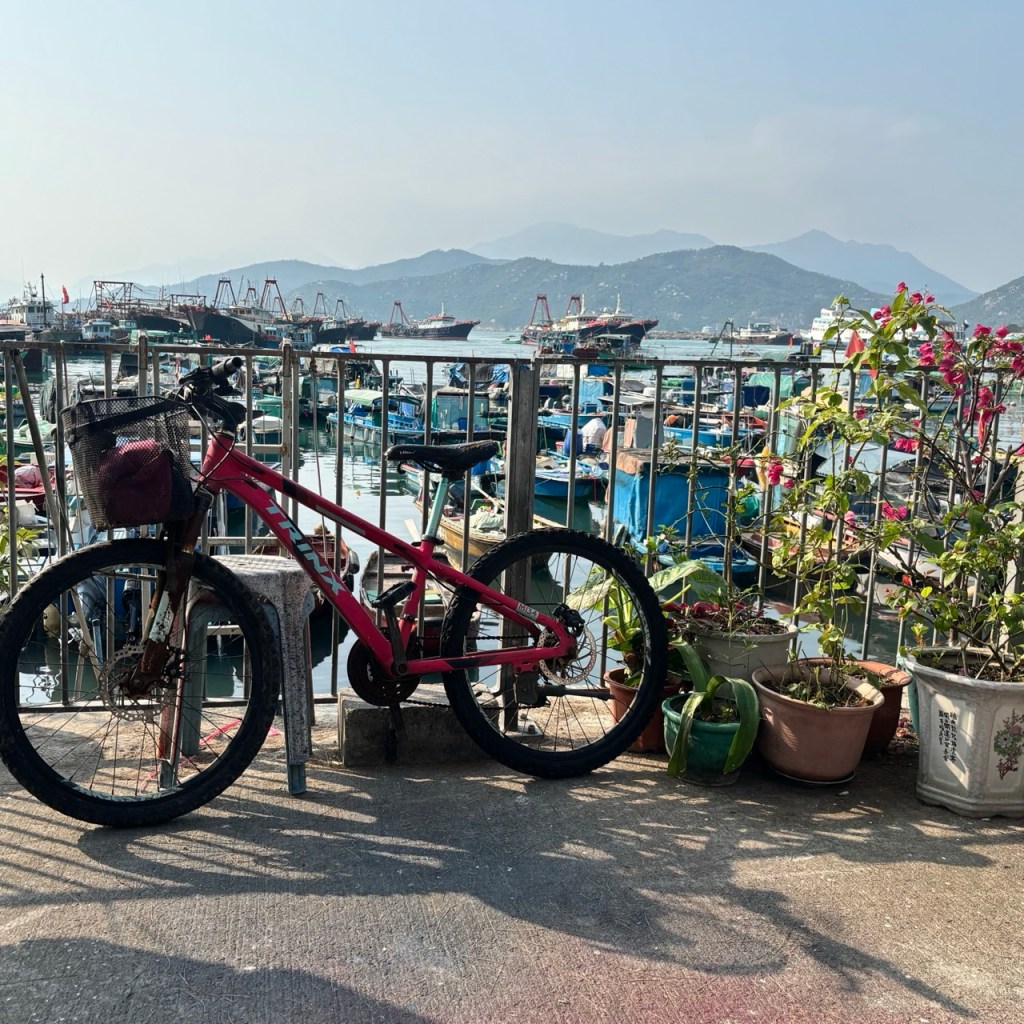
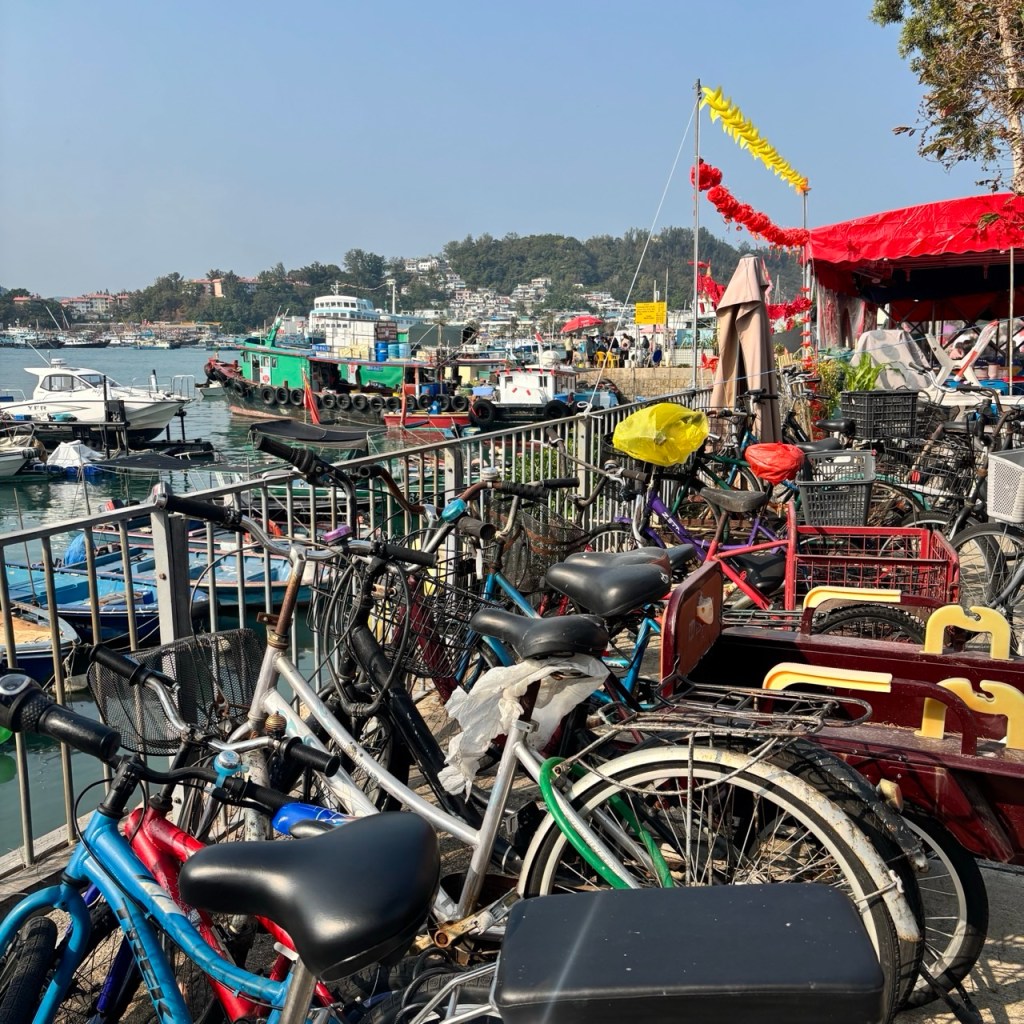
Cheung Chau Island is only 2km long and car free. The name translates to Long Island and it is essentially two big hills connected in the middle. It was unbelievably quiet – I had left all the holiday crowds behind, having most of the hiking paths to myself aside from a few people doing the same route. The beaches are lovely, with little sandy coves covered in rock formations, which does give it the feel of a pirate island.
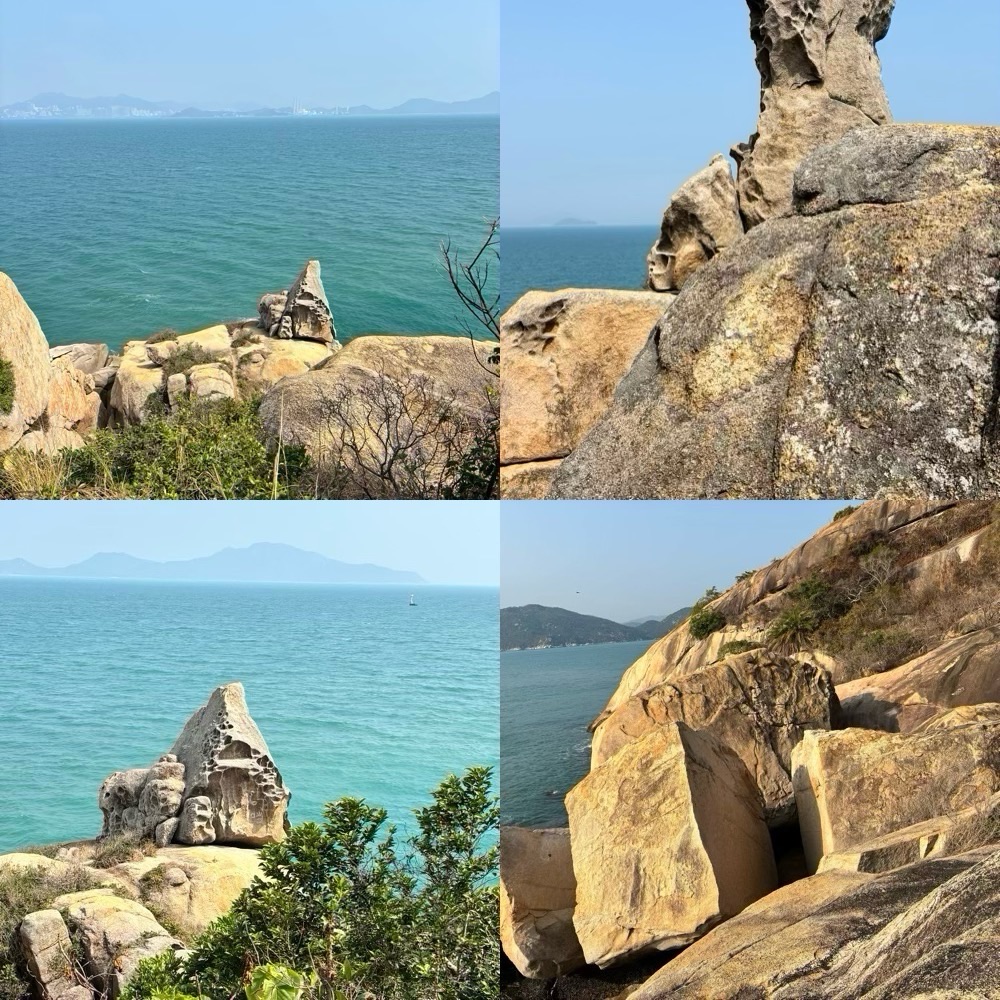
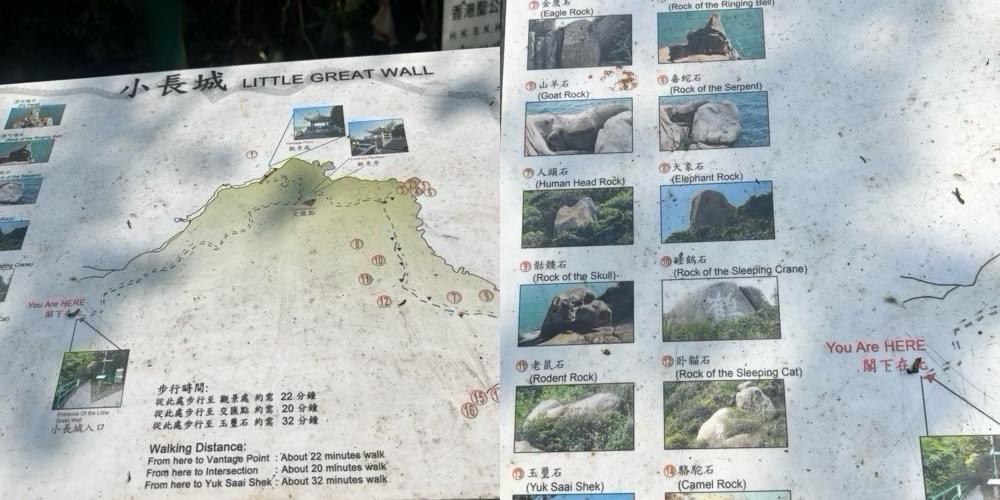
The path includes lots and lots of steps up and down the ‘Little Great Wall’ and numerous interestingly named rock formations at every bay. Rock of the Ringing Bell. Eagle Rock. Rock of the Serpent. Human Head Rock. Goat Rock. I don’t think I managed to recognise any of them but it made for a fun guessing game.
There is a main square with slightly more expensive restaurants, for me this was worth it for the quiet compared to the street market which was getting busy by lunch time. I sat outside and this was the only time in Hong Kong or Taiwan where I was asked for money by a man who approached me, the lone Westerner, at my table. Other people sitting at the tables next to me shook their head to show their disapproval.
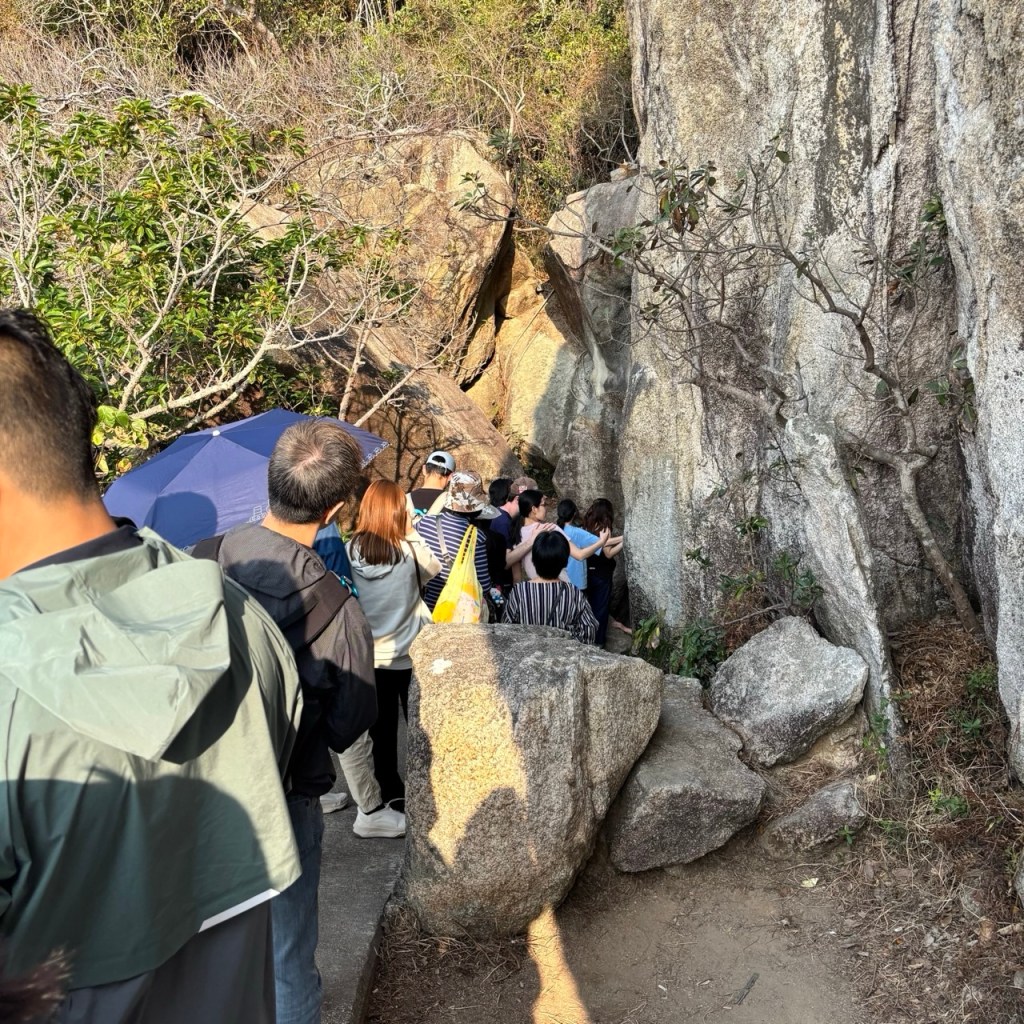
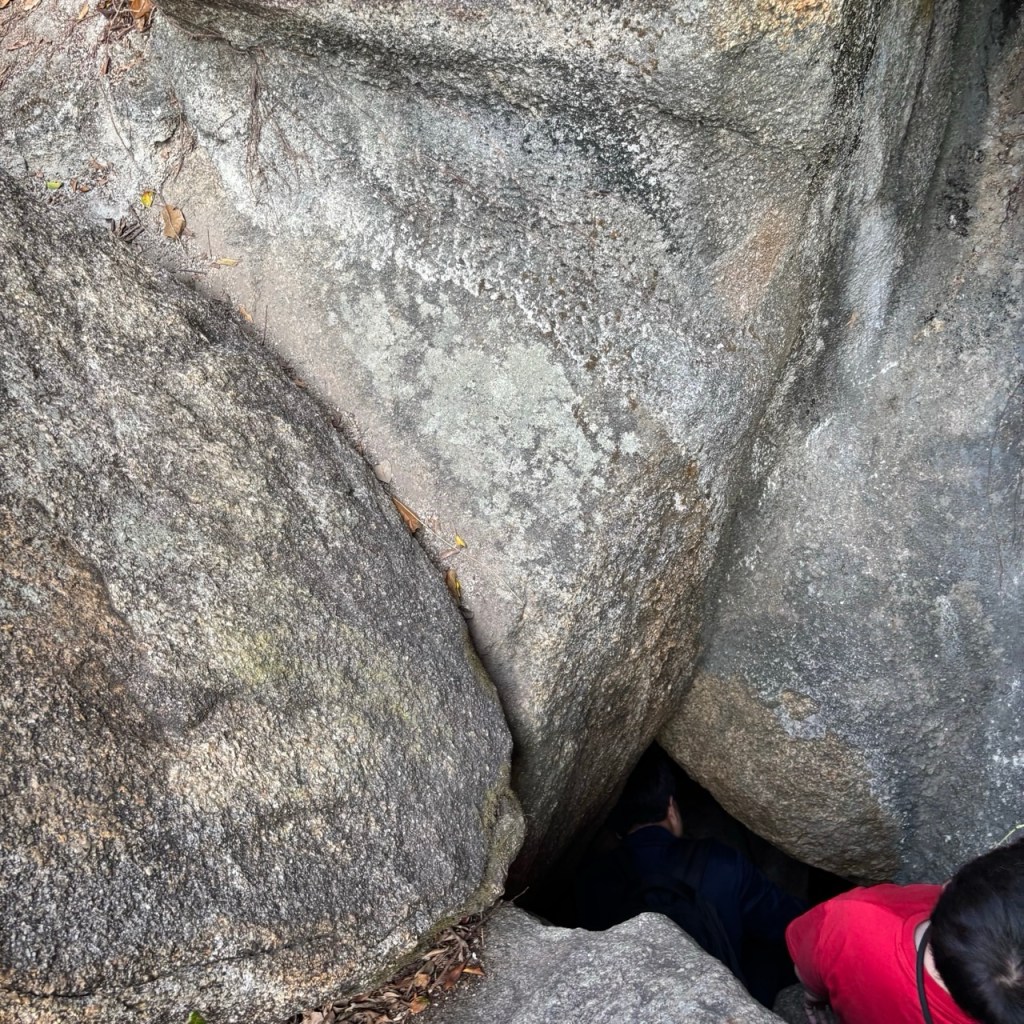
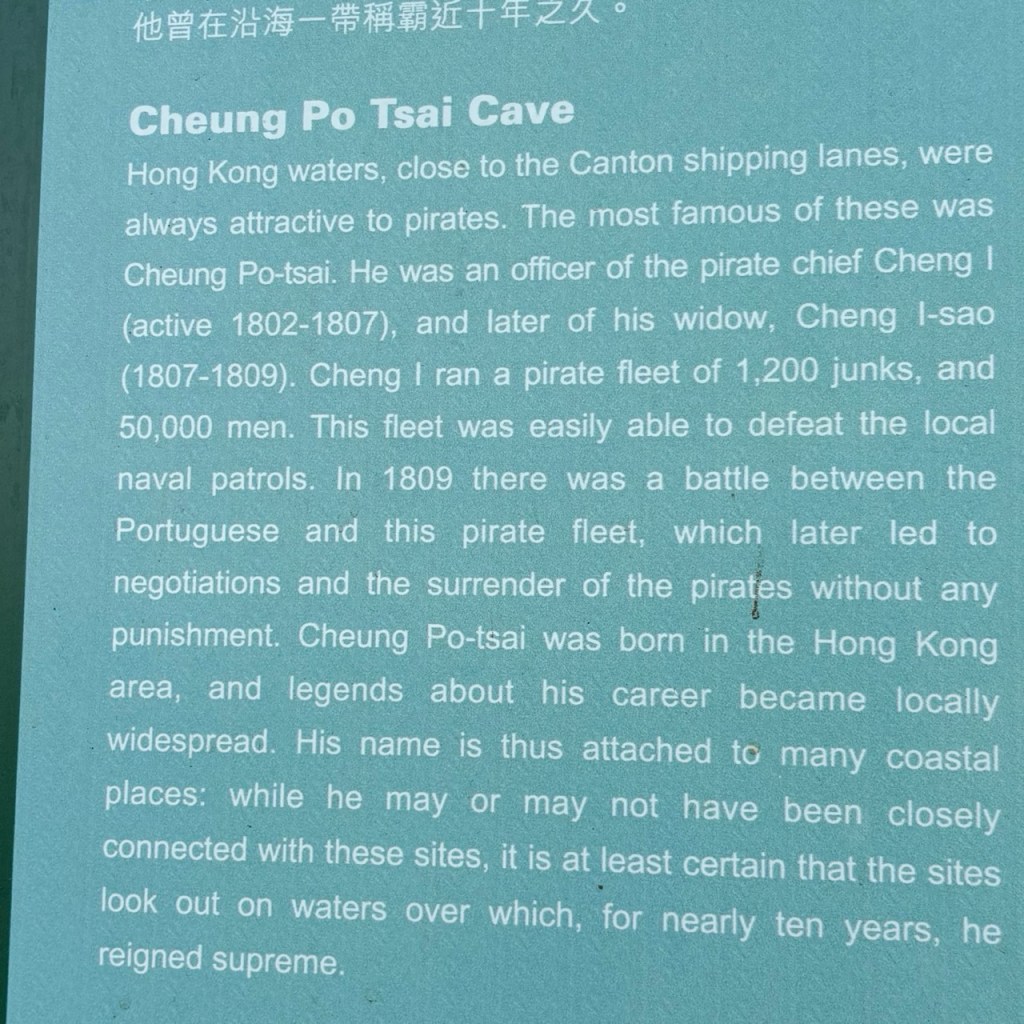
In the afternoon I covered the south of the island. Around the corner of a quiet path, I came across a queue of people close to the Pirate’s Cave where the 19th century pirate Cheung Po Tsai stashed his booty. I joined the queue assuming it was to go inside. After about 20 mins I got to the front only to realise people were quite literally disappearing down a tiny hole in the rocks and not coming back. I asked a family ahead of me and they said it was about ten minutes to come out the other side and pitch black. It’s not what I consider a cave – it’s an extremely narrow crevice between rocks that you need to crawl through using a torch. This sounded too claustrophobic so I left, even though this meant embarrassingly having to squeeze back the same way past the growing queue and explain to curious people why I was going the wrong way.
The road was mostly empty again aside from a few dogs lazing in the sun. Following the inland roads is also a good way to get a glimpse of the old Hong Kong, without the visitors. It took me past some lovely houses and narrow streets, up and down numerous steps, with washing hanging out of the windows and bicycles lining the roads. Best of all, there was nobody else there although approximately 20,000 people live here.
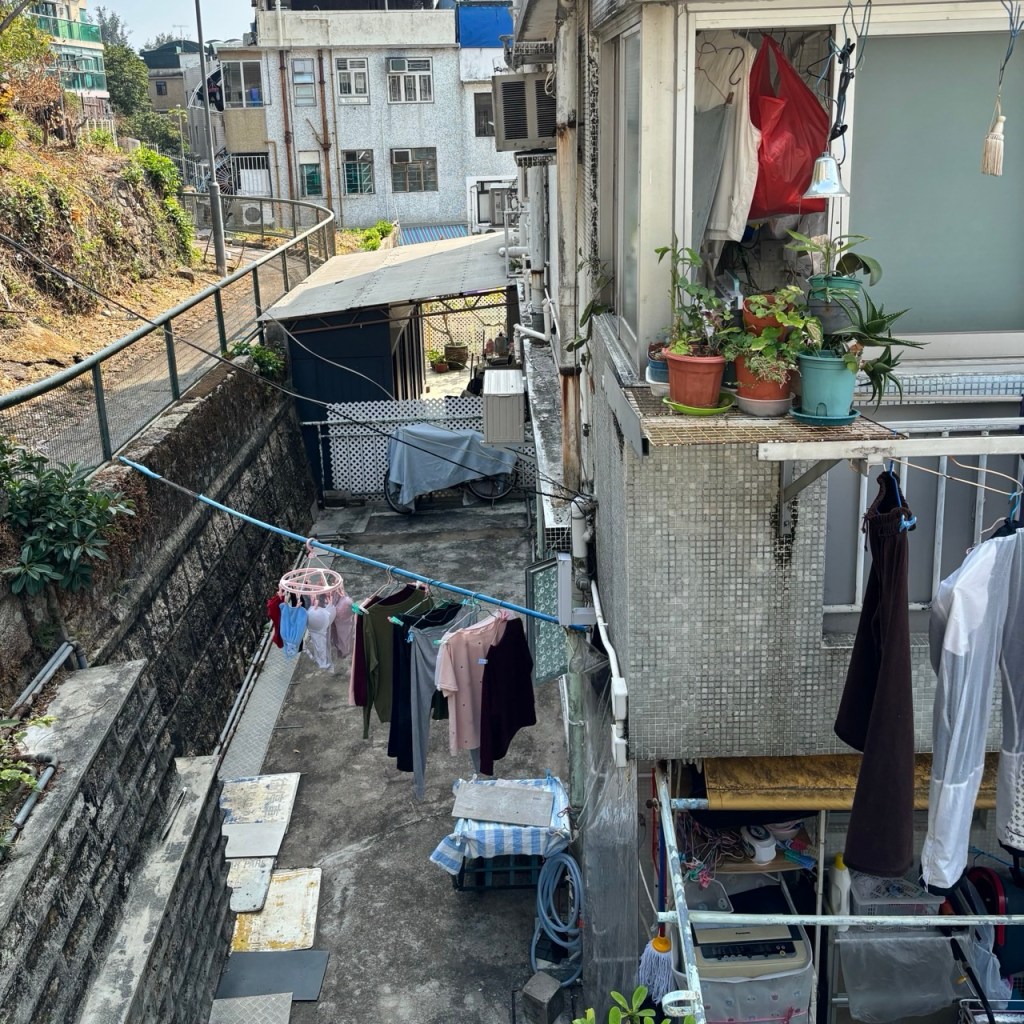
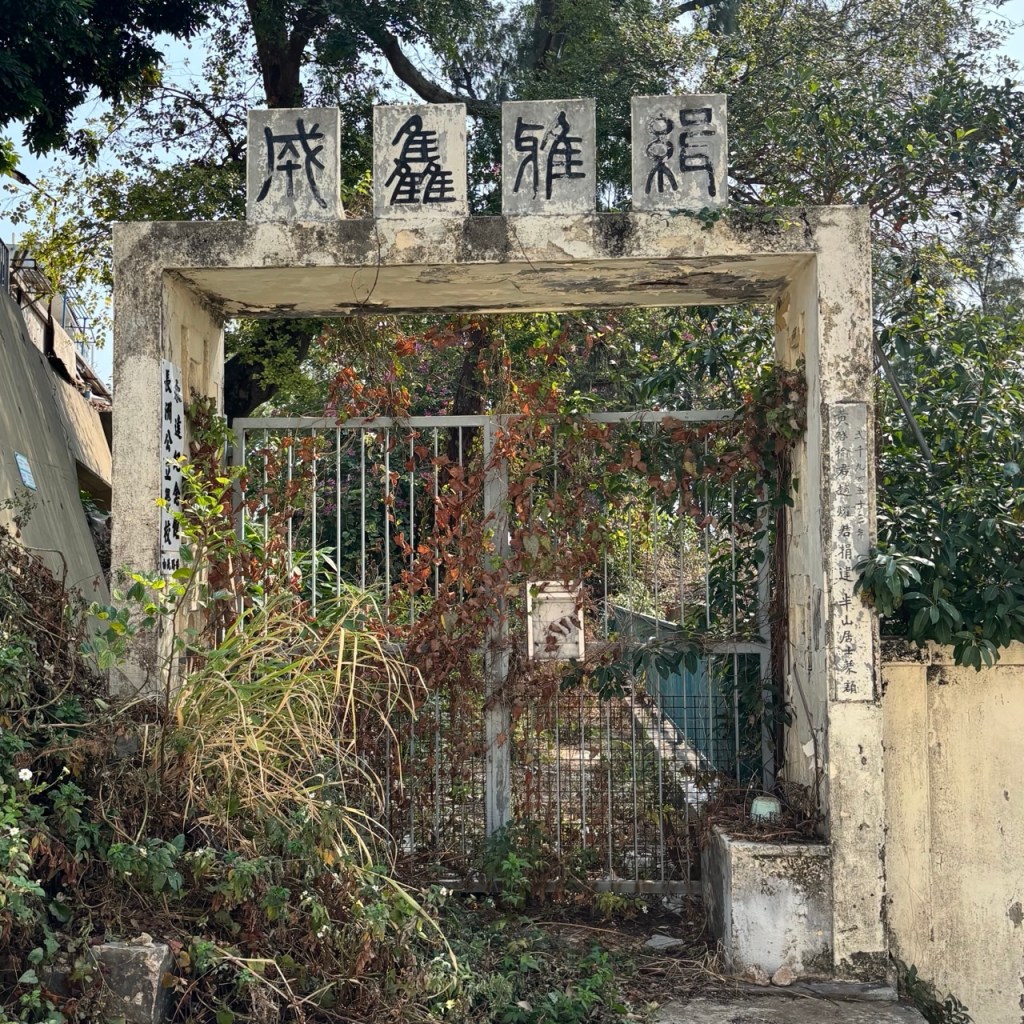
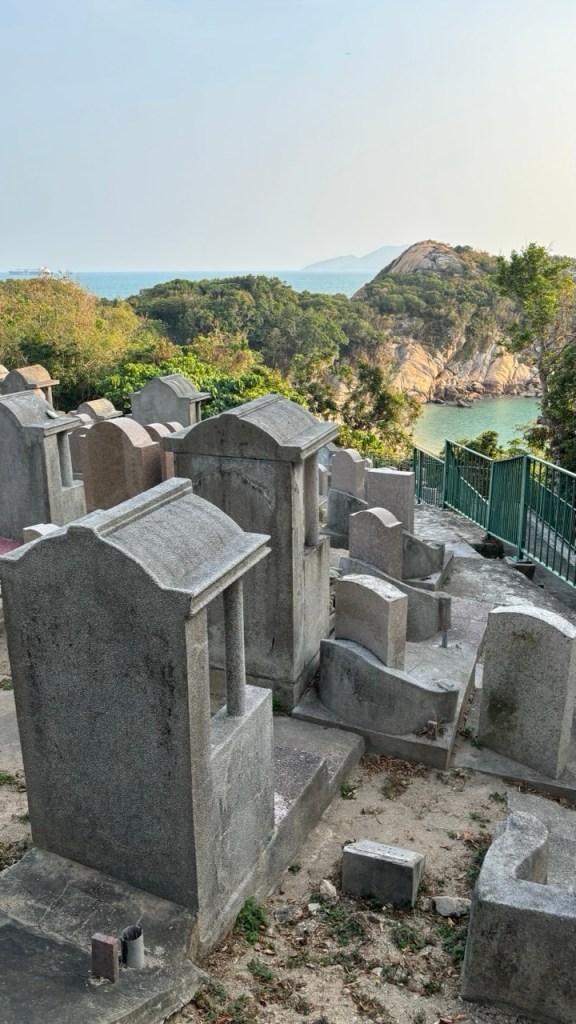
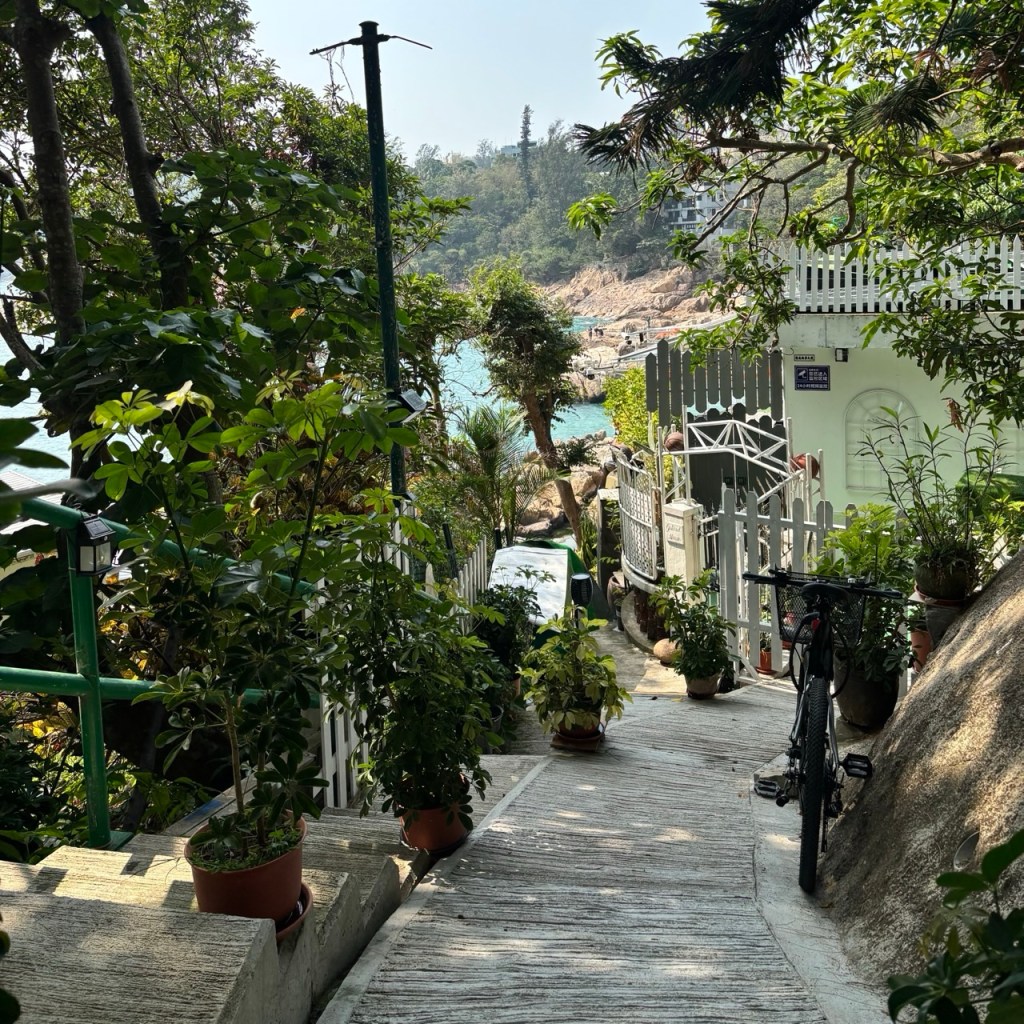
I only passed a few people, including an older couple who asked me for directions to the port. They spoke hardly any English and my Chinese is limited to hello and thank you. I tried to explain that the way I had come was the long way and would take at least an hour but I don’t think they understood – they started following me as I continued in the opposite direction on my route around the island. I have uploaded some videos to my YouTube channel here: https://www.youtube.com/playlist?list=PLtRIEKmjnSNjLh8l2Y–ua4B6gHlKhwHj
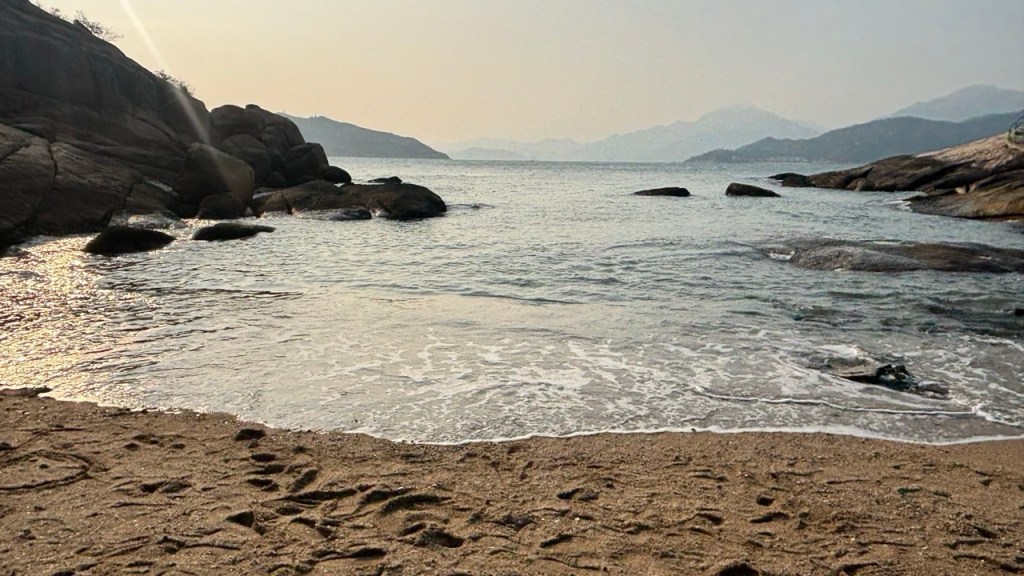
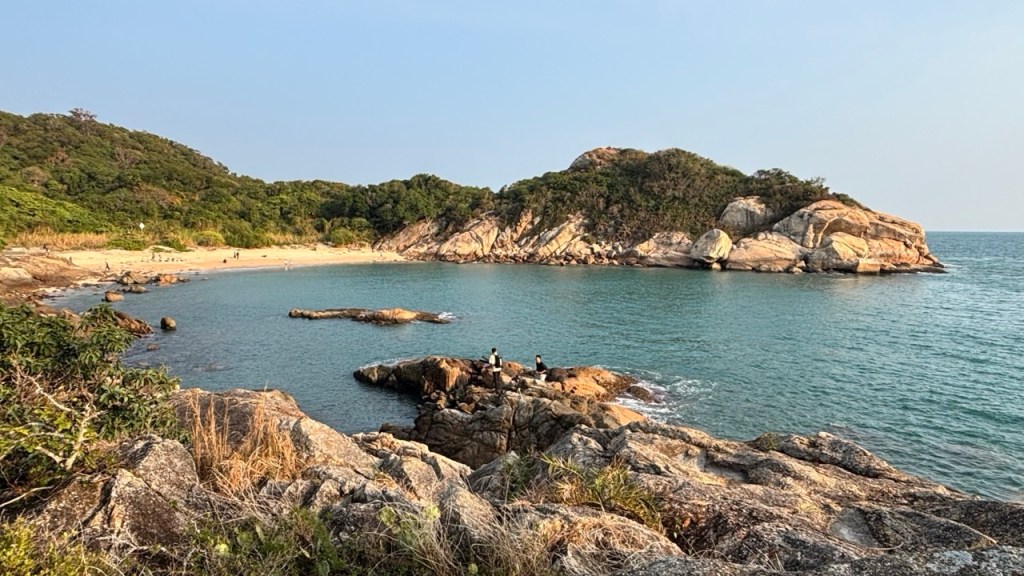
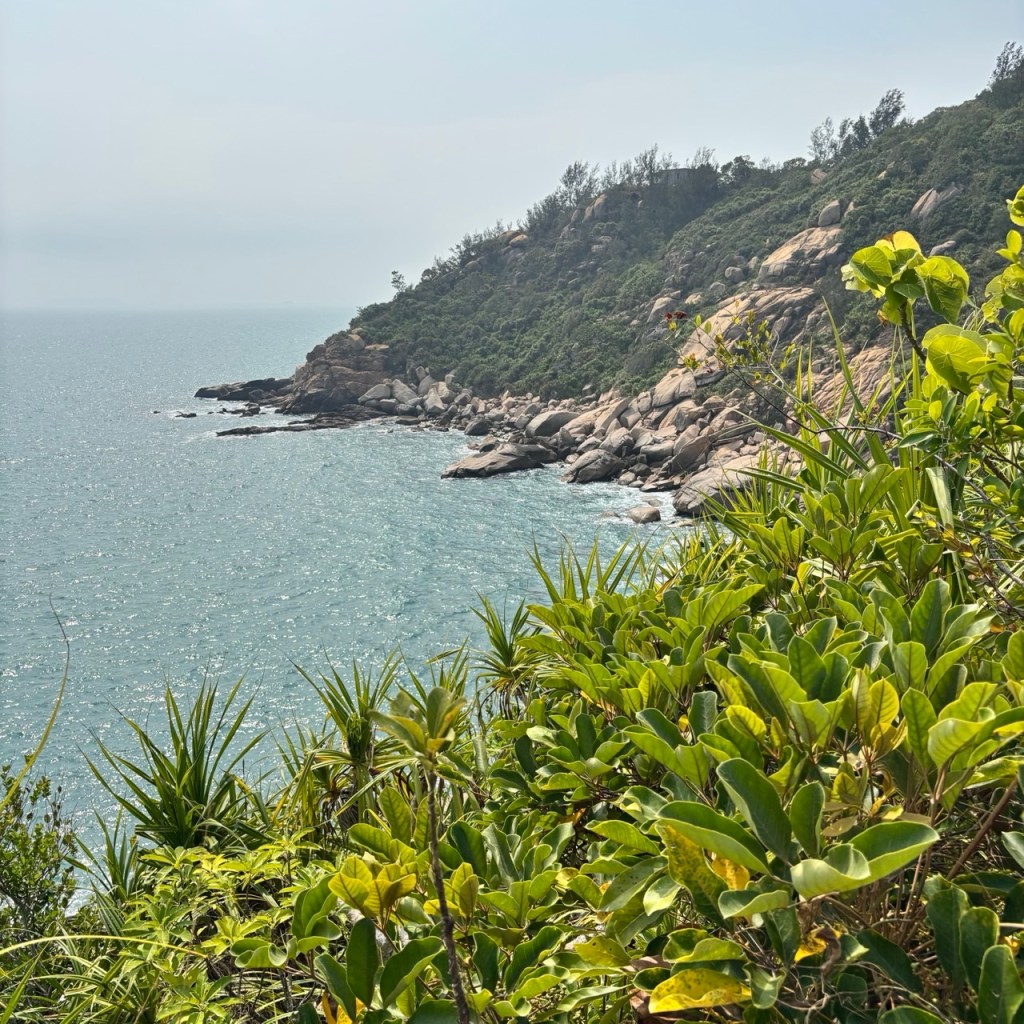
I would highly recommend Cheung Chau for a day trip and to walk as much of it as possible. In the evening back on the mainland I did manage to meet up with some people from the Mahjong Hostel to see the Mong Kok area of Hong Kong, but instead of enjoying some company it just irritated me that they didn’t take into account the fact that restaurants close earlier than in Europe and weren’t interested in venturing to any of the other islands, instead leaving it so late to meet that the night market had long packed up. Sometimes I really do prefer travelling alone.
 Maz On The Road