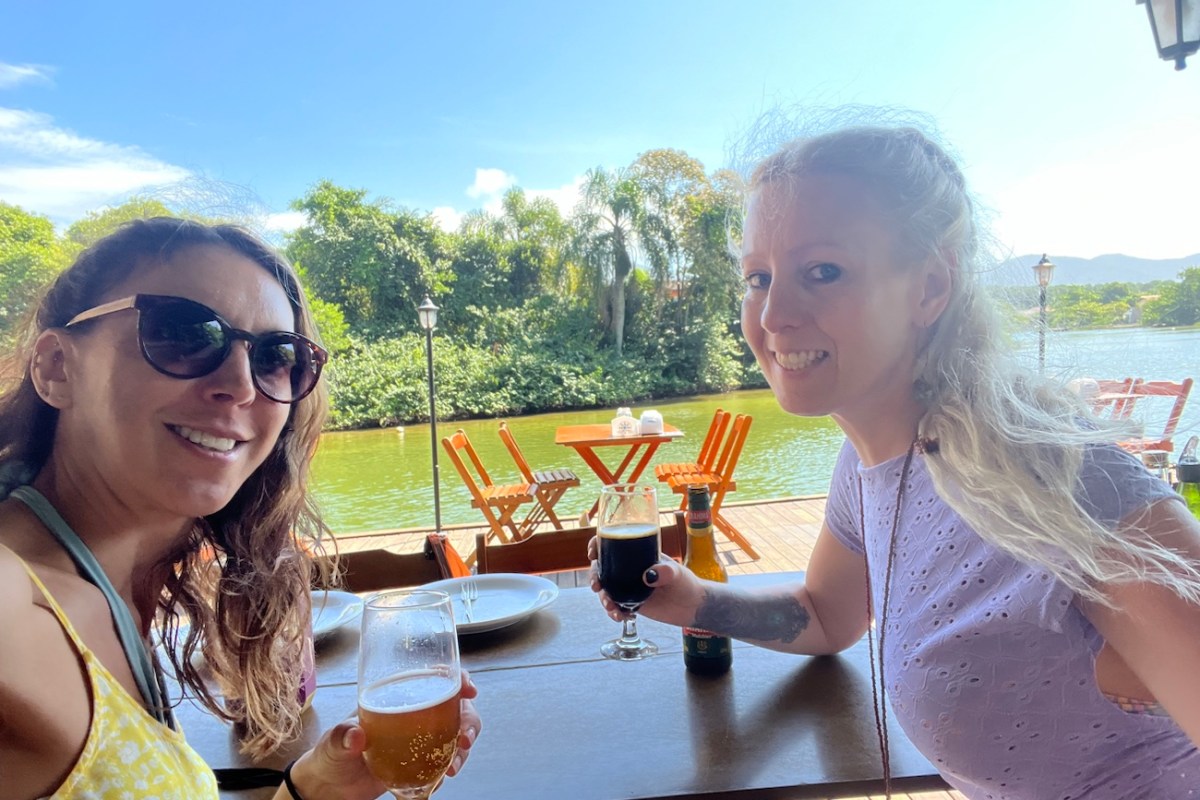
Three weeks in and brand new travel companion Vix has flown out to Sao Paolo to join me for the next four weeks. Vix and I met at a some dingy London rock bar and also share a love for travelling. Helen and I eventually got to the MADA hostel about 10pm after the epic taxi ride that took four hours instead of six due to the excessive speed and overtaking on blind bends. At least on a bus you can read a book or sleep! Unhelpfully the entrance road to the MADA hostel is closed entirely after 8pm, meaning Vix couldn’t get past the gates and we had to walk around the block via dark empty streets which defeats the object of staying in an hostel close to the action in Villa Madalena.
With too much choice of noisy bars we ended up gate crashing what seemed like kids birthday party. Everything I tried to order on the menu was unavailable so we settled for some chips which instead of coming with a chimichurri sauce like the menu suggested, came with a little bowl of what tasted like vegetable stock powder. Better than Helen who got curry powder. But we were excited to see they had one of the 360 spinny video things which we were the only adults to have a go on.

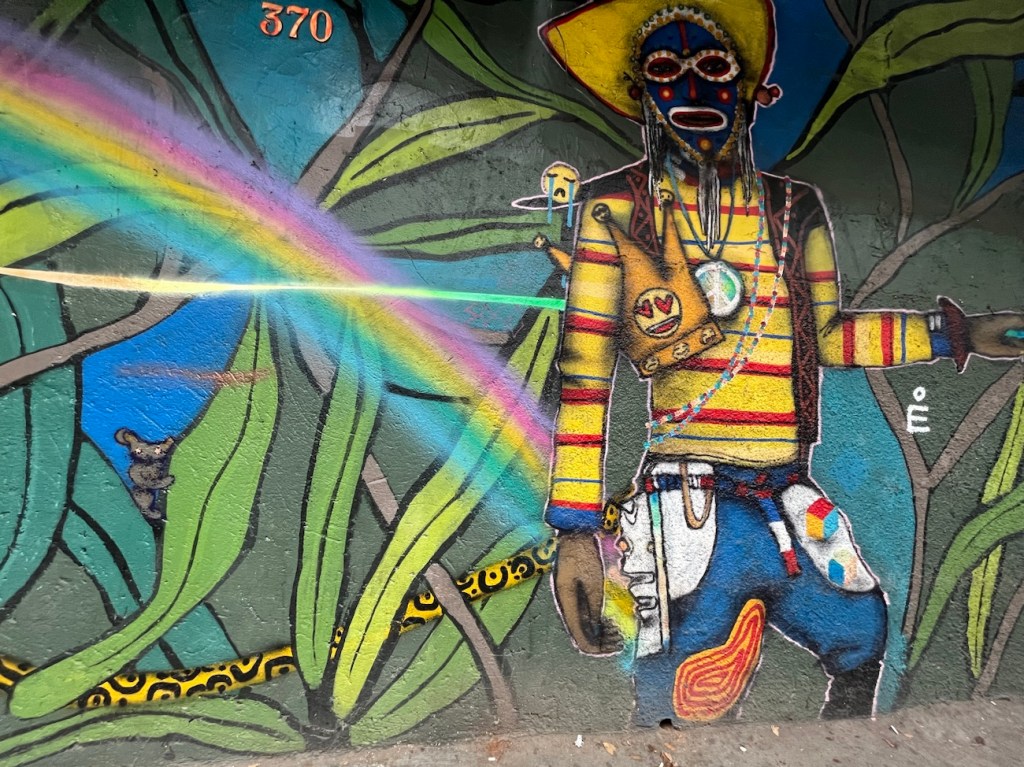
Wanting to get straight to the beach and having said goodbye to Helen, the next day Vix and I booked an overnight bus south to Florianopolis. The free day also gave me a chance to actually see some of Sao Paolo and we spent the perfect afternoon wandering around Batman Alley, checking out the graffiti and going on a spending spree at the market. Who knew I needed a top with cashew nut flowers on it?

In the evening we stumbled on a plant based restaurant around the corner while we were waiting’s for the bus. This was an even weirder dining experience as we were the only customers in there and the waiters were dressed up in overalls like oversized toddlers. Vix caught one particularly surly old waiter gesticulating at her like an angry Italian, and then as she continued her spending spree by buying some a coffee cup with a saucer shaped like a leaf and the friendly overalls man spent a very long time wrapping it up like the Easter bunny, she clocked the angry overalls man walk past me after washing his hands and flicking the water at my legs. Luckily I didn’t see this.
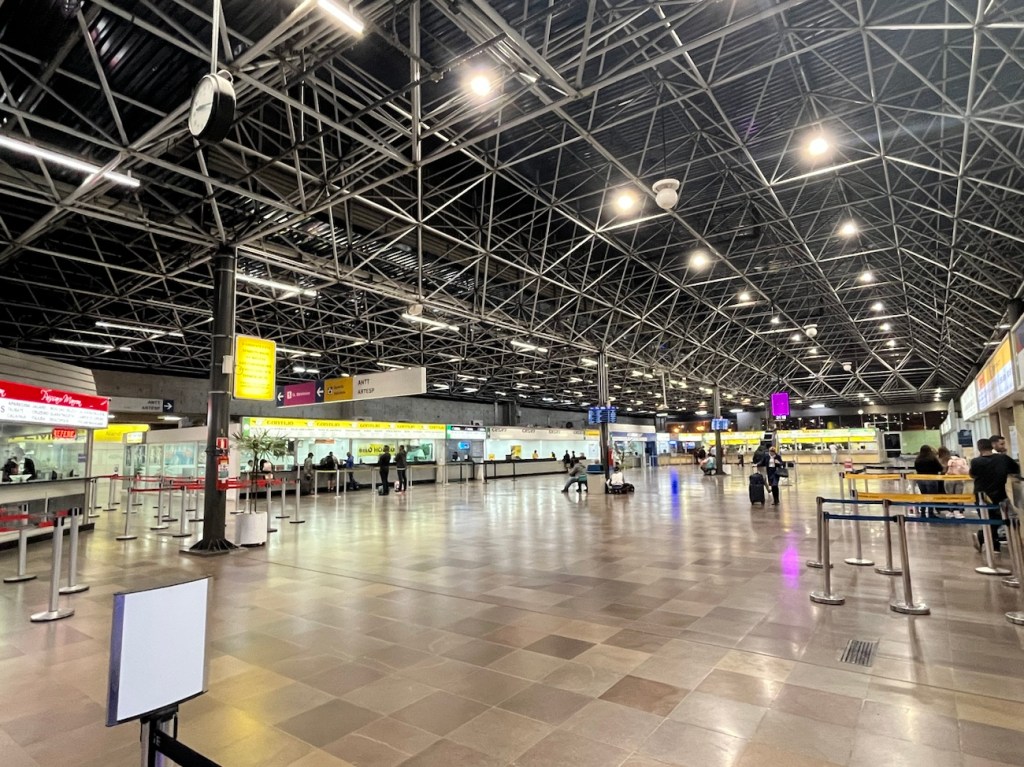
The Sao Paolo bus terminal is like no bus station I’ve seen before, with airport style check in counters and endless shops and facilities. As ever a simple question seems to generate much discussion, as we asked the information desk where our bus company desk was, the two staff had a long discussion and examined our tickets for a while before directing us just around the corner and saying “go with God”. Not really what you want to hear when you are getting on a 12 hour night bus.
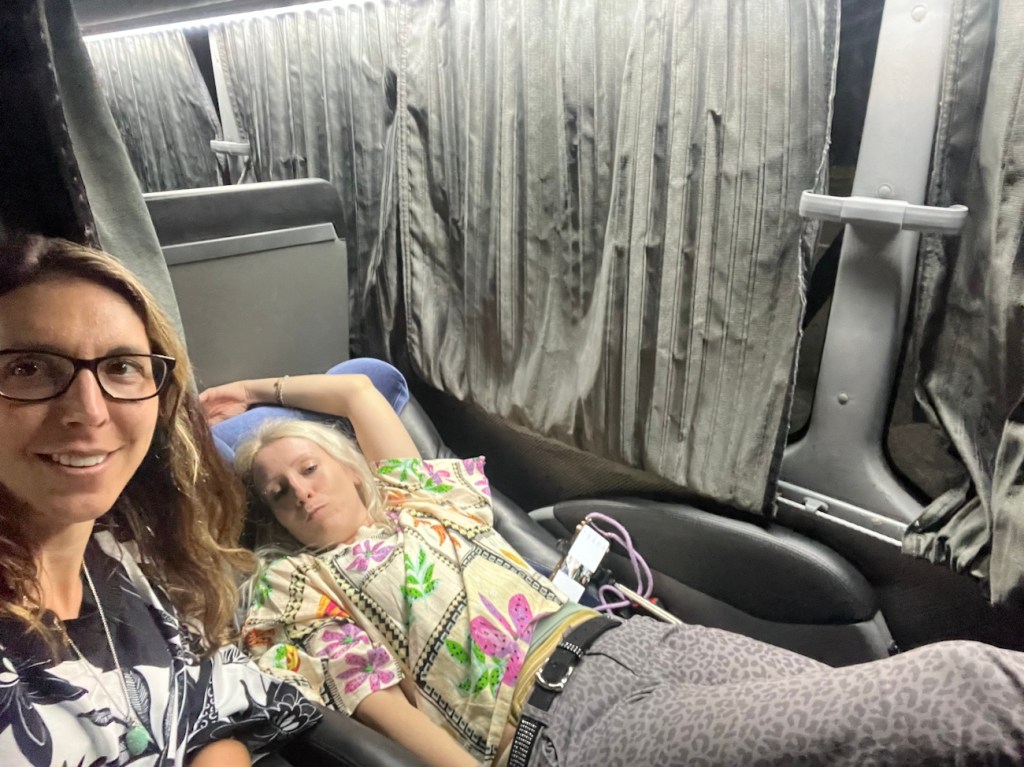
We tried to sit in the clean seating area but the cleaners physically moved us on – the woman picked up Vix’s bag and moved her. The other seating areas absolutely stank- unfortunately the areas that were not cafes or shops were acting as homeless shelters. Vix notes that we would need to be on crack to keep up here. The “cama” (bed) bus was also like no other, with almost fully reclining seats, pillows and blankets although I still can’t sleep on public transport 🤦🏻♀️. It did cost almost £100 after all the service and tax additions! The bus also makes a few stops at huge service stations where you could eat and stretch your legs.

We had stocked up on food and drinks – first Vix opened her cashew nut drink and immediately closed it as it stank like rotten cheese. Then she opened her mango juice and it fizzed like bicarbonate of soda. Only when we read the ingredients did we realise it was super double concentrated.

We arrived in Florianopolis (nicknamed Floripa) around 10am and got an Uber to the island side, staying in the Barroa de Lago where there are lots of hostels . It’s still low season though so aside from the groups of Argentinians, most of whom seemed to be volunteering at the hostel, it was pretty quiet.

Lots of people had recommended Florianopolis and I could immediately see why. It’s way more relaxed, with little coffee shops and beach bars and it felt much safer at night. We initially booked three nights but extended to five as we loved our private room in the hostel with a balcony and the outdoor space and bar downstairs. Staying a few nights somewhere means you can actually use the kitchen facilities and cook your own food – novelty! Avocado wraps and tomato and lentil pasta never tasted so good.

There is actually loads to do in Florianopolis and you could spend a couple of weeks here and move around different parts of the island.
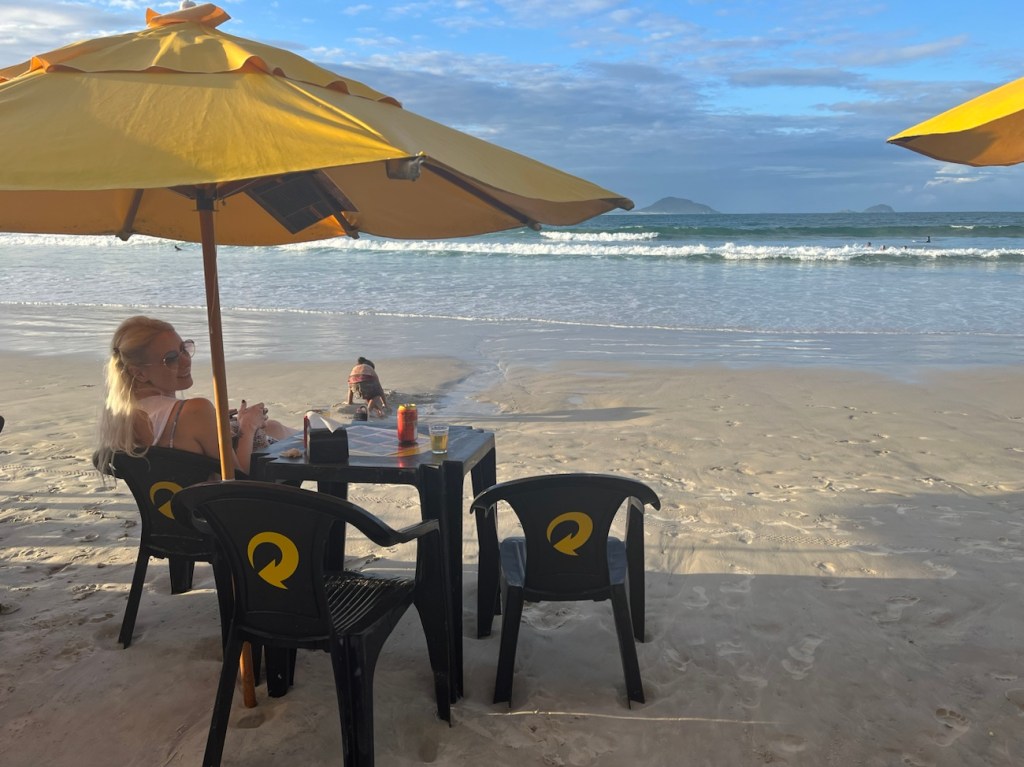
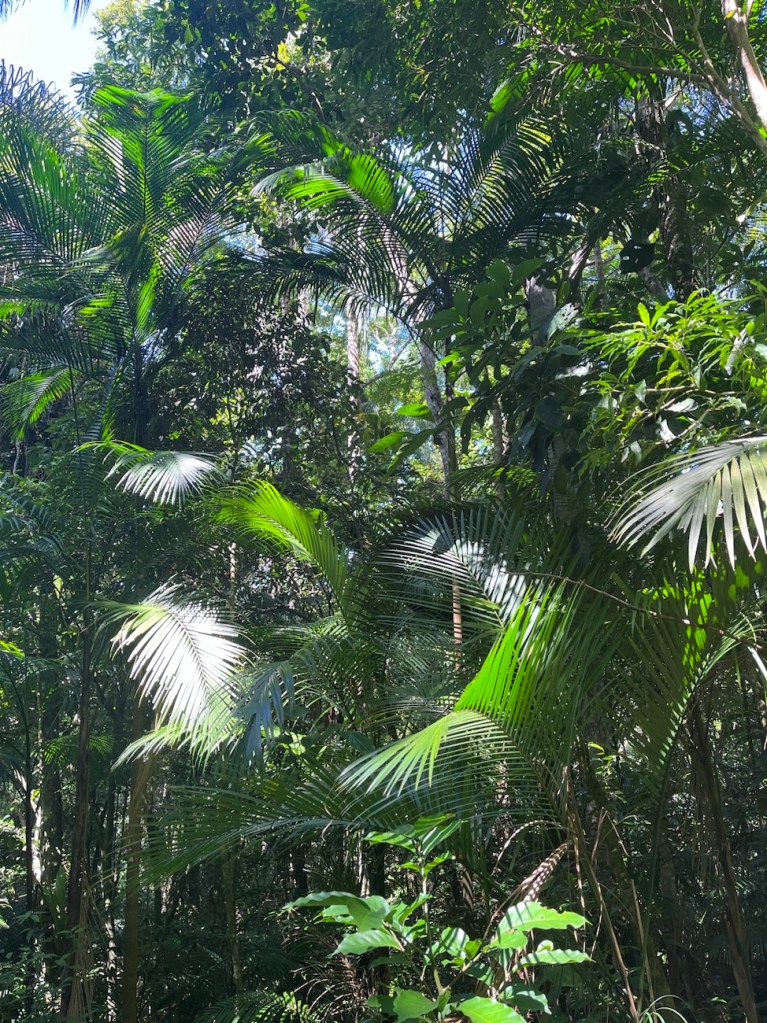
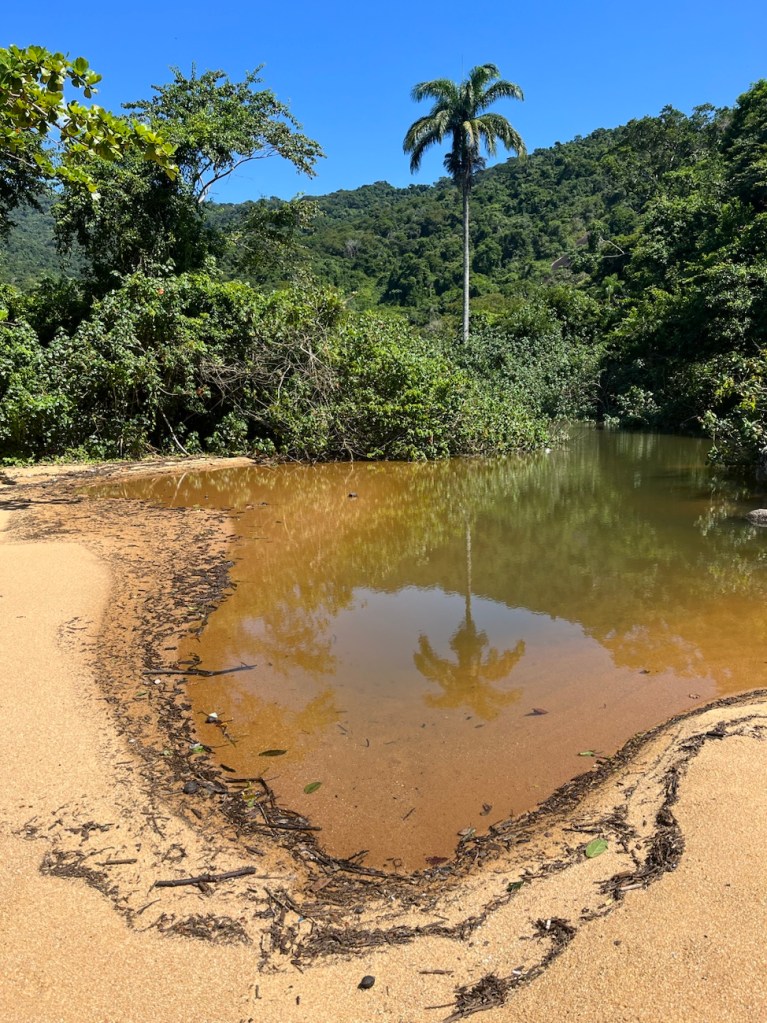
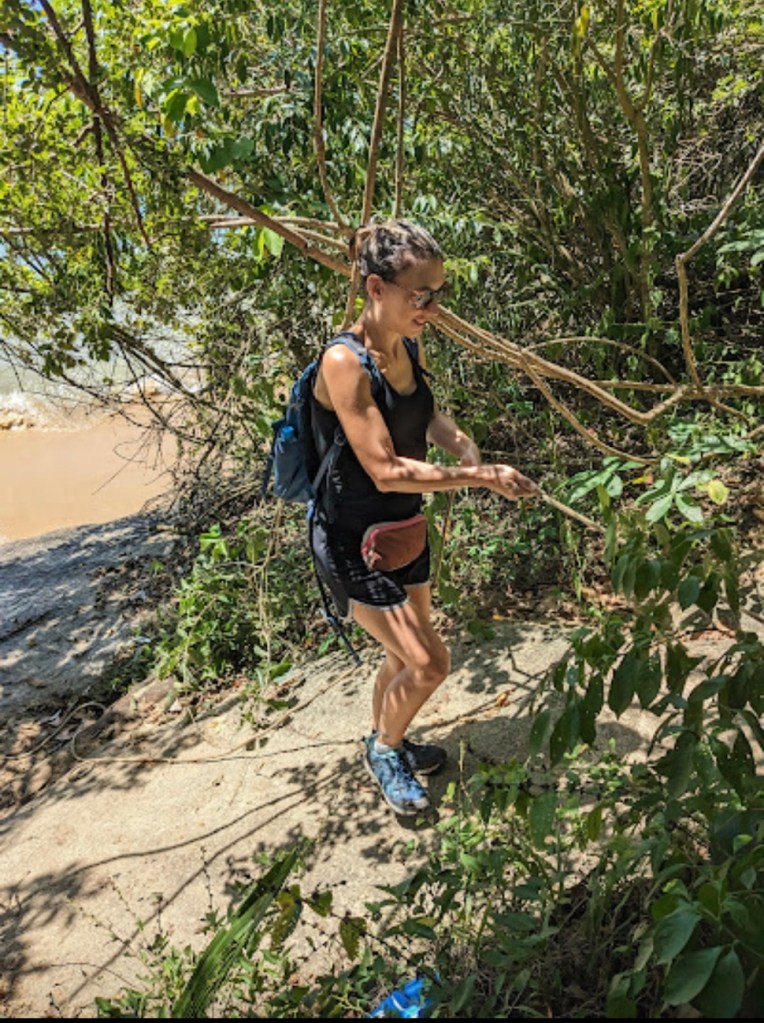
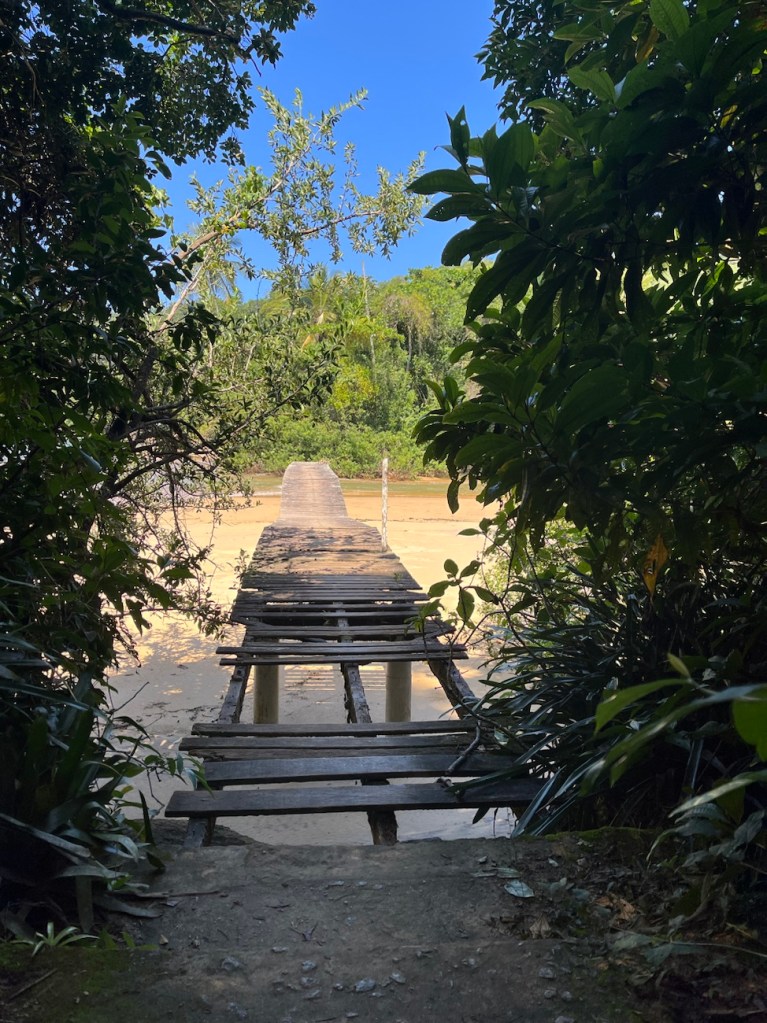
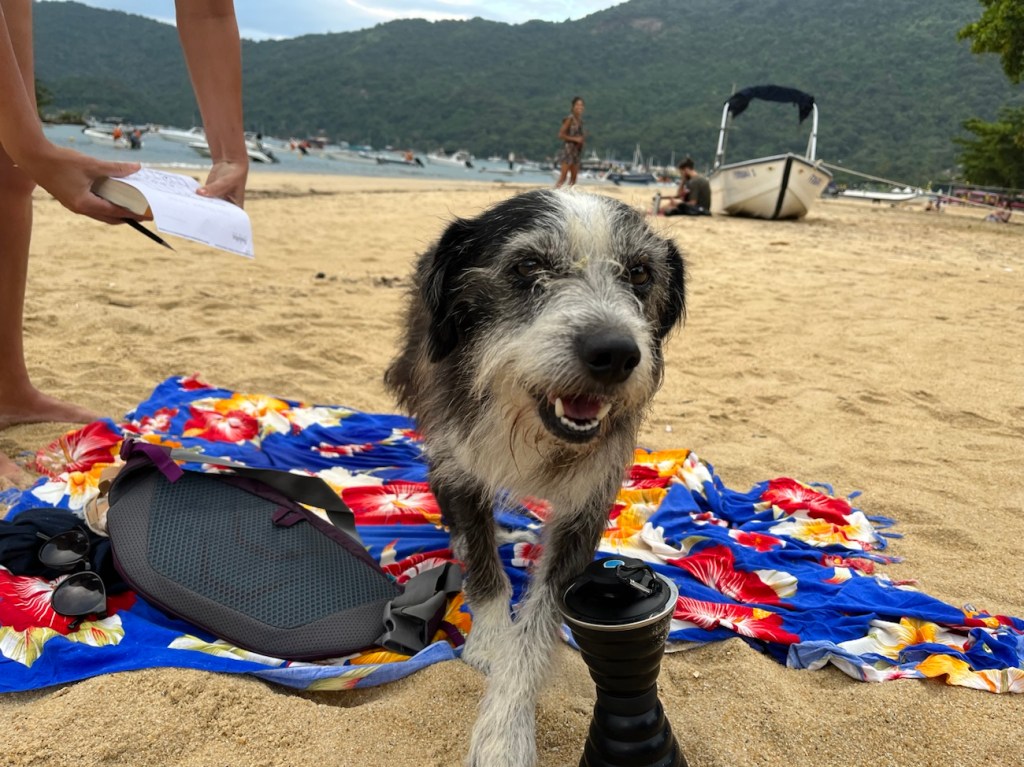
At the beach people are ready to sell you grilled cheese, churros, drinks and even roll out racks of clothes and bikinis. You actually don’t need to bring anything. Like stupid tourists we got burnt and spent the next few glorious weather days hiding from the sun – we crossed the bridge, walked through the jungle path to the natural pools to a stunning sunset point.
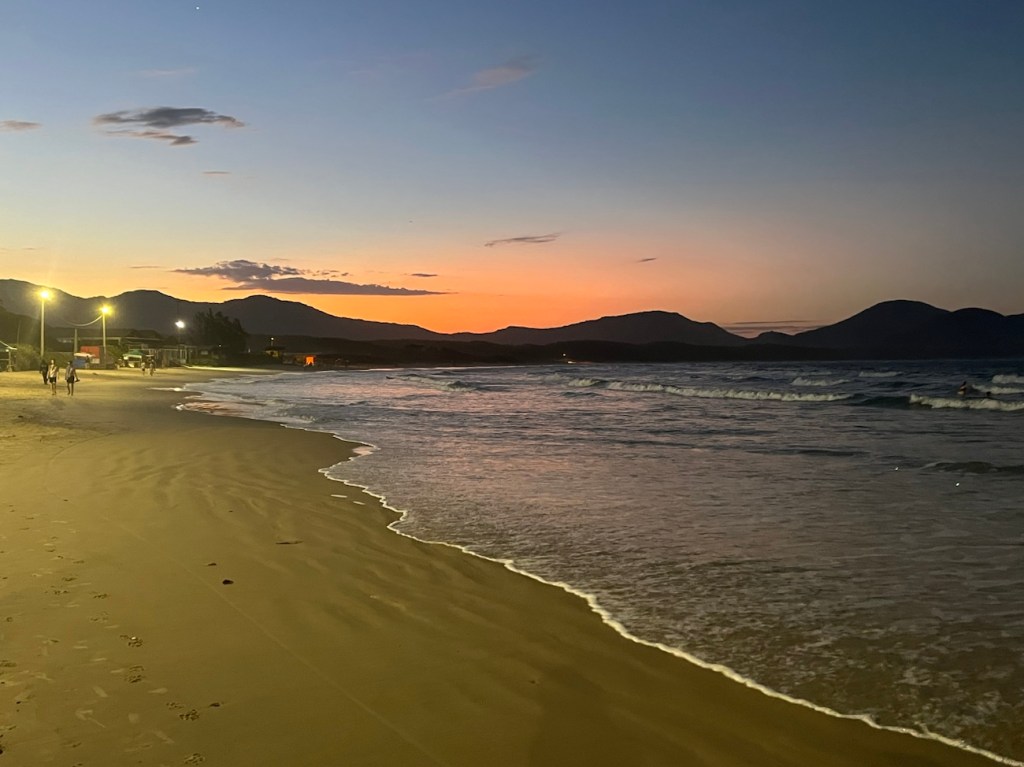
One day was literally spent drinking banana caprinhas on a tiny beach over the bridge. This is the best drink I have ever tasted in my life. Another day was spent purely on getting laundry done, drinking oat lattes at what became our favourite café hangout with the lovely Flor.

I had really wanted to see the world’s largest rodent, the Capybara, in the wetlands of the Pantanal (one of the reasons why I voted for that over the Amazon) but aside from the fleeting glimpse at night I haven’t been in luck. Turns out Vix has an obsession with Capybara too. We even asked the hostel barman where we could see one and he mentioned there might be a family of them somewhere down the river at night.
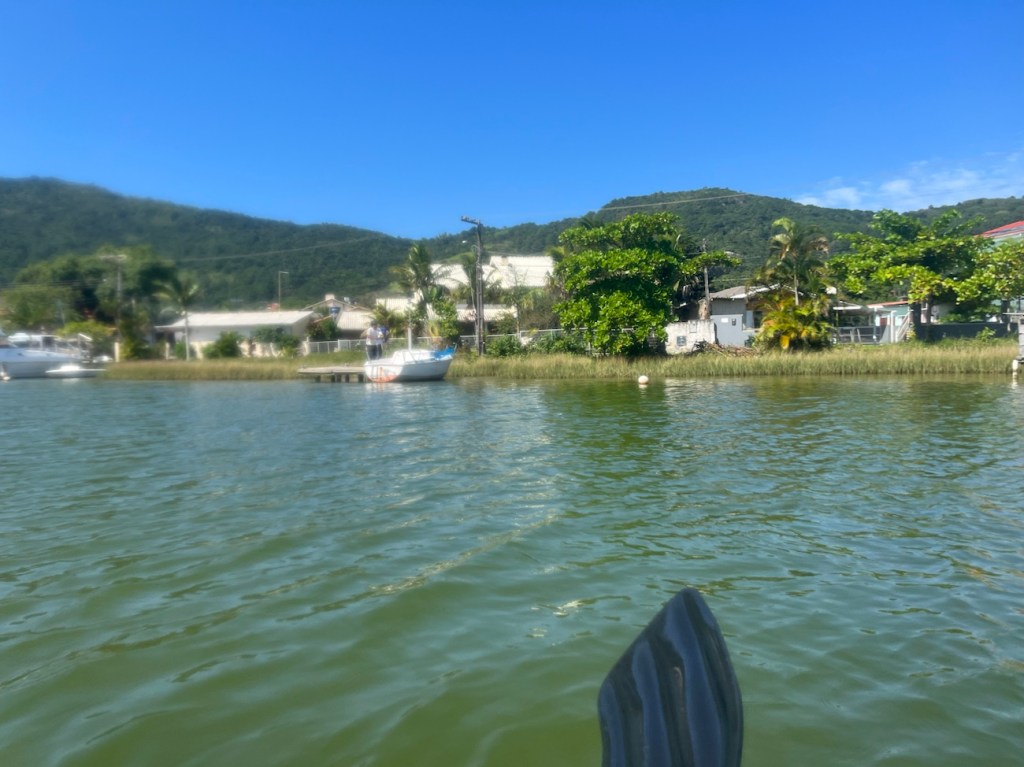
The staff at the hostel were lovely but all volunteers from Argentina and none been there more than a couple of weeks so unfortunately pretty useless when it came to providing basic information like what to do. Luckily we found fisherman Luis down by the river and he said come back in the morning and we could have two shiny green kayaks for £6 each for the day. Next morning he was nowhere to be seen and someone else tried to sell us just one kayak for a worse deal. But we persevered and eventually somebody else went off and found Luis (he’d had too many caipirinhas the night before) and he came through on his deal. Off we went in with a little map and his instructions to go inland (ie not into the sea) and where to stop for a good caiprinha.
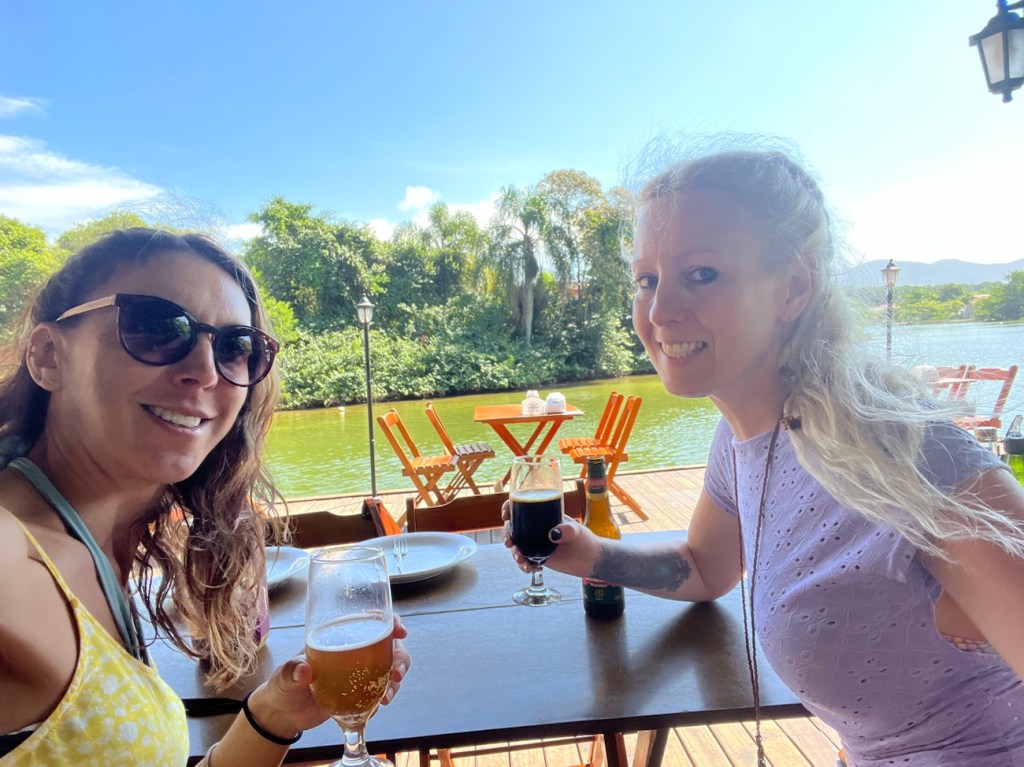
The river is really beautiful and we passed by pretty guesthouses and the occasional boat, and a man sitting on the riverside who shouted across that we had provided the mornings entertainment when the wind picked up and Vix was hanging on a mooring dock for a rest and each time I stopped rowing to take a photo I’d end up a good few metres back again. By this point it was clear the map had no relation to reality. After a couple of hours we needed that drink so we rowed up to a classy looking riverside restaurant and the waiter pulled us in with an rope so we could climb up to the deck. After we’d sat down and ordered a £20 Mushroom Moqueca and a man started playing guitar, I noticed everyone else was smartly dressed – as Vix said, we are on somebody else’s expensive holiday and we’ve rocked up in green rental kayaks.

We decided to make an afternoon of it and ordered a few Negroni’s then the most magical thing happened – I looked up and saw not one but a whole family of gentle Capybara with two babies just getting into the river for a swim. The rest of the diners must have thought we were mad the way we leapt up from our table almost crying at the sight.

With the wind on our side we rowed back in the half the time with a takeout box of leftover food the restaurant packaged up (which I nearly lost as somehow Luis thought I had offered it to him and he tried to take it but Vix snatched it back) and for a strawberry capririnha on the beach. That turned out to be pure cachaha (the local liquor) and undrinkable even for Vix. We got back to the hostel still excited from the Capy sighting but when we told the barman he just told us off for accidentally bringing in alcohol from outside. I suppose nobody was as excited as us.

Probably because it’s low season now, there is zero night life. When we asked the capybara barman where’s the party he just laughed and said “it’s a Monday “. The beach bars close at 17.00 around sunset and the only restaurant around was a Japanese buffet which had some life with a guitarist playing some Red Hot Chilli Peppers covers – maybe that’s where the party was all along?
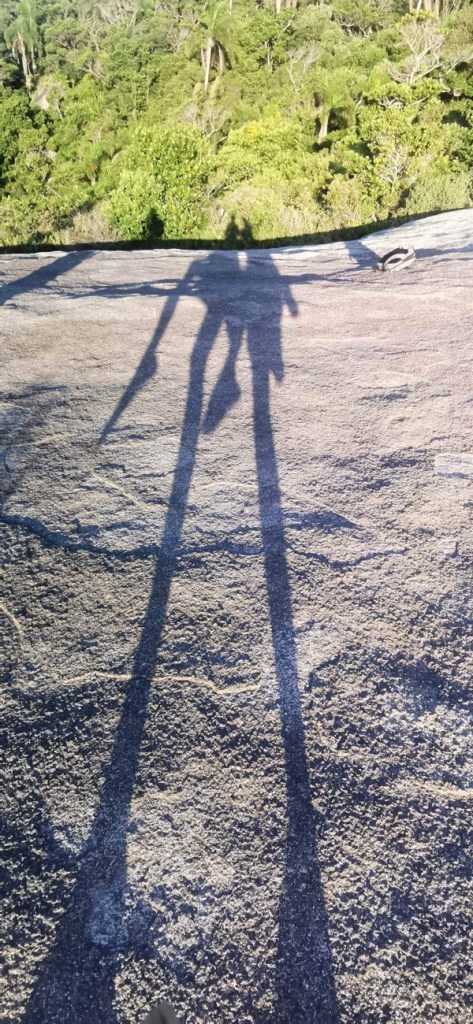
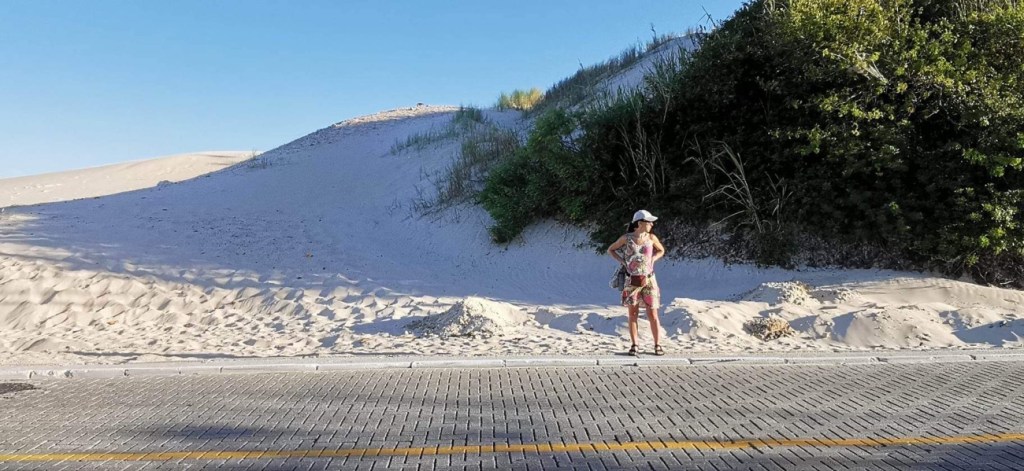
There are some hikes to a nudist beach (gave that a miss, still have bad memories of Budleigh Salterton) and other trails we would have explored if we had stayed longer. The local bus costs £1 and takes under half hour to get into the town which is great for a browse around and we walked back past the sand dunes and kite surfers.
The initial plan was to bus it down the coast into Uruguay but with the cost of the buses almost the same as a flight and two more days in Florianopolis rather than Porto Alegre and Chui we took the easy route. Next stop, the mostly unknown capital of Uruguay, Montevideo….


















































 Maz On The Road