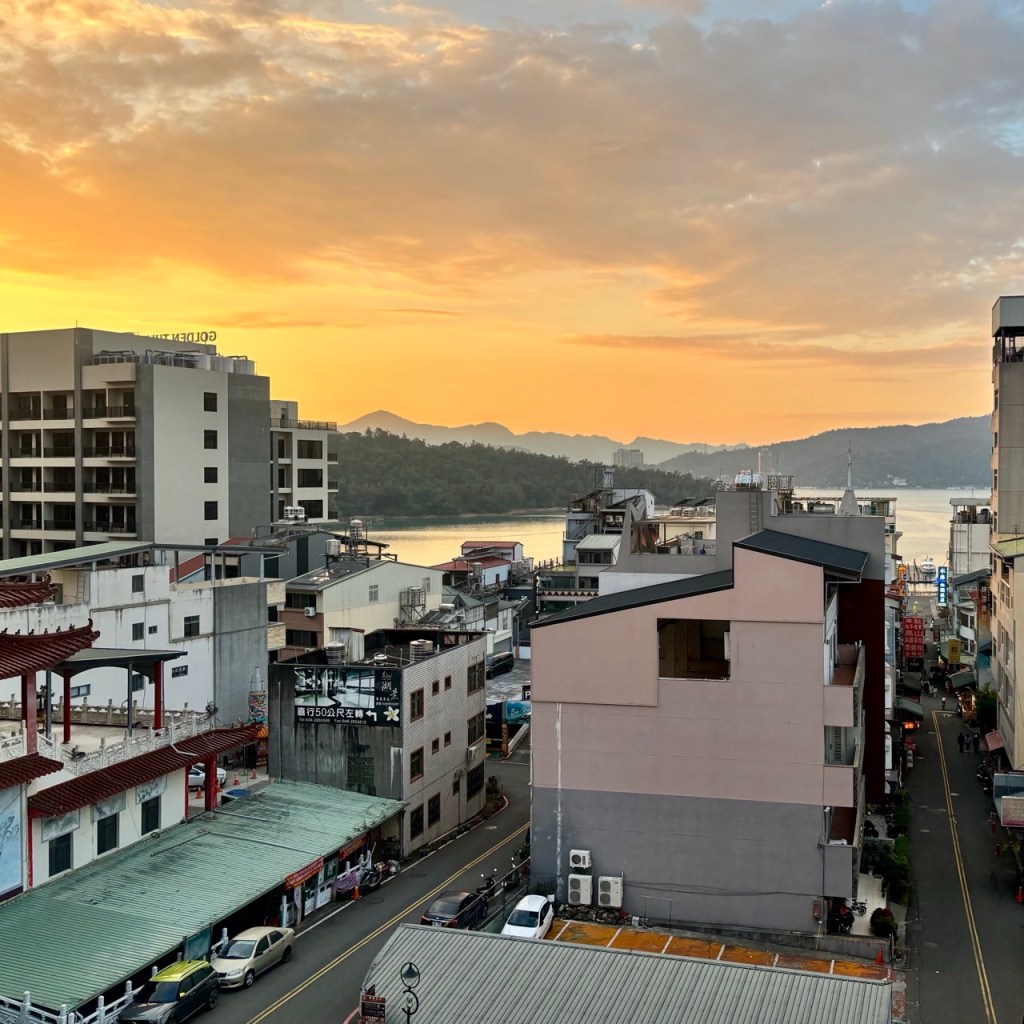
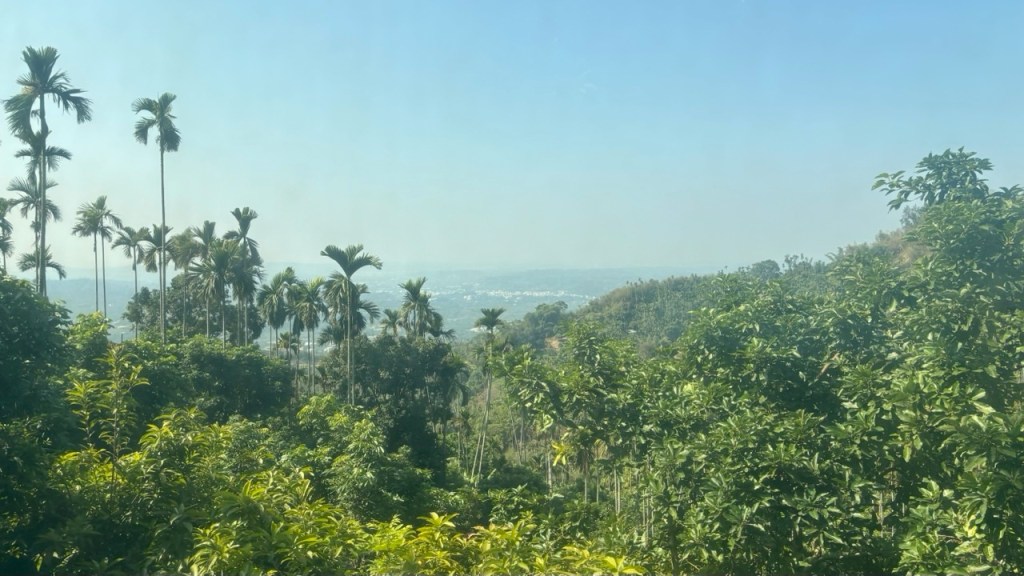
What a mysterious name! I had prebooked the bus from Alishan to Sun Moon Lake after locals told me everything would be booked up for the upcoming Lunar New Year. It wasn’t really necessary as the bus wasn’t full but I actually quite enjoyed having a few days with everything booked and just following my own itinerary! It took about 3-4 hours on a comfy bus with a gorgeous view, to reach the SML bus station. The transport centre was actually on the other side of the lake to my hostel (Owl Hostel) and all buses stop at 17.00. A man approached me and asked “Ita Thao?” I said no, assuming this was the name of someone he was picking up. He asked me again like he really thought it was me. I said no again. After realising there were no buses (it was 17.30) I went to enquire about a taxi. The same man appeared and asked for the address. “Ita Thao!” he said. Turns out that’s the name of the village where the hostels are: he probably thought I was mad or very stupid. But he paired me up with a Chinese woman and her mum and drove us all around to the other side of the lake at half the price of a standard taxi. At the hostel there was another guy checking in who was on the same bus as me and he had paid twice as much so I did feel a bit smug.
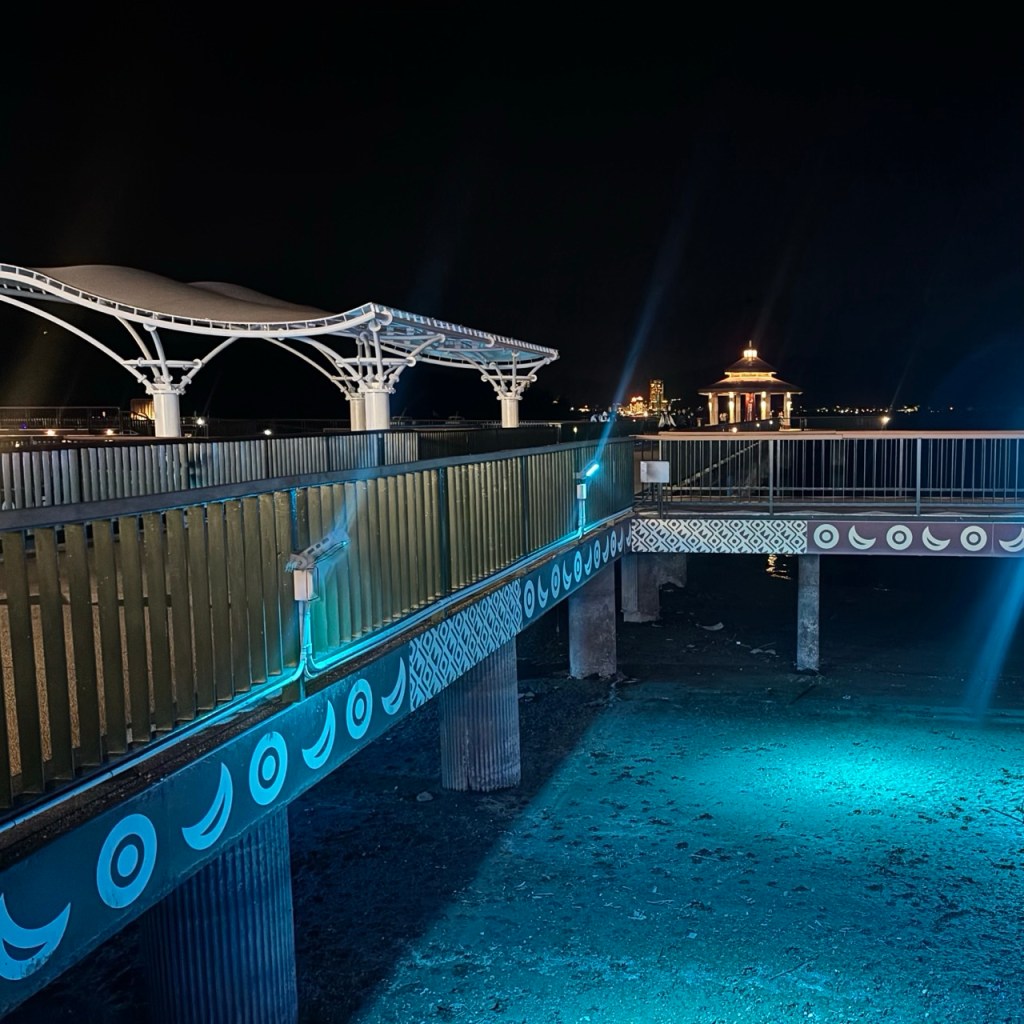
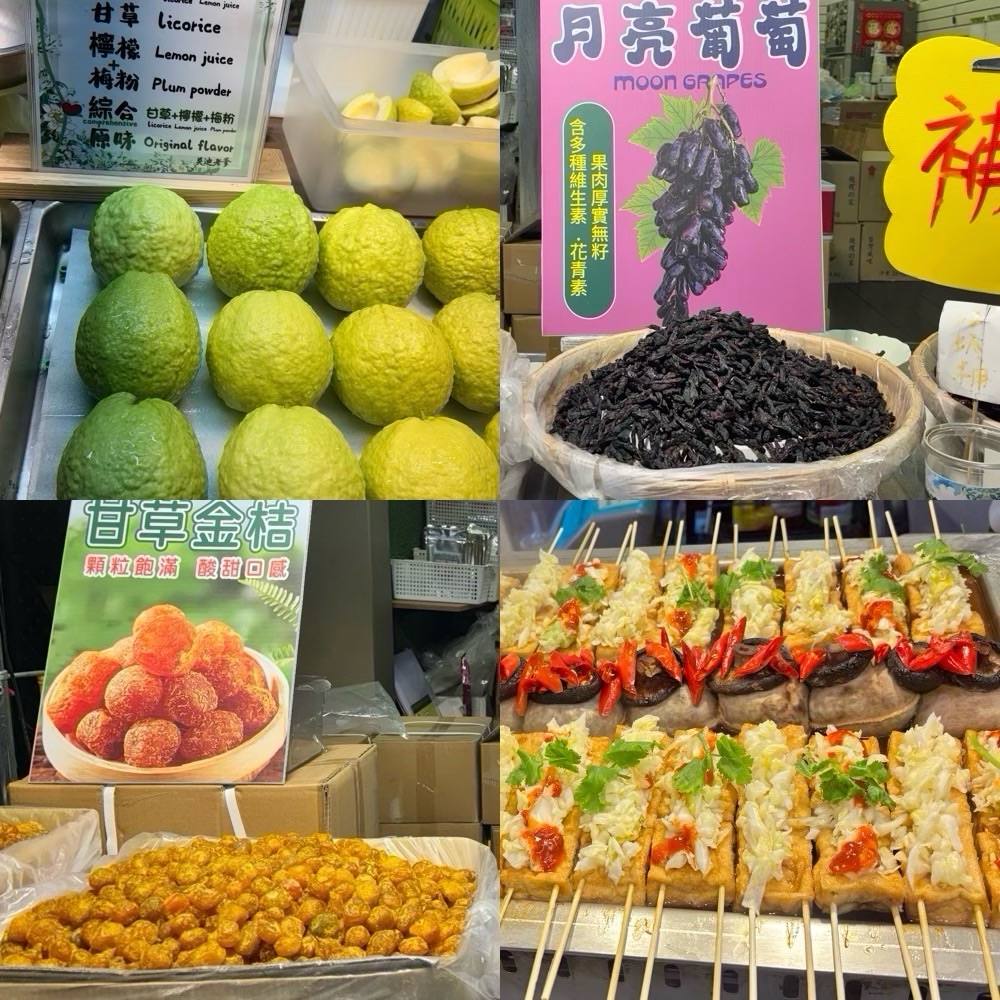
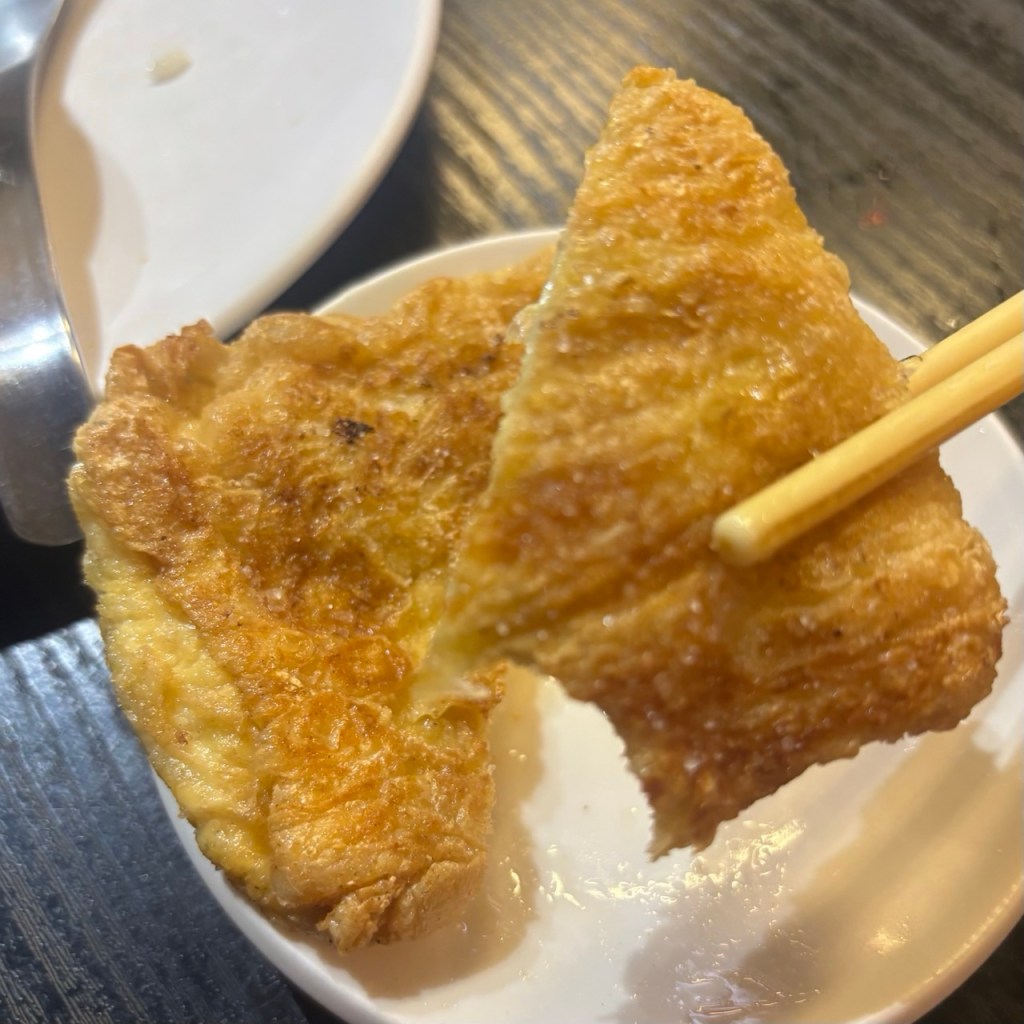
I went to wander around the harbour area where a small night market had set up. I got some vegan tofu sticks with a spicy sauce and a bag of freshly cut liquorice flavoured guava for dinner.
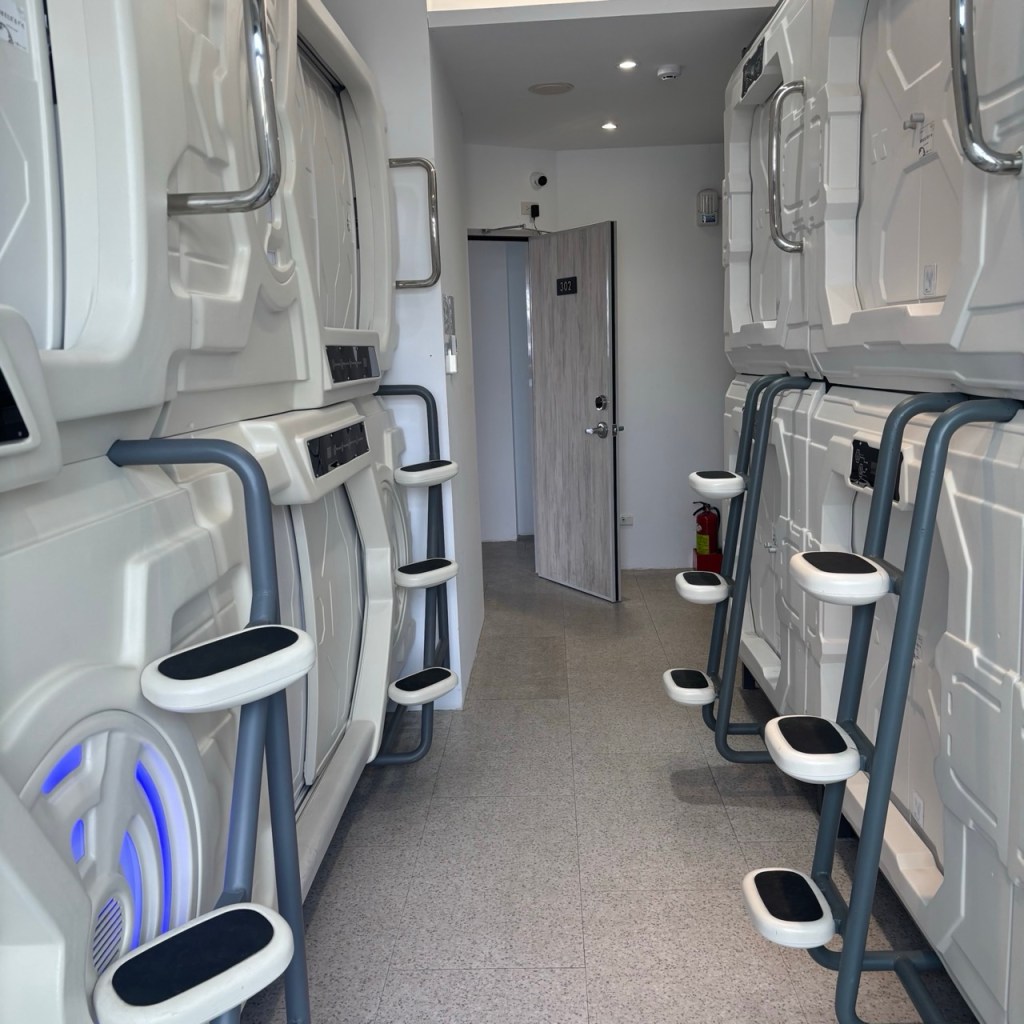
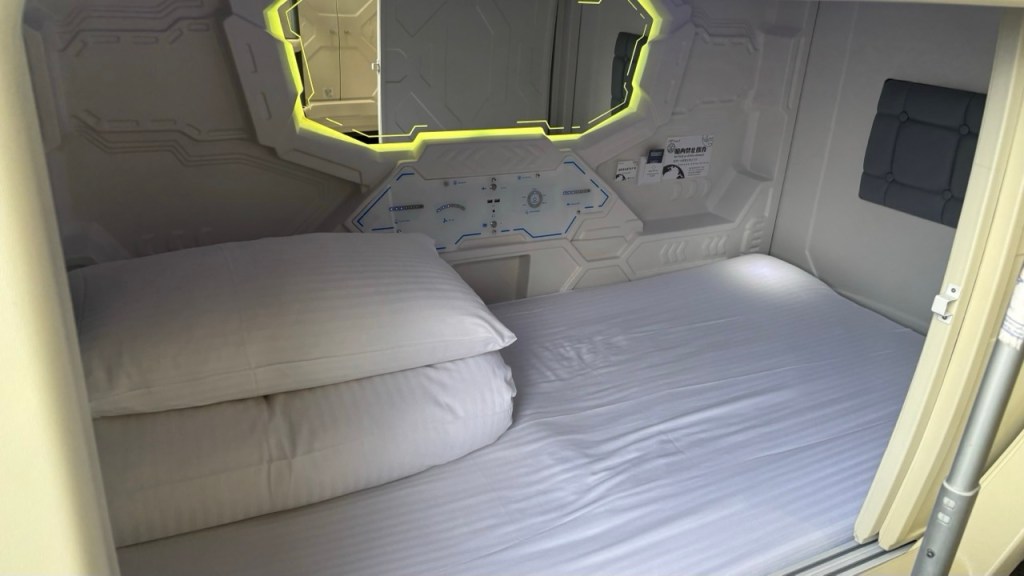
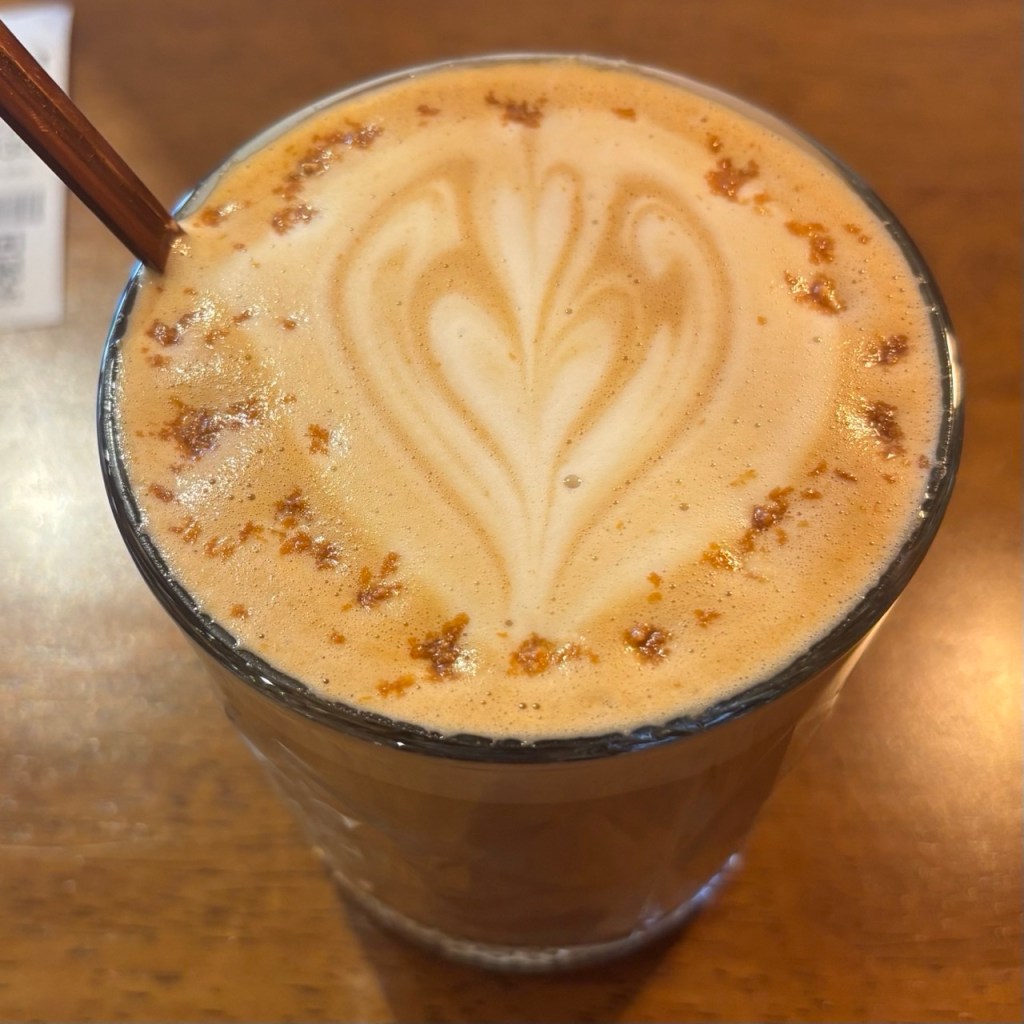
The Owl Hostel also had free proper coffee and lovely rooftop to enjoy it. It was extremely clean and well organised. You’d expect it to be fully booked but it was really quiet as have been most places so far, although it was the first hostel in Taiwan where I met some other Western travellers to go for dinner or hang out on the rooftop with. Everyone agreed they have had mostly solitary experiences travelling in Taiwan. It’s just not on the usual backpacking route.
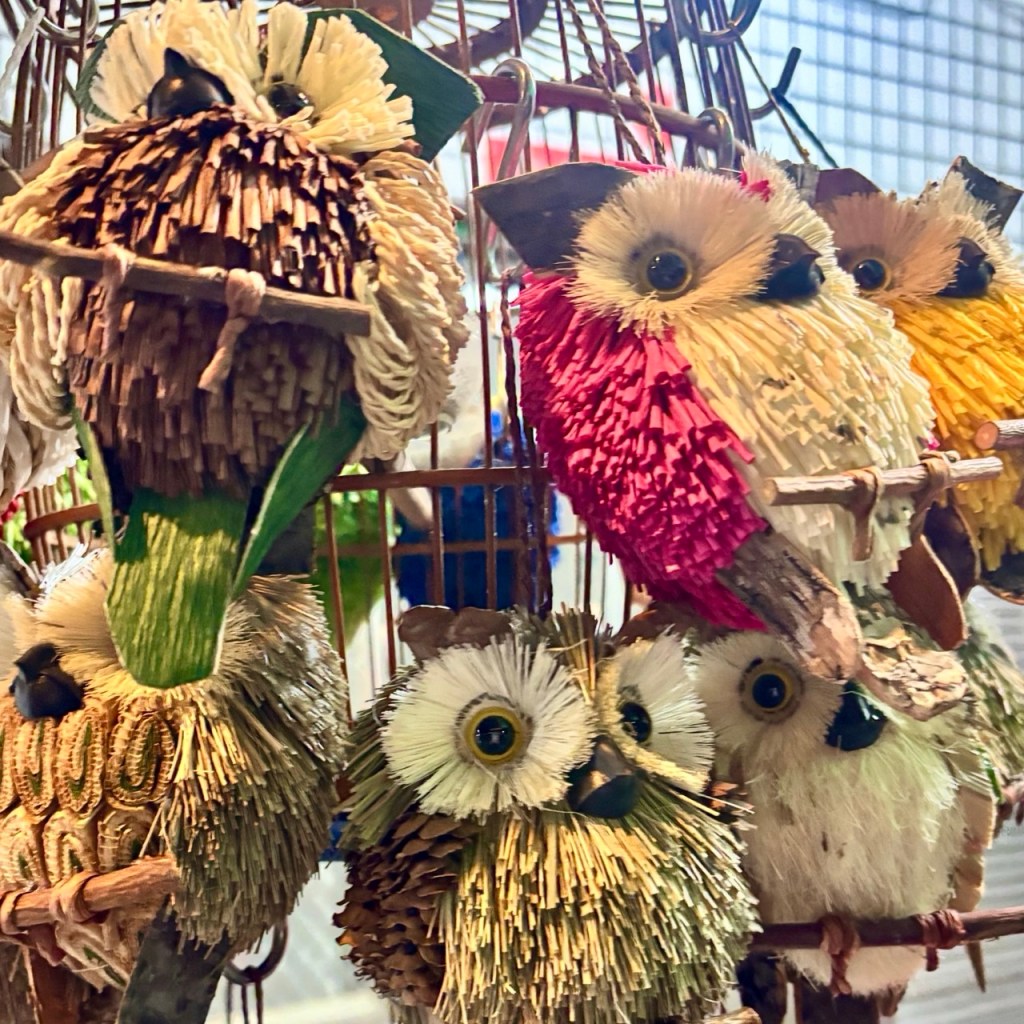
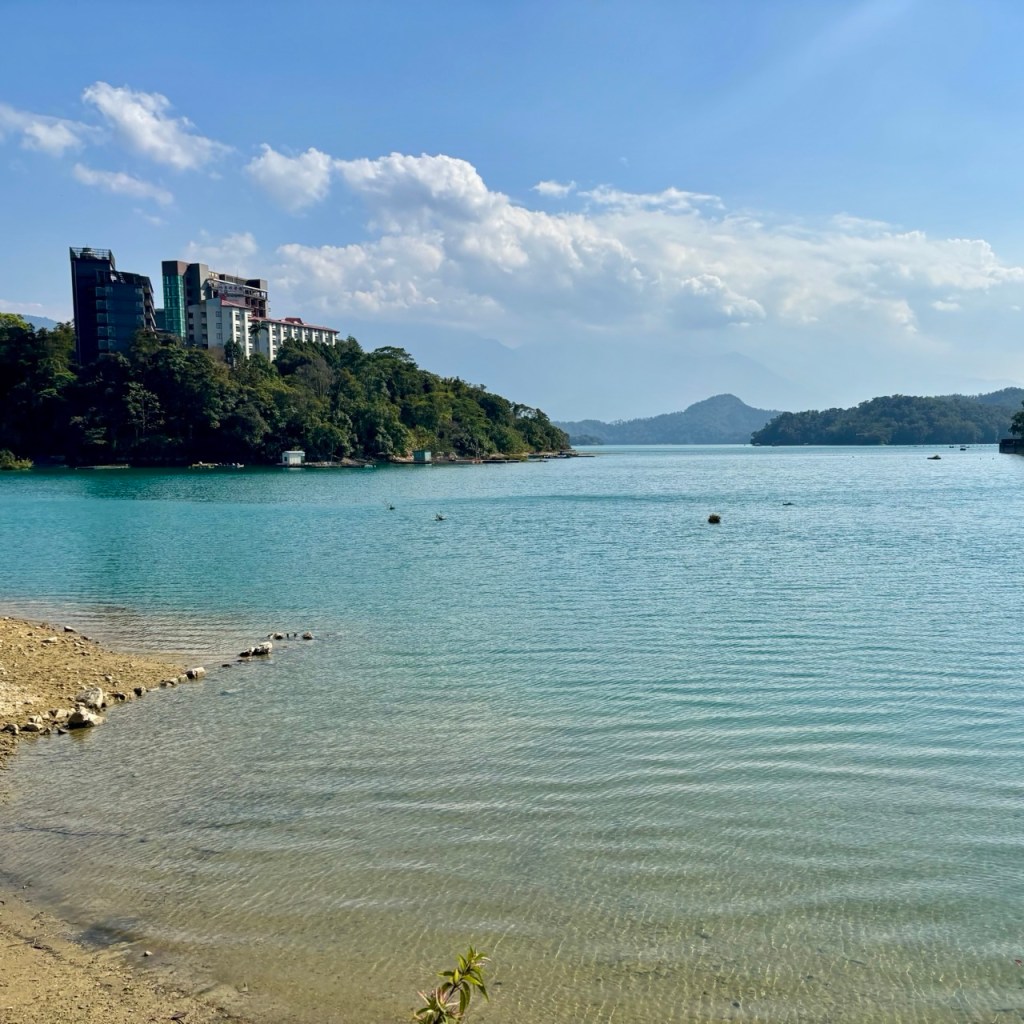
The owl (as in the bird) is significant here. They are considered to be the sacred spirit animal of the Thao indigenous people. Similar to the sunrise and sunset outings in Alishan, a rite of passage at Sun Moon Lake is to hire a bicycle and cycle around the lake. There are also temples and a cable car to keep anyone busy for a couple of days.
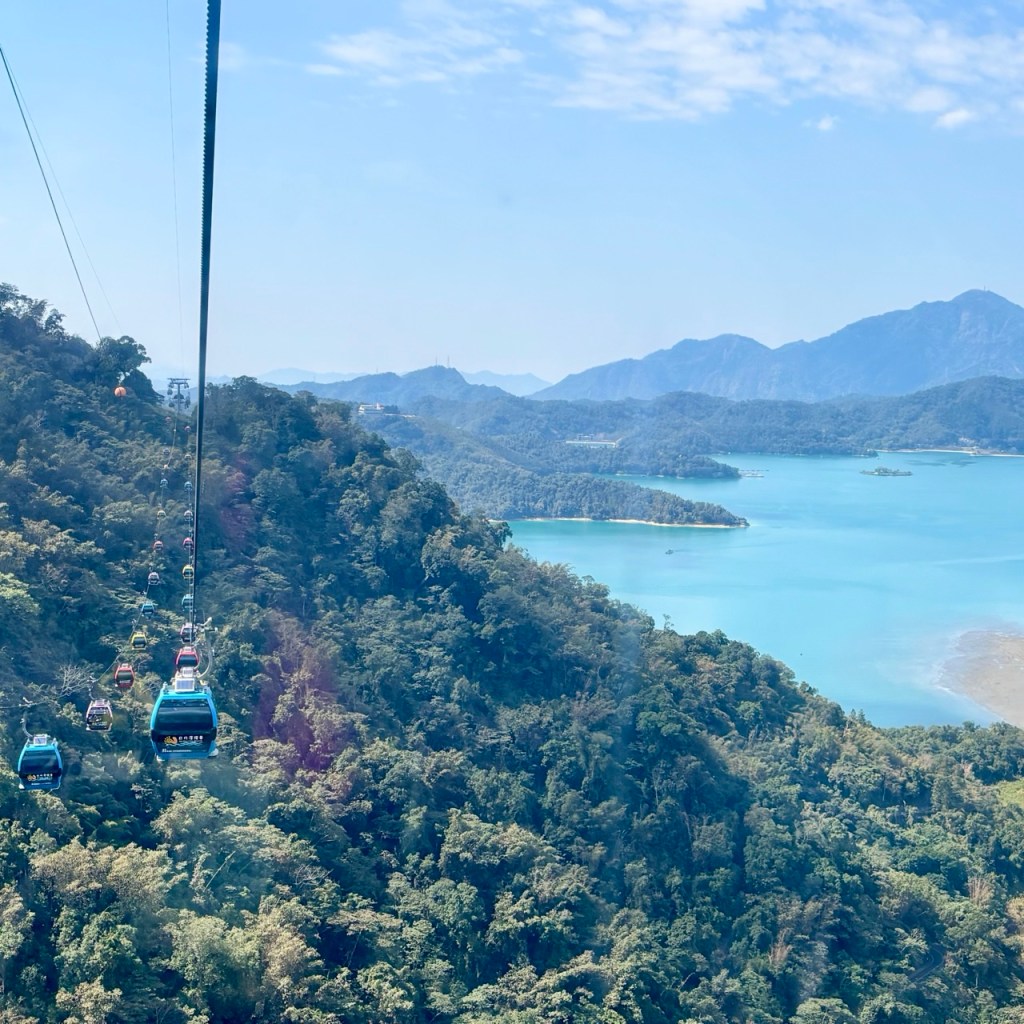
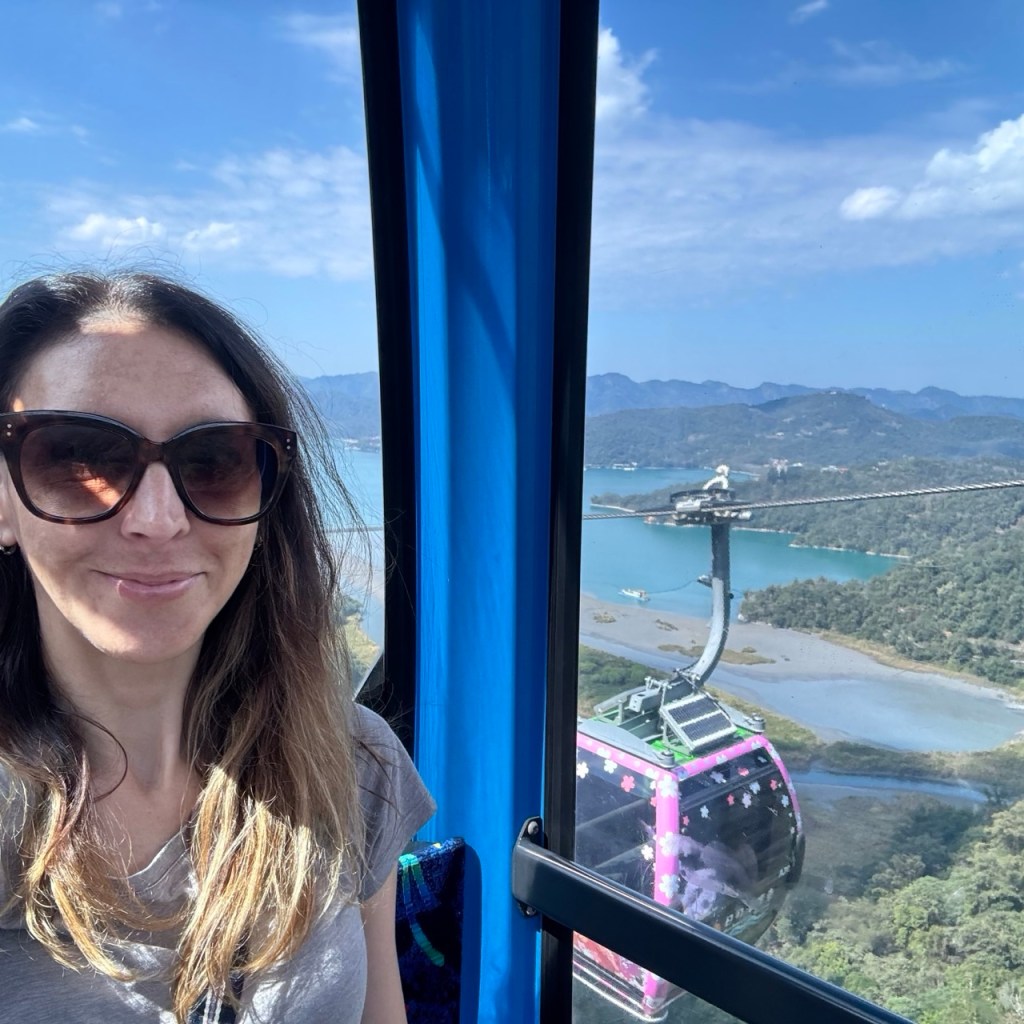
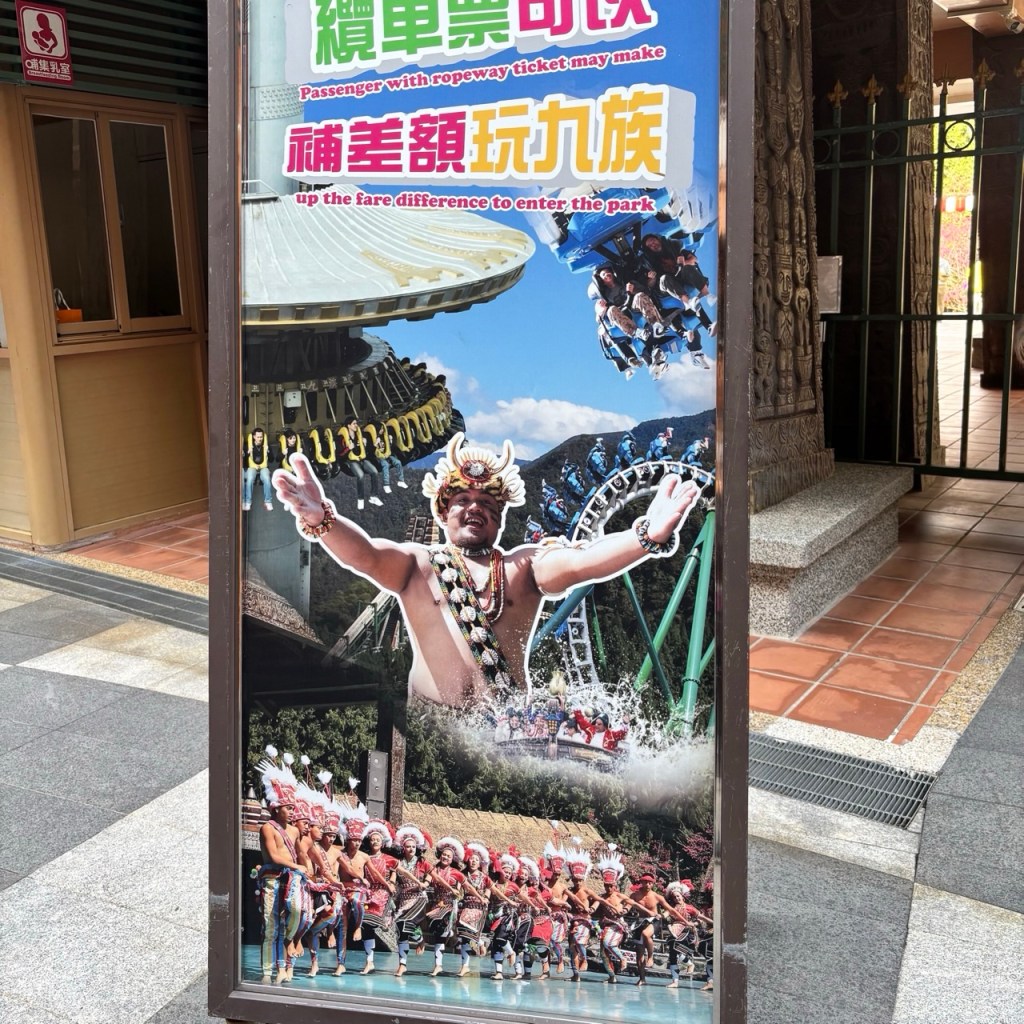
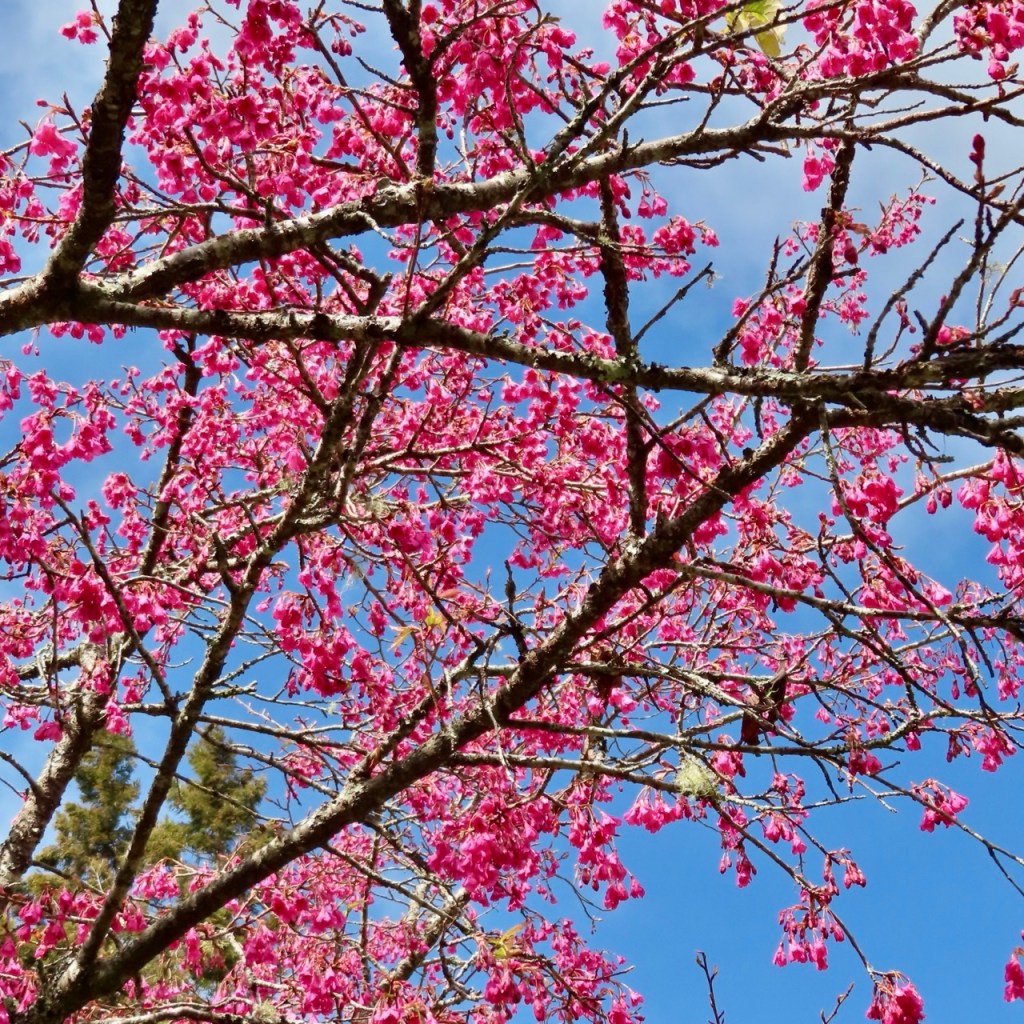
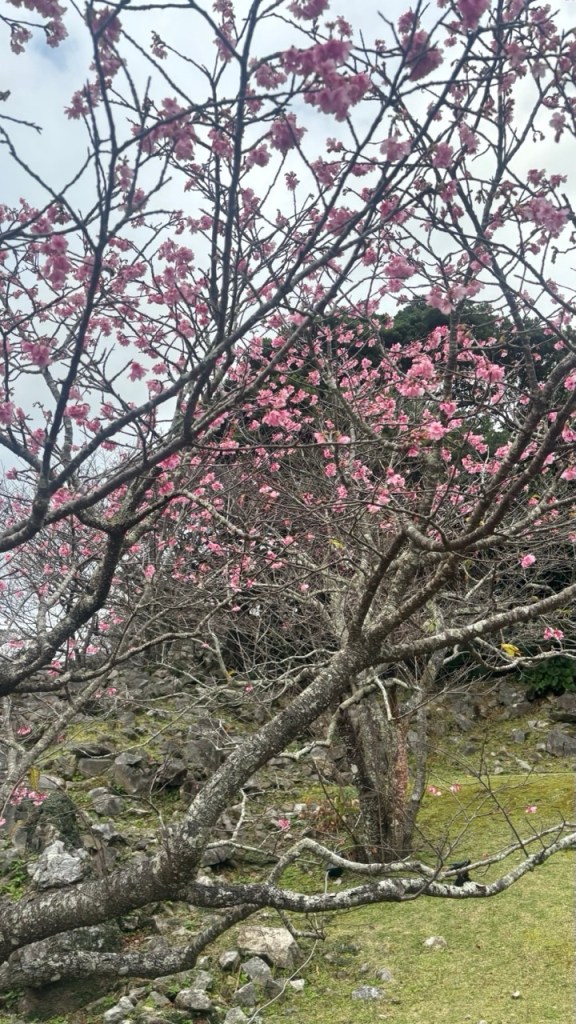
If there is a cable car then I have to take it. The “Sun Moon Lake Ropeway” goes up to the Observation Tower of the Formosan Aboriginal Culture Village. It took solo travel to another level – not only was I allocated my own gondola but I was asked to choose which one I wanted. I chose the one with pink cherry blossom as this was clearly the one the attendant wanted me to pick.
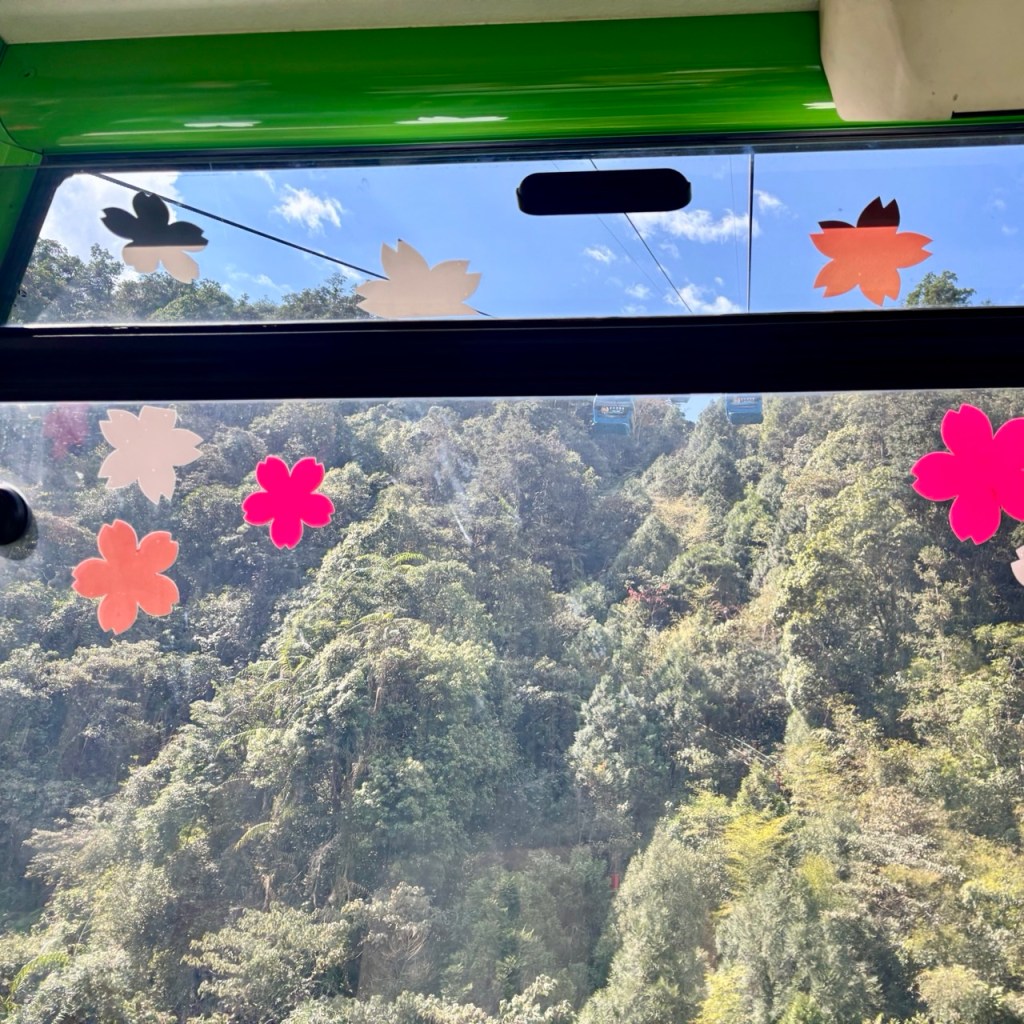
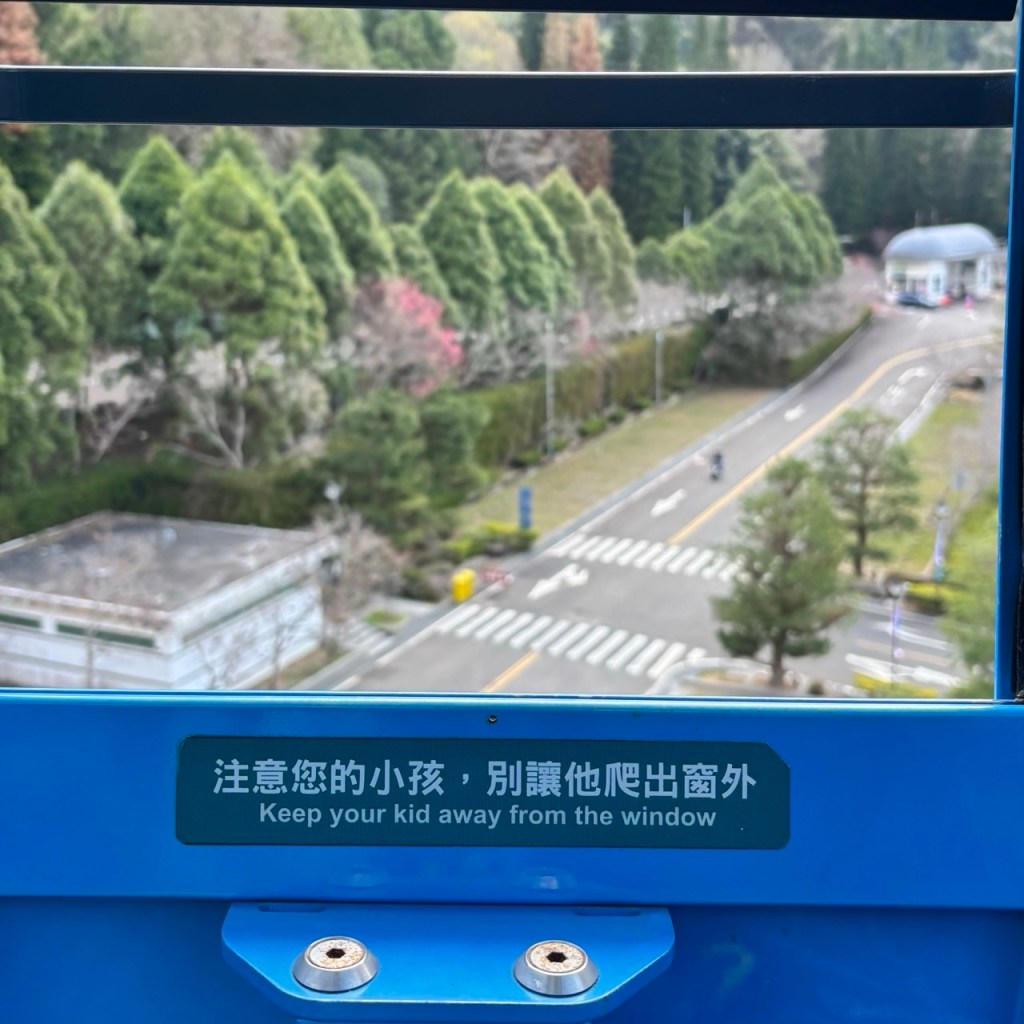
It takes 7 minutes to reach the top, and time goes very slowly when you have it all to yourself. I had expected that there would be at least a viewpoint at the top or something to look at, but it’s literally just a station where you get off, and a turnstile for paid entrance to the ‘Culture Village’ which looked more like a theme park to me. There are fences blocking out the view so other than a few souvenir shops there’s literally nothing to do except turn around and go back down again. I still enjoyed it for the novelty of choosing which gondola I wanted and the views over the lake were beautiful. It felt pretty high up, so probably not one for anyone not keen on heights.
I decided to take the boat over to the other side of the lake instead of cycling the whole circuit, and to treat myself to lunch at a backpacker cafe. I soon changed my mind about not seeing any other Westerners after listening to some annoying, loud American backpackers discussing their latest tattoos and paying over the odds for a coffee.
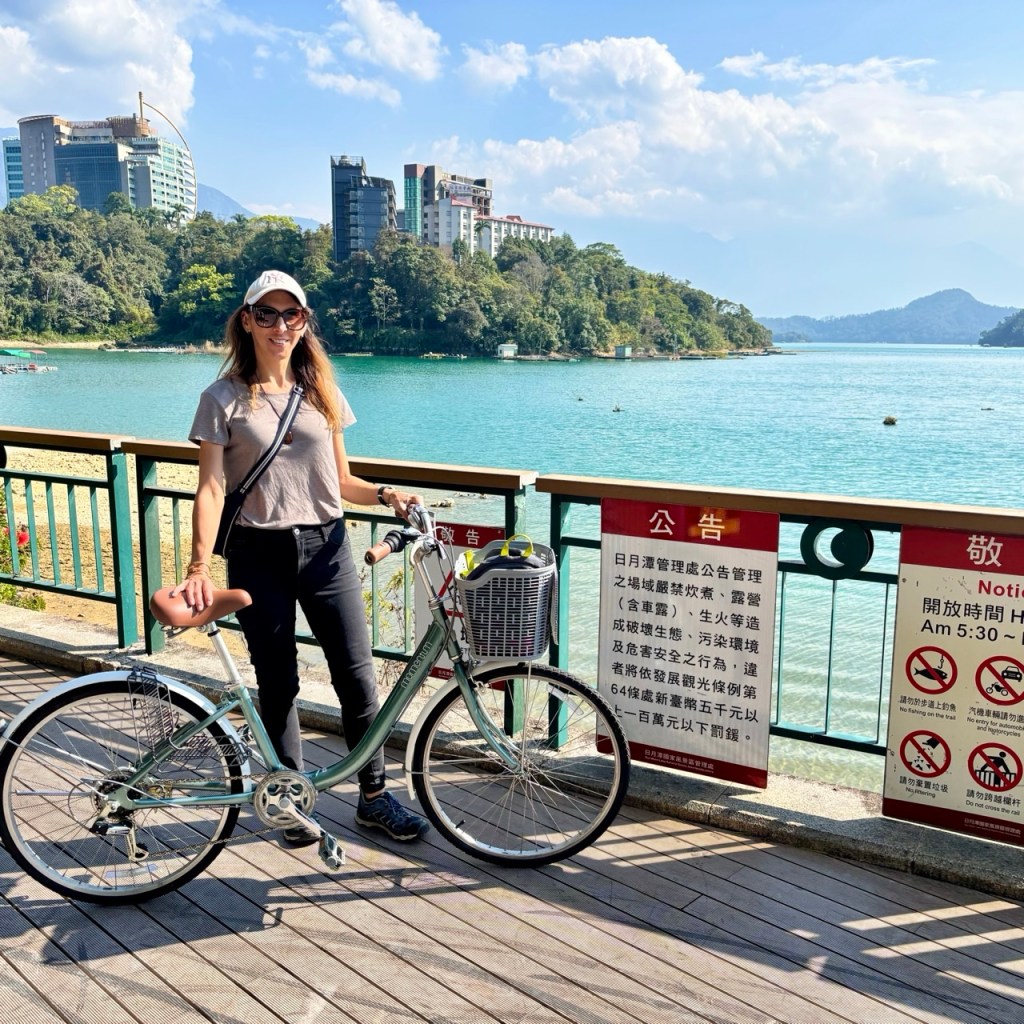
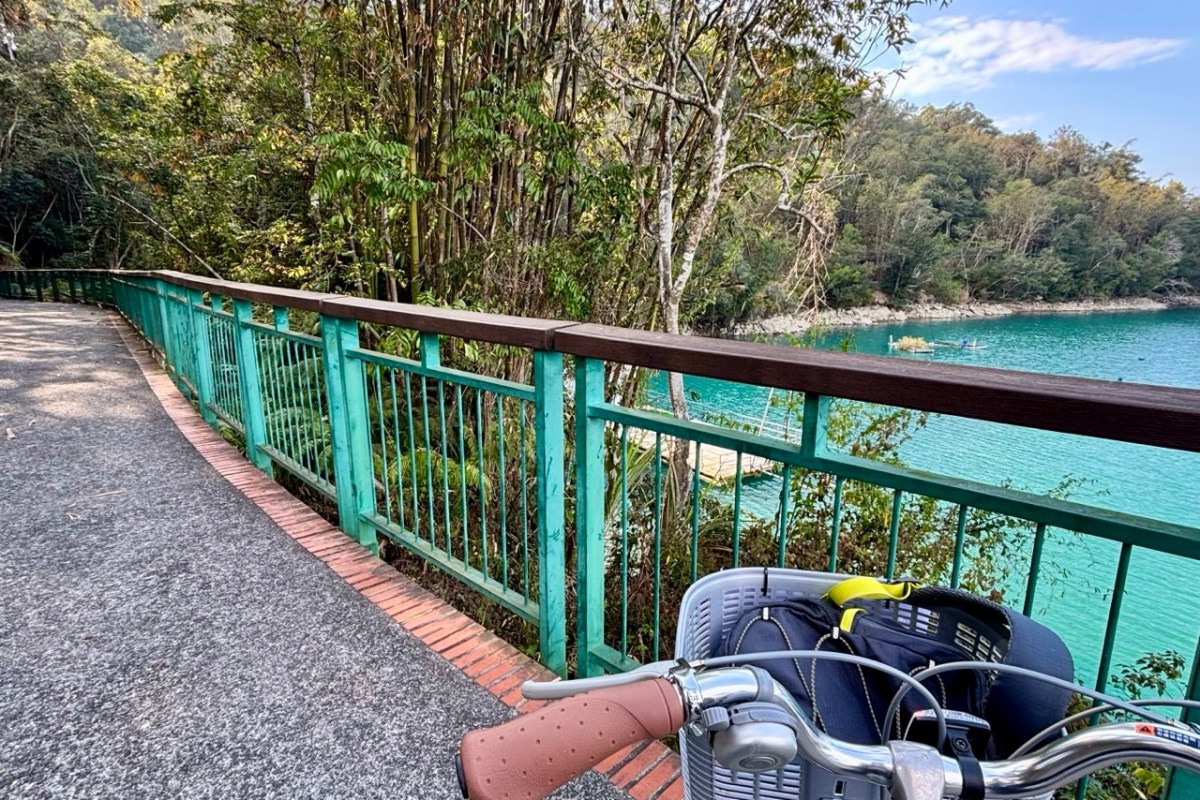
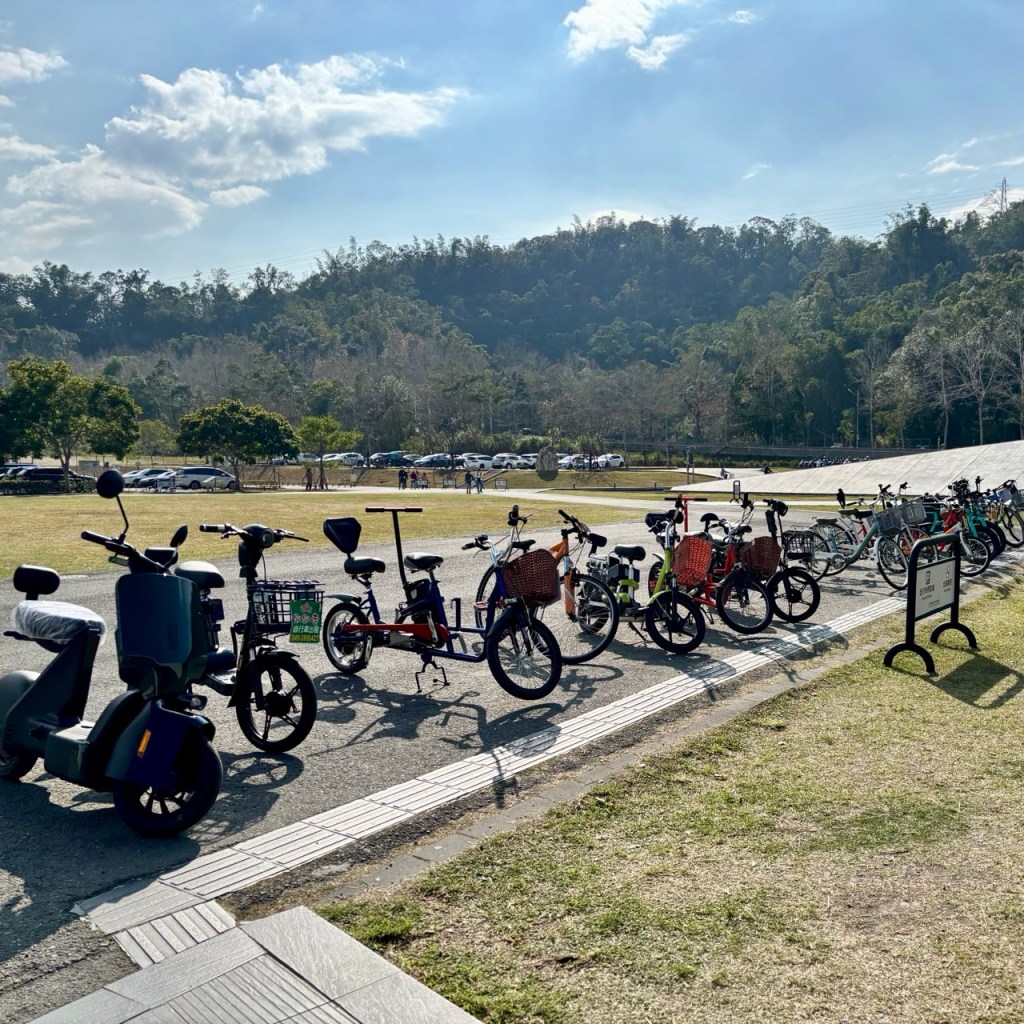
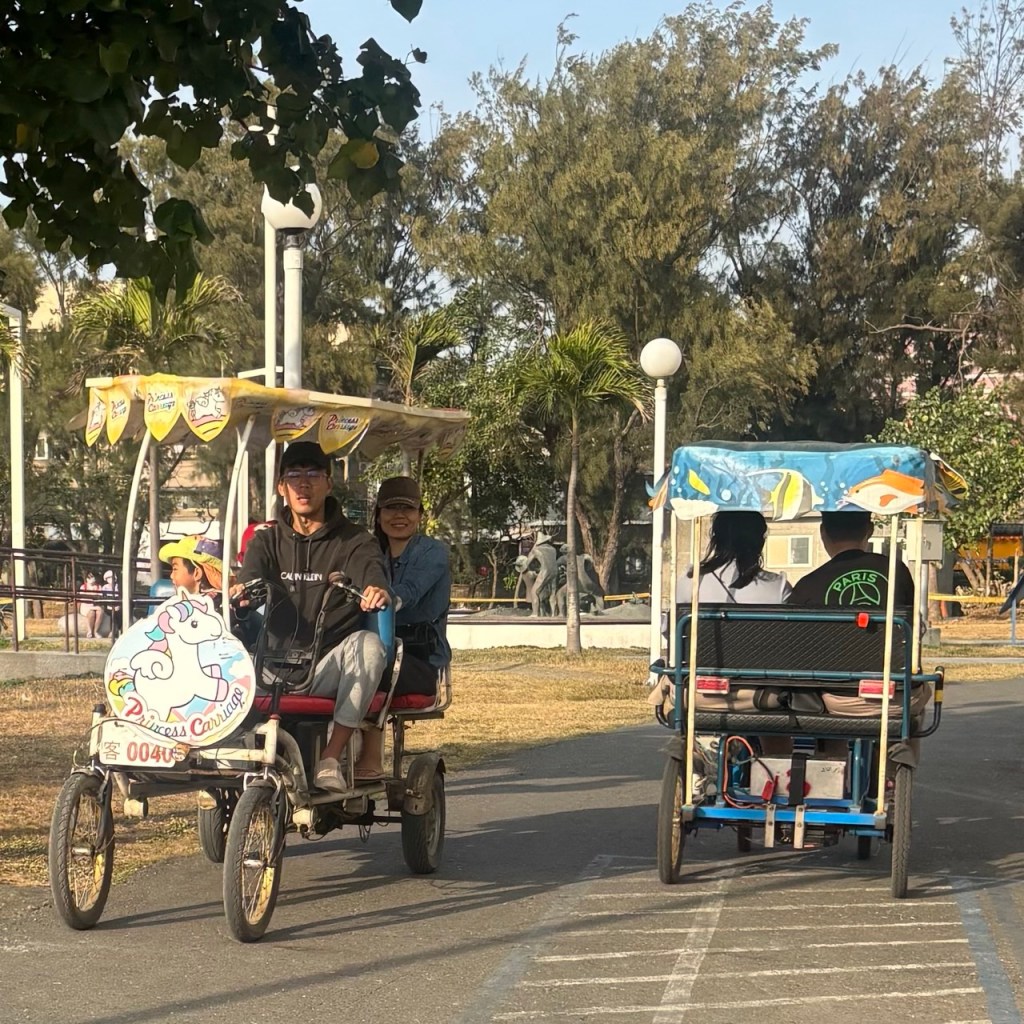
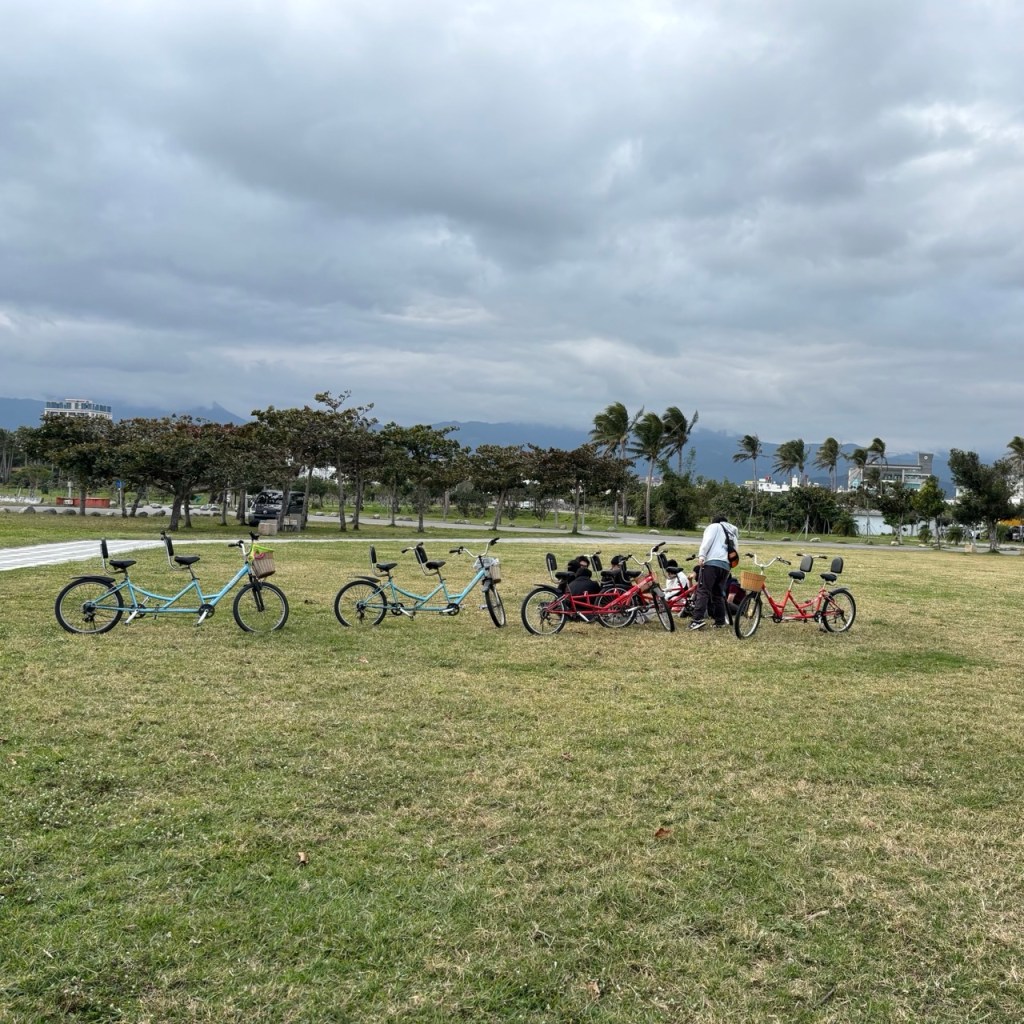
There are bicylce rental places all around the place and it’s easy to negotiate a half day for a really nice bike. I really enjoyed seeing all the other solo travellers whizzing past on their bikes – you can’t really get lost, although I managed to go the wrong way through the town. I had been a bit nervous about cycling with traffic but this soon goes away!
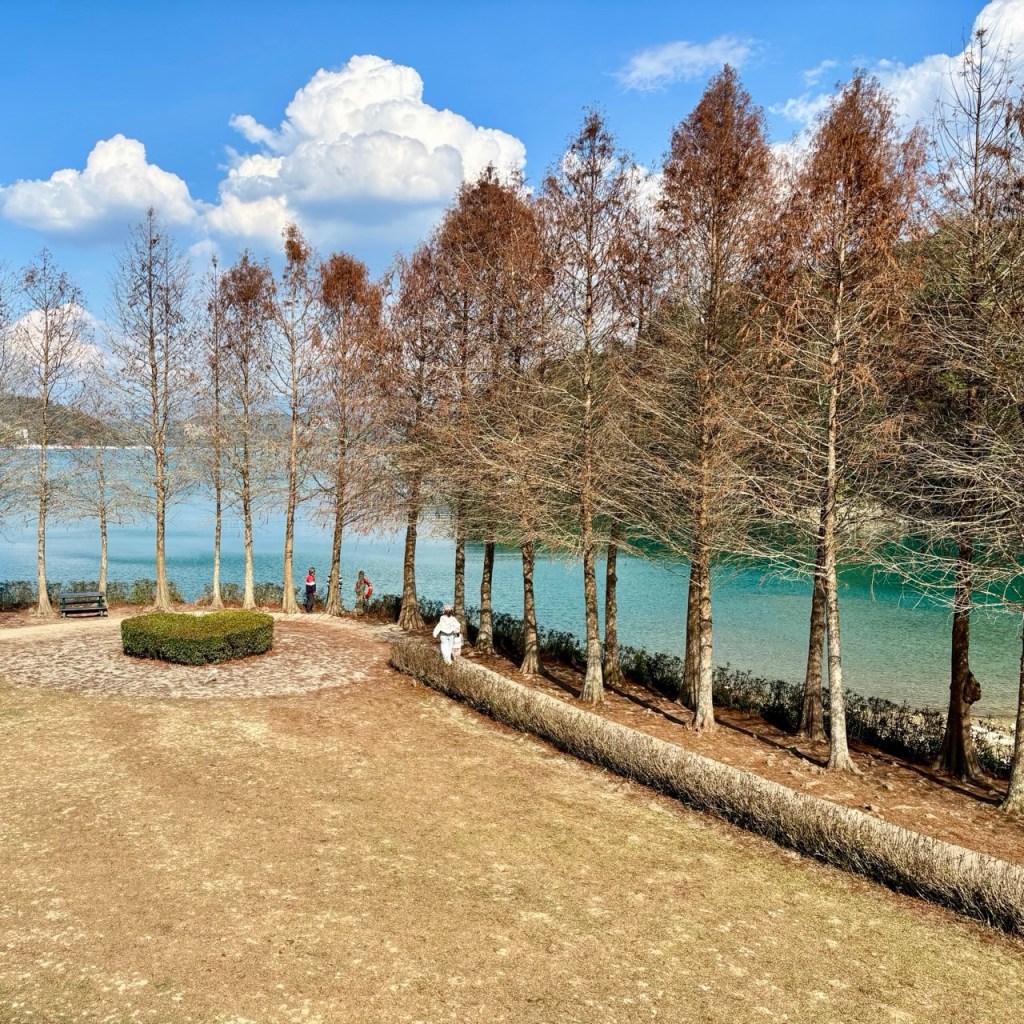
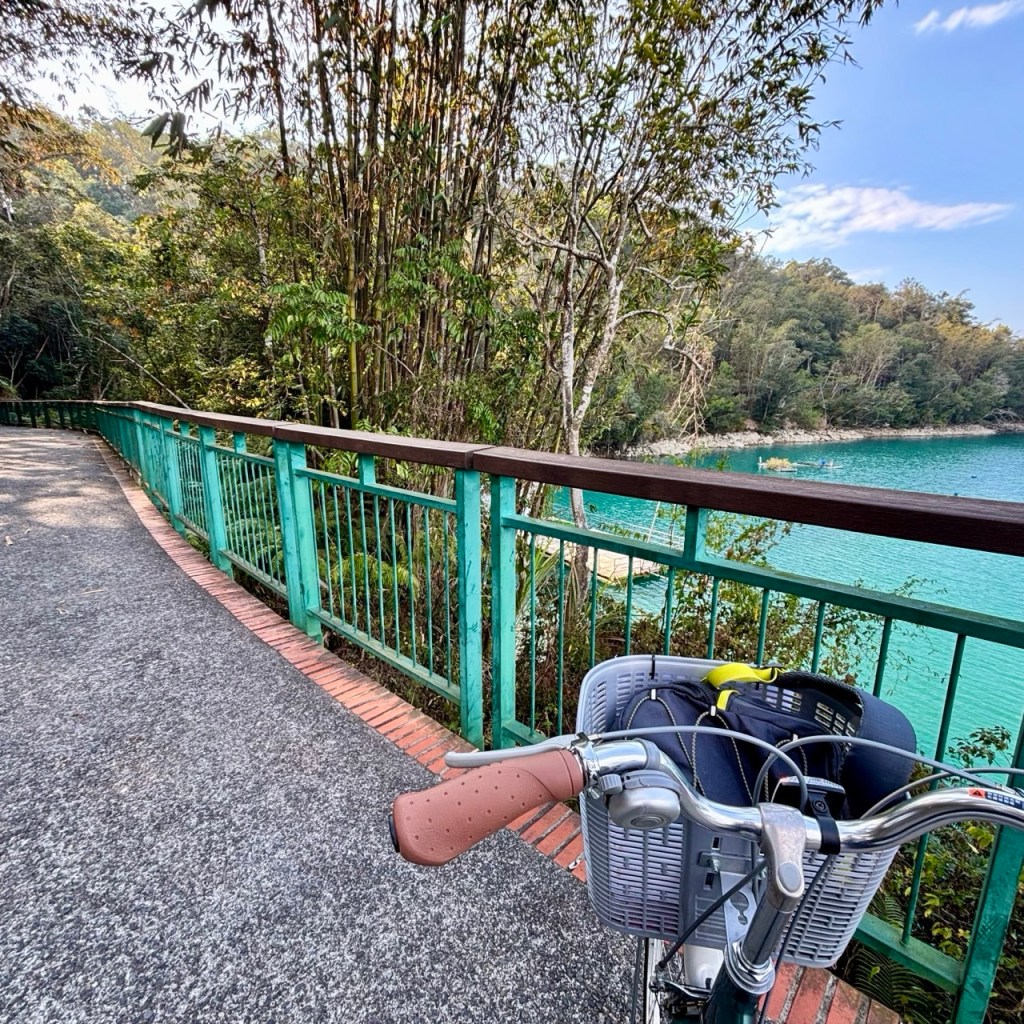
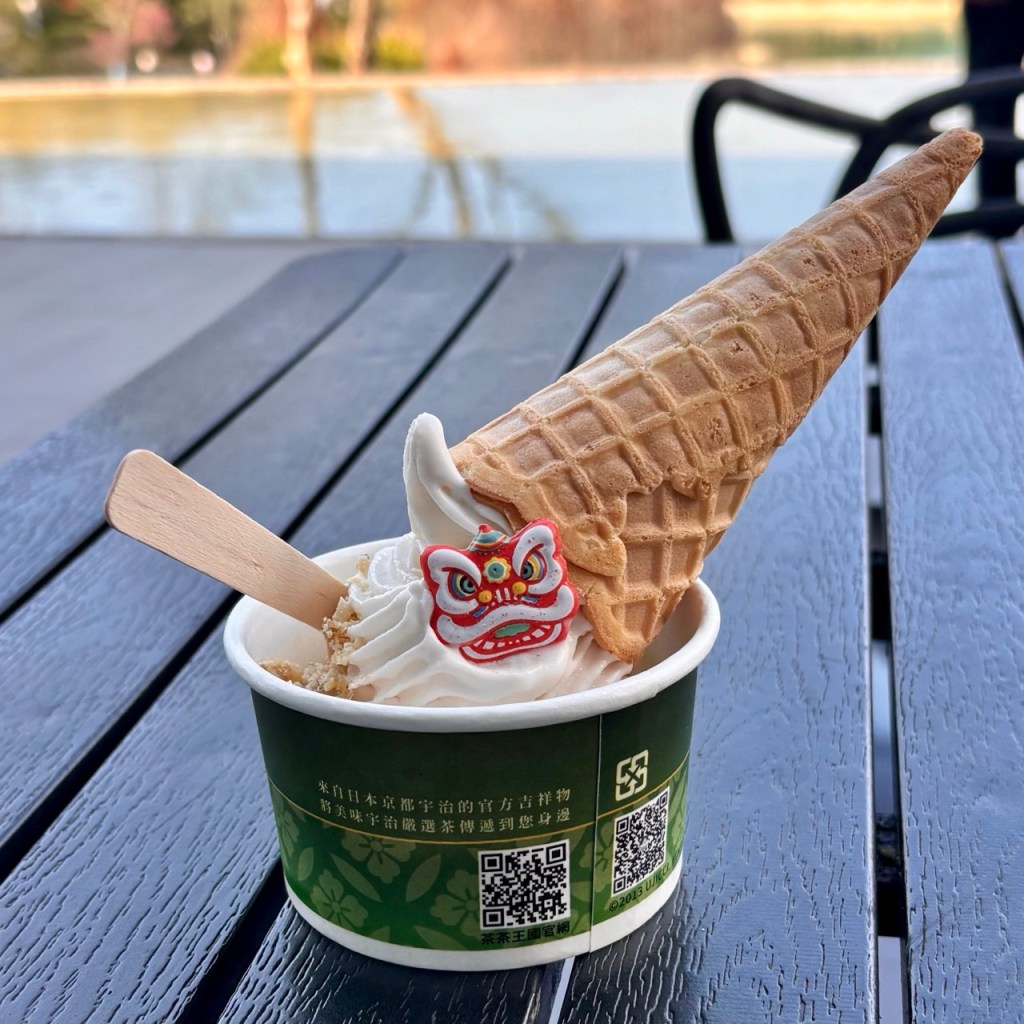
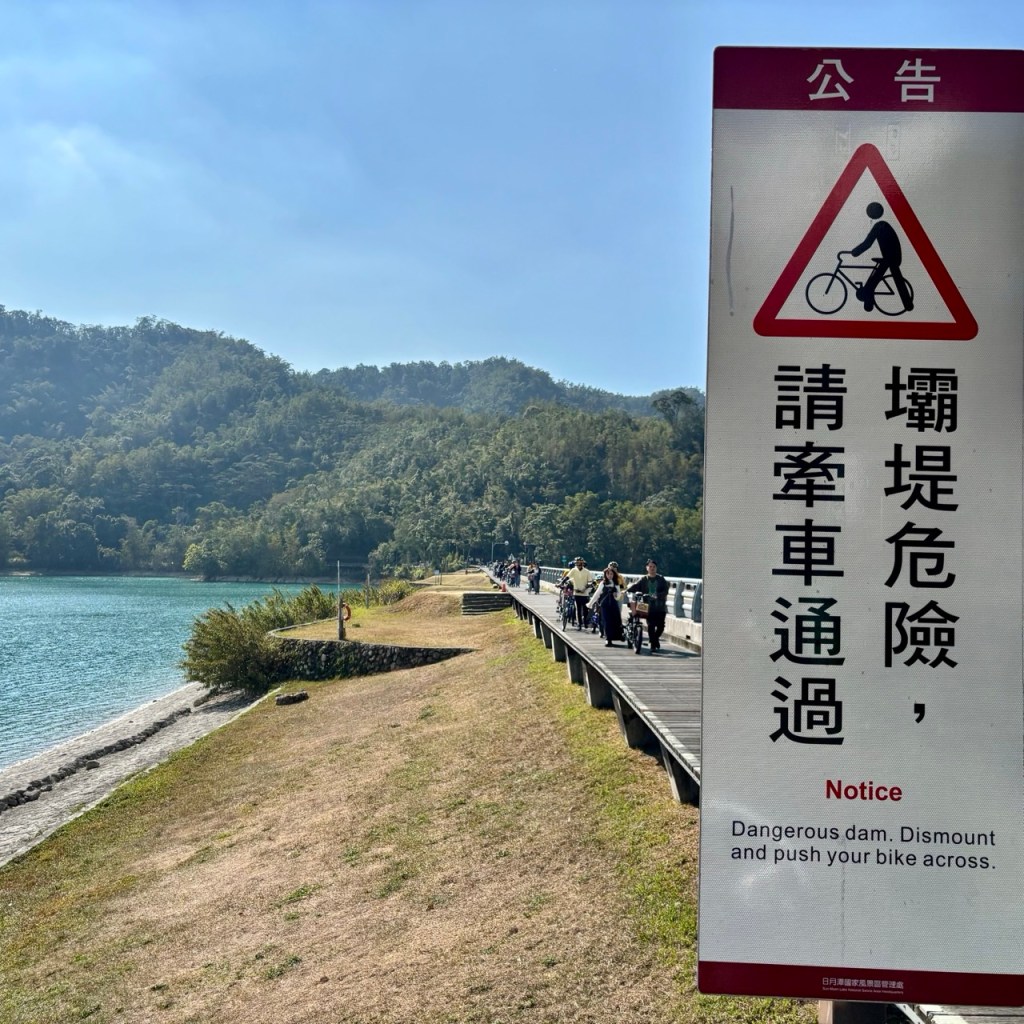
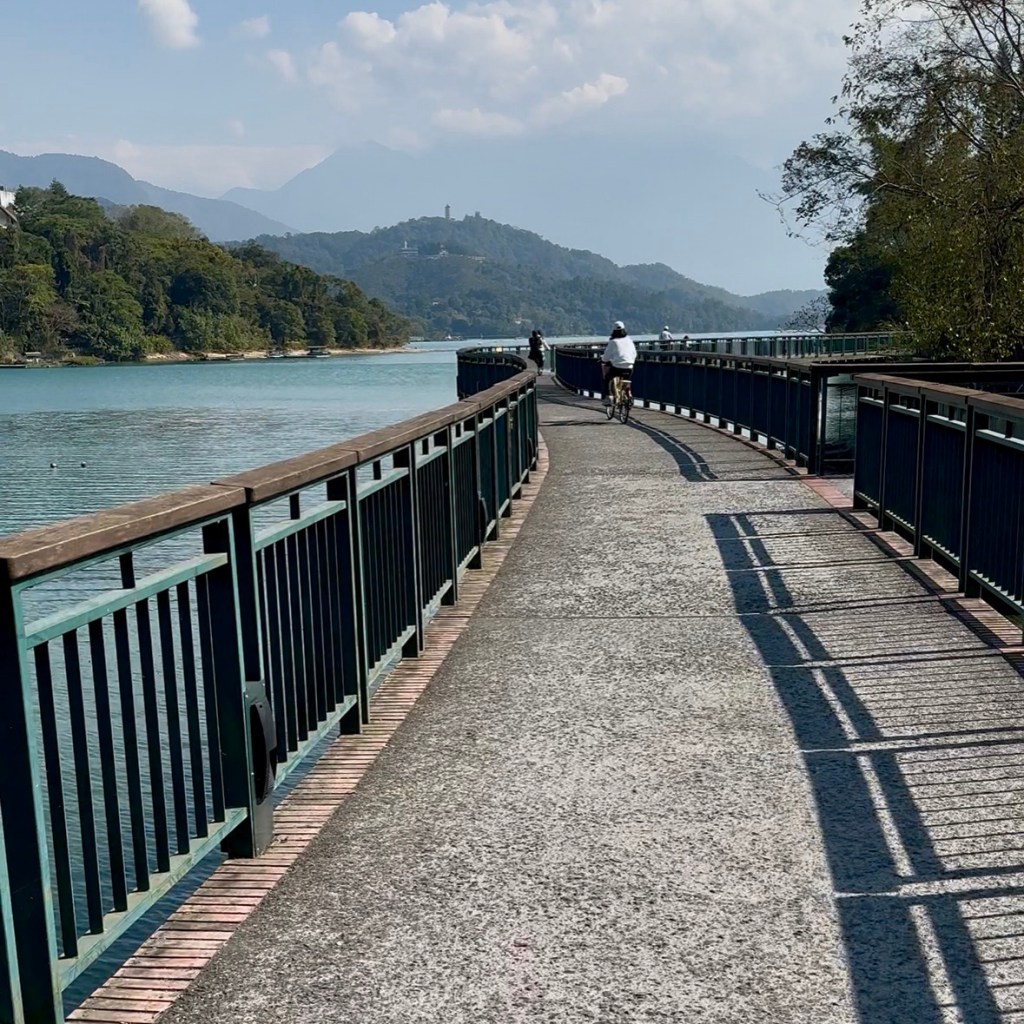
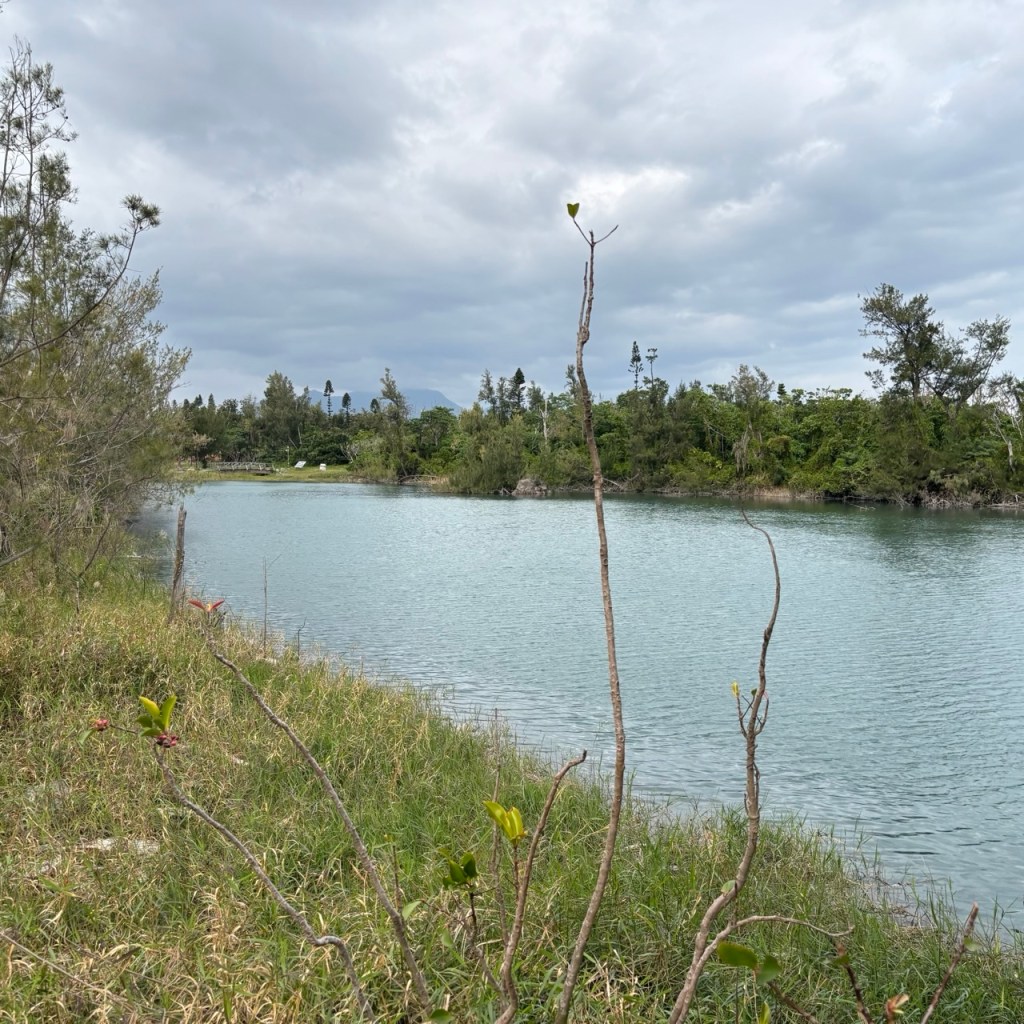
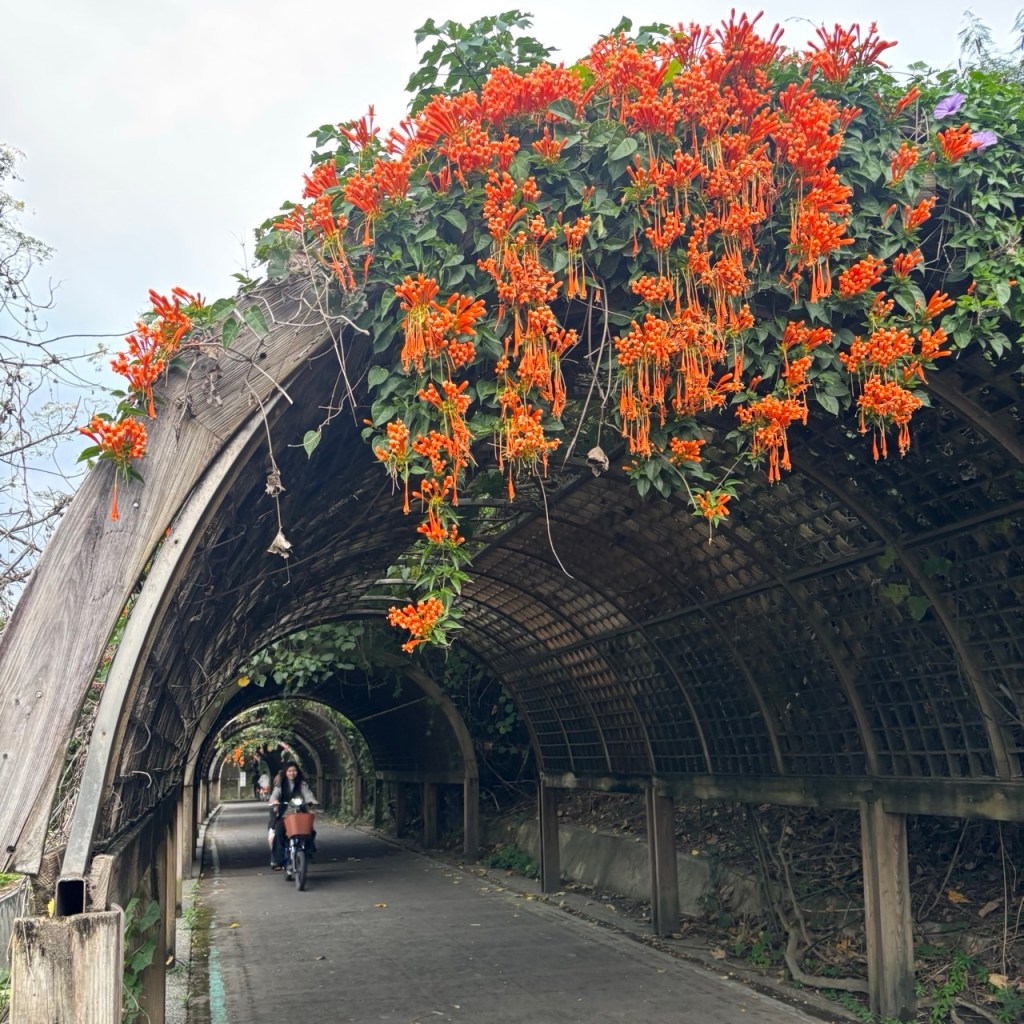
The scenery is really lovely, especially as there’s a dedicated cycle path for most of it over wooden pathways, through some shaded areas but never far from the blue water. It passes the huge Xiangshan “recreation area” with its modern architecture and oat milk ice cream for a little break. There is no need to lock your bike here, in fact you don’t even get a lock with the bike. It’s amazing to just park up, leave the bike (I also left my hoodie just so I’d recognise the bike again), go for a wander and not worry about it being there when you get back.
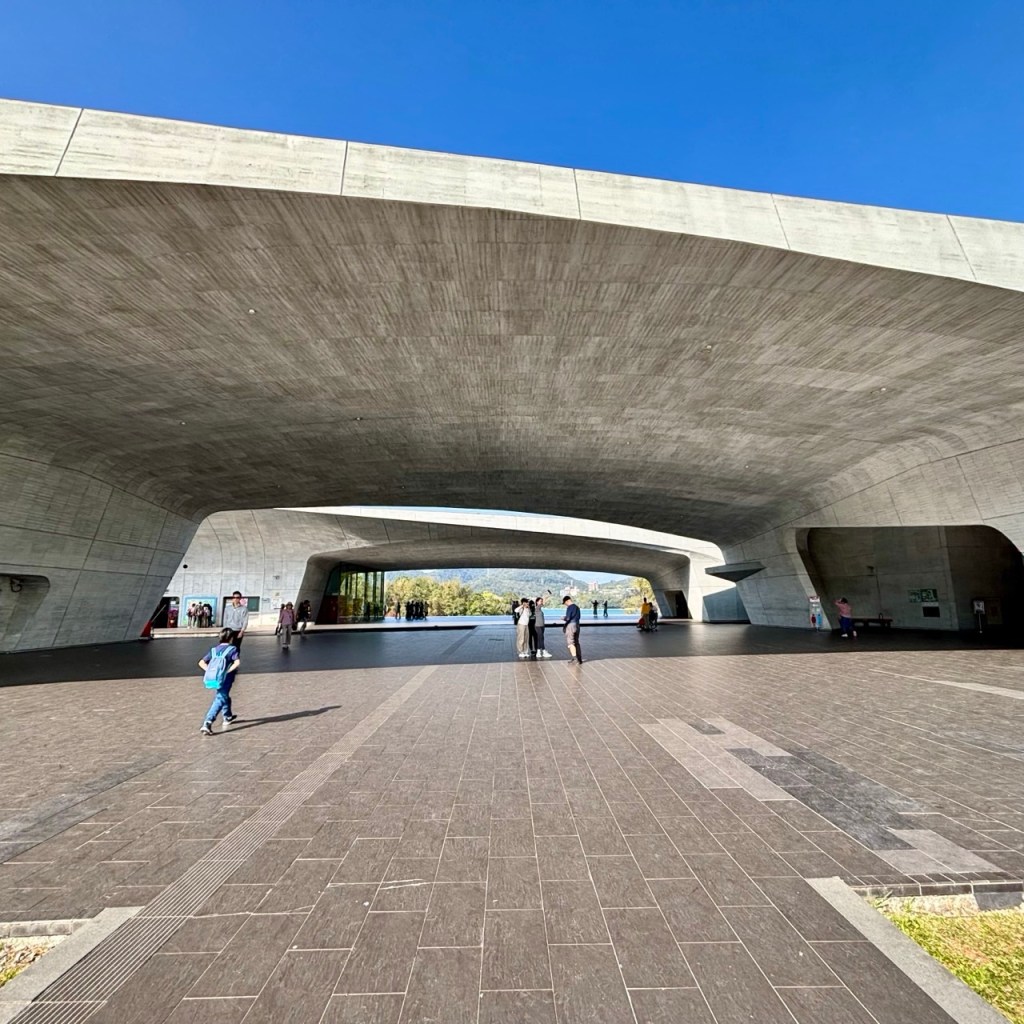
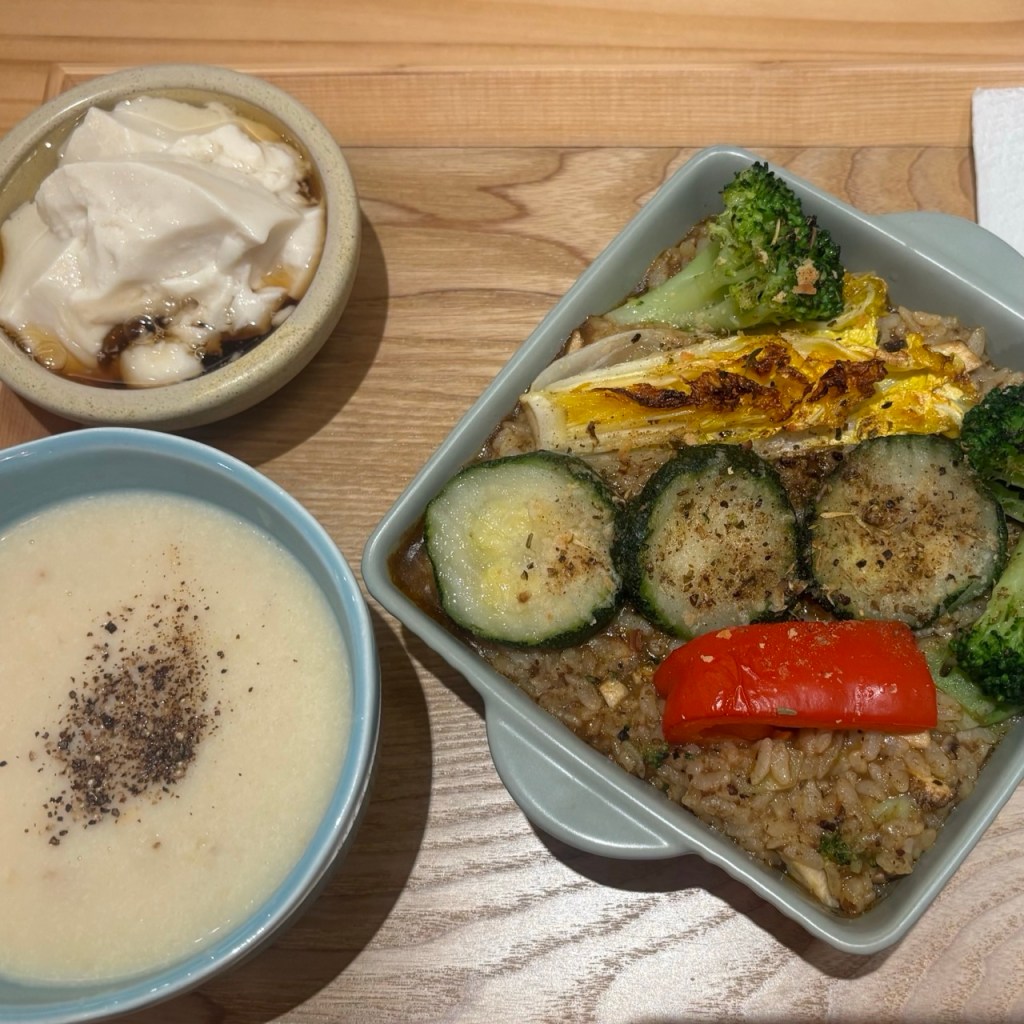
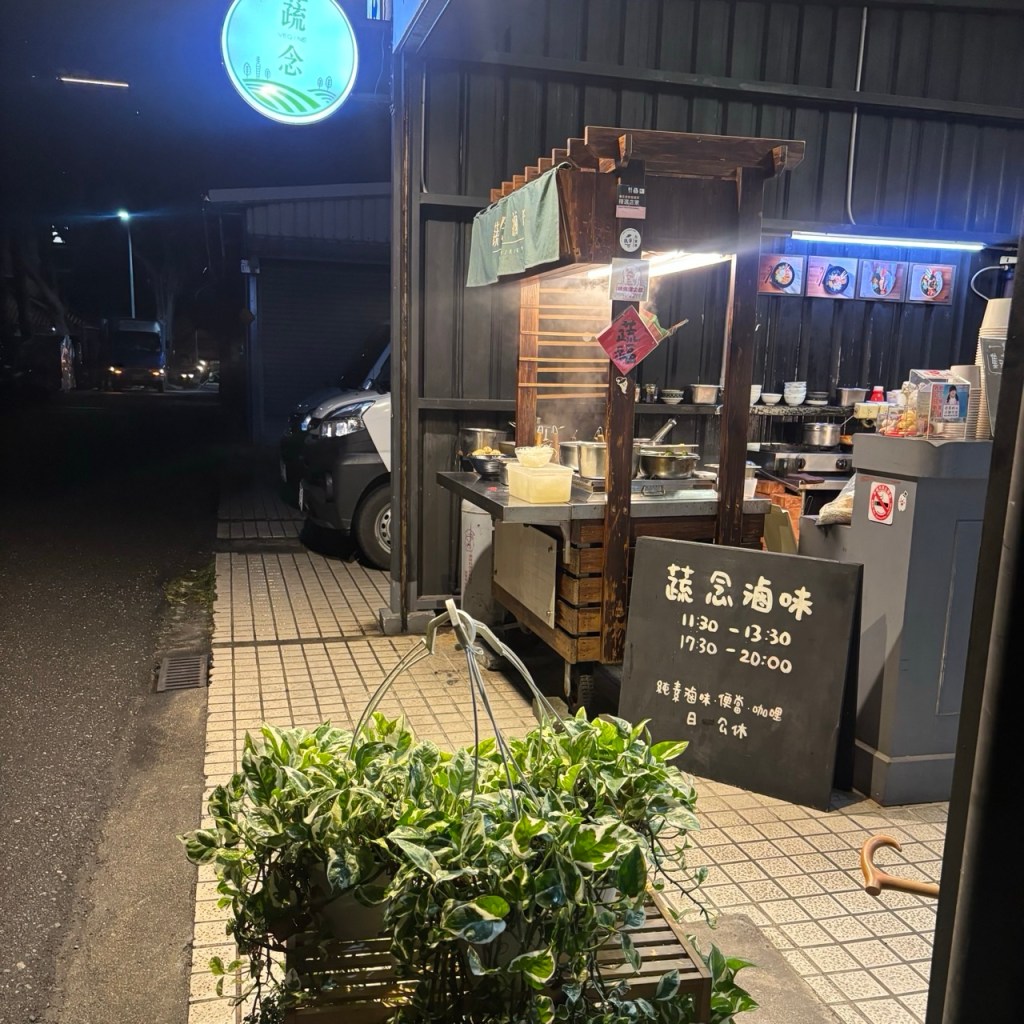
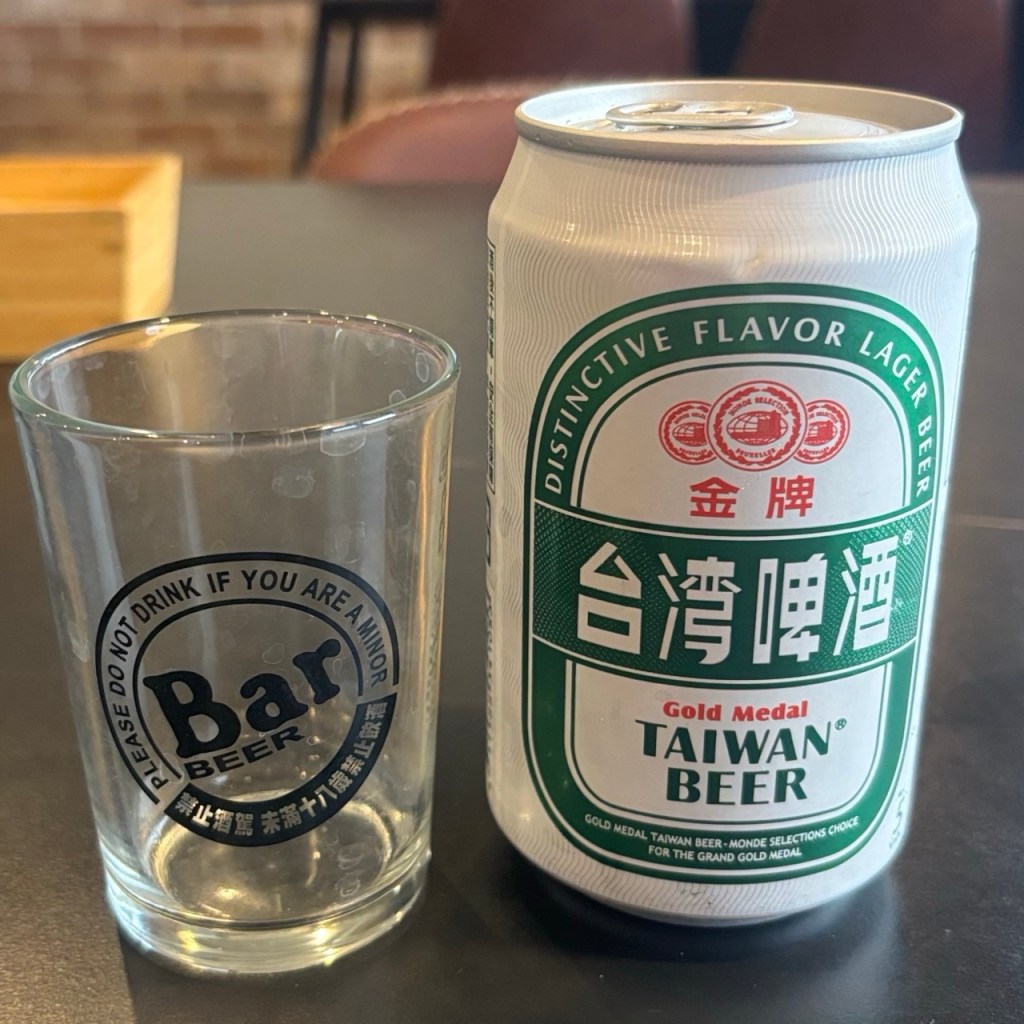
The Xiangshang section of the route’s claim to fame is that it’s listed as one of the “Top 10 Most Beautiful Bicycle Trails in the World” (not sure what the source is for that). This section connects the Shuishe Dam to Visitor Centre, a highlight being the 400m “Waterfront Bikeway” that is elevated above the lake. I probably could have carried on all the way around the full 20 mile loop but I only had the bike for a half a day so got the ferry back across in time for a sunset beer on the roof terrace, some takeaway tofu soup and an evening stroll.
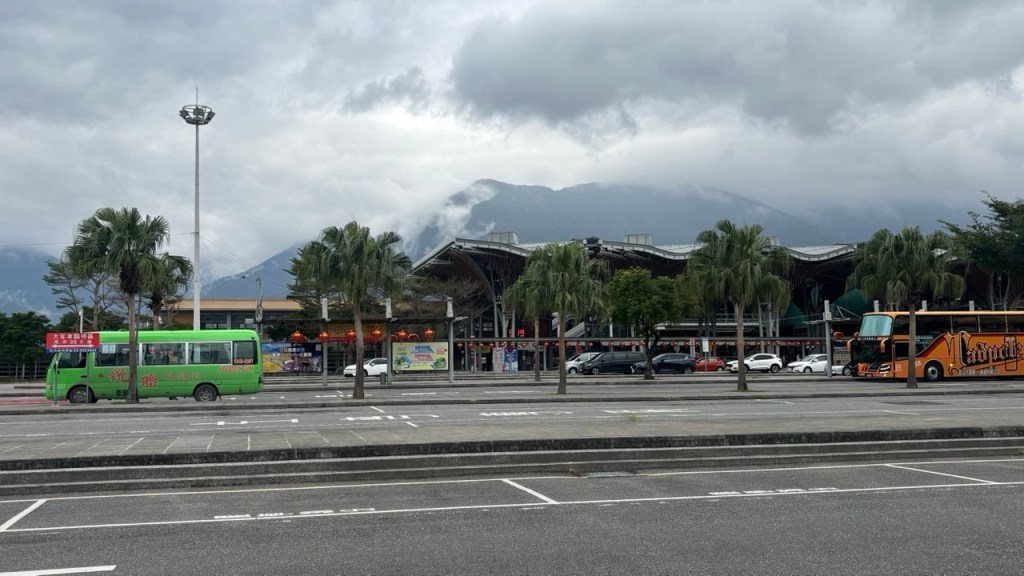
If I came back to Sun Moon Lake I would stay longer as it’s a nice place to chill for a bit, and there are more temples to visit. But I’d booked my next leg of travel in order to get to Taipei for my flight to Hong Kong for Chinese New Year. The next morning after breakfast at a little stall that sold toast and peanut butter for less than £1 and who gave me a free cup of homemade sweet soya milk to try, I got the bus back around to the transport centre to board my pre-booked bus straight to the Western city of Taichung, to spend the afternoon there before a pre-booked bullet train to the capital.
It was Friday 13th and three things went wrong. Firstly after a smooth bus ride there, where by chance I was sitting behind the same Chinese woman and her mum who I had shared a taxi with on arrival (we said hello and waved goodbye), I was halfway to stashing my bag at Taichung train station when I realised I didn’t have my coat. I needed my coat for Hong Kong and for when I got home and it’s the most expensive item I had with me. I practically ran to the tourist information office at the train station who advised me to go in person to the bus depot, but not to worry they had a lost property. This is Taiwan after all, where people leave their laptops on cafe tables while they go to the bathroom. Sure enough after putting my bags in a locker, I explained the situation at the bus depot with the help of Google translate (at first they thought I had missed my bus), they phoned the driver and happily told me “the driver has seen your jacket”. I waited ten mins until he dropped it off.
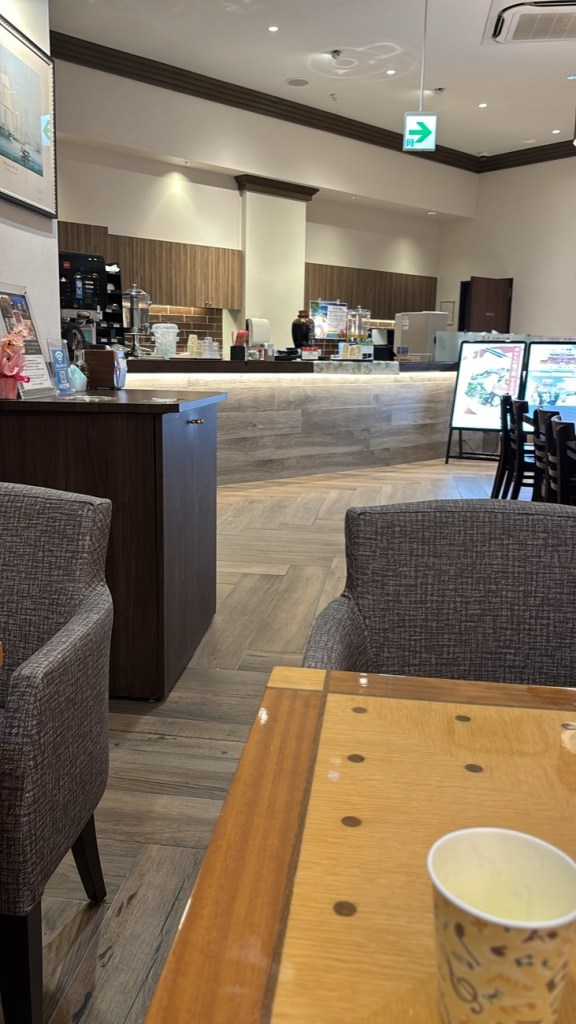
I didn’t have the energy to see anything of Taitung, it was hot and I was now carrying around a coat so I made the most of some downtime in a cafe. Back at the train station a few hours later, the second mishap occurred – I went to get my bags from the locker and it asked me to enter the passcode from the receipt. The receipt that I didn’t actually take when I closed the locker that morning. There was a rather strict sign stating that there was a fine for losing the code but again I explained the situation and a nice lady opened it up for me with no cost.
Thirdly, I was waiting on the platform that evening for my reserved train and thought it was a bit odd that the train was late – trains are never late here. Despite asking for directions earlier, I had somehow gone to the wrong platform and waited like an idiot for a train that had already departed from the other side. But the guard said no problem, if you miss your reserved train you can just get on the next one in the unreserved carriage. It was actually full this time with everyone going home for the New Year so I had to stand for part of the one hour journey, but I was so grateful to be on it I didn’t care.
Disasters averted, I arrived back in Taipei after a whirlwind 2 week trip around Taiwan and checked into a party hostel filled with 20 somethings on their first backpacking trip …







 Maz On The Road