
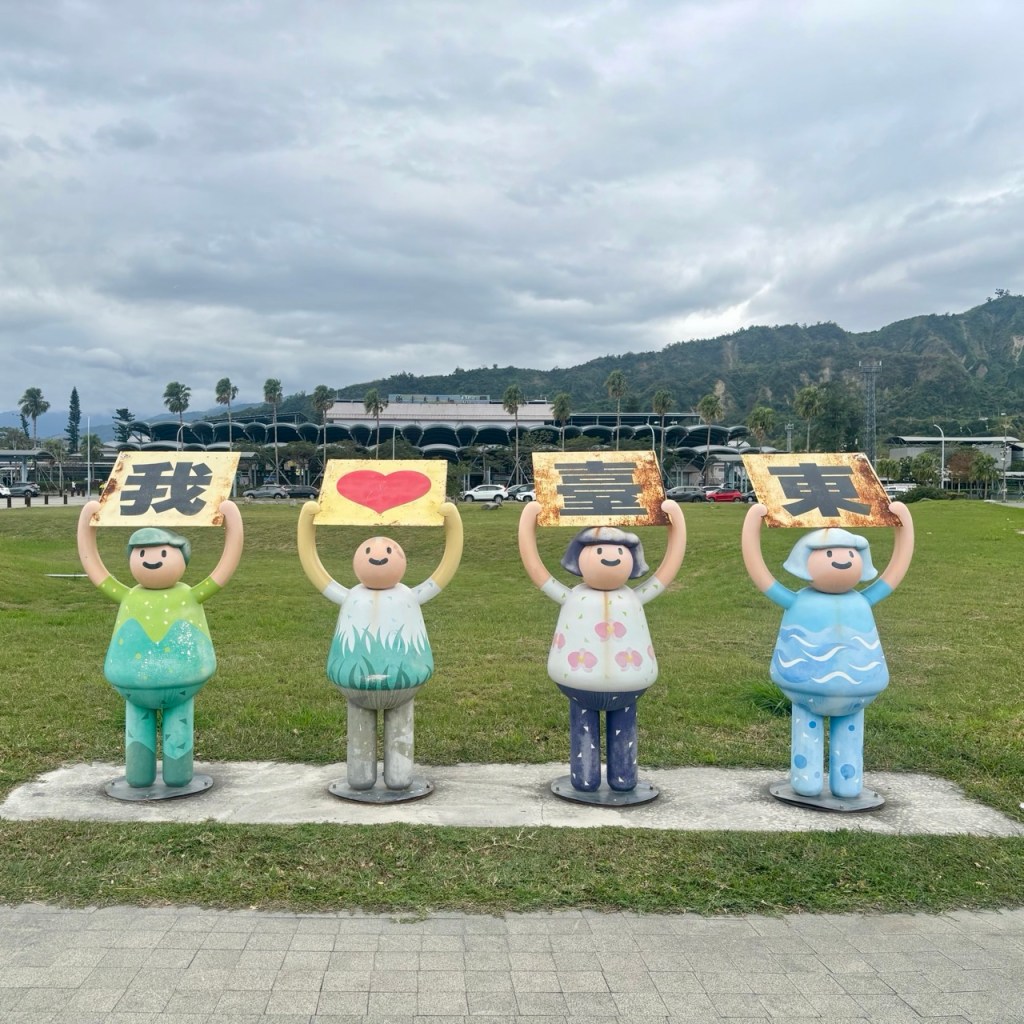
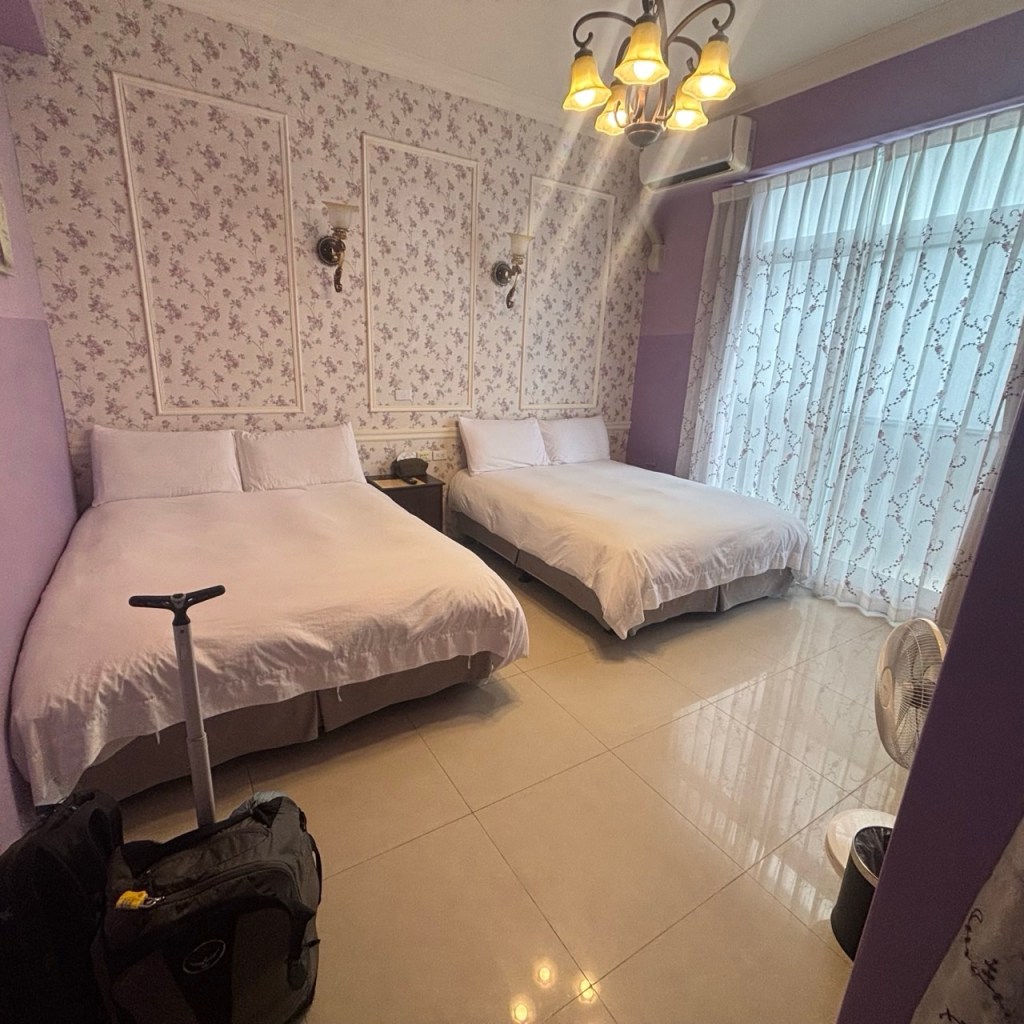
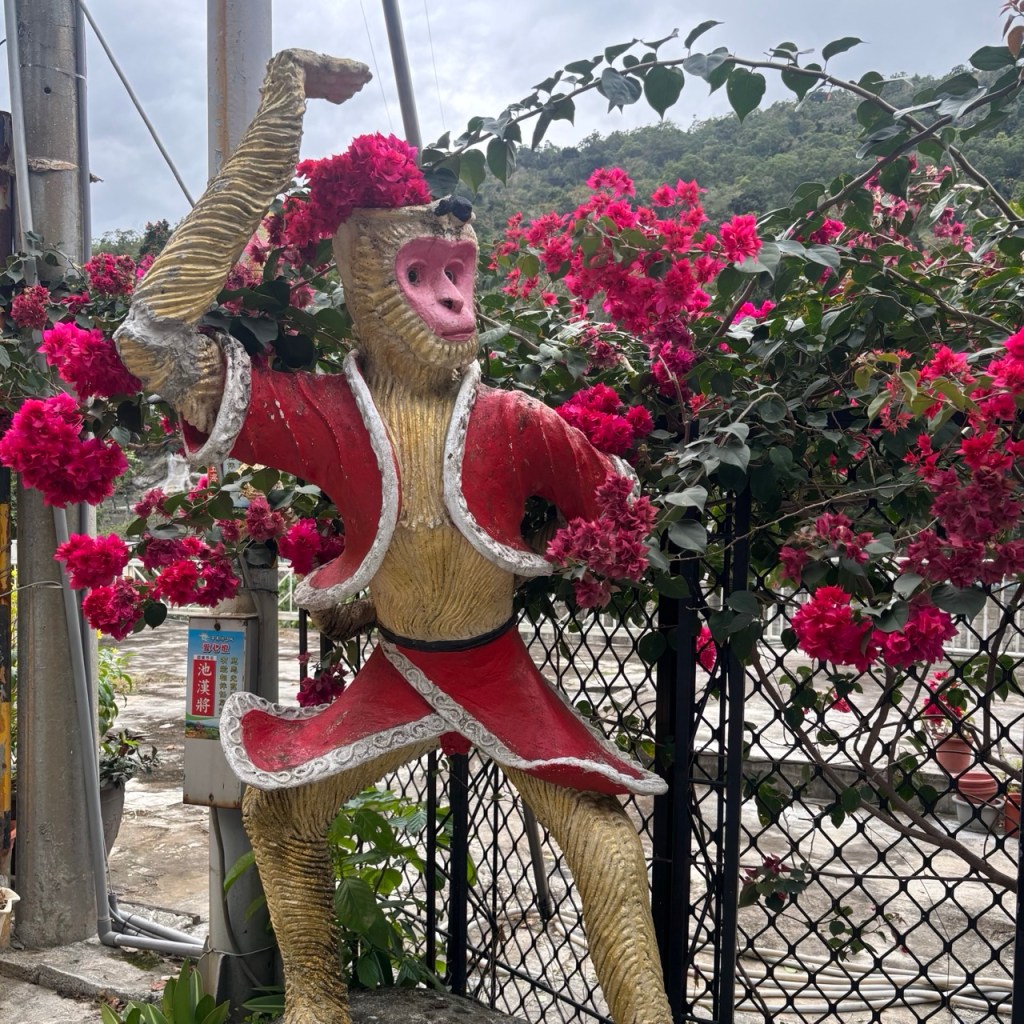
Taitung was an addition to the itinerary after reading about a national park where you could hike with monkeys and soak in hot springs. I liked Taitung as soon as I got off the train. The sun was shining and there were cute figurines in the garden around the train station. I treated myself to my own room in the lovely Giraffe B&B for £20 a night including breakfast. This got me a beautiful room with two beds, shiny white bathroom and a TV set to BBC news. The housekeeper let me in and asked via Google translate what time I wanted breakfast. It’s located along with the other more budget options close to the train station and regular buses run the 15 minutes to the downtown area.
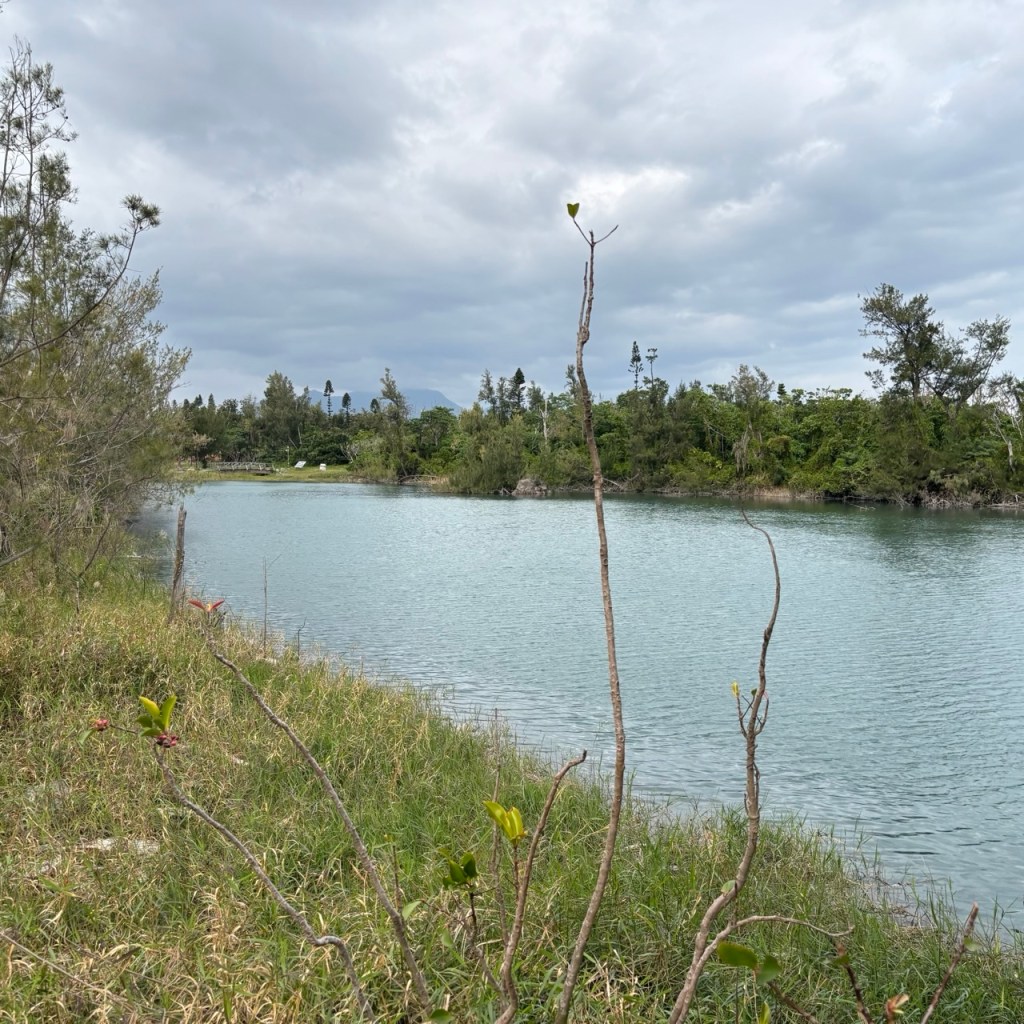
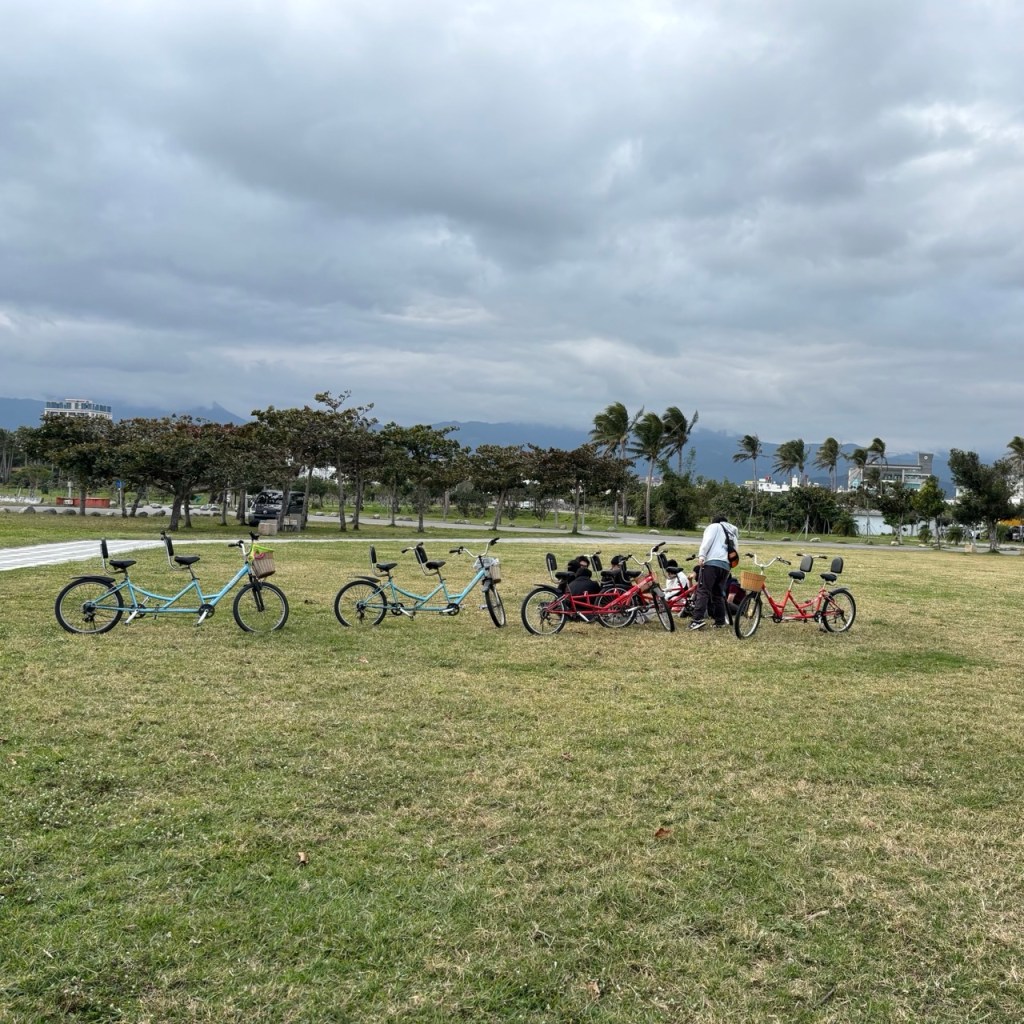
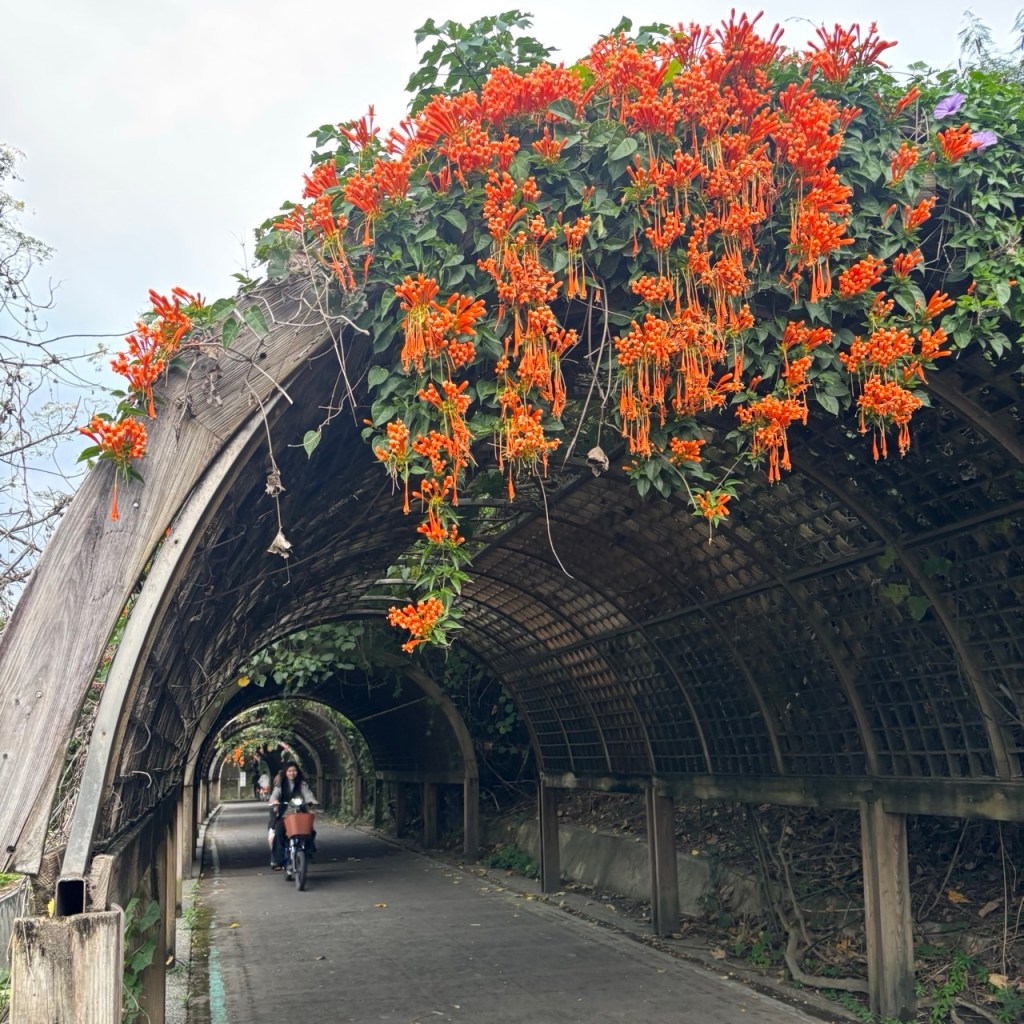
Taitung has a lot to offer – I could easily have spent more than the couple of days I had. Close to the downtown area there is a big coastal park where walking and cycling paths connect the beach with the city. Follow the paths further and you reach the massive forest reserve with its lakes and bird watching. It’s a popular cycling route and renting a bike would be really nice. The indigenous culture is also much more visible here – more on that later.
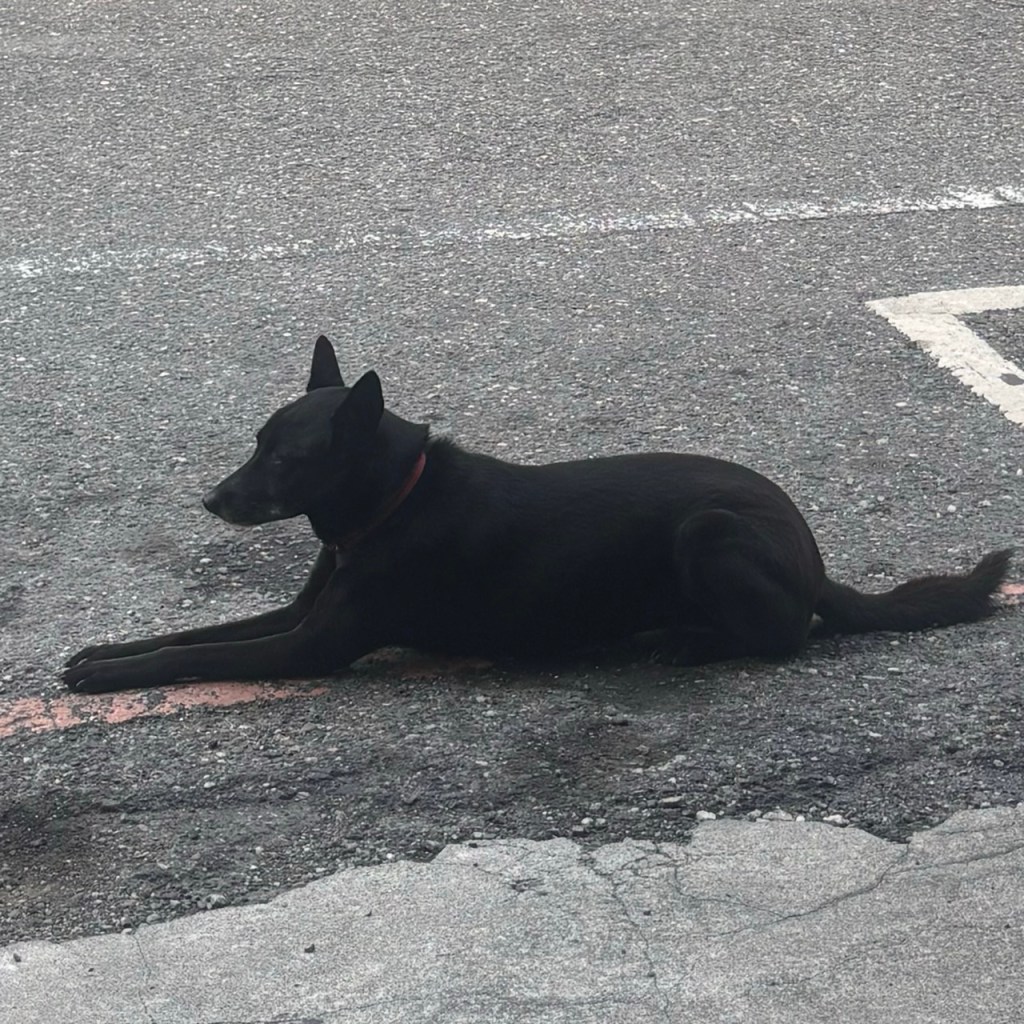
To get to the downtown area there are regular buses that take about 20-30 minutes as they literally go all around the houses. Taitung just has a really nice vibe to it. Even the dogs are chilled out. They appear to be street dogs as they are freely wandering around town but they have collars and look cared for.
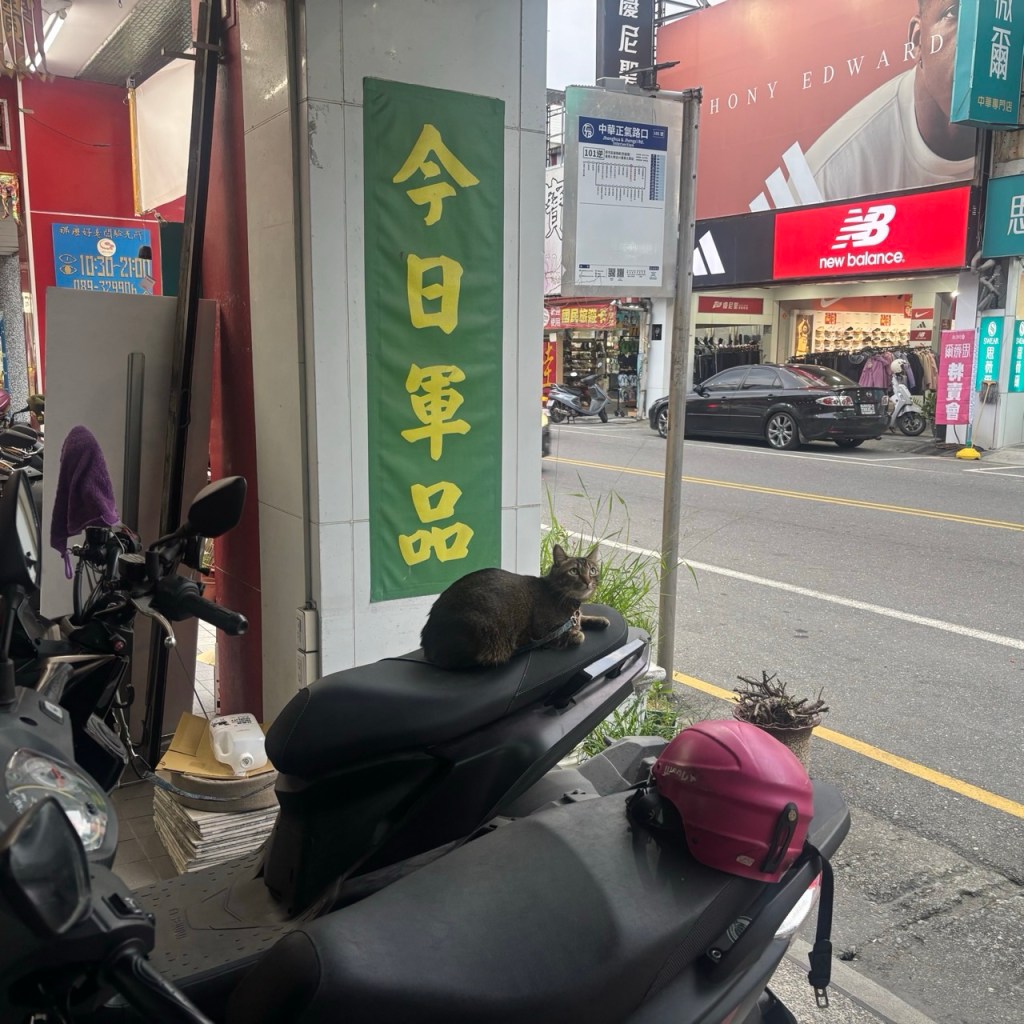
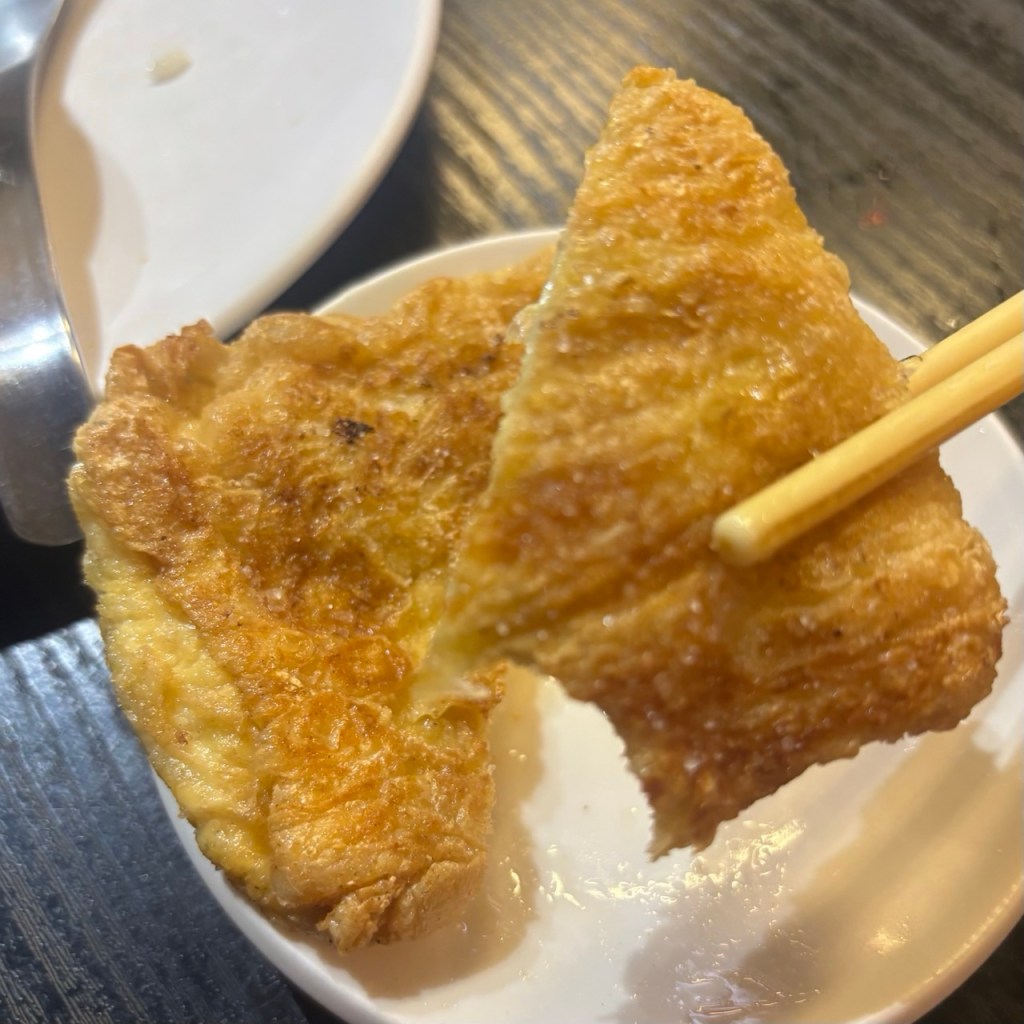
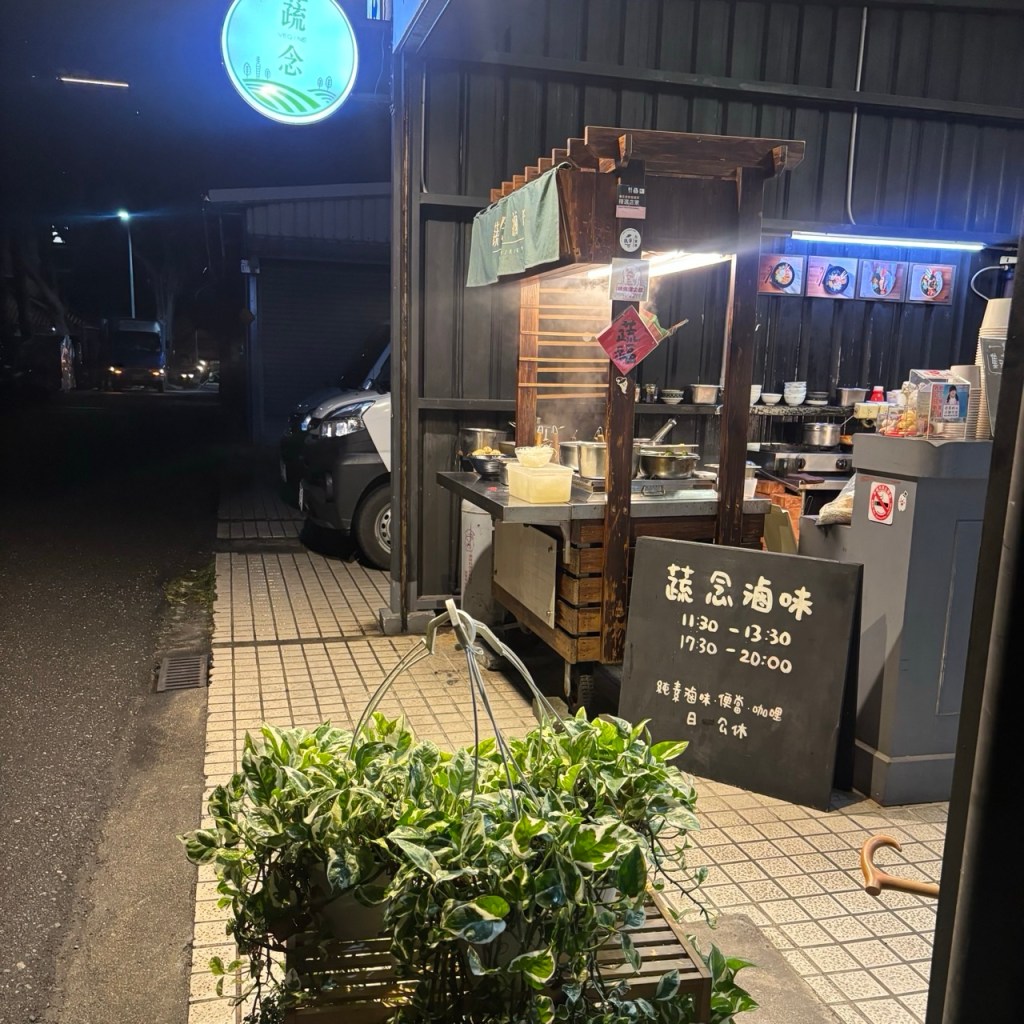
I found a lovely little vegan food stall called Vegine with a limited number of seats where the owner cooks whatever vegetables and noodles you select from the shop and like at many of the stalls, her children took a break from playing to help bring the food to customers. It was so good I went back twice and ordered two lots of the fried tofu. I’d go back again just for that.
I was about to get the bus back to the B&B when I heard music and discovered a low key night market with a local band playing songs I hadn’t heard before mixed in with some Bon Jovi covers and people from the nearby islands selling local food, crafts and jewellery. Scones filled with hot brown sugar seemed to be the thing. I had wanted to visit the two islands, Green Island and Lanyu (Orchid) Island to learn more about their indigenous culture, but local advice was that it’s too windy in winter and regular boats aren’t running.
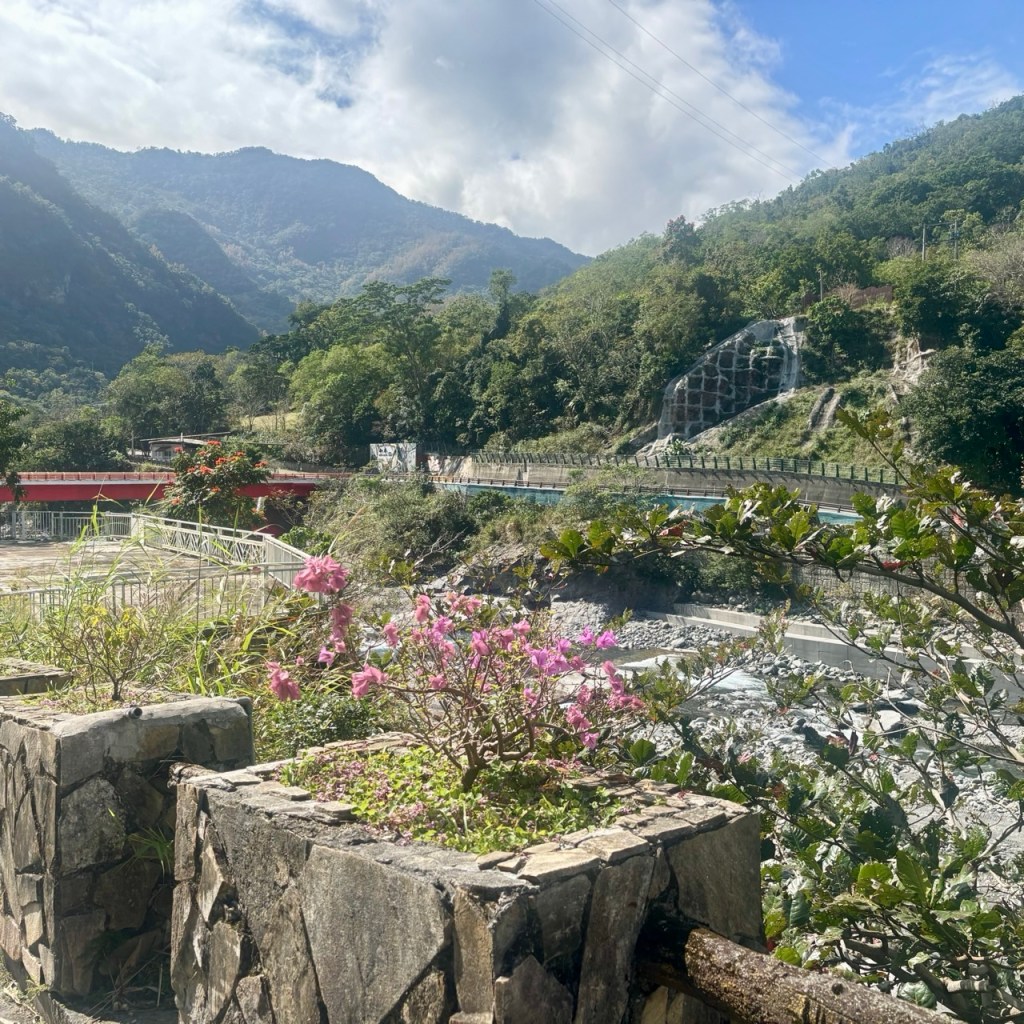
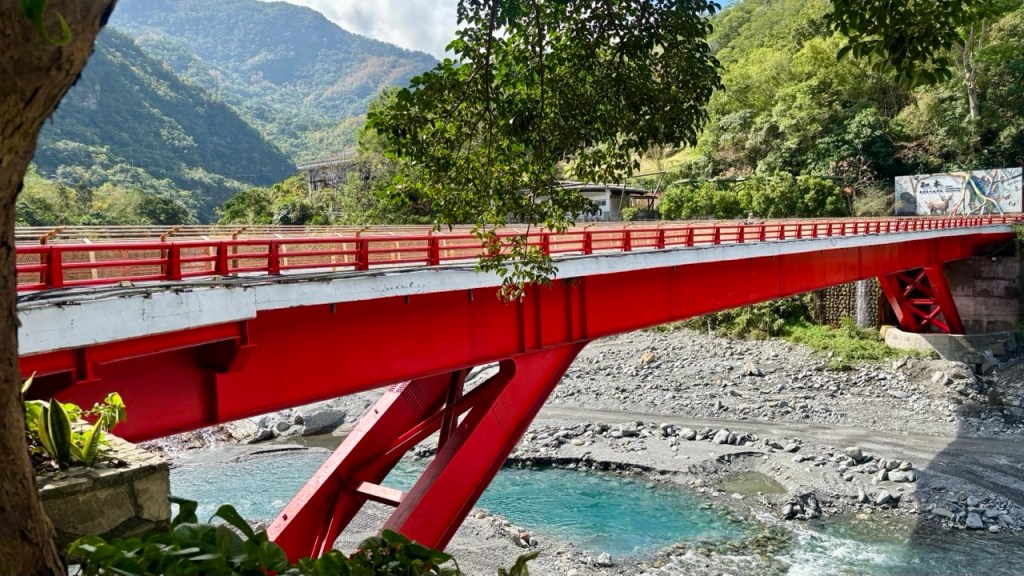
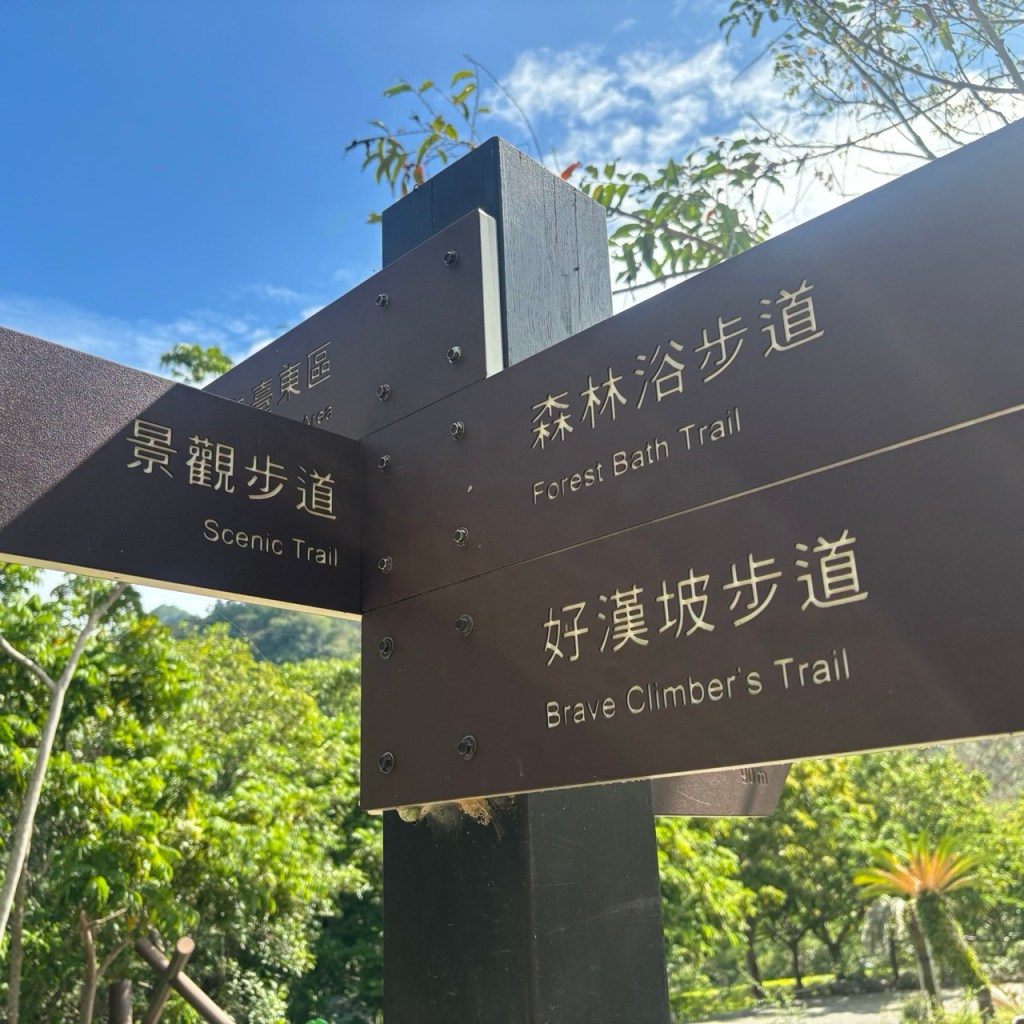
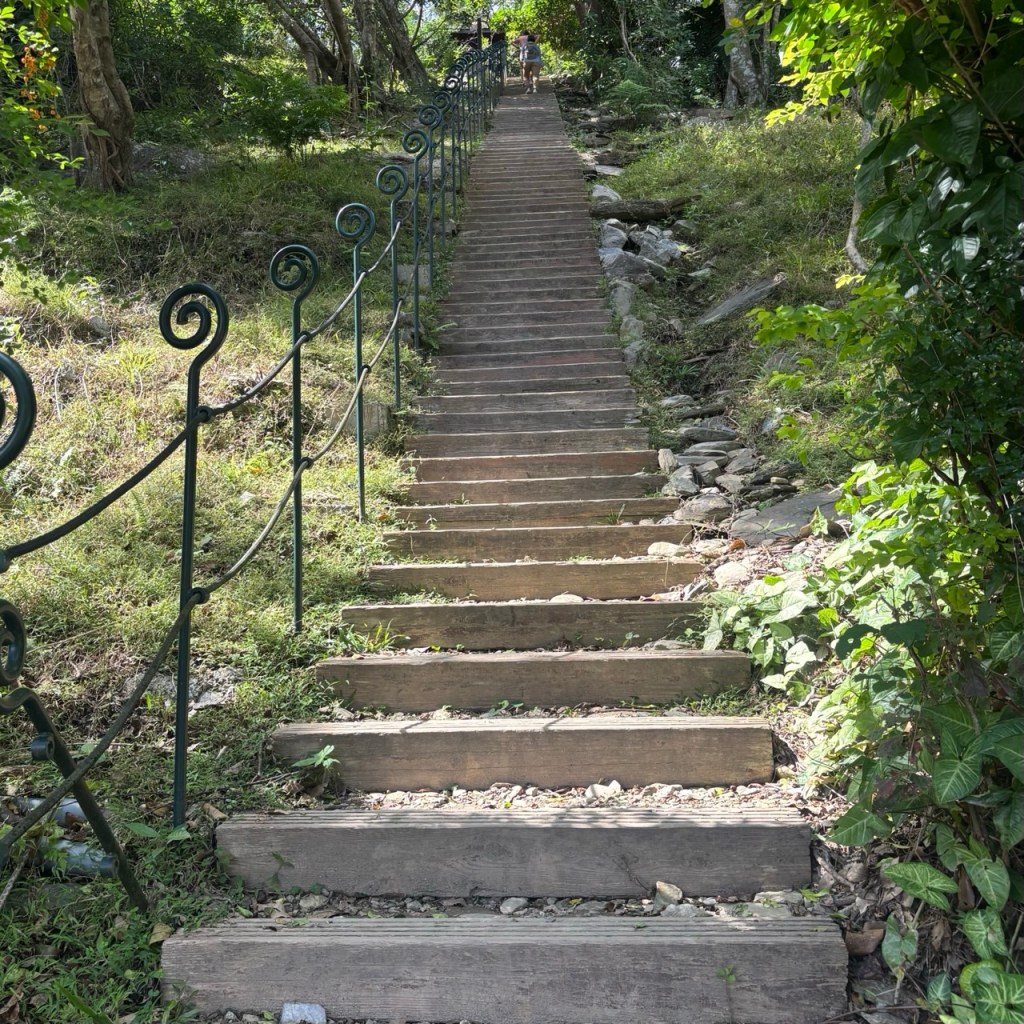
The next day I went down to breakfast at the pre-arranged time to find the housekeeper had already put out a plate of food including a chunk of meat and a salad, neither of which I wanted to eat. I explained I only needed the bread and fruit and set off on a day trip via local bus to the Jhihben Forest Reserve. I hoped to stop at the hot springs in the area on the way back. As was becoming usual, I was the only westerner around, with just a few passengers on the bus but the journey was easy enough. After paying the small entry fee you get given a map with a few aptly named options for hiking, like the ‘Brave Climber’s Trail’ and a key that indicates level of experience and effort required. I went for the ‘Forest Bath’ and ‘Scenic Trail’.
Hiking in Taiwan is amazing because you get the trails almost to yourself but there are enough friendly families around and it’s well organised so it’s very safe. Aside from all of the ‘beware snakes and wasps’ signage. Everyone I passed said ‘Welcome to Taiwan’ – a big reason that travelling in Taiwan in general is so great because it’s not overrun with other visitors, there are no tourist prices and nobody rips you Local people are interested to have a chat and go out of their way to help.
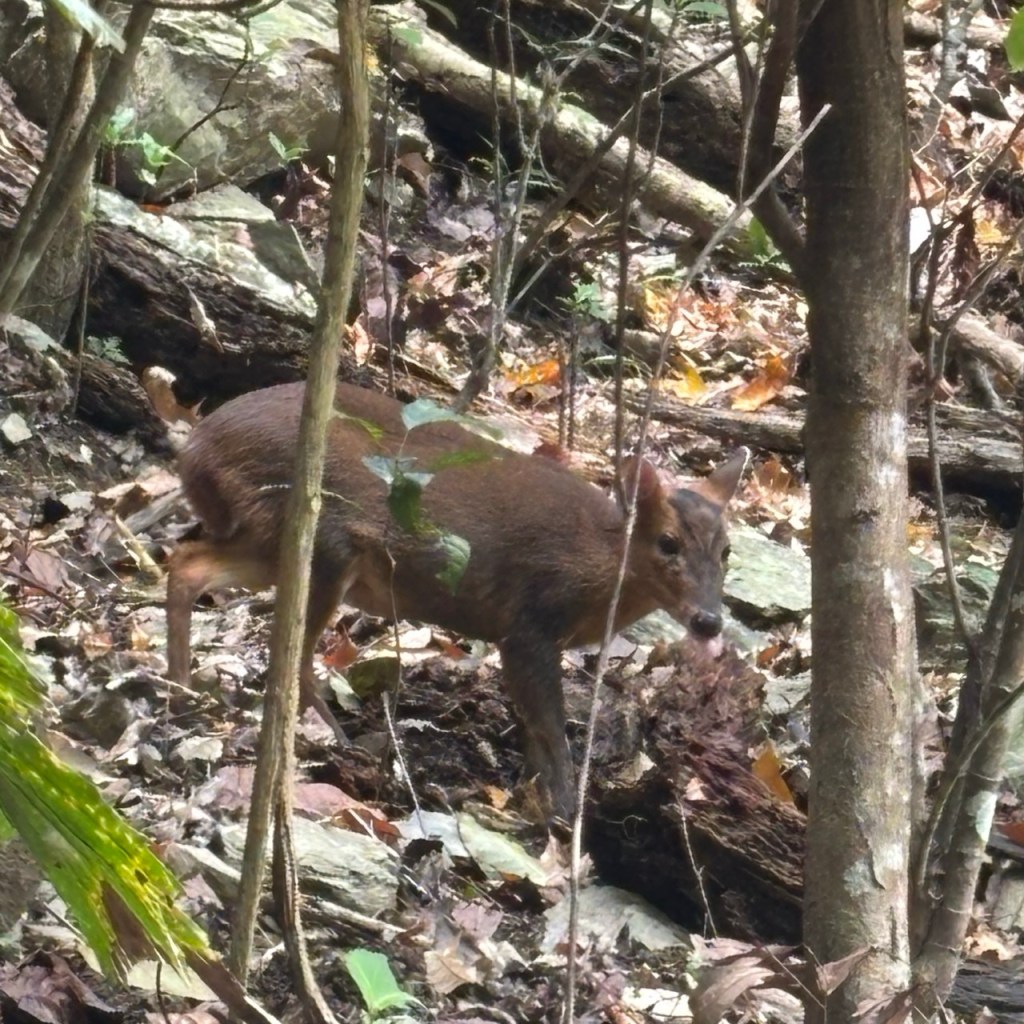
The first thing I noticed were the butterflies. There are 100 species in the forest and they swarmed around me, it’s quite magical. As soon as I got higher up into the park I saw the first mammal of the day, the gorgeous ‘Reeve’s muntjacs’ which I watched with a family several times along the trail.
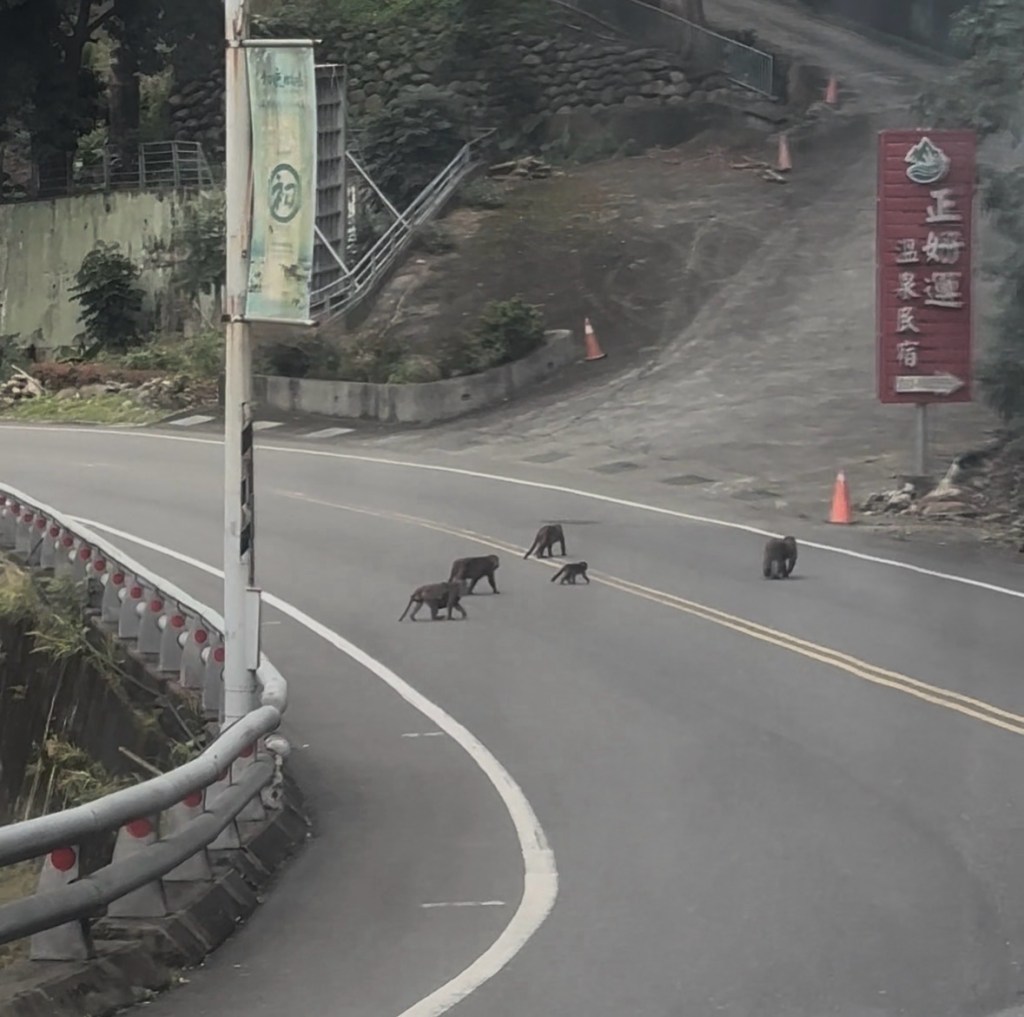
Next up were the Formosan Rock Monkeys. These cute little monkeys were just hanging out in the trees in their groups eating their fruits, rather than trying to steal your food.
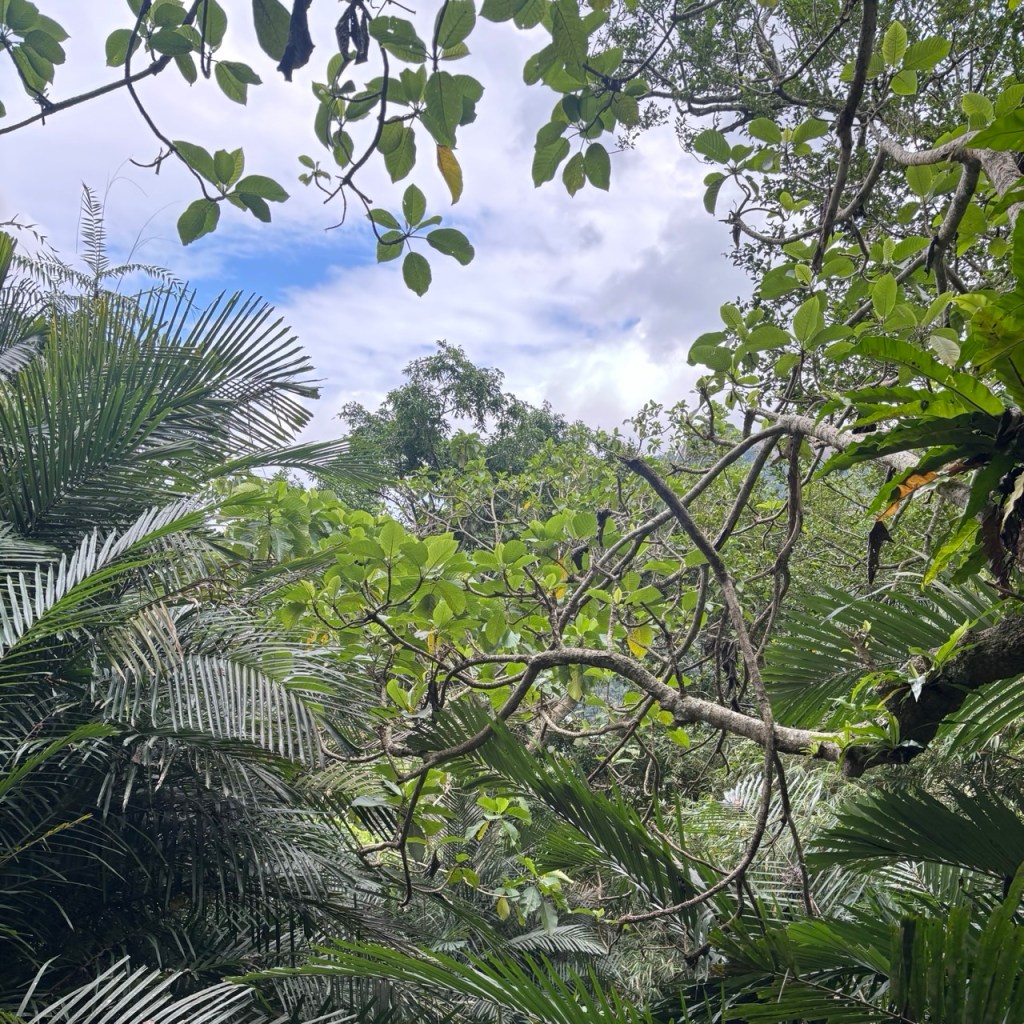
The forest is an absolutely idyllic spot. You need a couple of hours to explore the park depending how many trails you do. One part was closed off due to damage, I assume from some sort of natural disaster. The prime spot for the monkey viewing had signs about passing through quickly due to risk of rockfall but the monkey watching was too good a chance to pass up.
There are no food or drink facilities inside but there are toilets and water fountains – in fact there are water fountains everywhere in Taiwan. You never need to buy water. I made the mistake of following Google maps to the hot springs. This meant I got off the bus at a temple car park next to the river which was definitely not a public hot springs spot. I asked some ladies visiting the temple but they misunderstood and thought I wanted to paddle in the river.
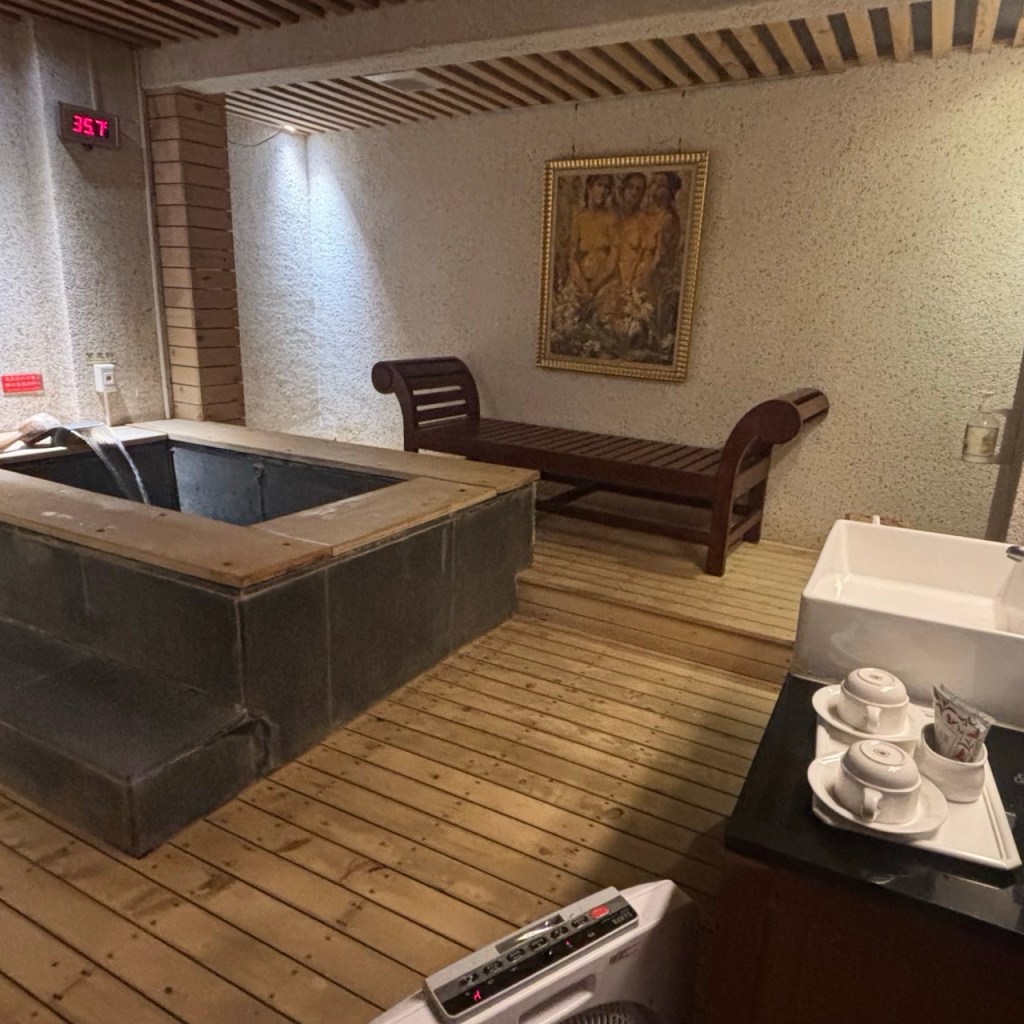
By then it started to rain and the only thing I could see was a hot springs resort hotel. They weren’t open until later on that day by which time I’d have missed the bus back – the buses ran at very irregular hours. There is always a solution particularly when you have a strong currency on your side. The nice lady at the hotel made several suggestions including taking a “private spa” for one hour and getting a taxi back all the way to Taitung. This hadn’t even crossed my mind but it cost less than £10 to be driven back door to door. The lady stressed that this type of spa was naked, so I had to use Google translate to confirm that it was indeed a private spa and I wouldn’t be sharing with anyone. It was a truly luxurious experience which would be outrageously expensive if hot springs even existed in the UK.
When I got the bus back from town to my B&B after the long day, as often happens in Taiwan, a lady started chatting to me. She knew some English and told me she was in her 70s and on her way back from meeting up with her sister in a mountain town to see the early cherry blossom blooms. When she learned I was travelling alone around Taiwan she said that’s wonderful, and told me ‘YOLO – you only live once!’. I also had a concerned text message from my B&B saying “We noticed that you didn’t enjoy our breakfast. Would you like a vegan meal?”.
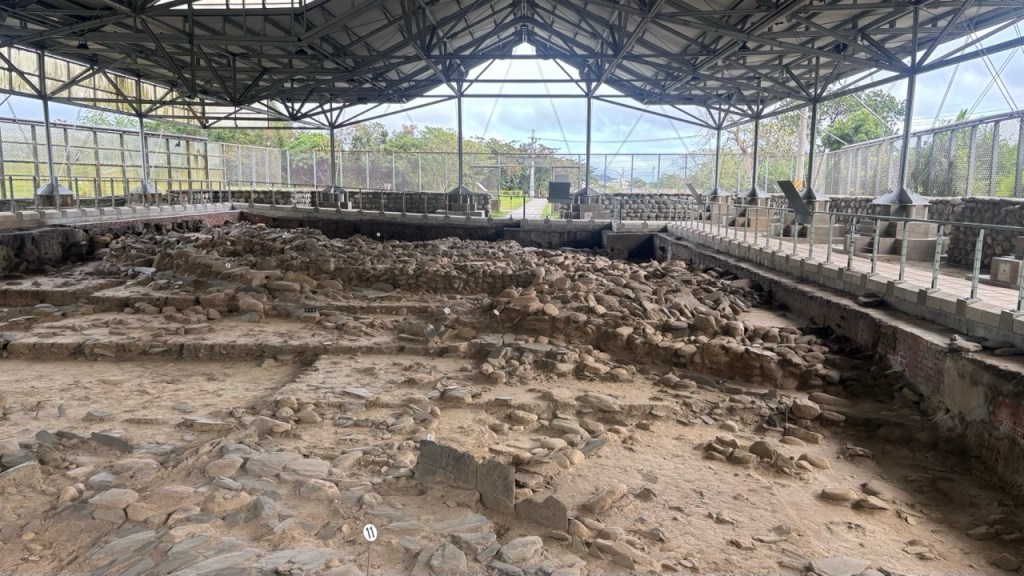
In contrast to the nature, I would highly recommend a day exploring the history of this area visiting the very impressive History Museum and the Peinan burial site. You can do them together but likely need a taxi due to the erratic bus schedule, though the Peinan site is walkable from the train station.
The History Museum takes you through from the creation of Taiwan from a geological perspective through to the movements of the Polynesian people up to the present day culture with influences from all over Asia. What makes Taiwan interesting is the tectonic evolution, namely the collision of the Eurasian and Philippine Sea Plates. According to the museum facts, the Coastal Range is still moving at a speed of 6-13 cm per year relative to the Central Range. During the Ice Age, the Taiwan Strait became land because the sea level dropped, allowing the migration of plants and animals into Taiwan.
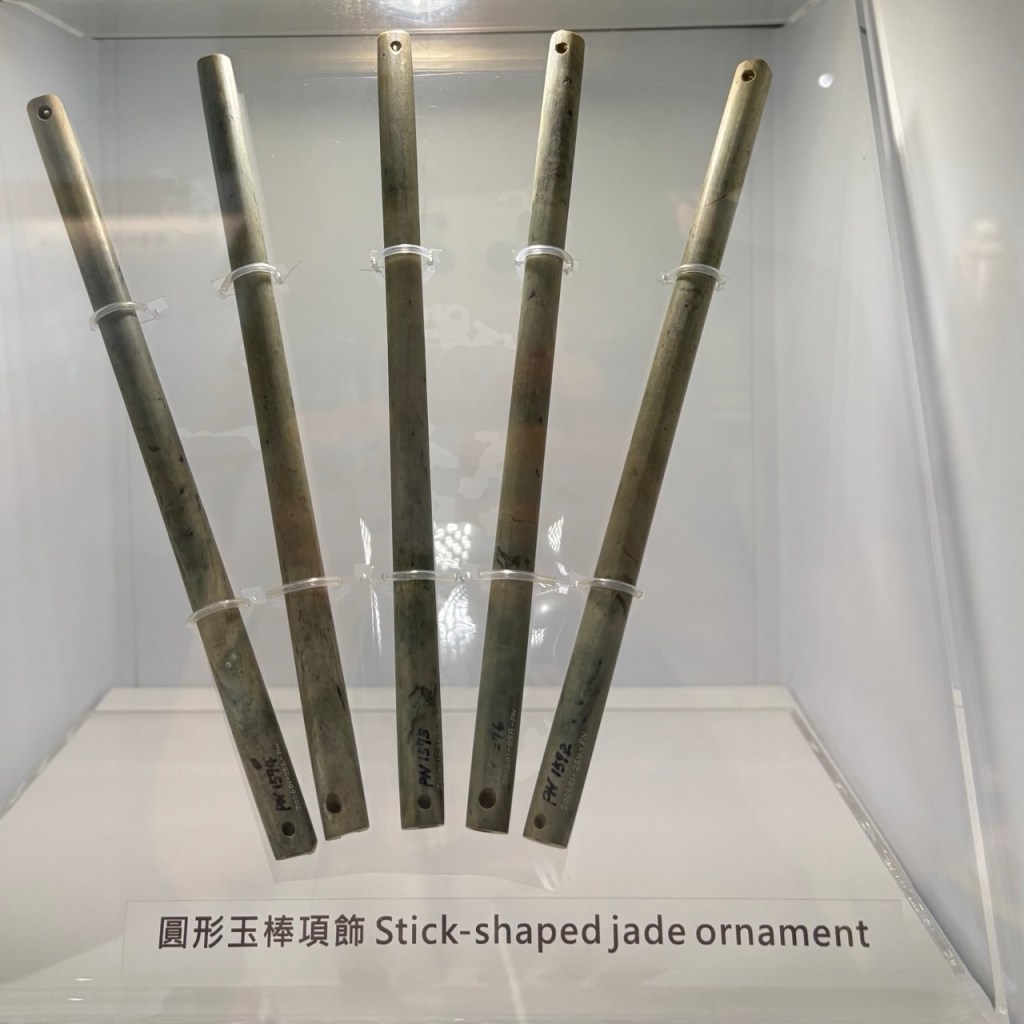
Taiwan is also a know as a “place of convergence” due to it’s location – many different ethnic groups and objects have passed through, including the trade of Jade, glass beads and sweet potatoes with China, Southeast Asia and the Austronesian people. The museum has some really good exhibits of indigenous culture. Austronesian people make up less than 2.3% of the population according to when the info was written but they make up 7% of Taiwan’s military and 60% of special forces.
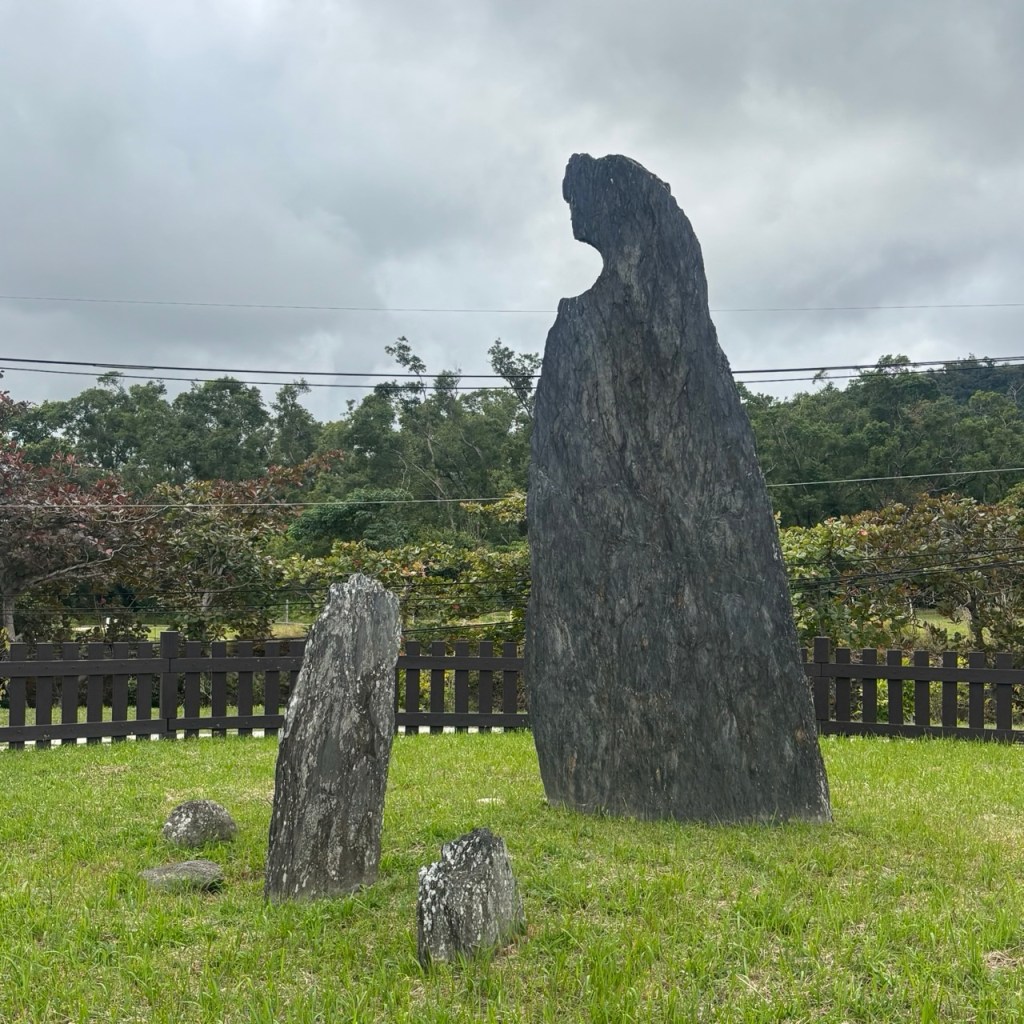
Without turning this into a history lesson, the Peinan site is also fascinating. This a prehistoric culture, with people settling here 5000 years ago. In 1896 a Japanese scholar visited Taitung and photographed the stone pillars. But it wasn’t until 1945 when the Japanese carried out the first excavation. The Peinan Culture is believed to have been active from middle to late Neolithic Period with people leaving the site approximately 1900 years ago – nobody really knows why or where they went though there are theories they went into the mountains.
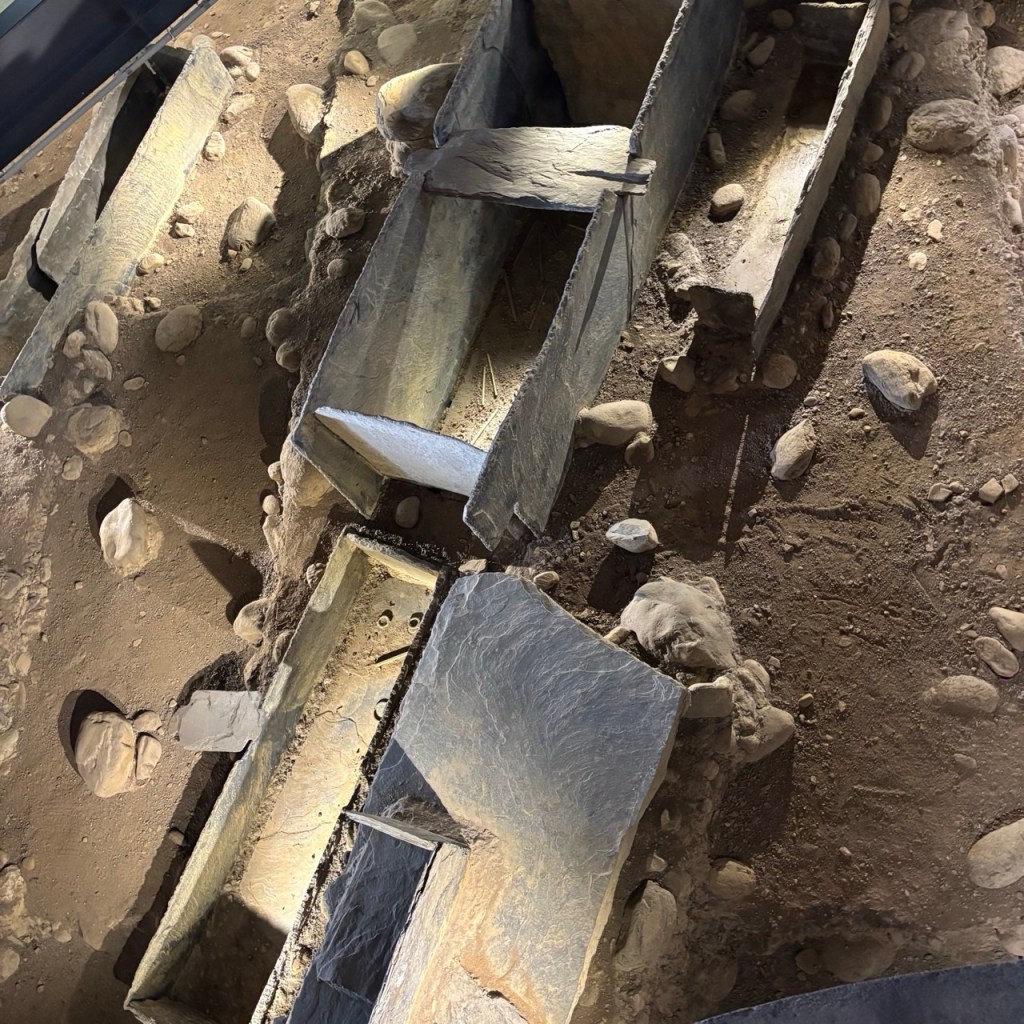
In 1993 the huge group of slate coffins were excavated – this is the largest excavated slate coffin burial complex in East Asia with over 200 unearthed, including single-body and multi-body burials.
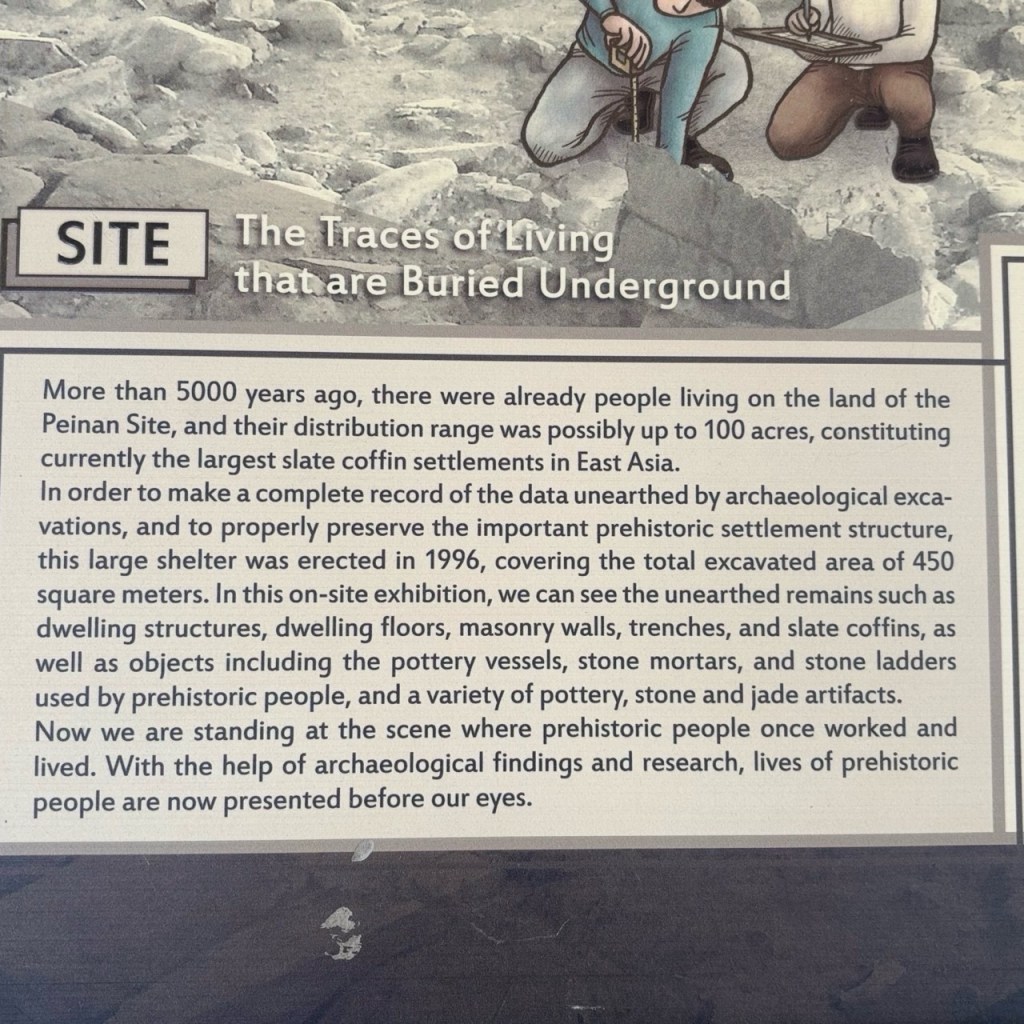
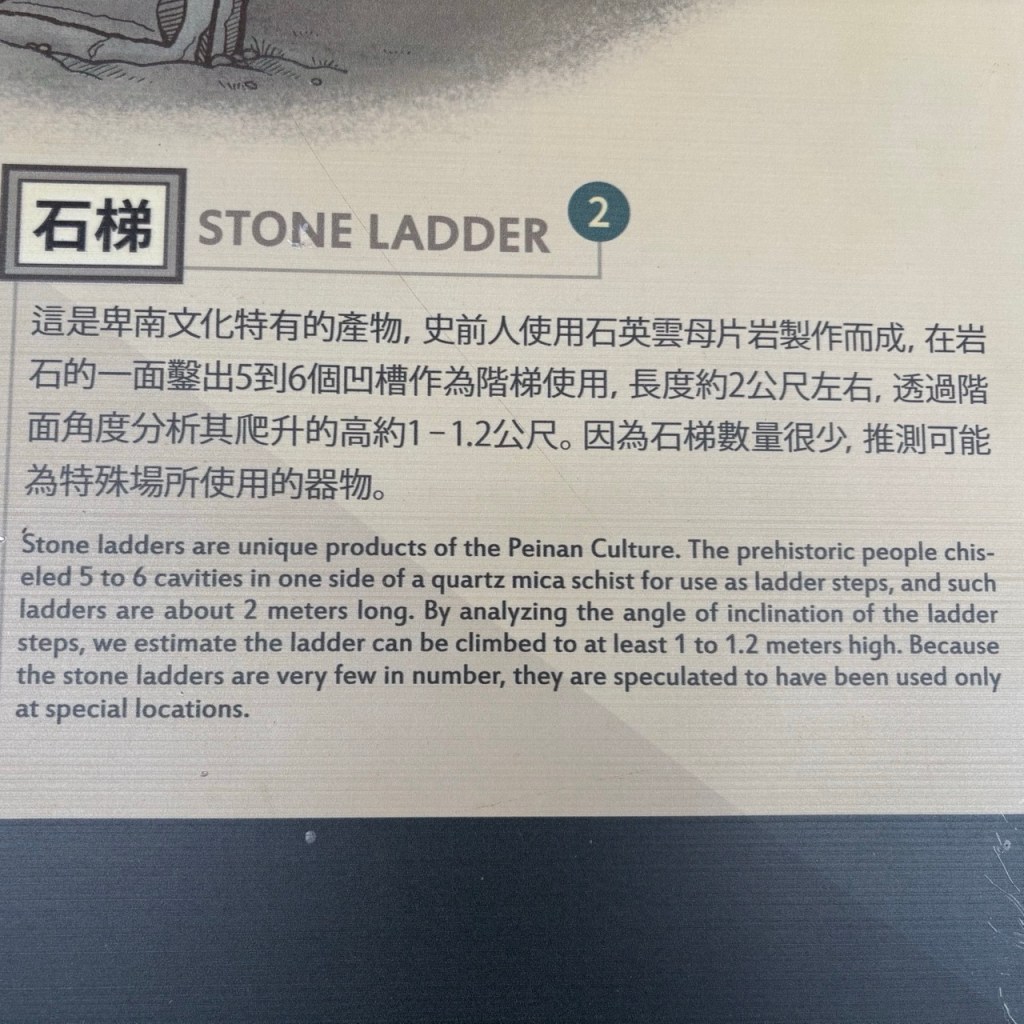
What I liked about this site is that you can walk right around the excavation and look at the walls, the stairs, the ladders, pottery vessels … This brings it more to life. And of course aside from a group of Chinese visitors who were just leaving, I had all it to myself as usual. Next stop, Khaosiung.
 Maz On The Road