
Anja and I spent three days trying to buy bus tickets out of Nicaragua into Honduras. On Thursday we couldn’t make up our minds because all of the advertised timetables were wrong. On Friday evening the ticket office was closed. On Saturday the office was closed. It turned out to be closed all weekend and we wanted to travel on Monday. Estelí in Nicaragua is very close to the Honduran border of Las Manos and the Nica bus passes through once a day heading to the capital of Honduras, Tegucigalpa. We were even prepared to spend a night in the dreaded Tegus and make our way to the Bay Islands in the Carribean sea the next day. But we were thwarted by bureaucracy – it is not possible to buy a ticket on the phone, online, on board the bus or in any other location other than the ticket office that is closed. To add insult there was an annoying couple in the hostel who had had the sense to buy tickets earlier and were all set to go. Not wanting to wait until Tuesday, we had to travel 2 hours back to León and book on a tourist shuttle that would take us all the way across the border and Honduras until the ferry port to the islands – sounds great except it leaves León at 12.30am and takes 15 hours, in a minivan.

Luckily we were the only passengers so had the van to ourselves. Still I couldn’t sleep over the blaring Latin music and the driver’s singing. We arrived at the Honduran border around 4am, driving right back through Estelí on the way.

With absolutely no queue we exited Nicaragua and walked over to the deserted Honduran border control -everyone was sleeping! Eventually banging on the windows did the trick and a sleepy guard stamped us in, no questions asked.
Driving through the capital I was slightly on edge, the roads were full of people walking amongst the cars. Vast areas of tin shack housing spread up into the hills. We stopped for breakfast at the Honduran equivalent of a motorway services, guarded by security with the biggest gun I’ve ever seen in my life. This became a common theme.
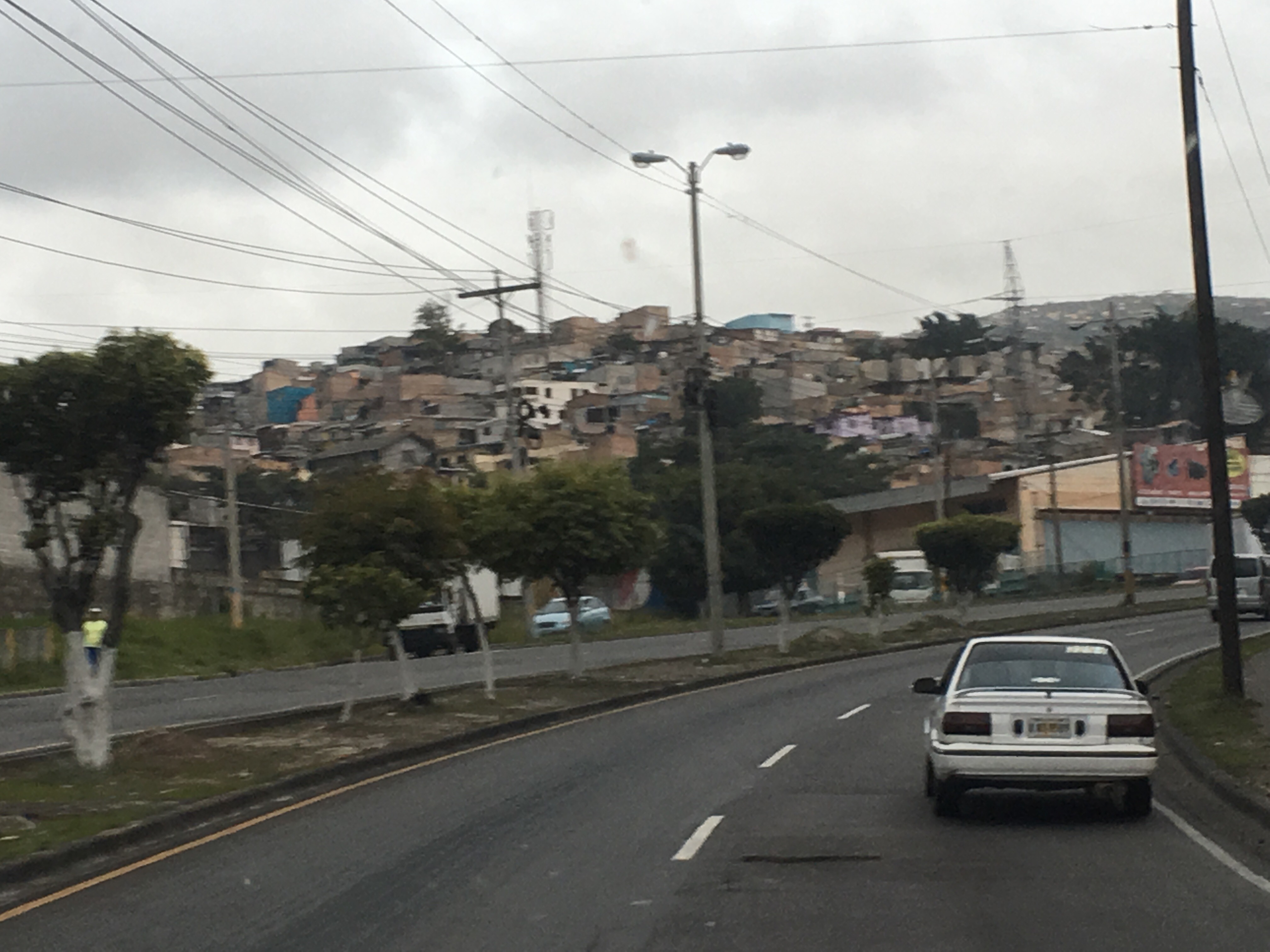
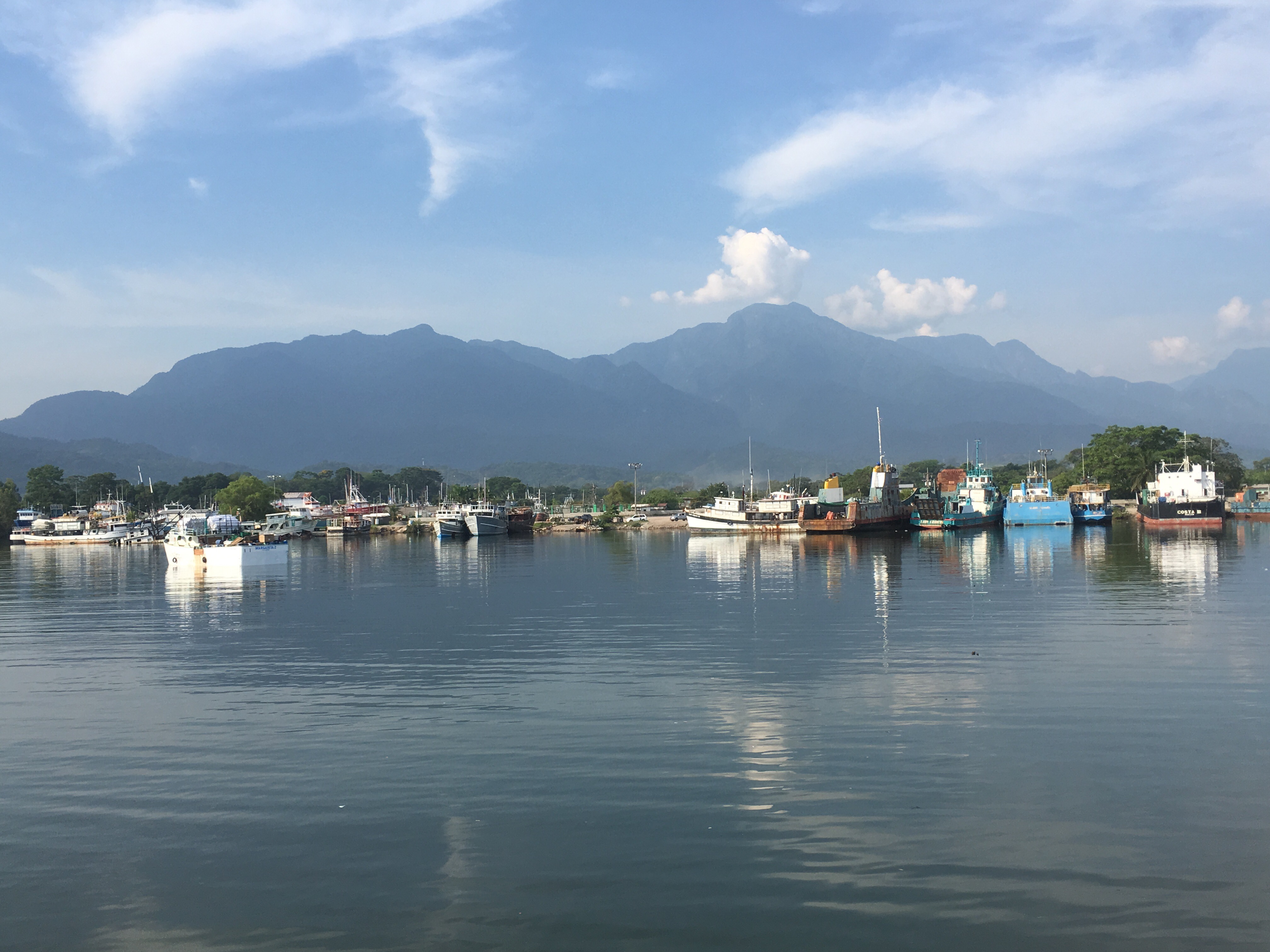
The rest of the long drive was broken up by the driver doing chores – he went to do some banking and left us waiting to be robbed on a street corner, bought some avocadoes and popped into his house to drop off what looked like a bag of money to his wife. But we made it to the ferry! It’s surprisingly efficient and modern and an hour or so later we were on the tiny island of Utila, home to the whale sharks, and more security.

I have to admit that I wasn’t crazy about Utila. Any dreams of paradise island were shattered by the continual roar of tuk tuk motors (no cars though), speed boats and dive party culture. I seemed to spend the whole time trying to see a doctor who never showed up, in order to get a medical certificate to say I could do a discovery dive with asthma. The whale sharks were also nowhere to be seen. Admittedly I’ve been spoilt by Panama’s San Blas islands. Although I did meet the nephew of the Honduran president!
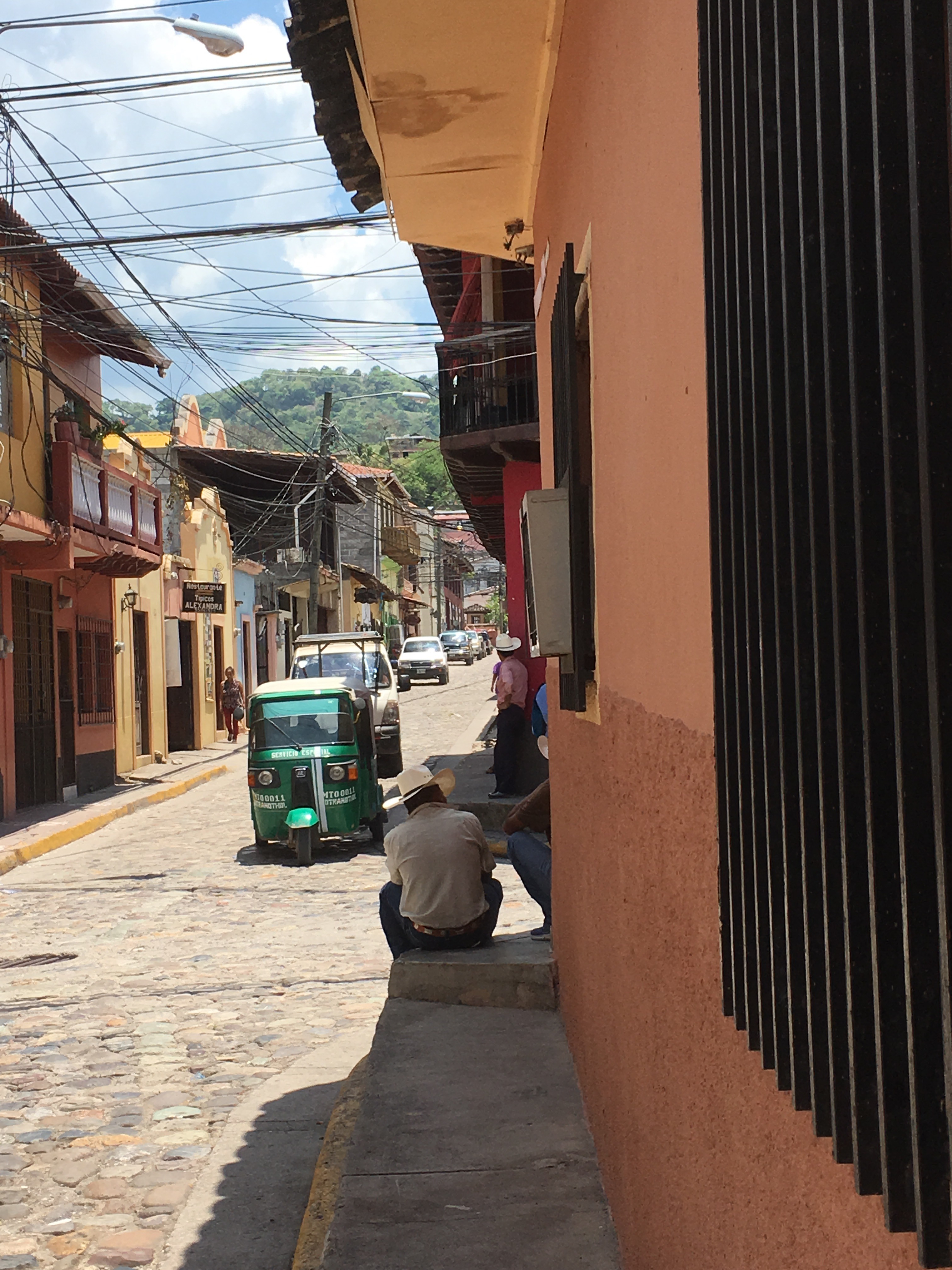
Anja was taking her advanced diving course so it was time to say goodbye as I moved south to the town of Copán. I’ve wanted to go to Copán for ages as it’s home to the ancient Mayan ruins. It’s also a lovely, friendly old town where everyone wears cowboy hats and rides a horse.
The friendliness of the Honduran people has been amazing – I ended up going to see a doctor after having a high fever and he didn’t even charge me. Although he didn’t do any tests either so let’s hope his hypothesis was correct…

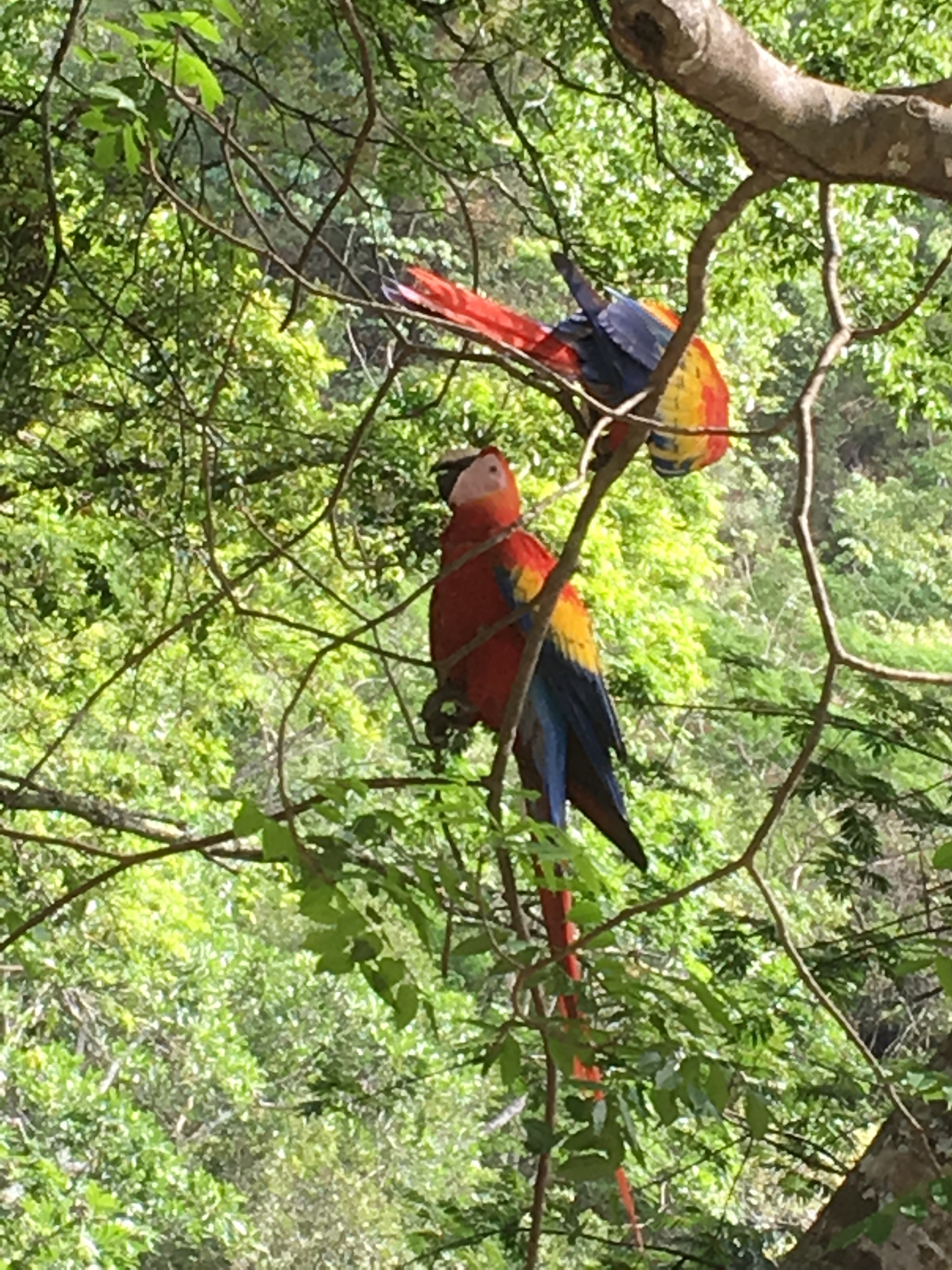
On the positive side it forced me to spend more time to Copán and I got so much back. My favourite was a trip to the Macaw Mountain rescue centre, which started life on Utila, caring birds confiscated from the illegal pet trade, injured or abandoned. Macaws can live to be 80 years old – many owners don’t consider that! It’s also illegal to keep one as a pet now, since the Scarlet Macaw is the national bird of the Honduras. They were revered by the Mayan people, as depicted in many images and folklore. Many Mayan rulers used bird names – Great Sun Lord Quetzal Macaw!
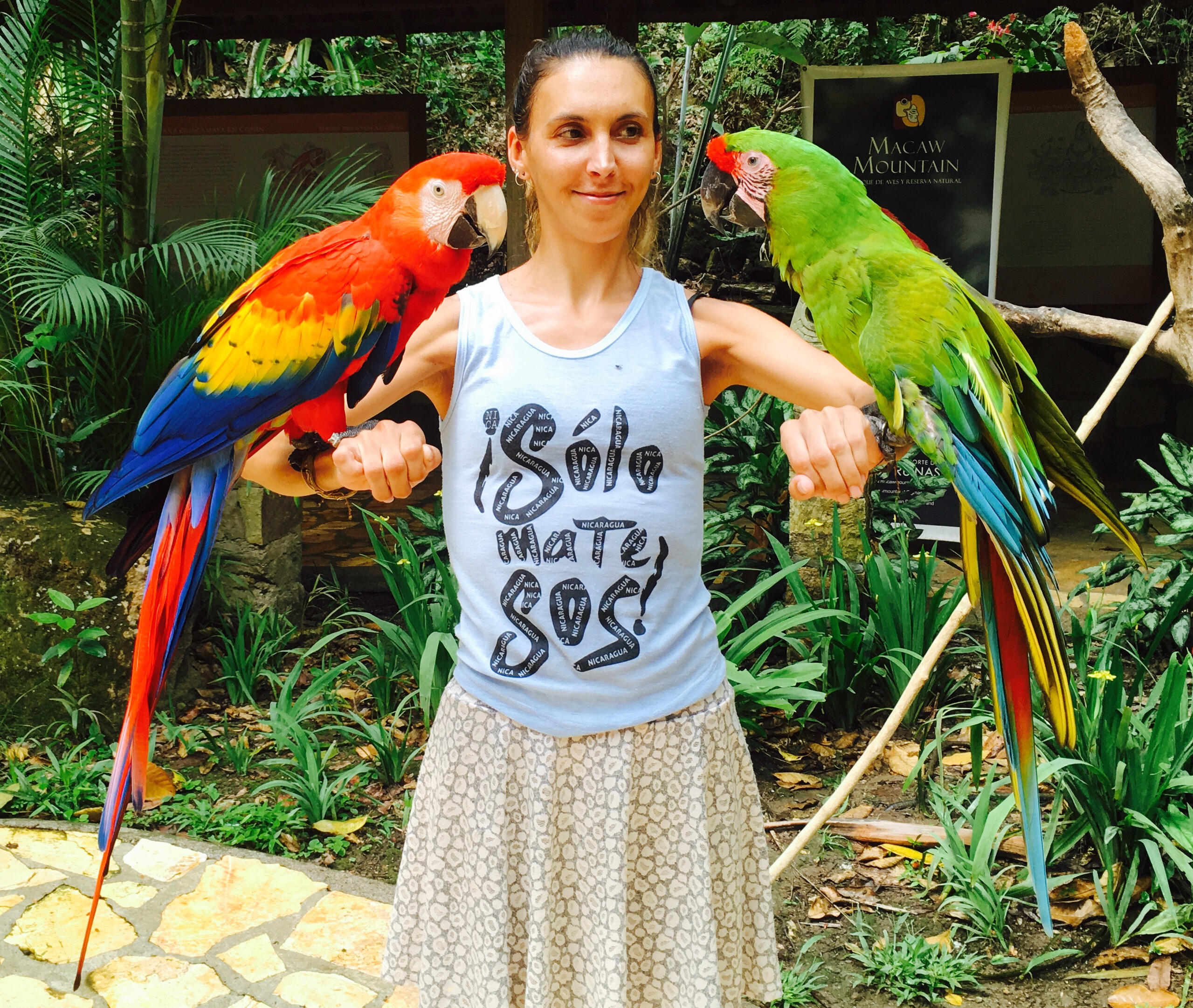
What’s amazing is that the sanctuary moved to Copán and has successfully released many macaws back to the ruins site where they can be seen flying free over their ancient homeland, a very moving sight. Meanwhile you can meet some tame older birds who live freely in the santuary site – they’ll even sit on your head! And who knew they liked to drink coffee?!
The main attraction is of course Las Ruinas. The main site is a short walk away, guarded by more guns. I decided against paying $30 for a guide, preferring to wander around alone. And I had most of the ruins to myself! You don’t get that in Tikal or Macchu Picchu.

Just when I was wondering what I was looking at and thinking a guide may have been a good idea, like magic Miguel appeared. He worked here when they were excavating and we cut a half price deal for a mini tour.
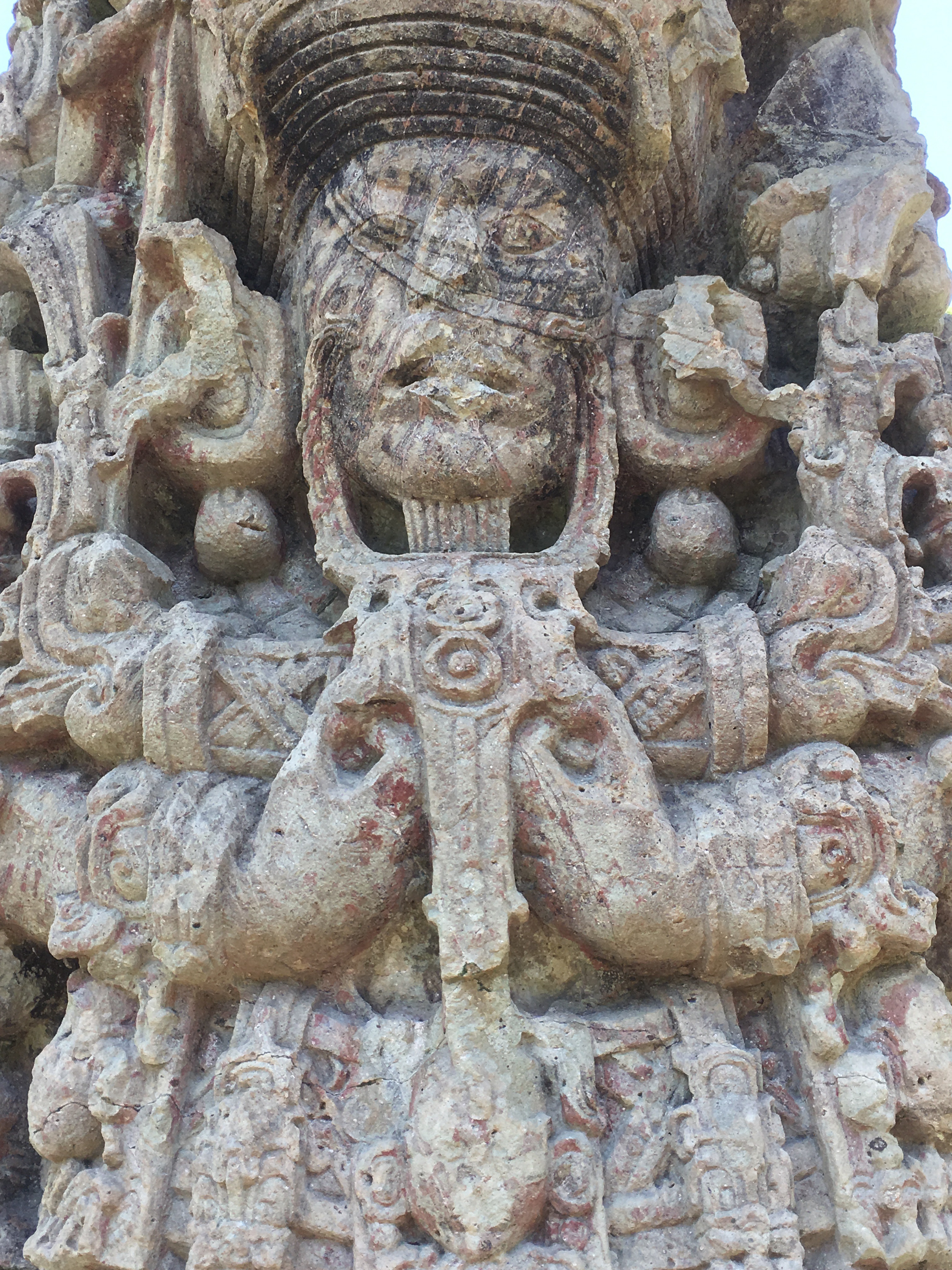
The Mayans deserted this site and we don’t really know why. A popular theory is that the population exploded, deforestation took it’s toll and crops died out. Many say this is the natural cycle that’s happening again now.
Below – what do you do when you see a doorway leading into the temple? Go in of course until you get freaked out on your own!

Miguel also took me to visit the site of the Mayan birthing hospital. A huge frog, the fertility symbol, is carved into the rocks, along with chairs for the pregnant women to sit. The Mayans were a very advanced civilisation. Below – Miguel doing his best pregnant pose:

The only annoyance was the persistent local kids around the birthing centre trying to sell me necklaces and a rendition of the Honduran national anthem.

Honduras is definitely a place I want to return to with more time. Neither Utila nor Copan was the dangerous place the media would have you believe. Just a week here gave a glimpse into a stunningly beautiful and fascinating country.
Next stop, Belize, via Guatemala…
 Maz On The Road