From the Tranquil to the Tacky (the other side of Okinawa)

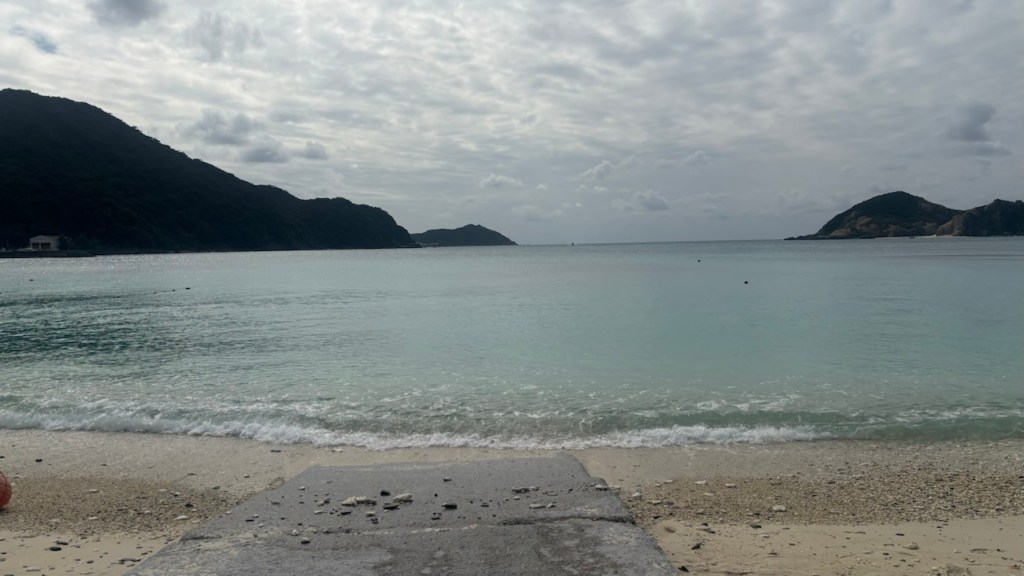
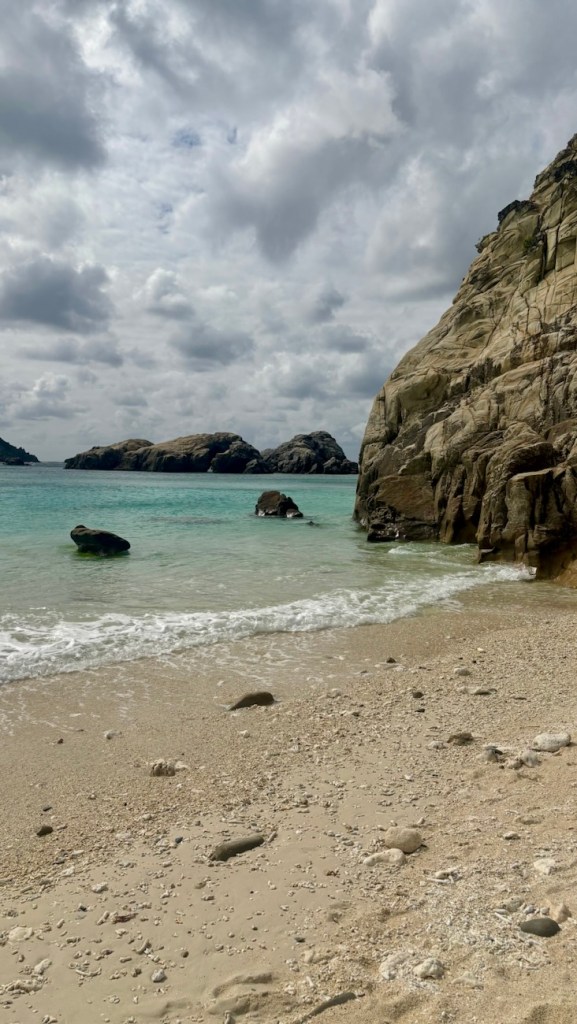
In one week I experienced two very different faces to Okinawa. There is the wild beauty of the coast and the nearby islands, some uninhabited. The serenity of the gardens and palaces. But then there is the holiday park concrete jungle.
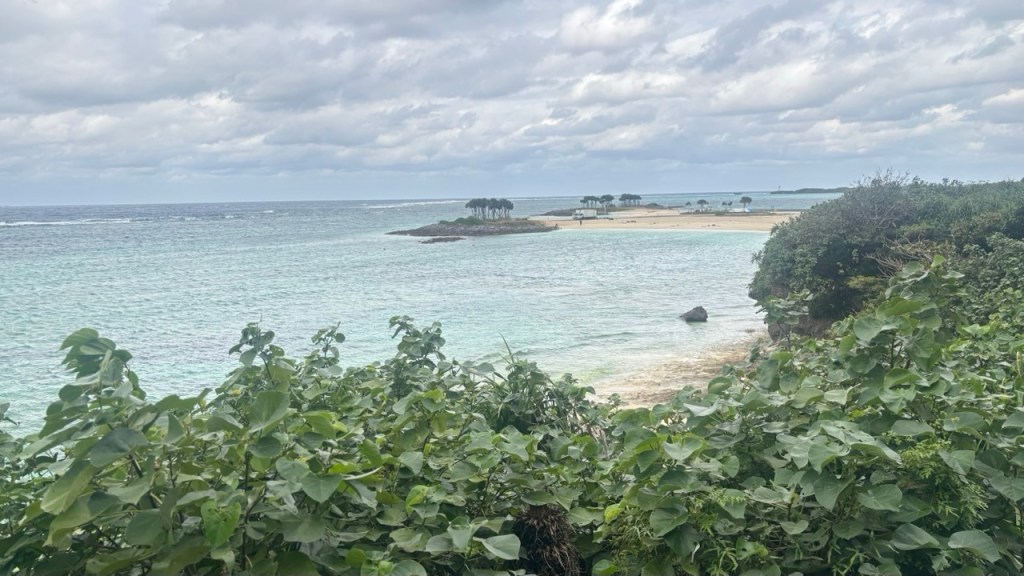
Emerald beach in the north

I didn’t want to leave Okinawa without seeing the north of the island. Without a car the only option is an organised bus tour, given the lack of much public transport outside of Naha. There are a few companies running trips but only one stops at both the Nakijin castle ruins and Cape Manzamo without including entrance to the aquarium. I didn’t want to visit anywhere that claims to house a whaleshark in a tank, having swum with these magnificent creatures in the wild.
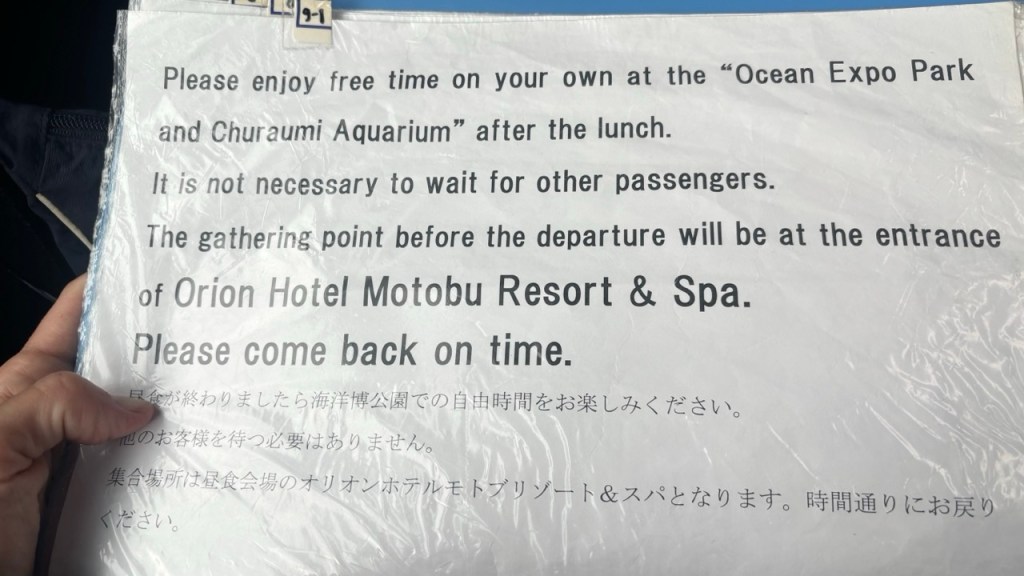
Instructions

All of the northern trips seem to be called the Blue route. You’re supposed to book before 15.30 the day before but I turned up at 8.00 and they were happy for me to join as there were only about 8 other guests, already on the bus. The tour is only in Japanese but they provide ample written material in English. Our very enthusiastic guide gave us stickers to wear and made sure I went to the toilet before we left (I didn’t even want to go but felt obligated and everyone smiled and nodded when I got back on the bus). At every stop she handed me written instructions on the meeting point.
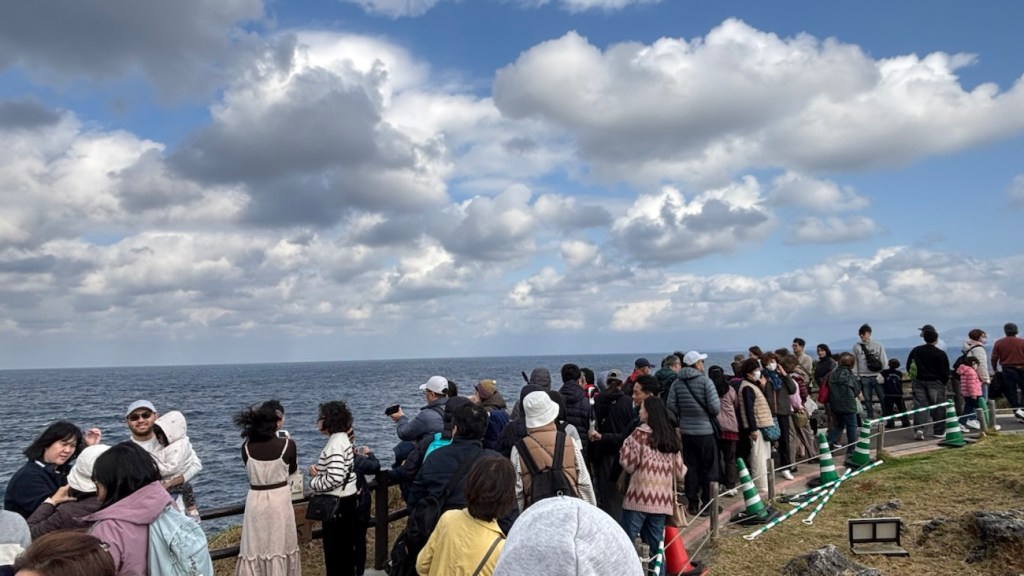
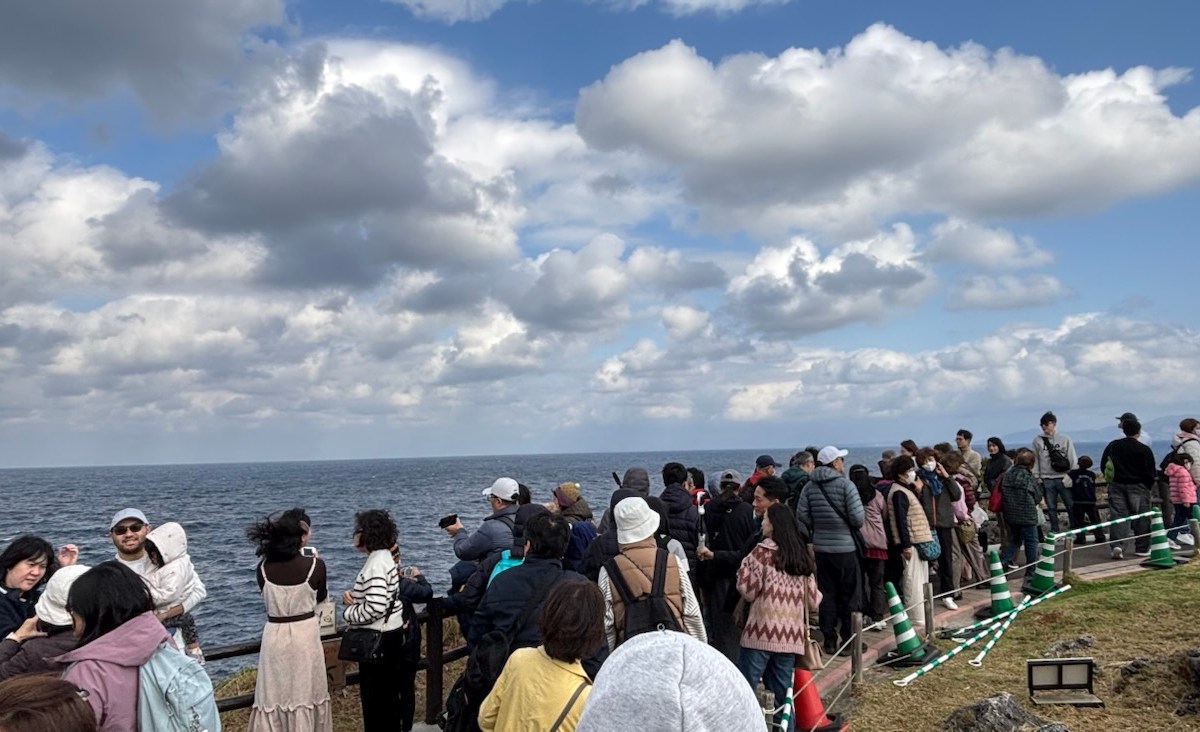
Crowds at the Cape

The guide talked non stop in rapid Japanese for the full hour to Cape Manzamo. The name of this place means “all the people” and it got the name because all the people could sit together outside and enjoy the Cape’s beauty. Legend has it that in the 18th century when the King of the Ryukyu Kingdom visited he was told “it is wide enough to sit all thousands of people” and hence he gave it the name.
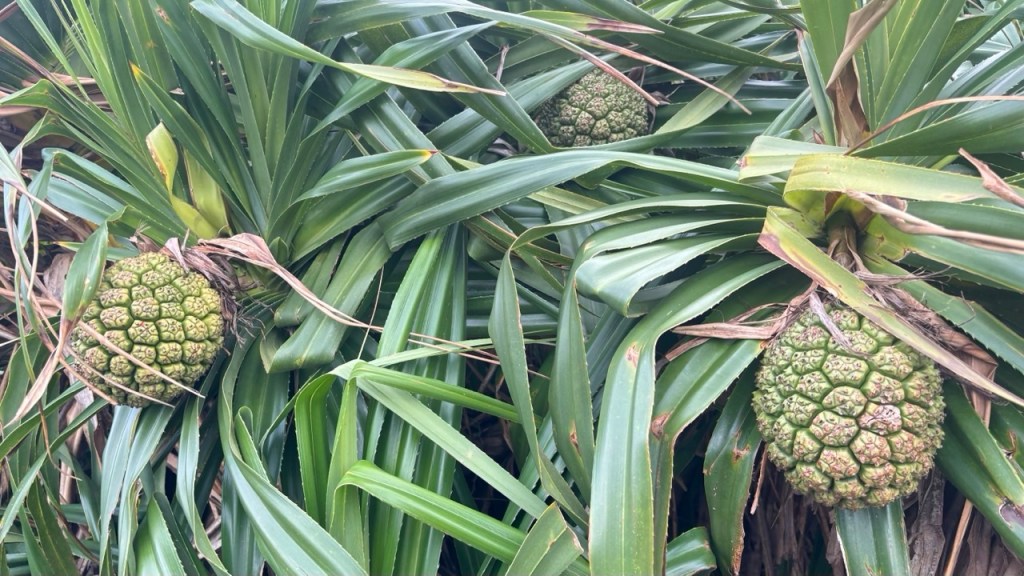
These are not actually pineapples

The other people on the tour were friendly and we again managed a conversation via Google translate. One woman in her 70s spoke some limited English which comically included saying to her husband “come on Grandad” when he lagged behind. As well as non stop commentary our guide broke into spontaneous song every now and then. I had no idea what she was saying of course but clapped politely when everyone else did. I asked a man from Singapore who spoke Japanese why she was singing and he said “I don’t know. I guess she’s keeping us entertained.”

Singing along

Next stop was an early buffet lunch at a monster of a hotel, the Orion. My new friends the Japanese couple and Singaporean man had made a little group by now so we ate together. There was a full 3 hours at this stop as it was the Ocean Expo Park which is absolutely huge. Aside from the aquarium there is an ocean themed museum, botanical gardens and reconstruction of a traditional village.
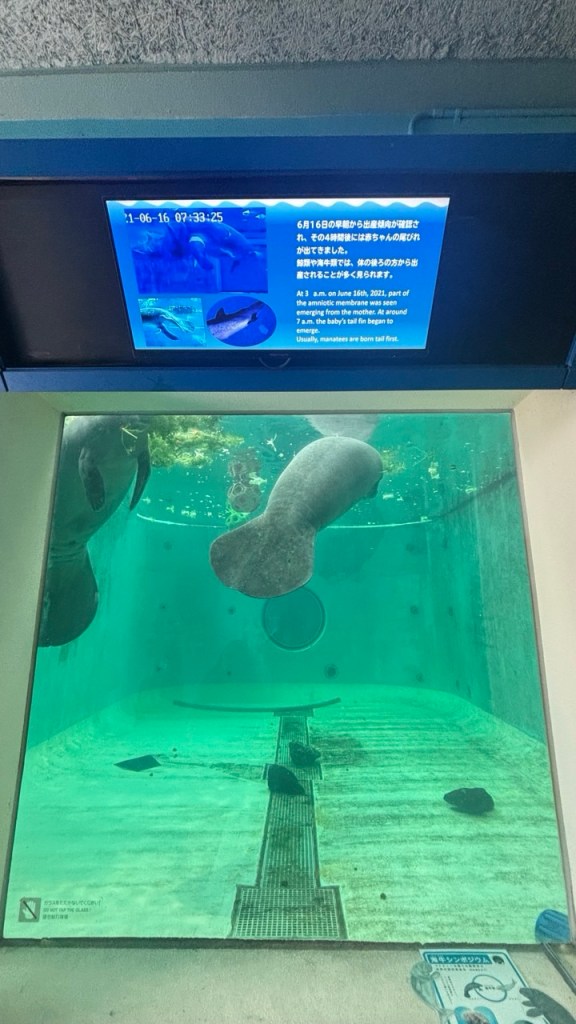
Manatees

With clear instruments to be at the hotel lobby by the pickup time, I went to have a look at the ‘Manatee Pool’ and turtles outside to see how bad it was. It was bad. The large manatees were in small tanks for their size and the turtles were swimming round the edges of what I’d describe as a paddling pool, over and over again. No rocks or any sign of a natural environment. It made me very sad to see the huge crowds jostling for photos of large marine life without questioning if they should be kept in there or not. I can only imagine the whale sharks.
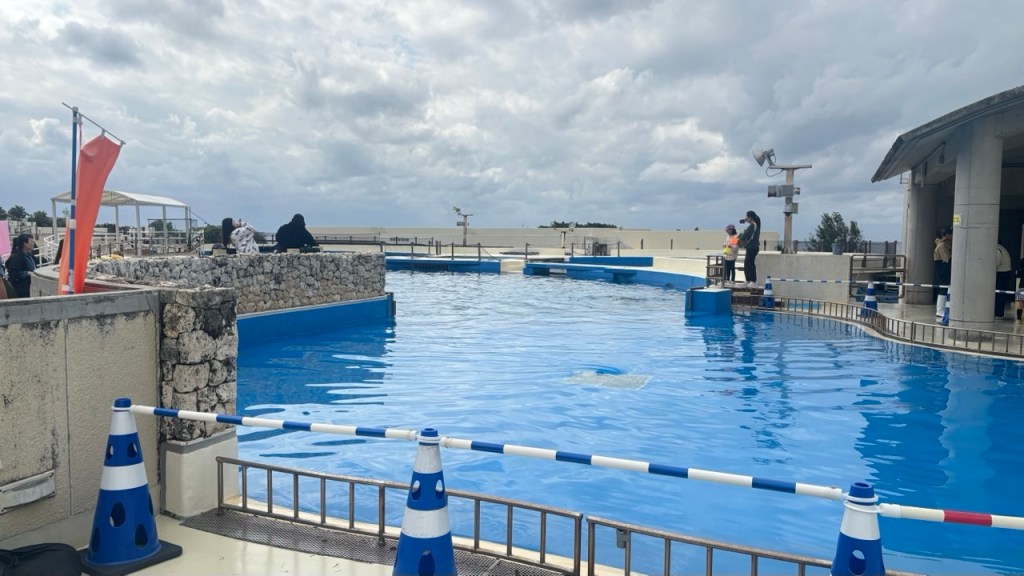
Dolphin show

The aquarium itself is a monstrosity of a concrete building with multiple escalators transporting the masses inside.
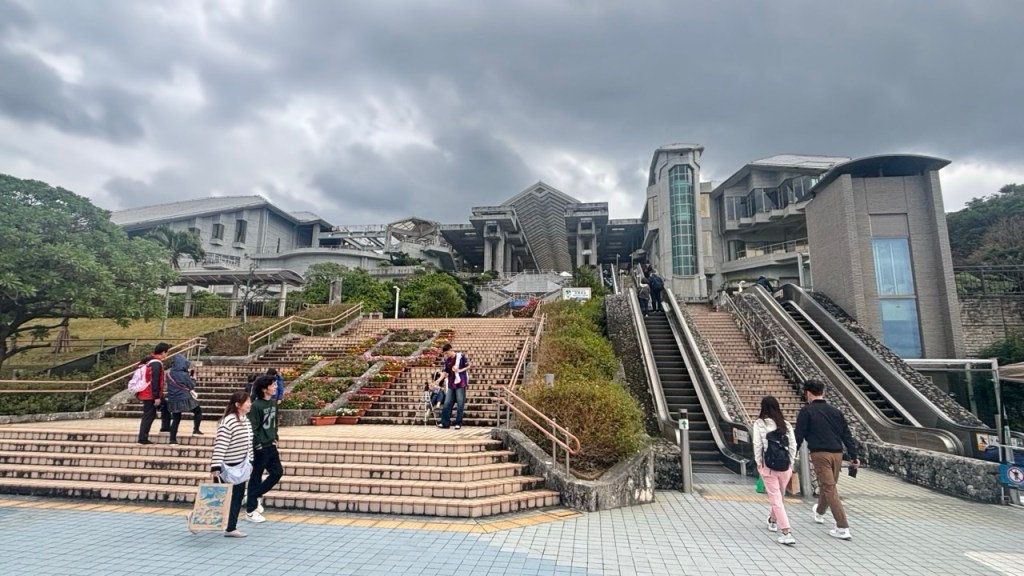
Entrance to aquarium

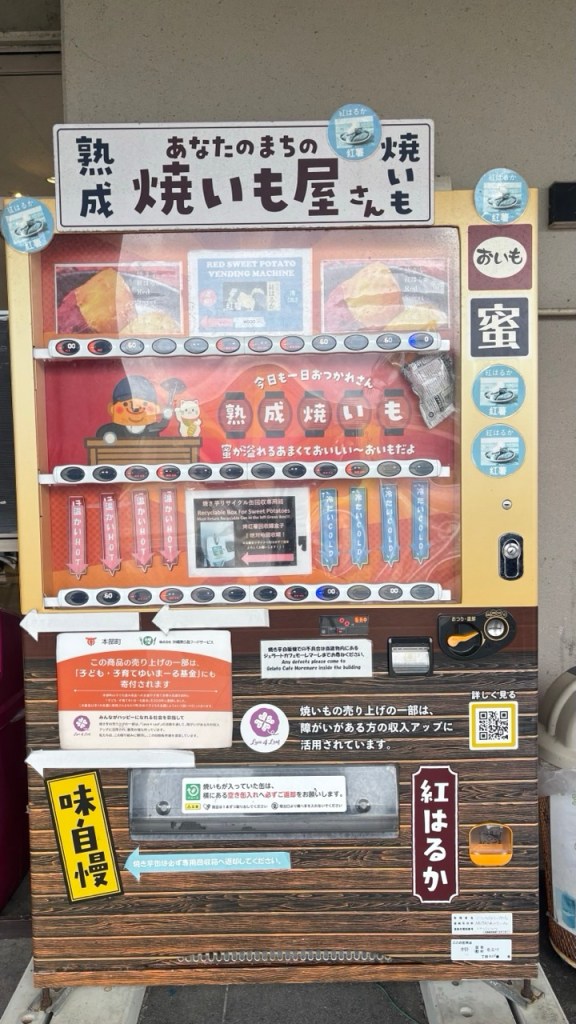
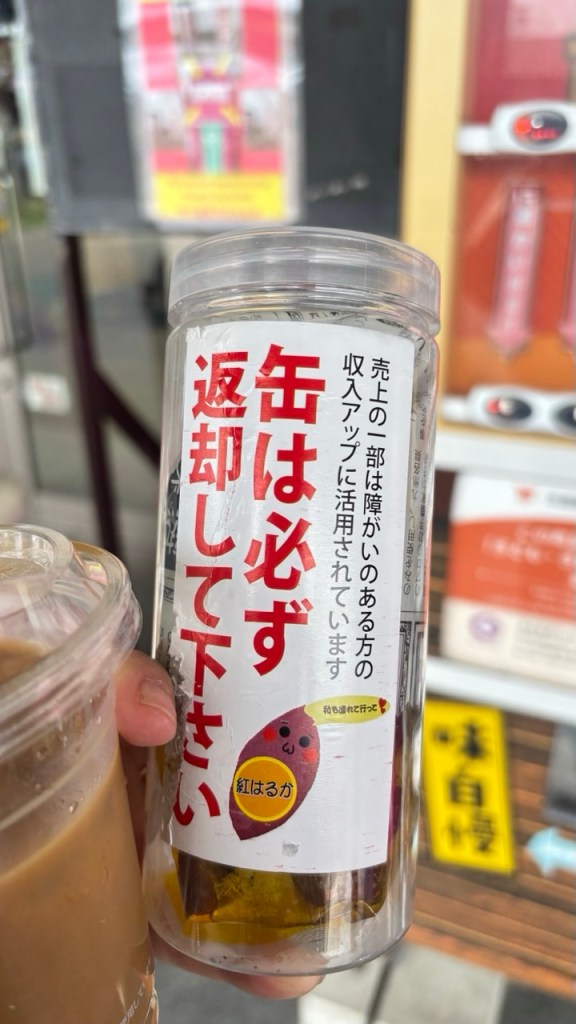
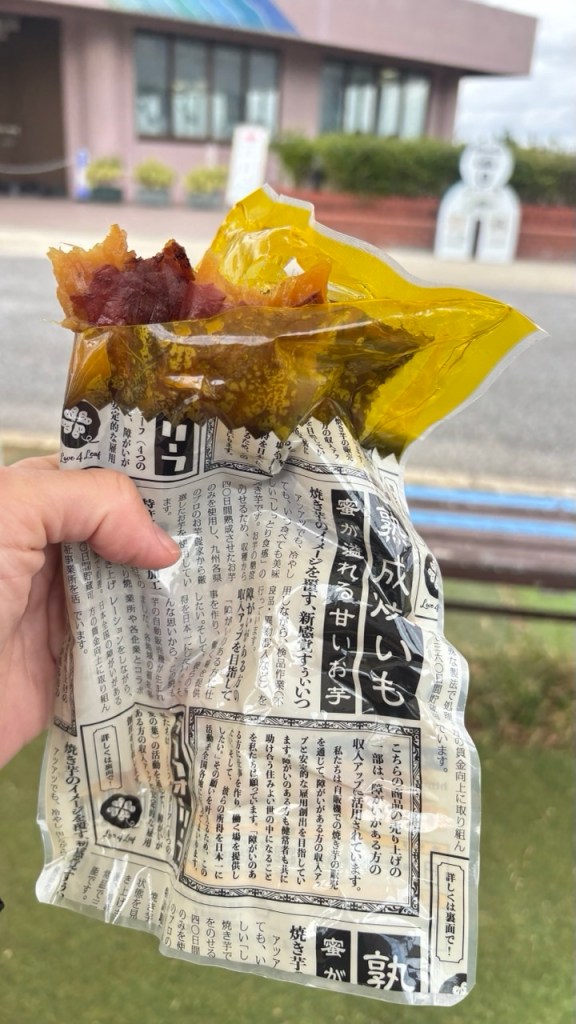
I actually quite enjoyed having a look at the traditional village and walking along by the coast although the highlight for me was probably finding a new snack – hot, very sweet, sweet potato in a tube out of a vending machine.
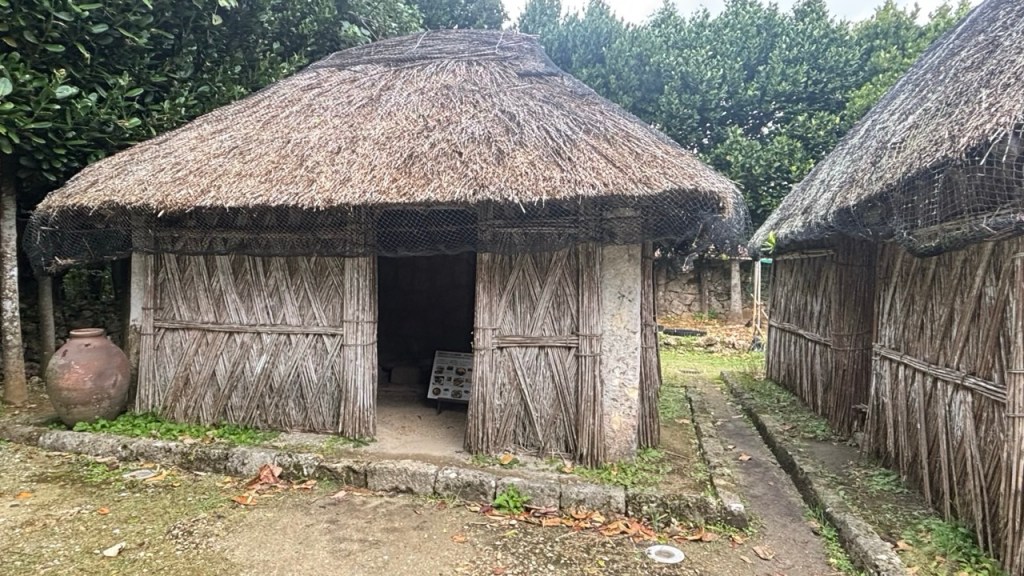
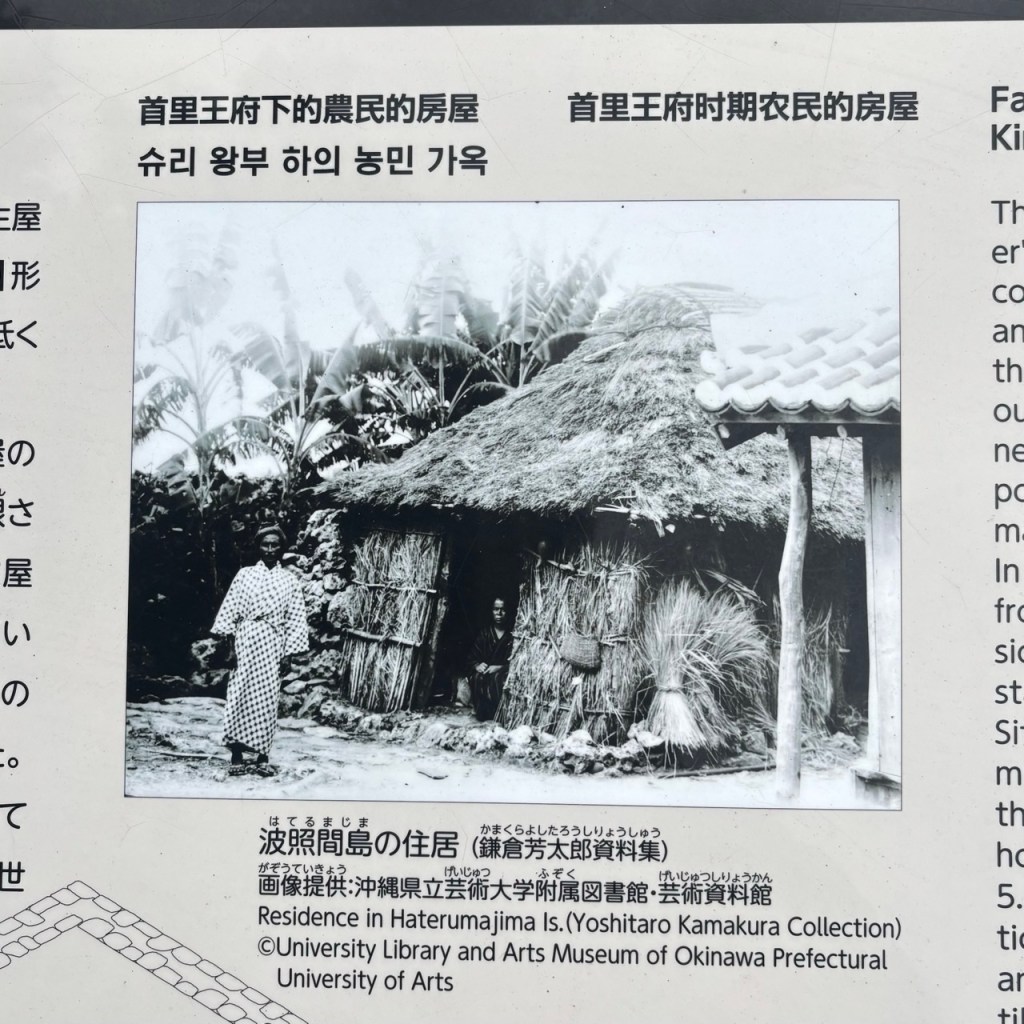
Traditional houses
How they used to be
Sweet Potato Step 1: Vending Machine
Step 2: Sweet Potato in a Tube
Step 3: The delicious end result

I had found Mr Singapore again by then and he insisted I eat my potato sitting down in the designated eating area. He said he was sure of the way back and we had plenty of time. As we set off for the hotel, however, he said “actually we have to run”. Given he was tall he ran twice the pace of me. They won’t leave without us both I said. This is Japan, he said, they will leave without us on the dot. It was when we got to the hotel it became apparent he only knew the way to the hotel, not the way through it and we could not in fact cut through.
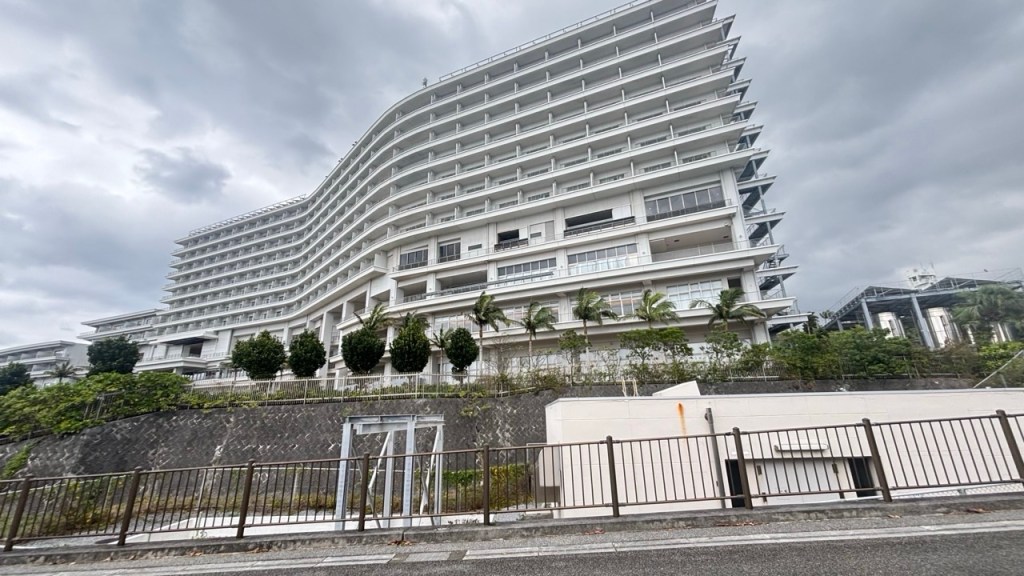
The maze that is the Orion Hotel

This led to my frantically chasing him through the manicured gardens and around the swimming pool thinking we must be on their CCTV. When we eventually got into the building we couldn’t activate the lifts without a hotel key. Luckily he flagged down a staff member who escorted us to the lobby where our guide was anxiously waiting. She ran with us to the bus – technically we weren’t even late as it was the exact departure time. Everyone on the bus found it very funny when I explained the situation via Google translate.
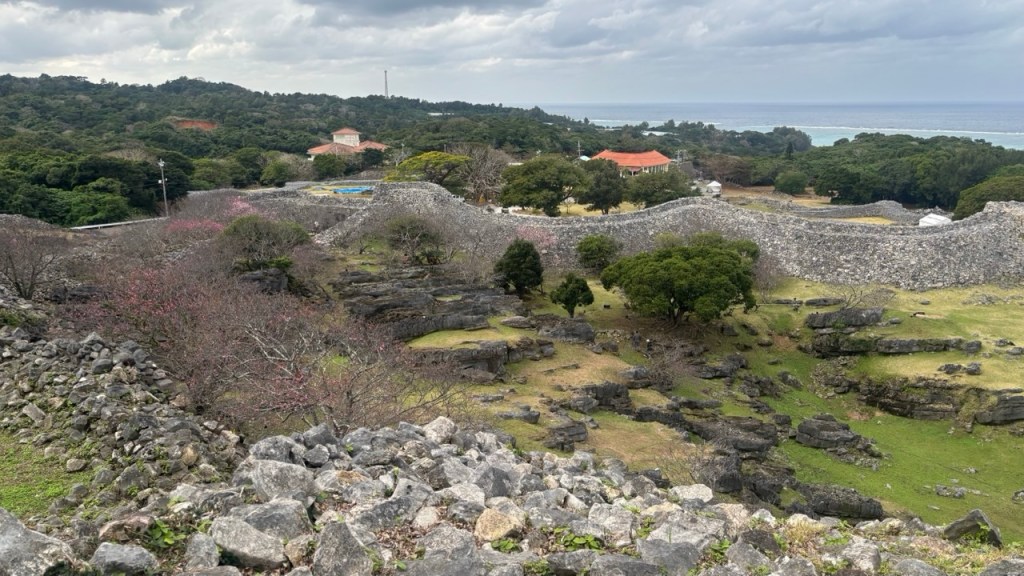
Nakijin Castle

The final stop on the tour is the Nakijin castle ruins. The ruins are very much ruins but it’s beautiful to see the old walls with the early Japanese cherry blossom. There is a museum with 3 floors of exhibitions but there wasn’t time to investigate – we were taking no chances with the departure time.
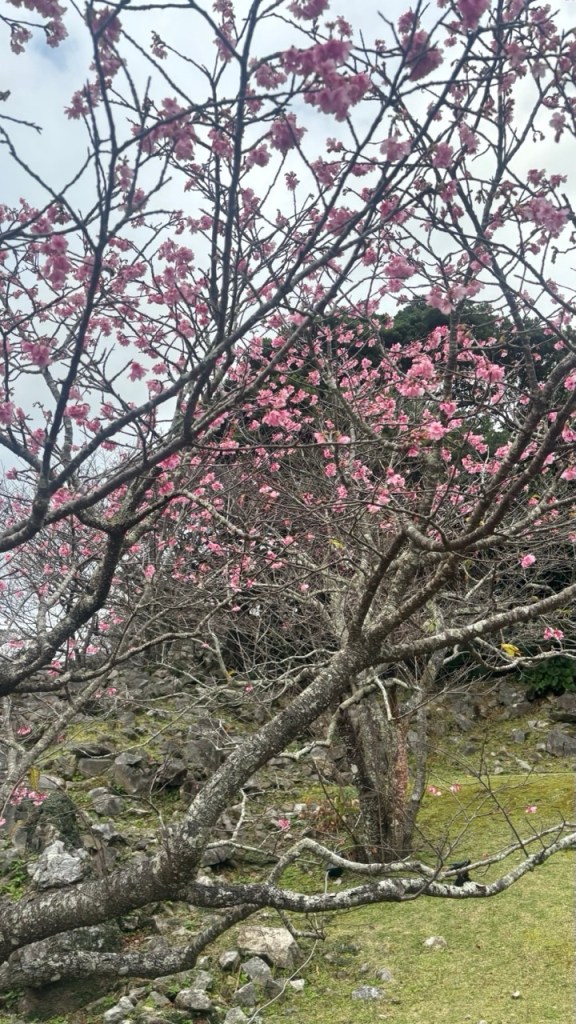
Cherry Blossom

The drive back was full of more commentary and a mandatory toilet stop, plus snacks given to me by the Japanese woman and Grandad. When we arrived in the city the driver dropped me off close to the Monorail and everyone waved goodbye through the window which was lovely.
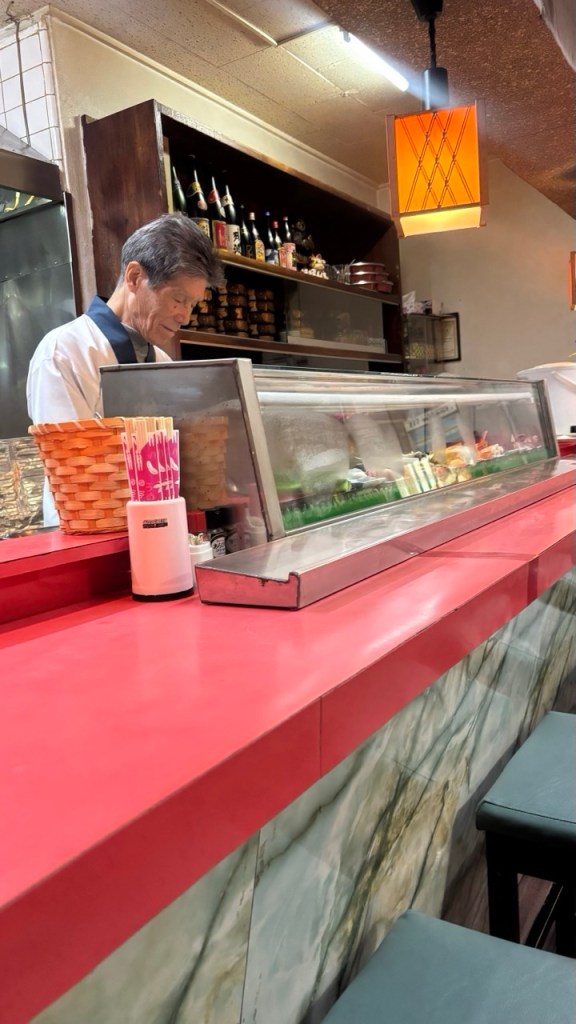
Fresh sushi

It was time to leave Okinawa, after some more sushi (they were very happy I went back!). Next destination, and the main reason for this trip – Taiwan.

Palaces, Beaches and Cabin Hotels (Okinawa)

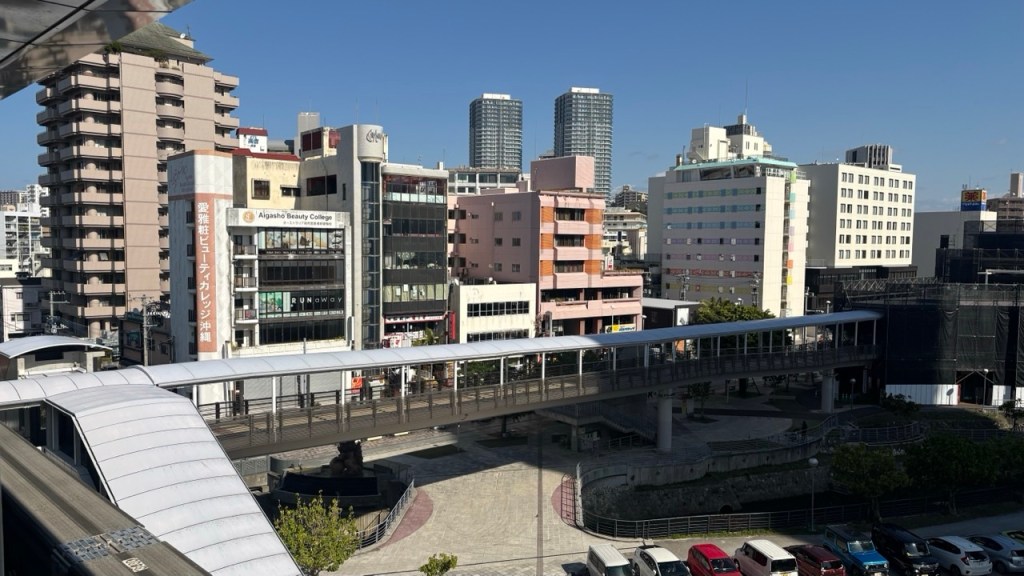
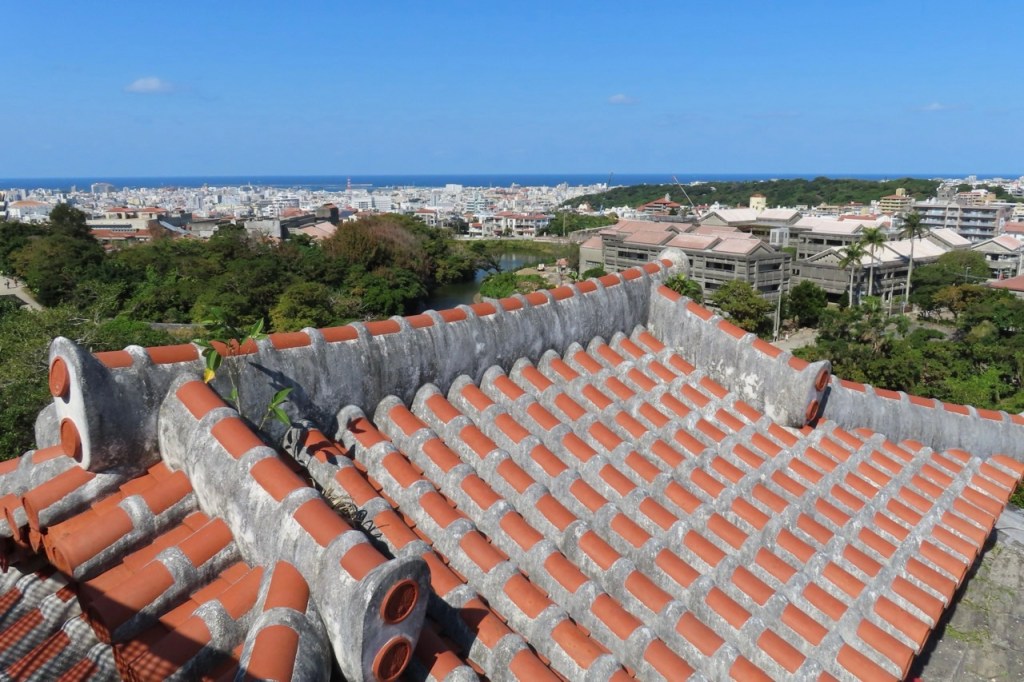
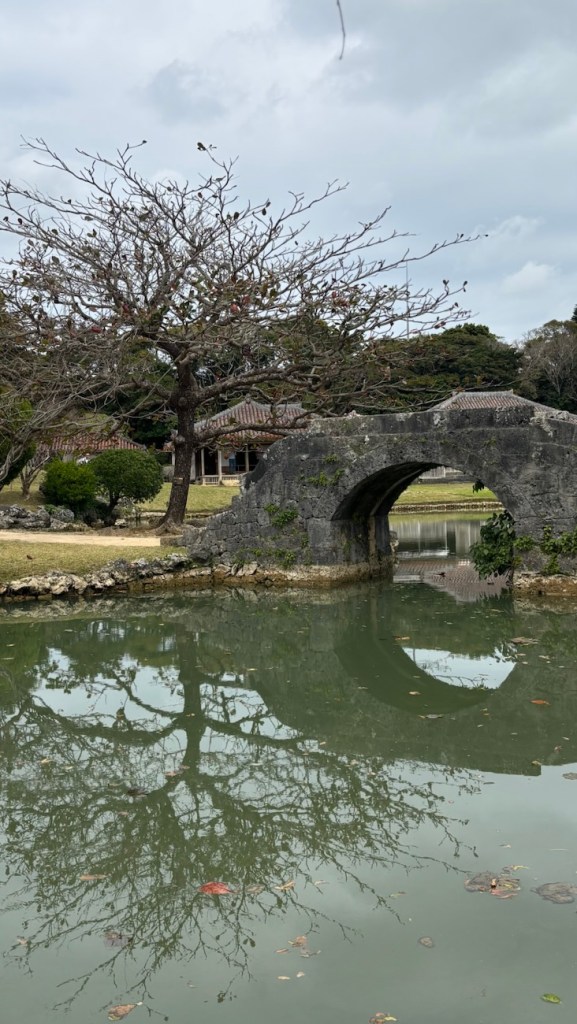
To get away from the hustle of Kokusai-dori street I took the bus to the Shikina-en Royal Gardens. Here you’ll find quiet, tranquil gardens surrounding the old royal palace and lake. It’s all very orderly, no eating or drinking outside of the designated spaces and a signposted route to follow.

Palace gardens
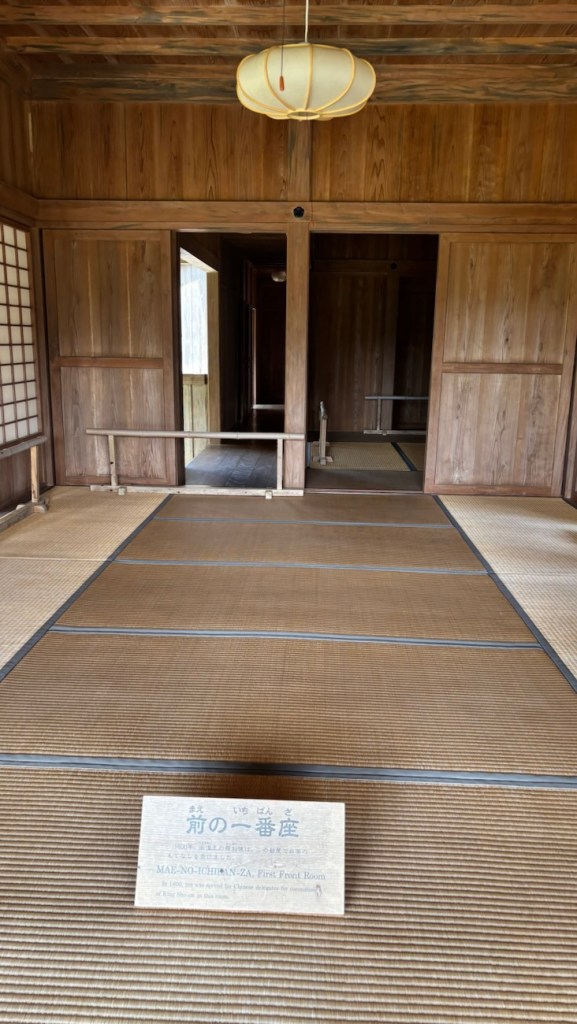
Inside the palace

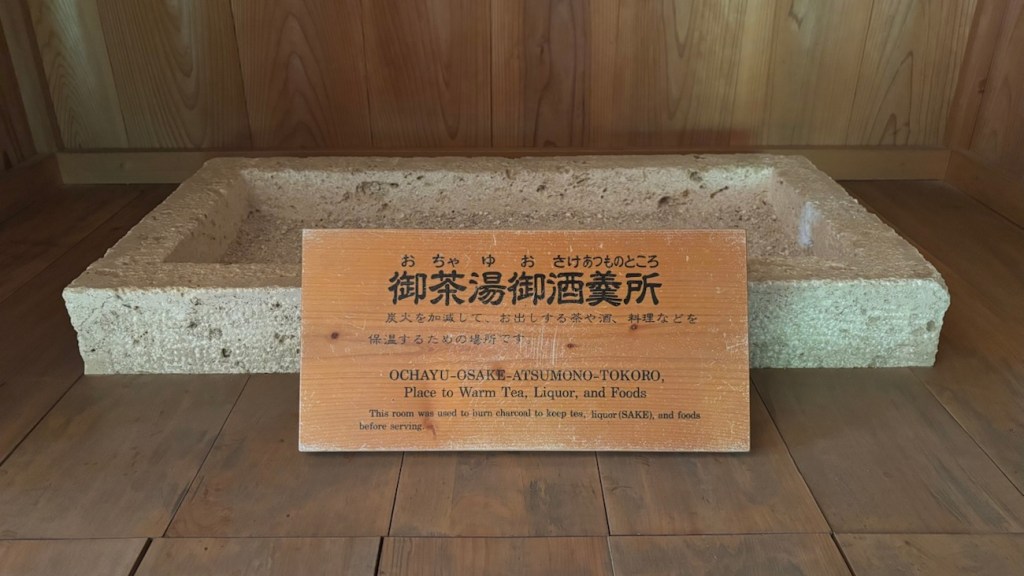
The gardens were created in 1799 under the Ryukyu Kingdom and used for the reception of an envoy from China. Totally destroyed in the Battle of Okinawa, restoration took 20 years starting in 1975. If you take your shoes off you can go inside – the rooms are open and bare but it’s interesting to see the use of each space. For example a “place to warm tea, liquor and foods”, and the room where tea was served to Chinese delegates in 1800.

Place to warm tea
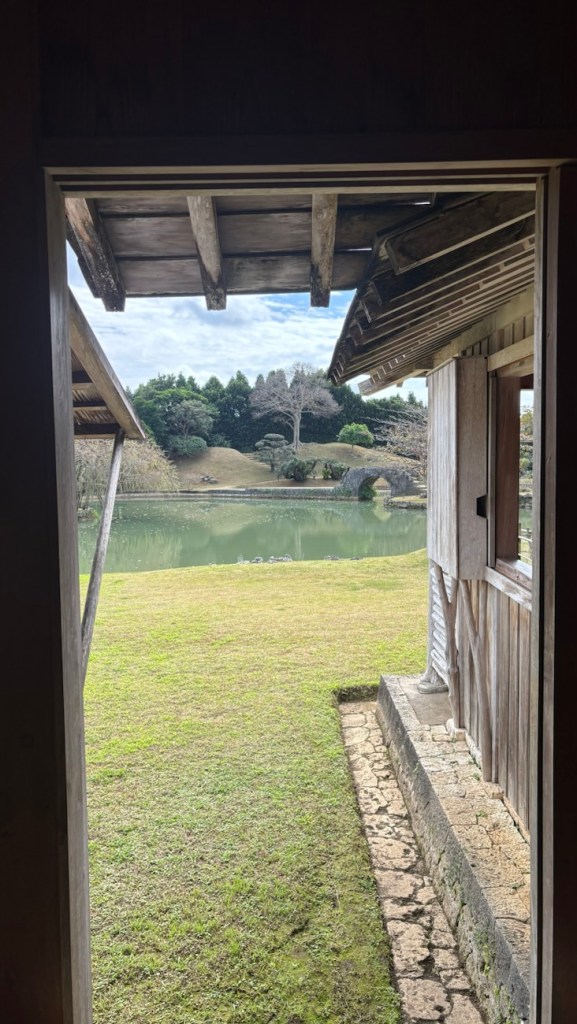
View from inside the palace

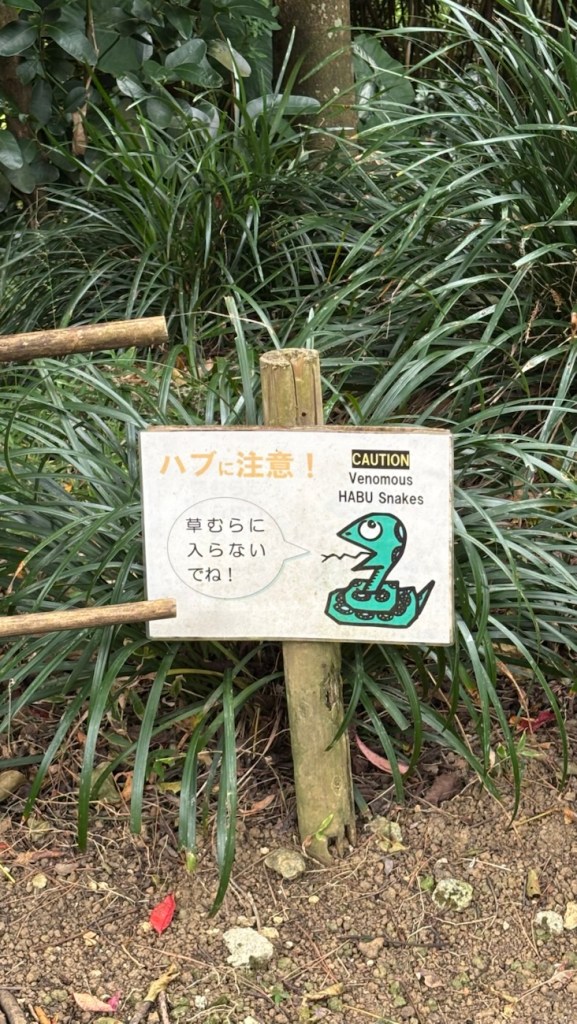
Although the numerous warnings about the local poisonous snake made it slightly less relaxing as I only had the cartoon like drawing to go by with no idea how big or small or aggressive it was. Aside from seeing no snakes, I only saw a couple of other people and had the inside of the palace to myself. There is a sweet little bakery right outside, if you can find a place to eat.

Warning

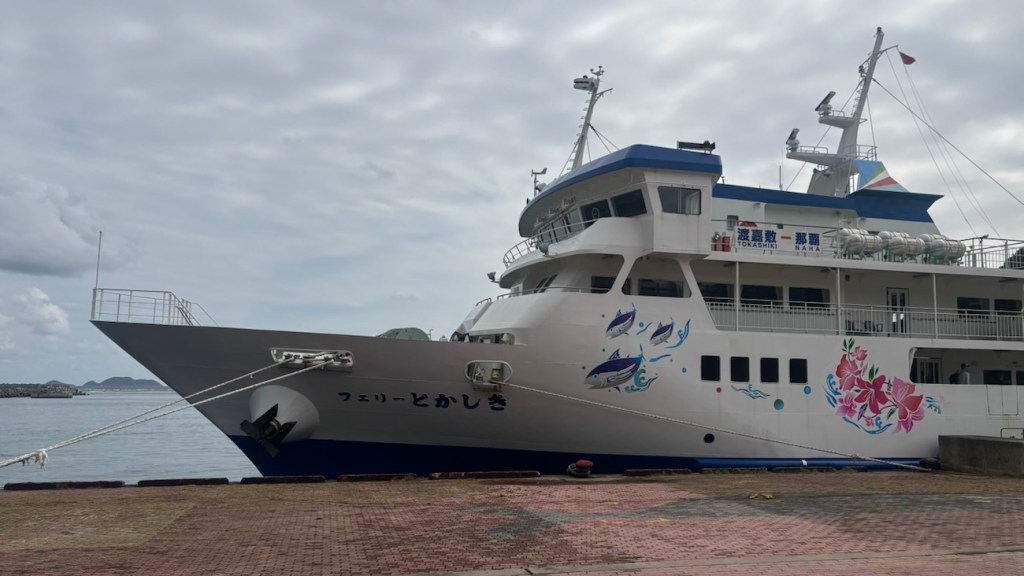
Ready for a change of scenery I wanted to visit one of the smaller islands. I was advised by the tourist information that given the weather (boats can be cancelled and not everything is open) it was best to choose the closest one, Tokashiki. This gave me the option of a shorter more reliable car ferry across. It’s 100% worth the trip. In winter the options are more limited with both the faster more expensive speed boat and the ferry each running once per day (there and back). The risk is that if they are cancelled you’d have to stay the night, which wouldn’t be all that bad!

Ferry across

I got off the ferry after about a hour and a half and jumped straight on the local bus to Aharen beach on the other side of the island. It’s helpfully timed with the ferry schedule. Aharen is a bit of a one horse town with a main road running down to the beach – it literally opens up onto the shore. There are a handful of cafes and snack bars dotted around but most were closed.

The road becomes the beach

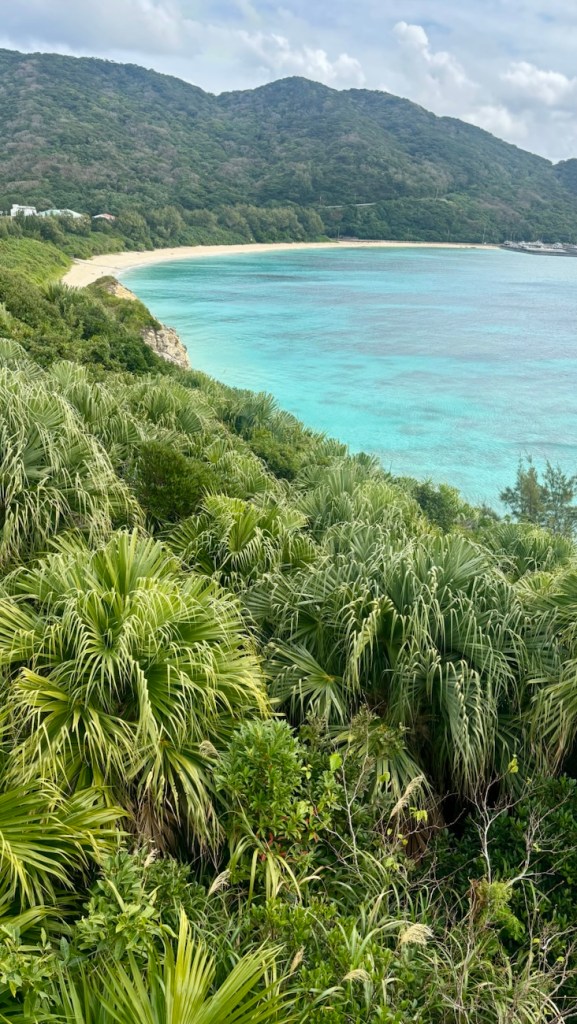
I found myself on the most stunning natural beach with crystal clear water and could imagine how amazing it would be to swim here in summer. The contrast with the thick forest is even more beautiful. The advantage of going in winter is that I again counted just 5 or 6 other people. I spent a few hours just chilling on the beach, climbing up to a viewpoint and enjoying sweet potato fritters and Okinawan lemonade.

Walk along the beach
View from the lookout

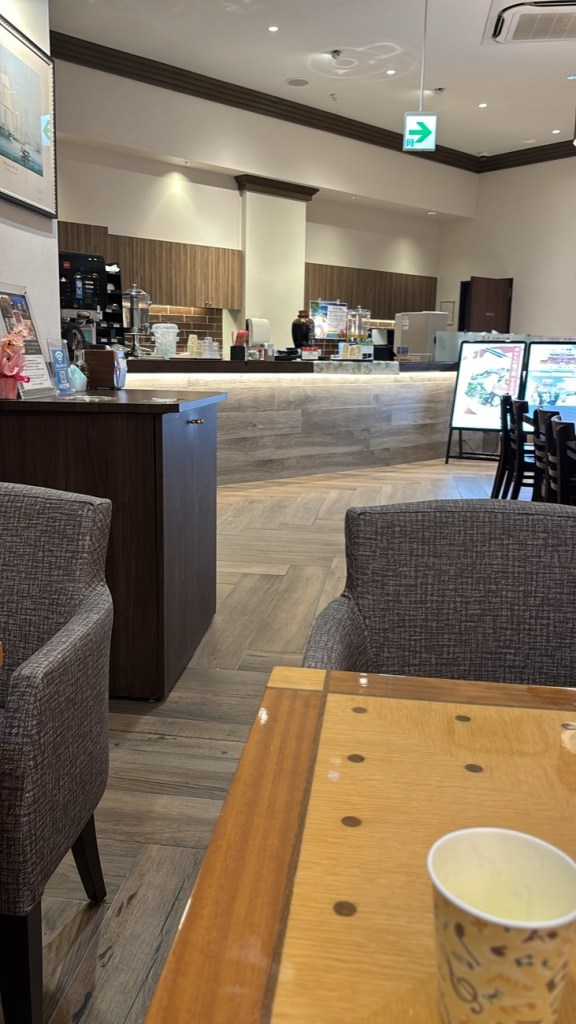
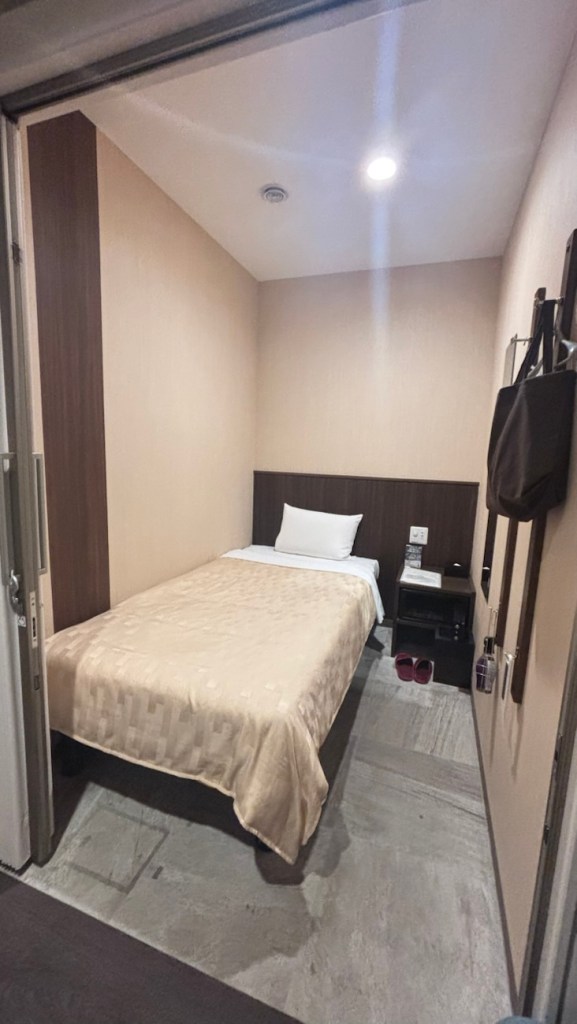
For my last few nights I paid £19 per night for a cabin room at the Grand Cabin Hotel. This is the best hotel I have ever stayed in. I could live there. You enter into a huge lobby and cafe area where the complimentary Okinawan breakfast and free lemonade or shot of local spirit are served. You can also pick up something from the Manga collection to read or buy souvenirs at the shop.

Hotel lobby

Going through to the women only floor, you get a decent sized bed in a lockable room with ample space for your luggage. But that’s not all – in your basket you’ll find two fresh towels, changed daily, and around the corner you go to the pillow bar and select from at least 10 different types of pillows and pickup a comfy pair of pyjamas and slippers.

My cabin

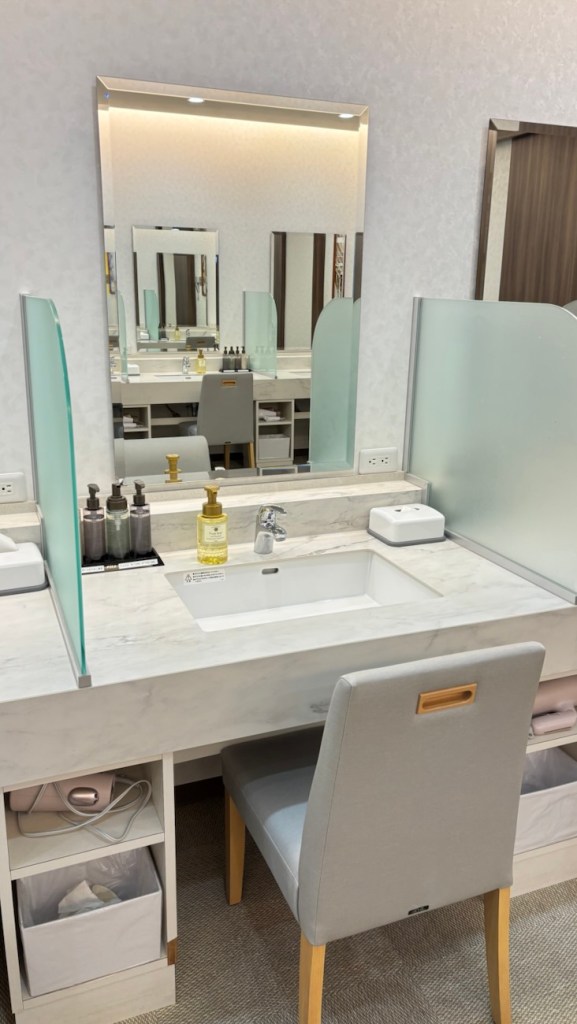
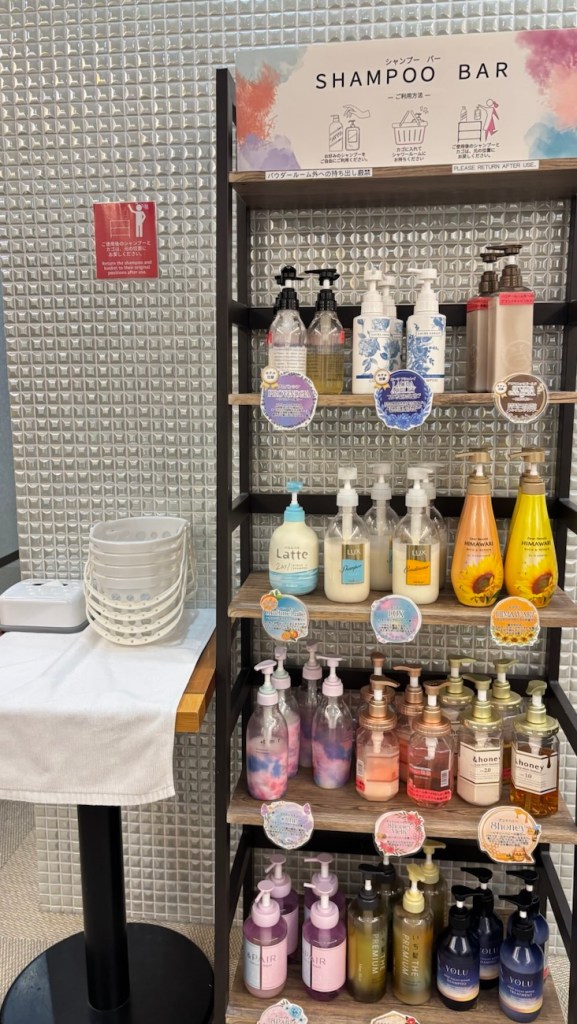
And that’s still not all – enter the powder room of all powder rooms. Several individual stations with hair dryers and straighteners, all the toiletries you could ever need and a SHAMPOO BAR. At least 10 different luxury shampoos and conditioners to choose from. In the UK people would be stuffing their pockets and stealing everything that’s not nailed down.

Powder station
Shampoo bar

It may have only cost £19 but the sheer joy of returning to this hotel in the evening, after picking up some freshly made cucumber sushi from across the road, was priceless.

The Hawaii of Japan (Naha, Okinawa)

There is a lot more to Japan than the mainland. Looking at the map, the Okinawan islands were only a short flight from both Hong Kong and Taiwan so it was too good a chance to miss. It’s winter in Jan/Feb so I went for the larger of the islands, basing myself in Naha which is described by some as the Japanese Hawaii. I can see why. Arriving at the airport there are strict rules on bringing in any type of food and sniffer dogs on patrol. My peanut butter snack bar was totally fine though. And the lady who searched my bag was the most polite customs officer I’ve come across, giggling and quickly closing the bag when she came across my underwear.

Monorail

Straight onto the Yui Rail Monorail that connects the city of Naha and less than 15 mins to my accommodation! I loved the Monorail with the orderly queue to board, strictly no eating or drinking onboard and the smart driver in his pristine cap and white gloves. Again just tap your contactless and you’re automatically charged, no need for a ticket.

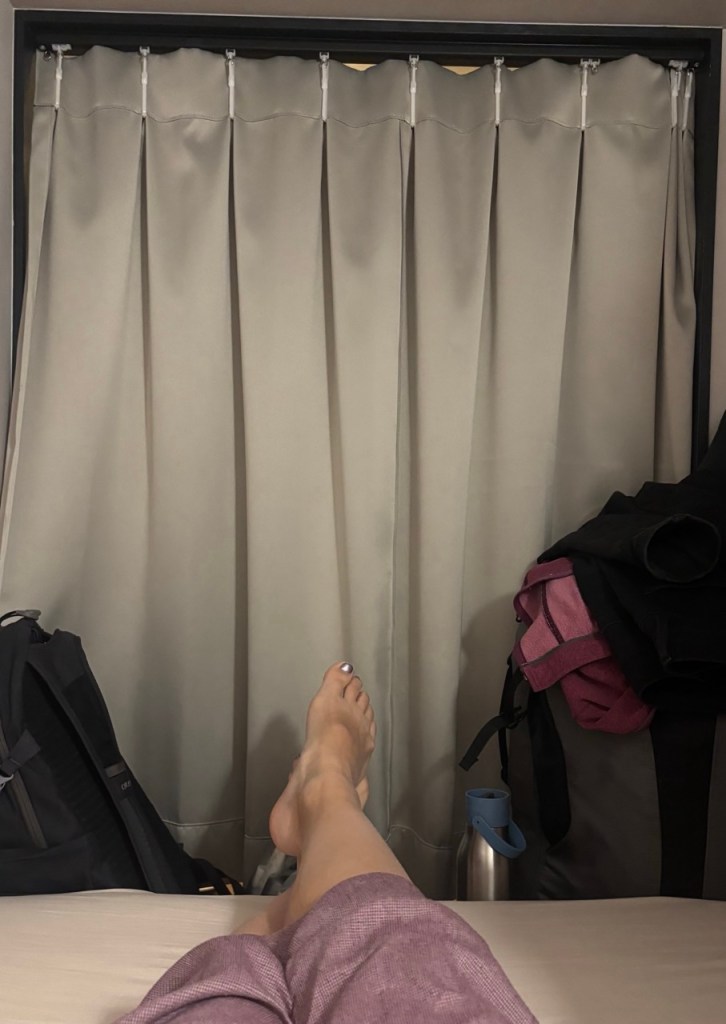
Lounging in my pod

Welcome to the world of Japanese capsule hostels, the answer to no longer in their 20s solo female backpacker’s prayers! My accommodation for the first three nights was Hotel Minimumms. Entirely women only, you get a private pod style bed with your own air-con, light and shelf, two towels changed daily, plus slippers and cosy pyjamas to lounge around in. The price of around £20 per night includes a simple but decent enough (dietary preferences aside!) breakfast of tea/coffee, bread rolls, croissants and boiled eggs. Given it’s women only, you just roll out of your pod in your PJs, have breakfast, chill out for a bit then get ready in the powder room full of free toiletries. Strictly no talking and phones on silence rules mean you get a great nights sleep – I admit I broke these rules with my morning alarm.

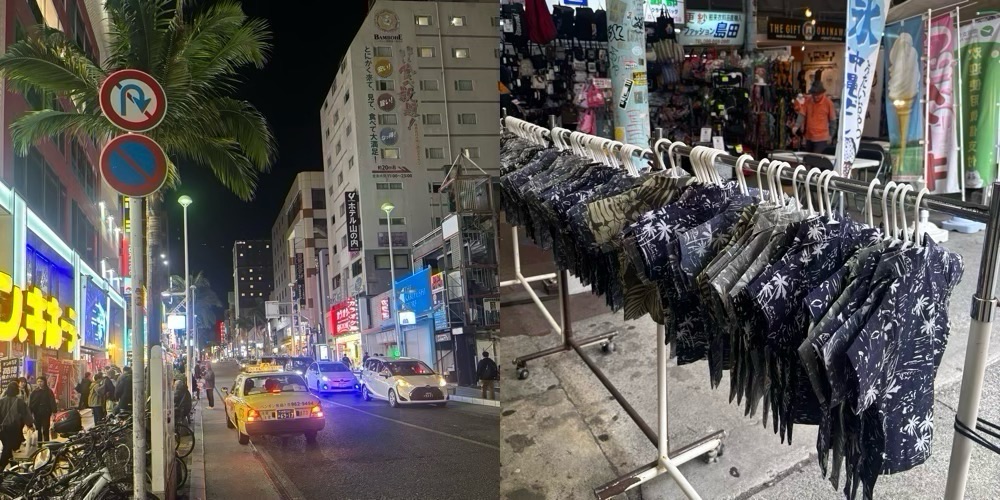
Palm trees and Hawaiian shirts

Walking around at night the streets have a holiday buzz about them, with Japanese and other Asian families on vacation. I didn’t see a single other Westerner for at least a day. The only thing I had pre-booked before leaving the UK was a spot on a morning whale watching trip which are likely to sell out with it being peak season for spotting humpback whales as they return to mate. Otherwise I rely on tourist information and local advice on what to see which usually works out.

Japanese restaurant

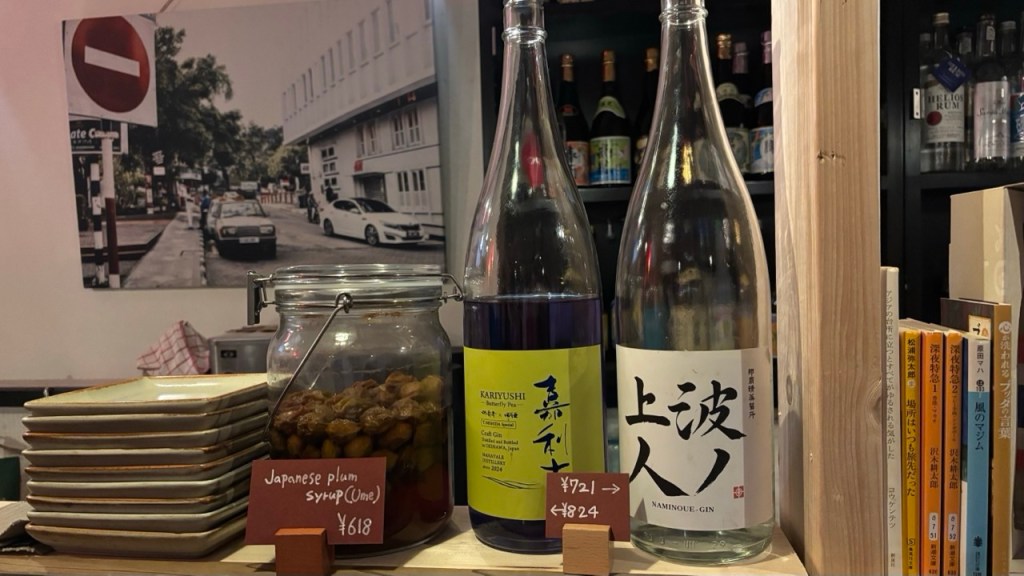
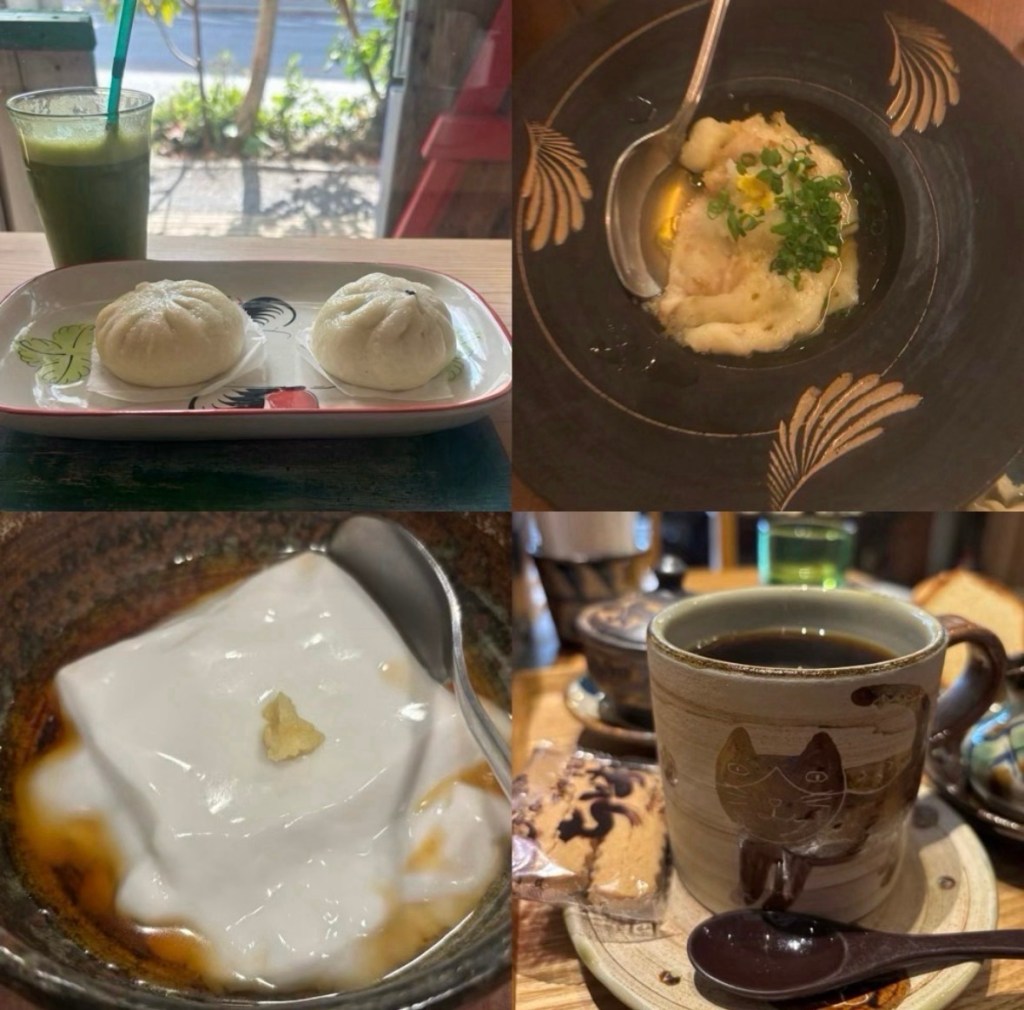
I lucked out on dinner as I found a tiny one-man-band vegan restaurant called Tamatebako tucked down one of the side streets. It was full but they squeezed me in at the bar and I enjoyed an ice cold Okinawan beer while the chef cooked the most delicious laksa and Okinawan tofu which is a speciality. This is not the place to eat in a hurry – it’s all freshly cooked.

Vegan dumplings, fried peanut tofu, fresh peanut tofu and coffee in cup of choice

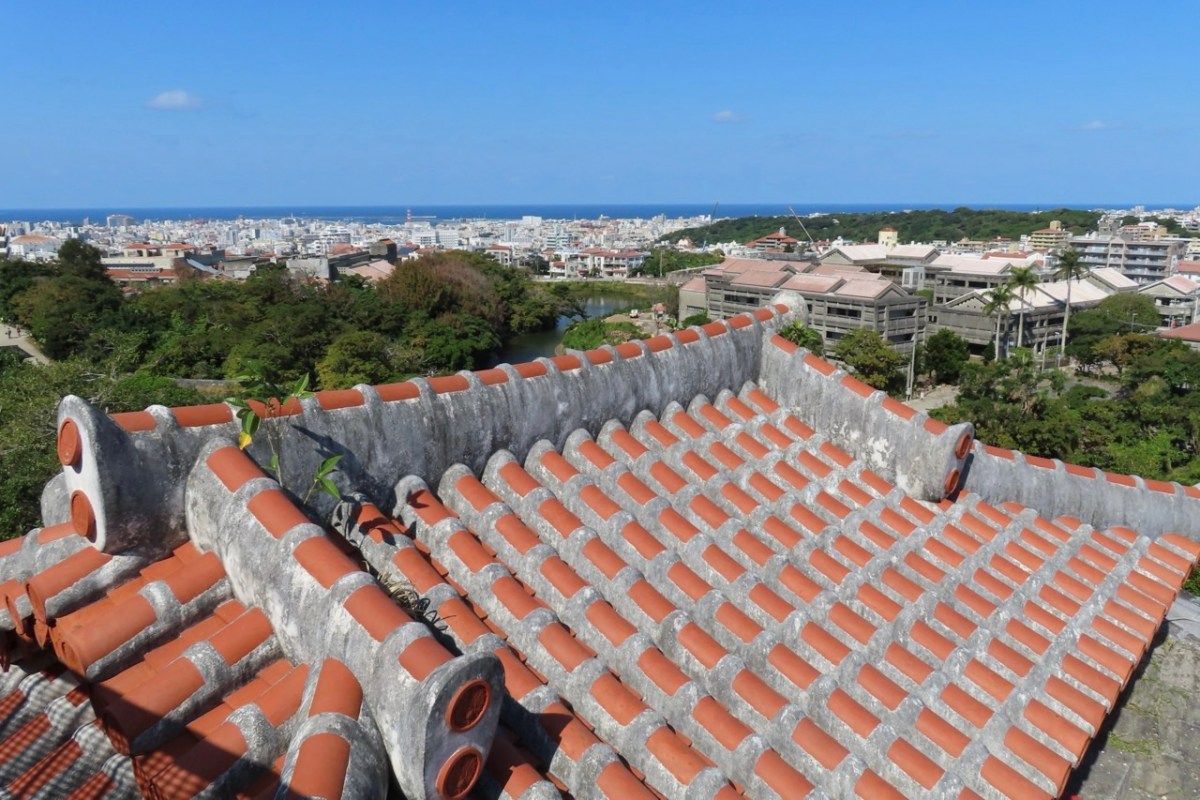
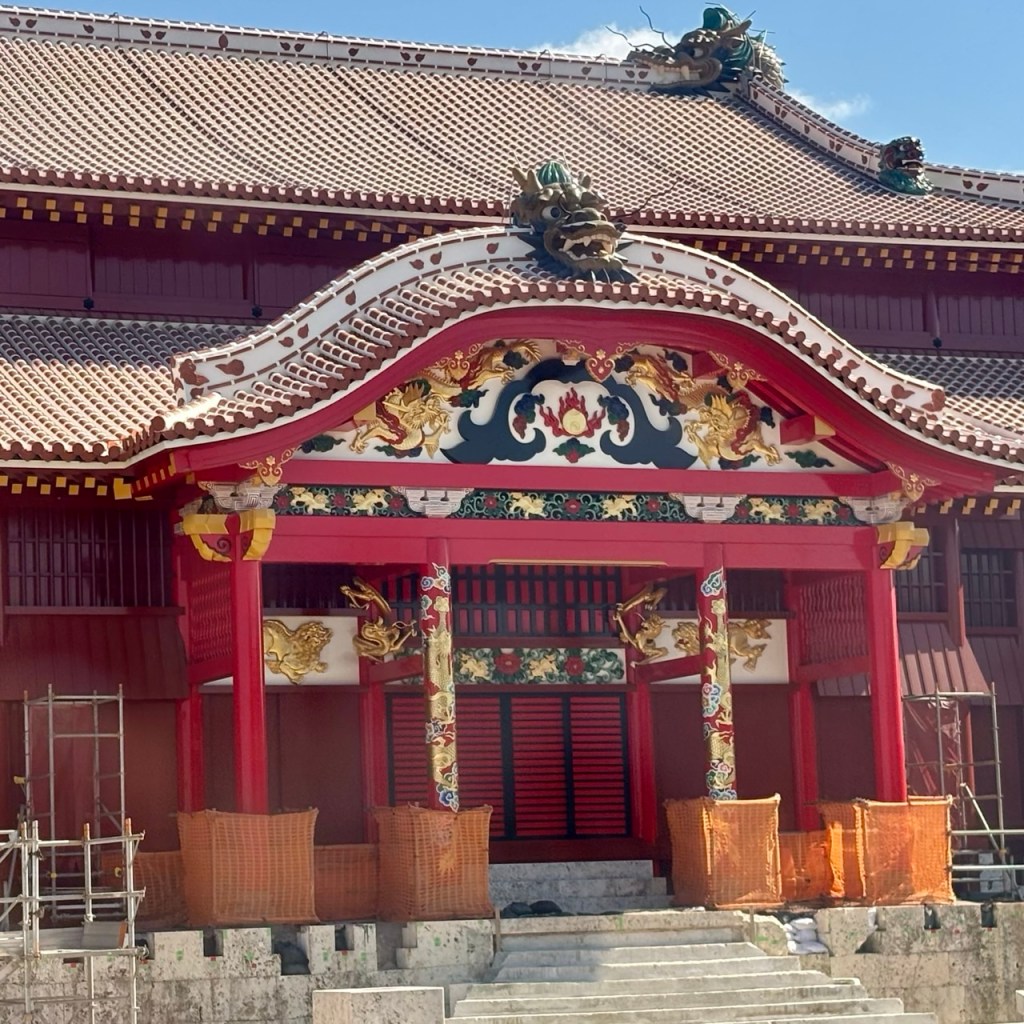
On my first day I headed to the Shuri castle, which served as the royal residence of the Ryukyu Kingdom for over 450 years between 1429 and 1879. It’s in a beautiful area with cute little streets away from the hustle of the main strip. The castle itself is under reconstruction but it’s still well worth a visit. An interesting fact about Shuri is that it had a water clock (“Rokoku”) – the volume of dripping water was used to measure time.

The best spot for lunch was actually the onsite restaurant which serves very reasonable set lunches including vegan options. I tried another local specialty of “bitter melon” stir fry – the bitter part is accurate, the melon not so much.

View from Shurijo

Keen to learn some more about the history of these islands, I paid the Prefecture museum a visit. It takes you literally year by year through the fairly turbulent history from the independent Ryukyu Kingdom in the 15th-19th centuries who traded with China under the Ming and Qing dynasties. The Ryukyu Kingdom was a thriving nation which connected Southeast Asia, China, Korea and Japan. The islands had a very strategic location for trading and therefore developed a unique culture. The museum takes you through to Japanese rule in 1879 after the Satsuma Invasion of 1609, then US military occupation from 1945-1972 before going back to Japan. The British had their own impact with the British Opium War in the 1800s.
The museum also educates on the early history – these islands have the most well-preserved fossils in Japan, with each set of islands having their own fossil fauna. Something interesting is the islander’s belief that Gods come from across the sea and bring blessings. The people have a very close relationship with the sea, and in Okinawan spiritual culture, the sea has multiple layers that are the source of all life, a home for deities and final resting place for spirits.

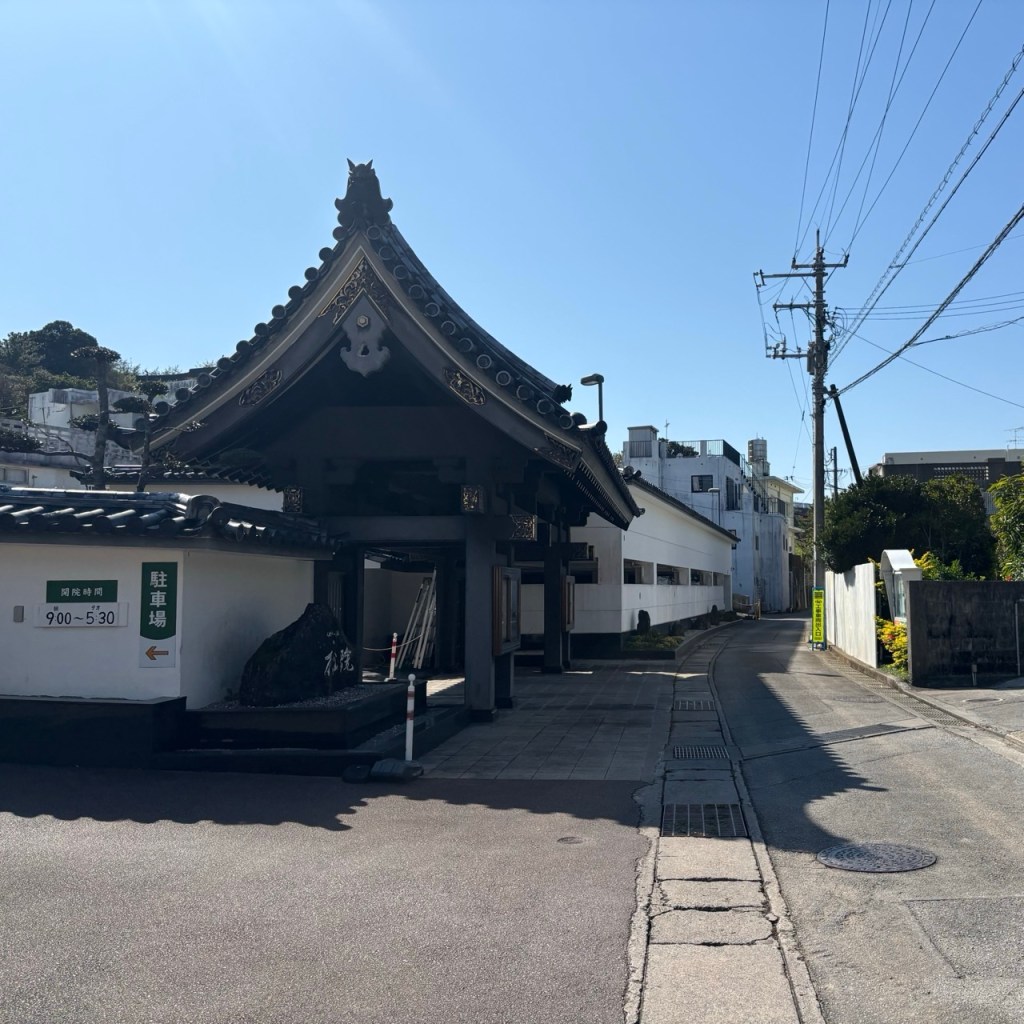
Quiet streets around the castle

There is a huge “American Village” on the island which is where lots of people base themselves, but I didn’t come to Okinawa to be surrounded by fake American scenes. The airbases are visible enough from the road heading north.

Shurijo castle through the scaffolding

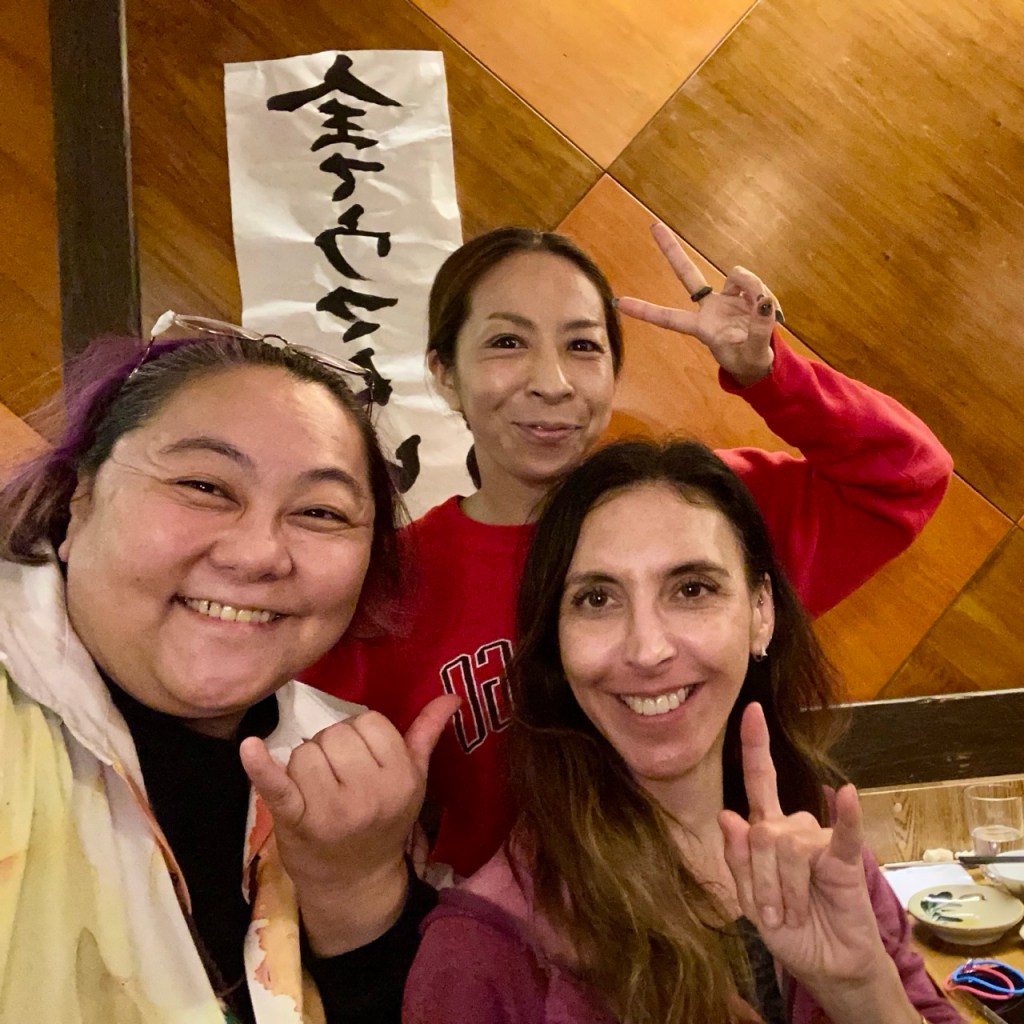
I had another great dinner experience, when I walked past a restaurant just outside my hotel with a big Vegan sign outside. It was again full, but after some smiling discussions between a family sitting at one of the tables and the owner, I was invited to join the family. With the help of Google translate we established that they were Mikki and her husband (who was fully blind which I would not have know until she told me) and Yuna, who had also met the couple in this restaurant some time before and became friends. It’s times like this where travelling alone is actually a better way to meet local people, which is one of the best things about travelling. I tried another Okinawan speciality of peanut tofu. I learned that deep fried is not the best way to have it as it turns to mush, but since I was with the family who were friends with the chef I had to eat it.

“Okinawan family”

The next day I left early for my boat trip at 8.30. Pickup was at 7.40 at a nearby hotel. I was very nearly late then remembered that in Japan they leave on the dot. I finally found the other Westerners on the island (all three of us) and we spent the boat ride chatting about life.

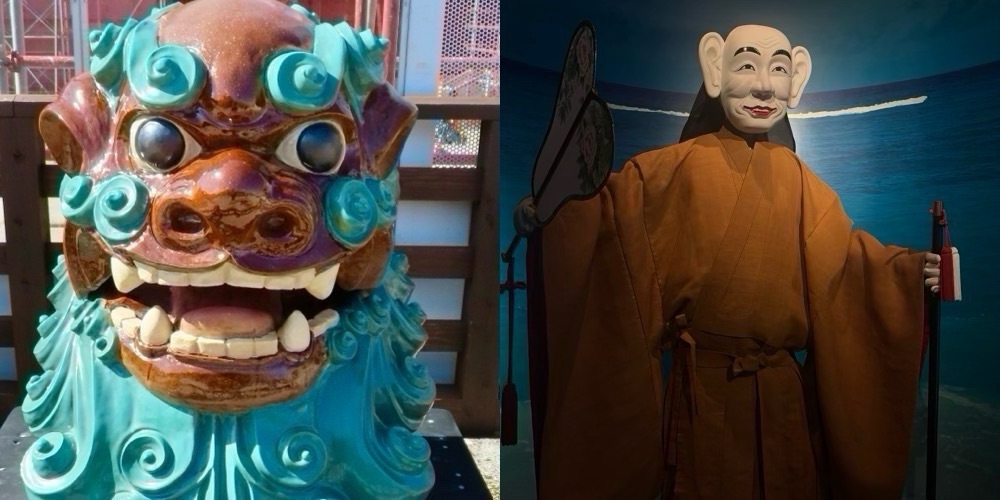
Shisa guarding the castle and figure from the Prefecture museum

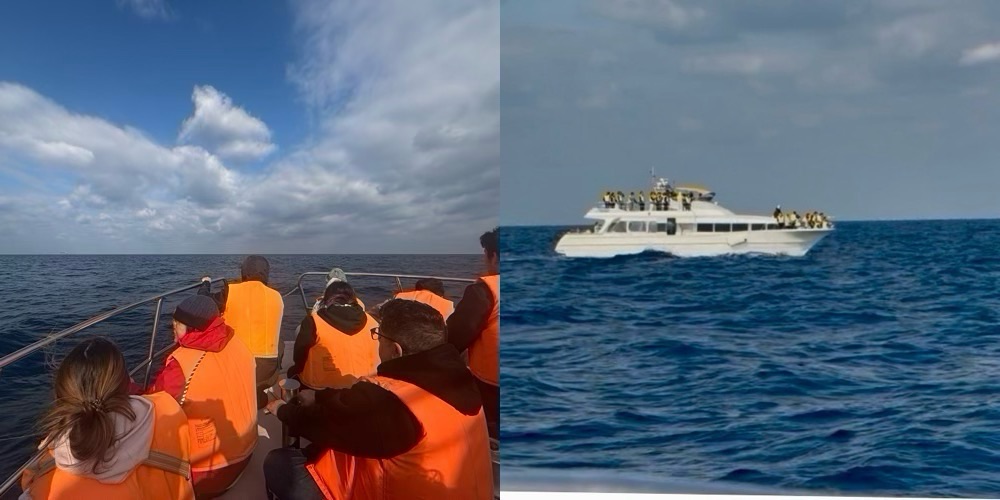
The whale watching boats are big enough for a top and bottom deck, toilet and can hold about 30-40 people. Despite them wanting to keep the English speakers downstairs we managed to nab a spot up the top for a more exhilarating (windy) experience. After an hour I was starting to doubt we would see any whales then we were all instructed to sit down on the front of the boat. Suddenly out of nowhere a gigantic Humpback whale jumped out of the water and flipped right in front of us, possibly 10m away but none of us were very good at guessing distances and by then we had lost the English speaking guide. It was far too quick to catch on camera unless like a lot of the group you had your camera held above your head videoing the entire 3 hour trip. After that we saw a few more in the distance, but nothing could beat that experience.

Whale watching

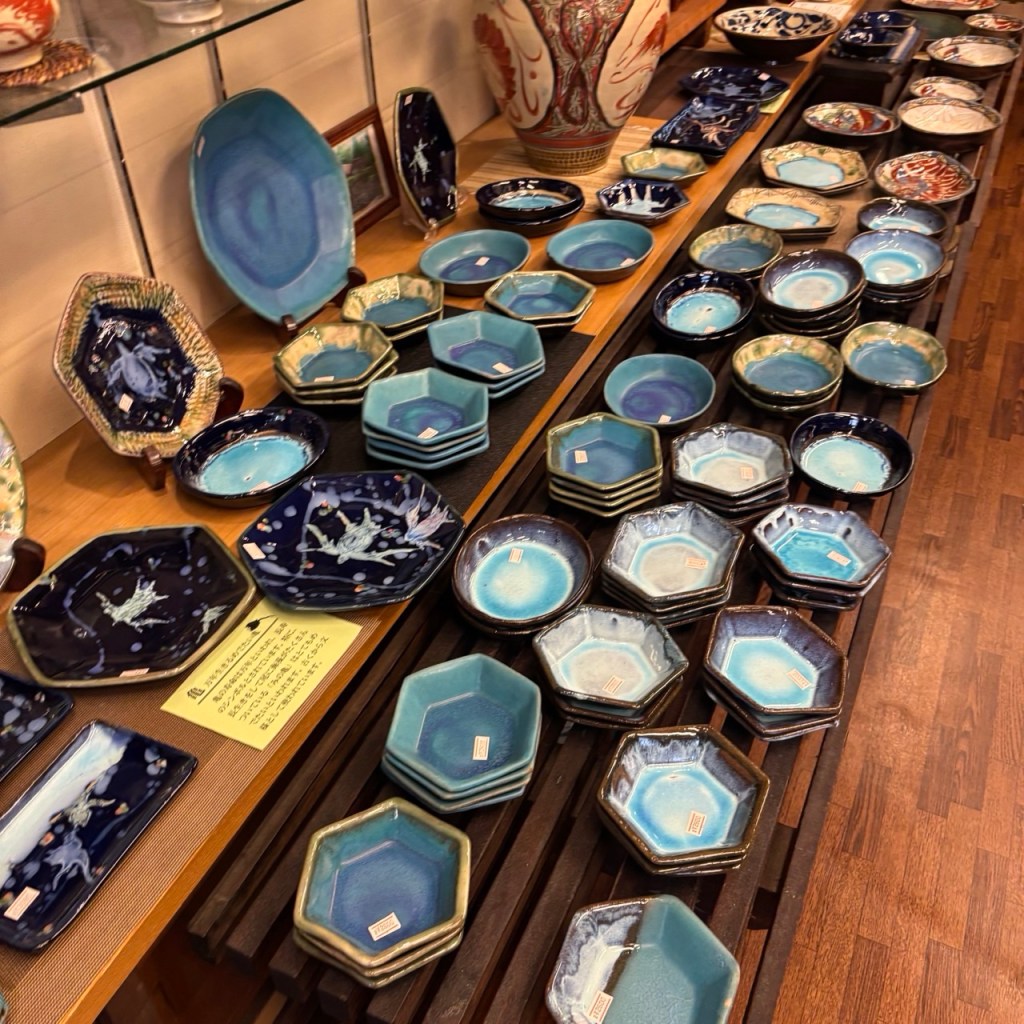
I made a hasty exit after the trip ended as the fellow Brit and I had already covered all conversation topics and his jokes were becoming annoying so I went for a more chilled afternoon of wandering the pottery district. The main Kokusai-dori street (International street) in Naha was already getting tiring with its flashy neon, fast food and crowds. On Pottery street you can find beautiful tea rooms (I was asked to go to the display cabinet and select which cup I would like my coffee to be served in, which made the experience) and shops with truly the most exquisite Okinawan blue pottery you can imagine. It’s not even expensive. But travelling with pottery isn’t practical so I could only dream of taking a pair of huge statues of Shisa, the traditional Okinawan lion-dog guardian, home with me. I settled for a key ring.

Okinawan blue pottery

There is enough to do on the main island for a few days in winter season. It’s warm for winter (around 20c) but a bit rainy and too cold to swim, plus the ferries to other islands are on a reduced winter schedule. It’s also much easier if you have your own transport. I decided to take a trip to a nearby smaller island anyway and join a tour bus to explore the north …

A Japanese Seaside and a Prayer to Mount Kurama

Japan : Miyajima, Kyoto and Kurama

In a slightly sober mood after Hiroshima, I packed up my things and booked a train ticket back to Kyoto but not before making a day trip over to the nearby island of Miyajima. A short ferry ride away, I was amazed yet again by the natural beauty of Japan.

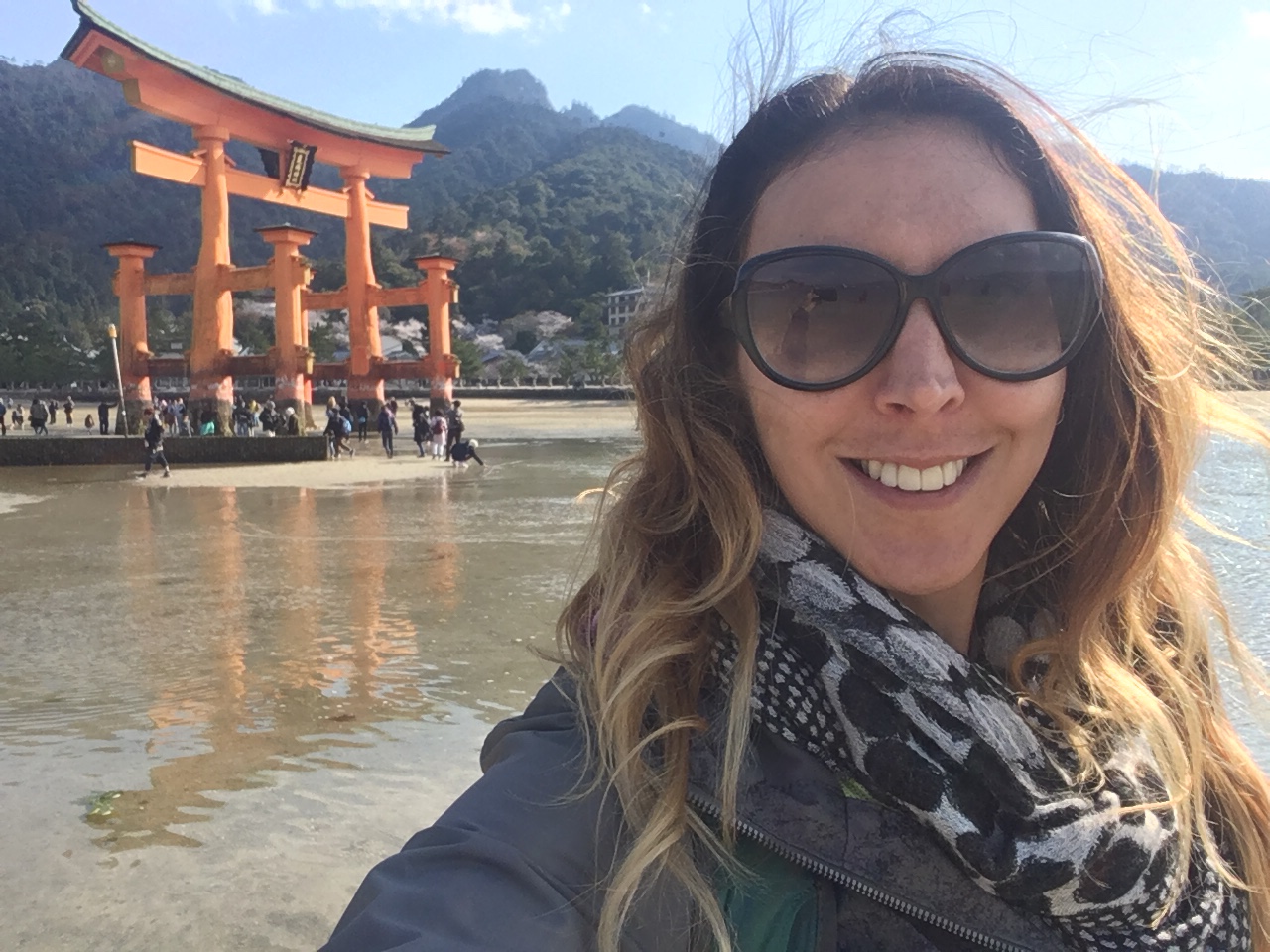
The main attraction of Miyajima is the Shinto shrine, with it’s floating Torii gate which free stands in the sea, partially submerged most of the time. I caught a glimpse as the ferry approached but the real fun was walking out on the beach at low tide to stand underneath it.

The streets are small in Miyajima and the pace is slow. I got there early morning and wasted no time in taking the cable car up to the mountain top. On the way I encountered the second biggest attraction – Miyajima has it’s own deer population 😎

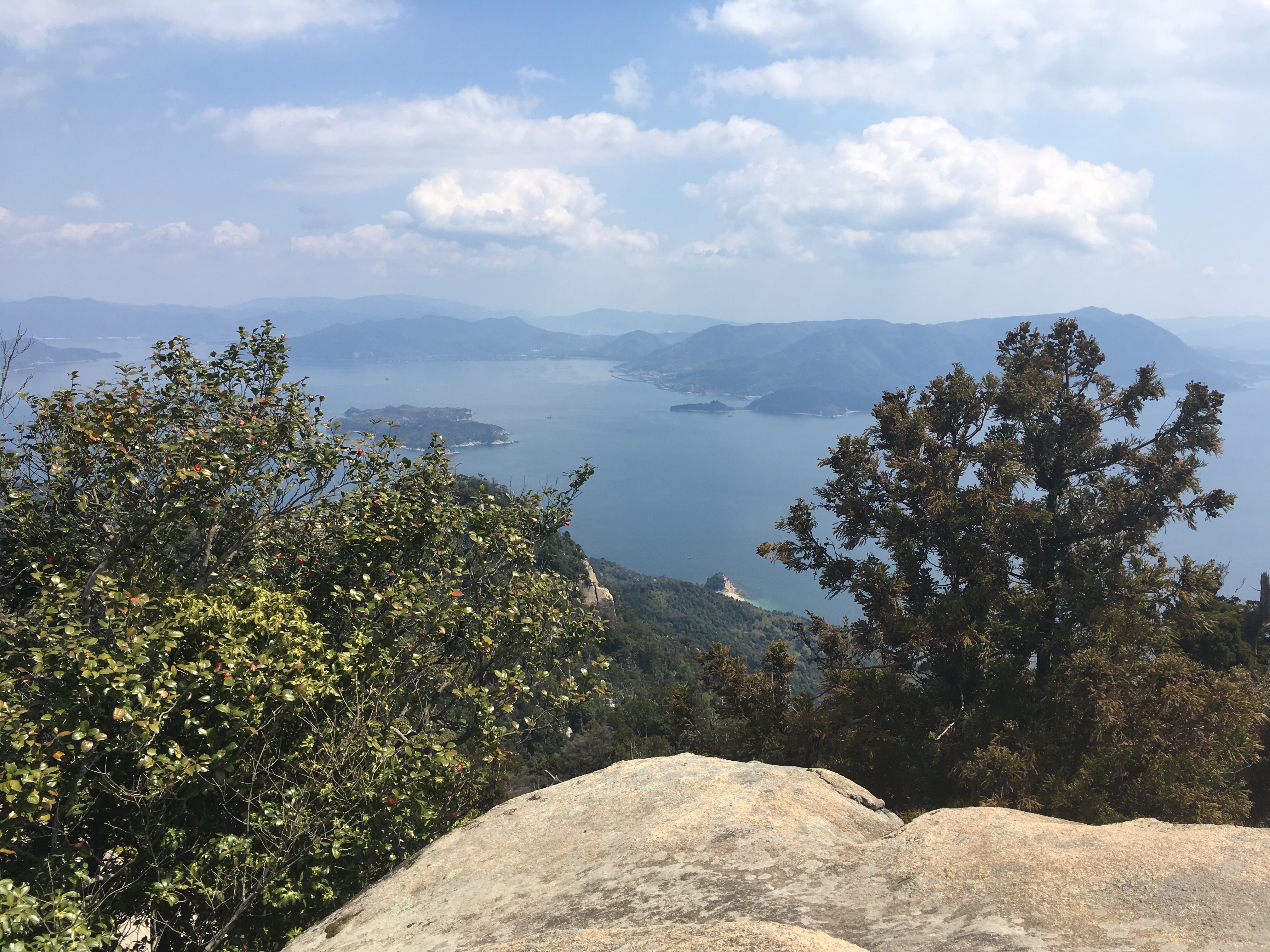
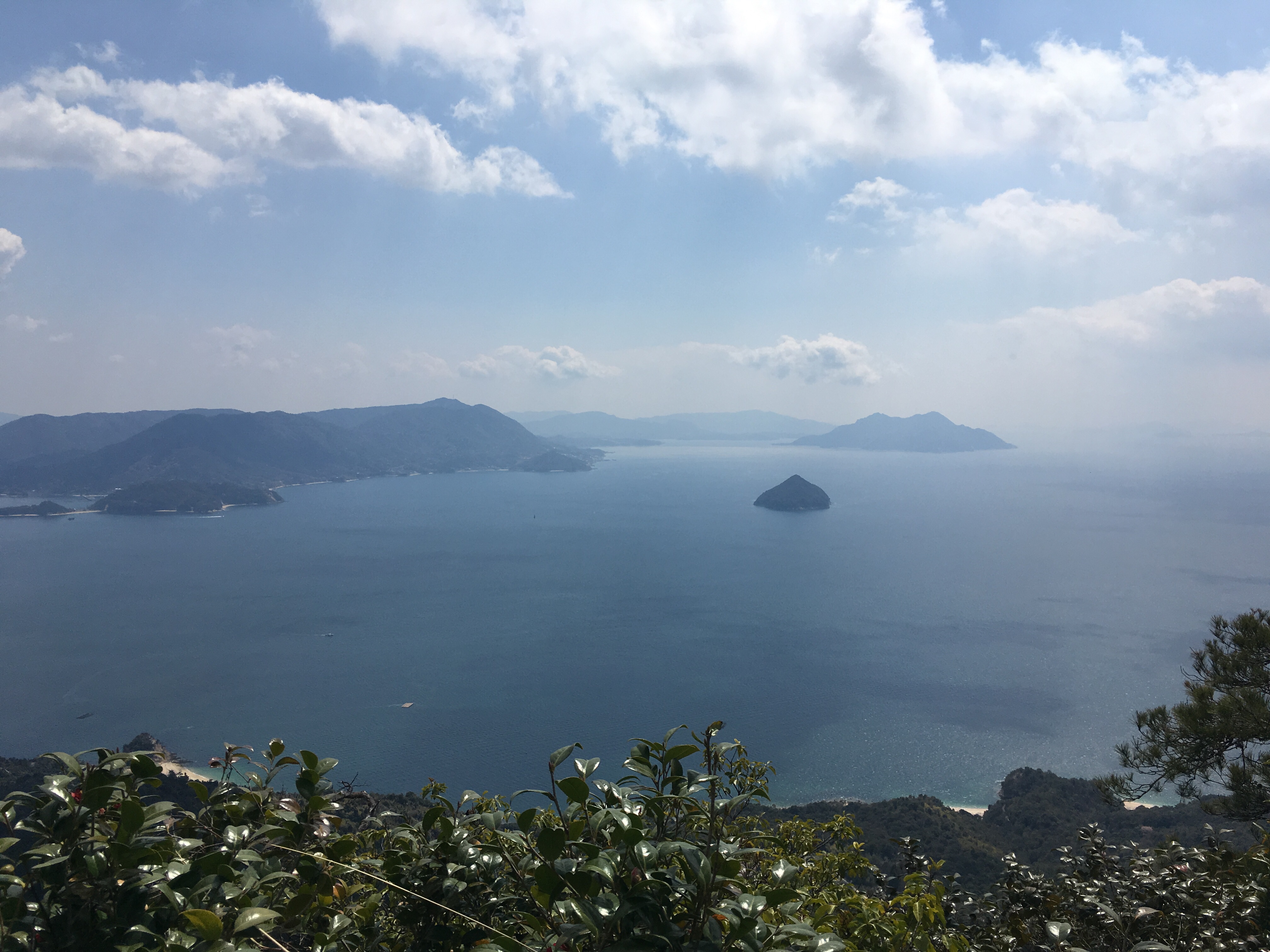
What I didn’t realise was the link to Kobo-Daishi (see post on Koya-san). The first cable car takes you half way up the sacred Mount Misen which I shared with a lovely old Japanese couple. It’s a pretty ride over dense forest. But the second ‘air walk’ is something else – with 360 degree views over the Seto inland sea and hundreds of tiny islands, you feel like you are flying. The viewing platform alone is worth the trip. Video below from the air walk…

Naturally I had to go to the very top, of the mountain, which is a fairly steep hike at times through woodland, passing a beautiful shrine to Kobo-Daishi himself, who apparently spent 100 days here and lit the flame that’s burning in the Eternal Fire Hall. It was this flame that was used as the pilot light for the Flame of Peace in Hiroshima Peace Memorial Park. It had indeed the same peaceful feeling as Koya-San.

At the very top the views were just incredible. It actually reminded me the Indonesian island of Komodo where I hiked up and looked down on tiny islands. I definitely wasn’t expecting this in Japan.

Back at sea level the tide had gone out so I could walk out to the gate. It’s strange walking around somewhere that was submerged in water only hours ago.

The main street is very busy but great for sampling new foods and a good coffee. Vegetarian steamed buns, deep fried cake, sweet red bean pastries and roasted chestnuts are all on offer.

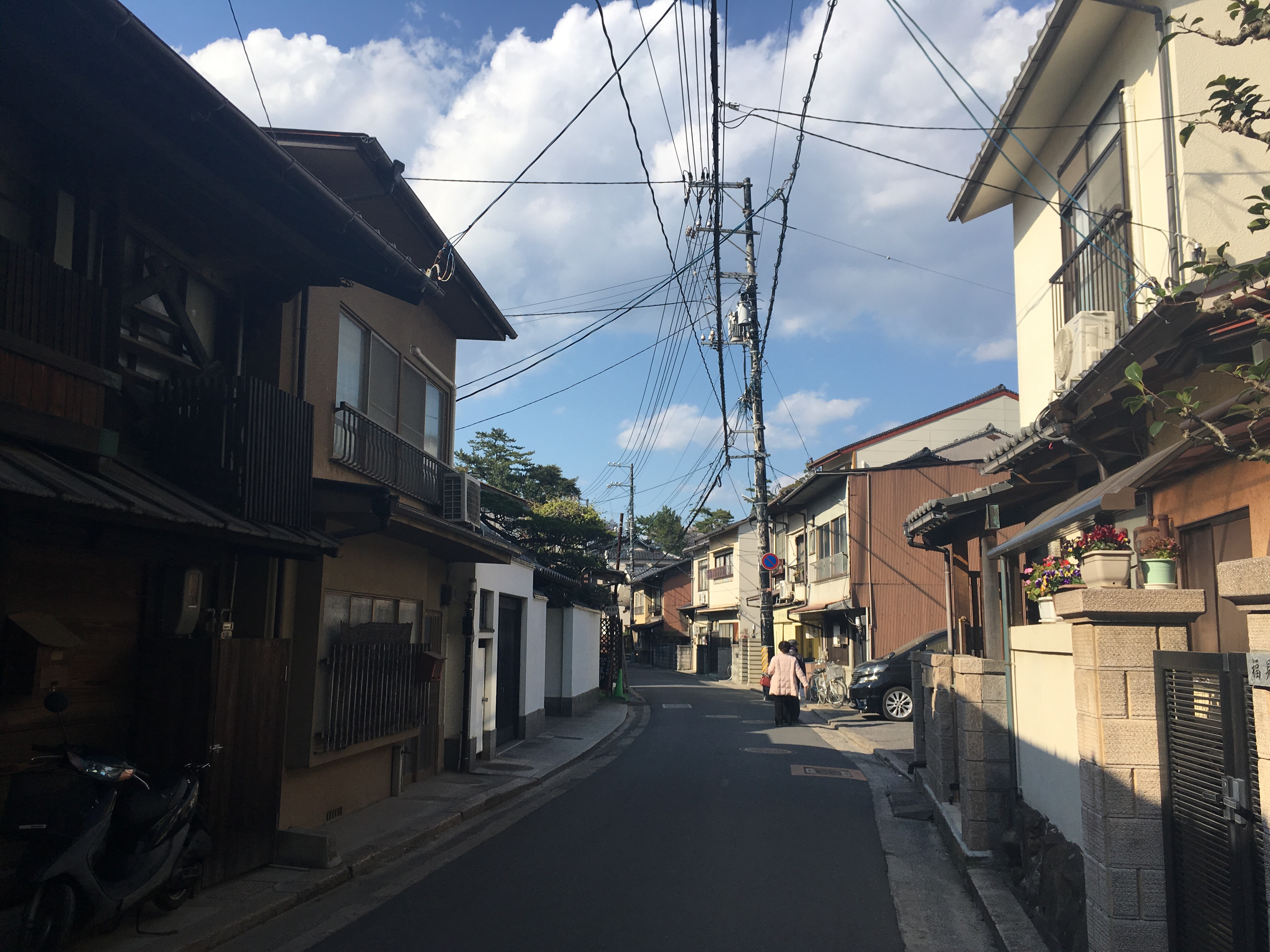
If you venture out onto the parallel streets, it’s like stepping back in time with empty roads apart from the odd bicycle and traditional houses.

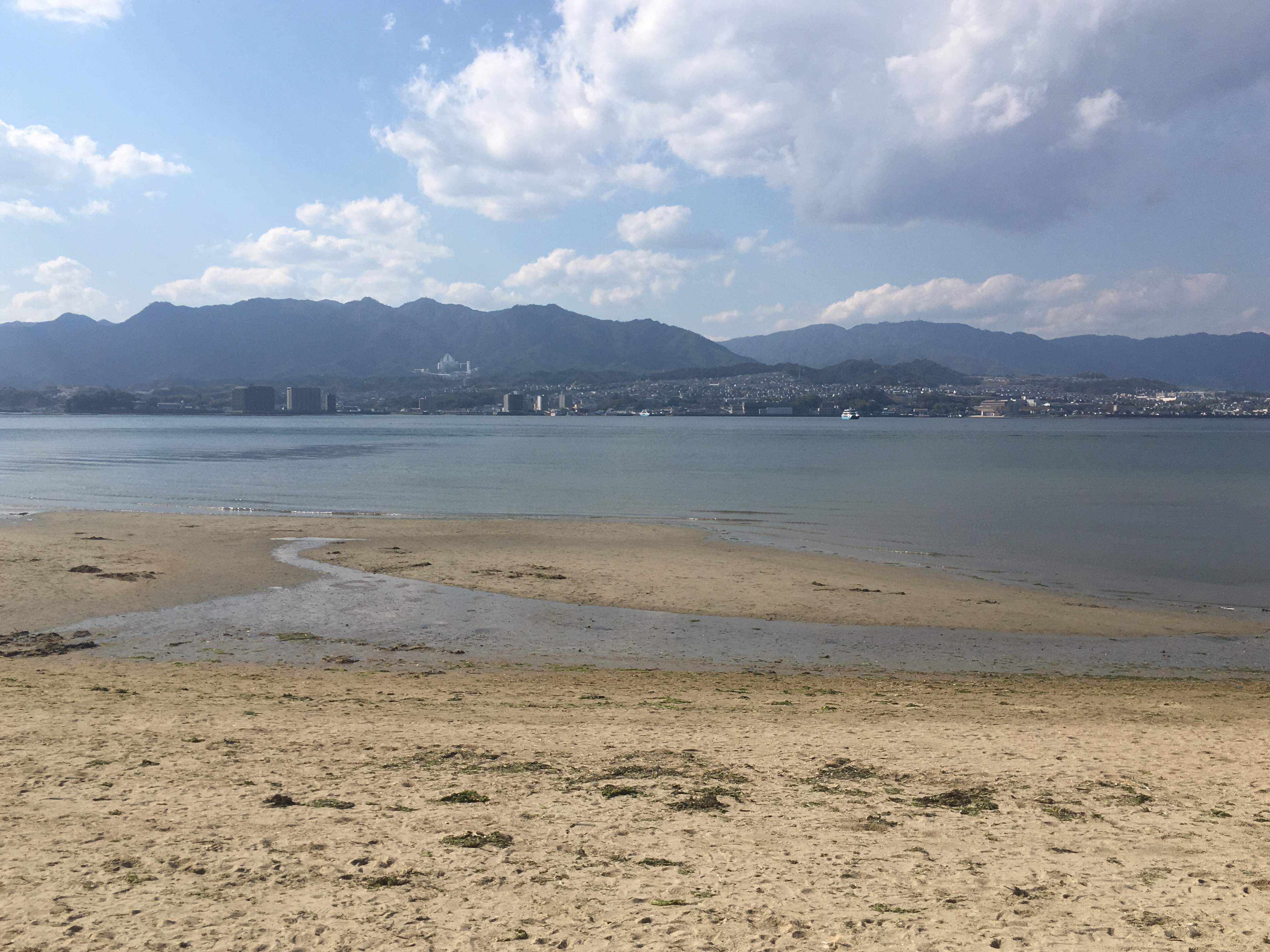
I really liked the feel of Miyajima, sitting on a bench by the sea looking out at the gate and up at the mountain top, with Hiroshima visible across the mainland. It would be nice to spend the night here to see the sunset although it’s very quiet. The highlight for me was the mountain top, which many day trippers skip.

Back on the mainland, I had time to try a version of the Hiroshima favour of Okonomiyaki noodles, sitting at a table in the train station watching the chefs prepare these nests of noodles and cabbage on the hotplates.

All of a sudden I was back in Kyoto wondering where the last 2.5 weeks had gone. I splashed out and treated myself to fancy pod hotel The Millennials, where your pod comes an iPad to control the double bed and lighting…

It also comes with unlimited free beer in happy hour of 5.30-6.30 where good looking flashpacker types filled up their glasses and mingled / played on their phones. I found it more like an awkward singles night. I was only staying two nights so I didn’t make that much effort! Perhaps if the hostel organised an activity it would have been easier to make friends.

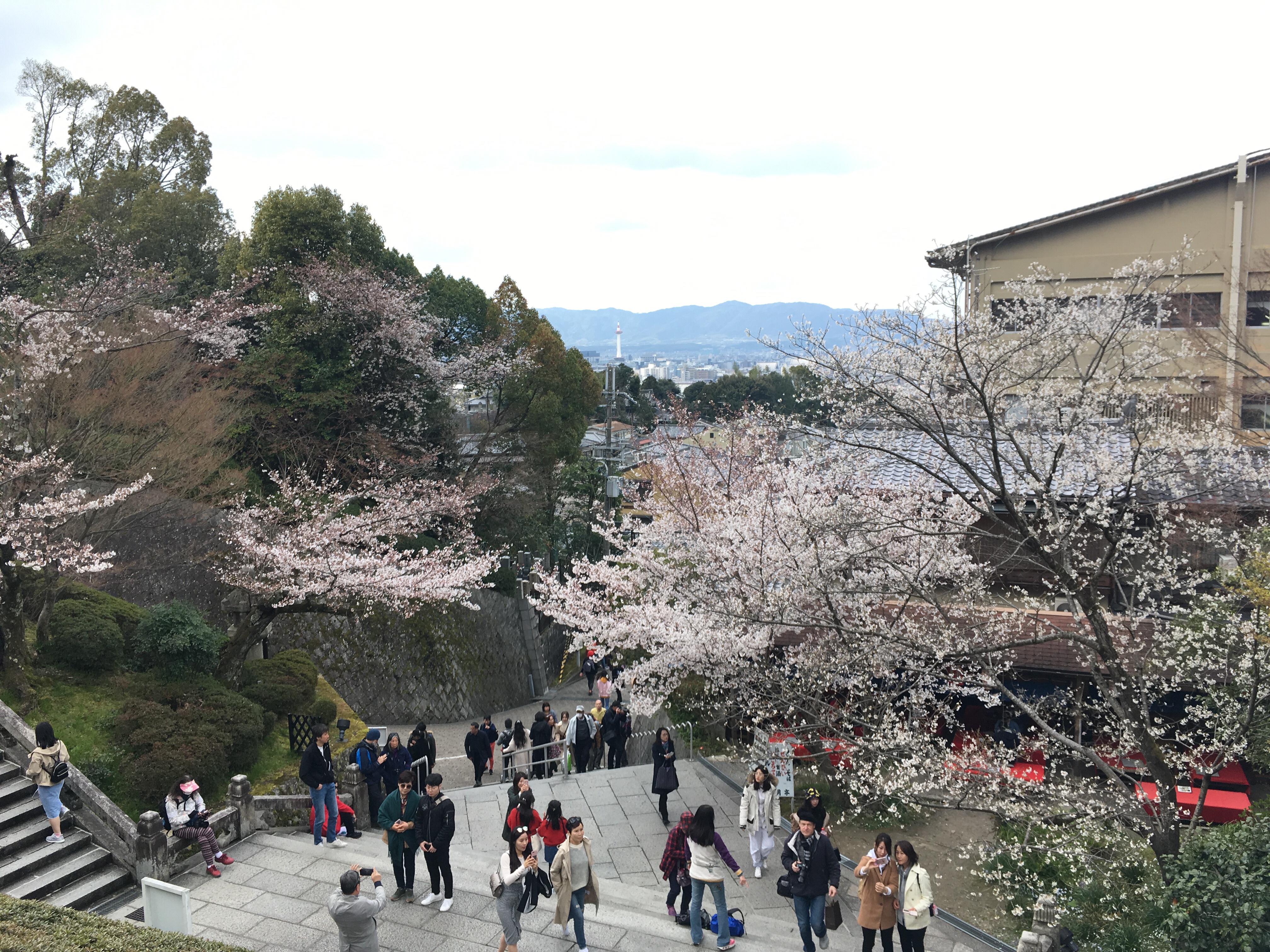
Coming back gave me a chance to visit the hillside Kiyomizu-dera temple and a final cherry blossom fix at Maruyama Park.

Whilst Kyoto is very pretty, the second time I found the crowds exhausting and wanted to end my Japan trip with some more nature. I turned to Trip Advisor and Google to see where I could go for some solitude and found the perfect place, the hike between two little mountain towns, Kibune and Kurama. Despite varying descriptions from different people (tough 3 hour steep climb, easy 1 hour meander, uninteresting walk along the roads), I decided to trust a description of a helpful blog and set off with some water and snacks. I really love a day trip with an element of the unknown!

An hours train ride north of the city, I got off at Kibune and was happy to find a local bus waiting to pick up passengers heading to the local temple and start of the trail, which it turns out has just reopened earlier in the year.

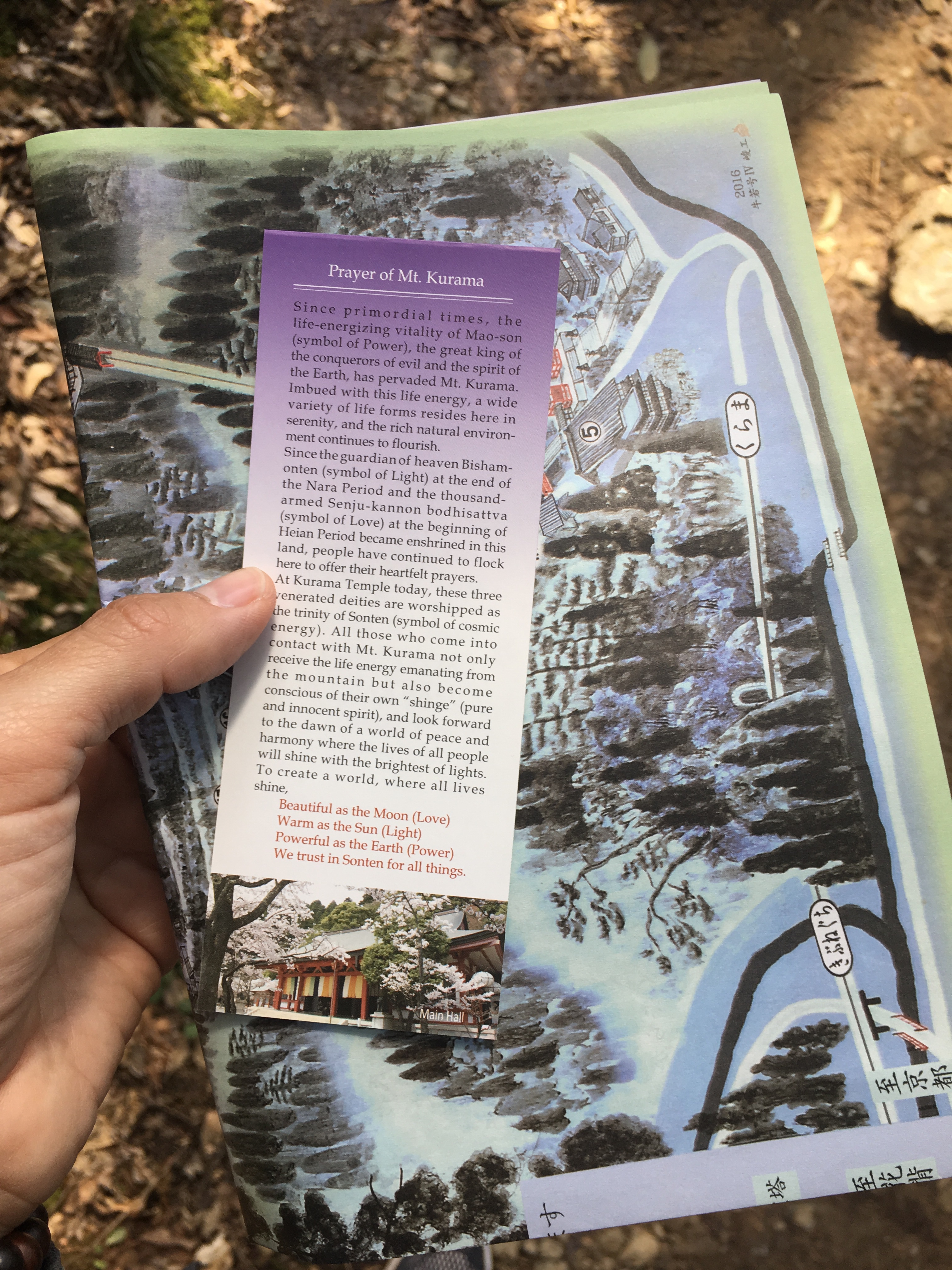
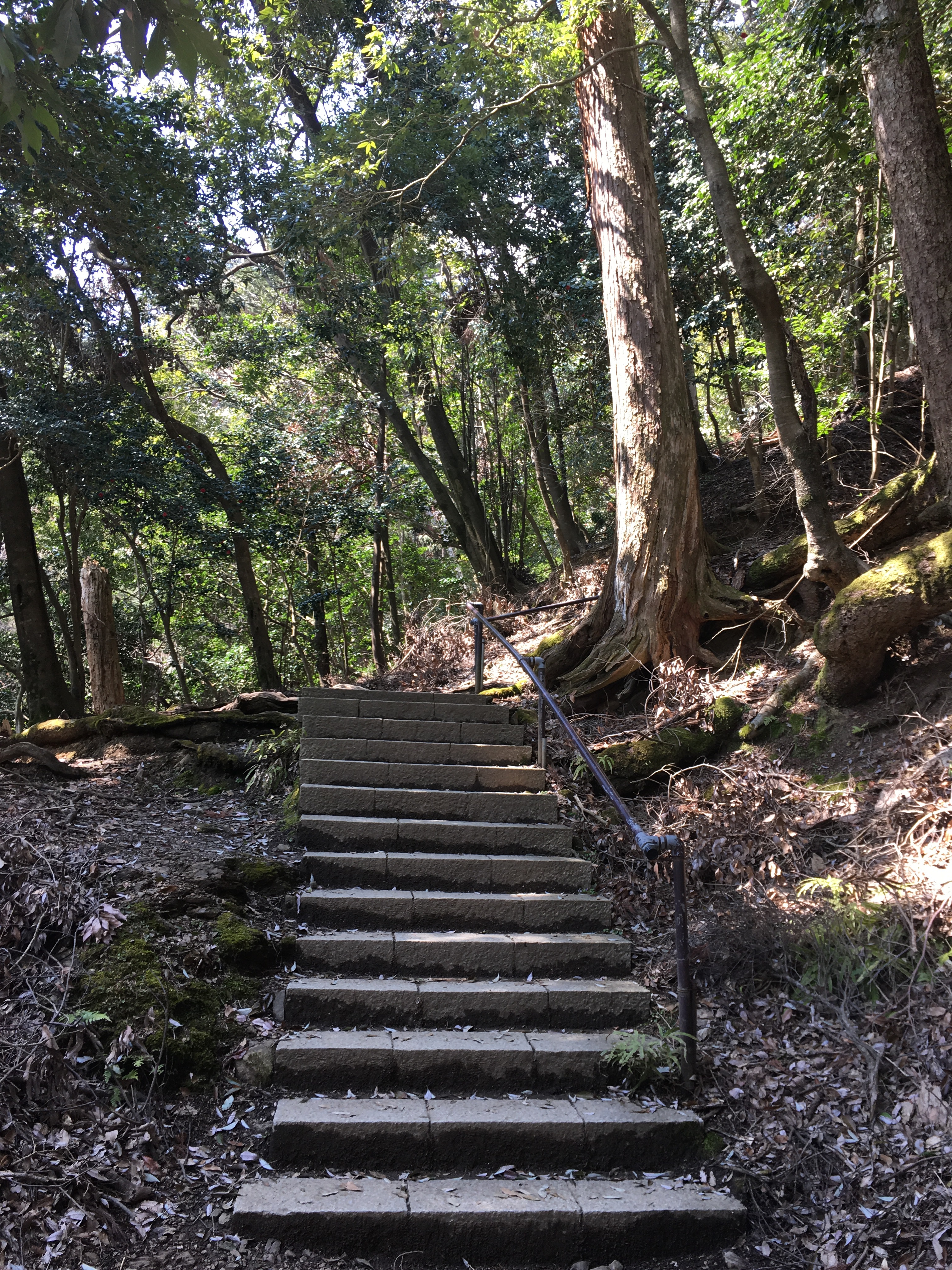
Sure enough I found the start of the trail where I paid 300 yen entrance and received a ticket and a map (all in Japanese). Once I started climbing the steps through the tall cedar trees, passing only a few Japanese people with a polite ‘konnichiwa’ and noticed that my ticket was actually a prayer to Mount Kurama, I knew it was going to be a beautiful day.

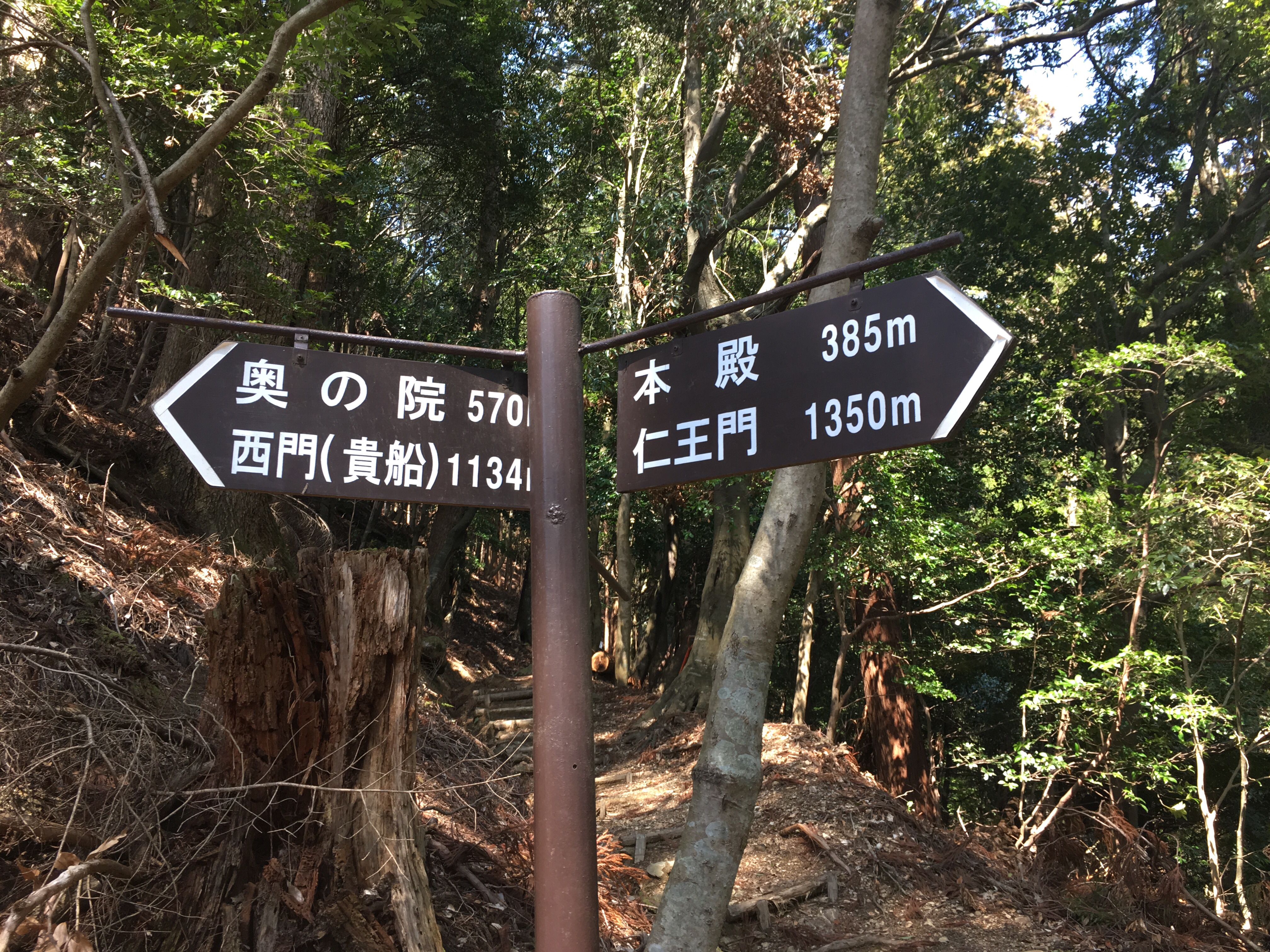
The path between the two towns is actually pretty easy. There are steps to climb but there are also rest areas and little shrines to stop at. With no idea what any of the signs said I just kept going until I reached a museum. For a couple of quid I thought I might as well go in – only after I’d paid did the old man give me a leaflet and say ‘Japanese’.

I was literally the only person in the museum at that time, and I suspect the only visitor that day. There was a weird display of photos with hidden insects and camouflaged animals, where I spent quite a long time looking for each creature until I remembered I wanted to be back before dark.

I’m sure the fossils were interesting if you could read what they actually were, but what I did like was the guardian statues on the top floor where I had to change into wooden slippers before entering the room. No photos allowed, but here is a similar guardian, from japanvisitor.com. These guardians are found at many Buddhist temples and usually have intense, often scary expressions. One of them had eyes that almost followed me around the room.

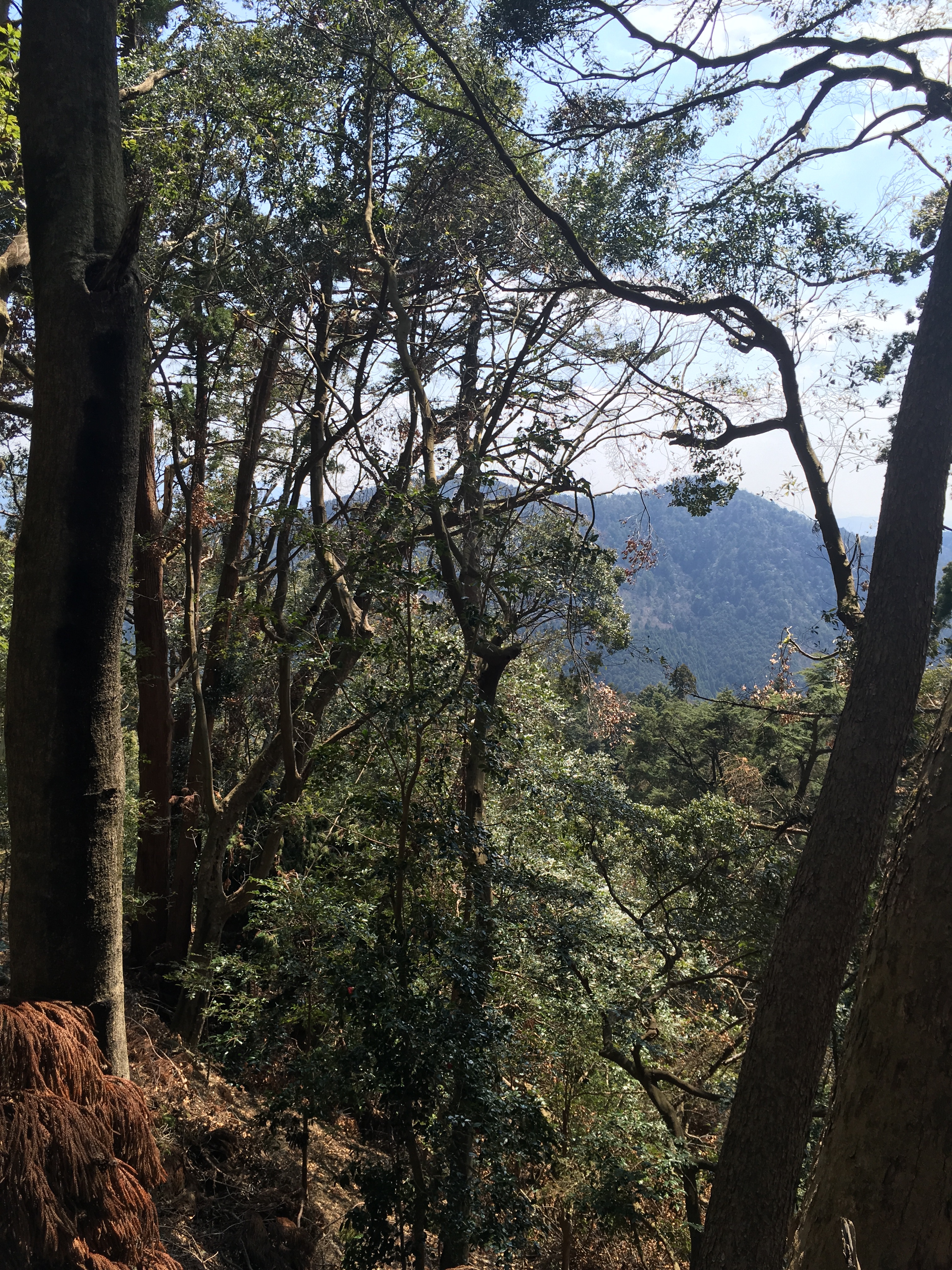
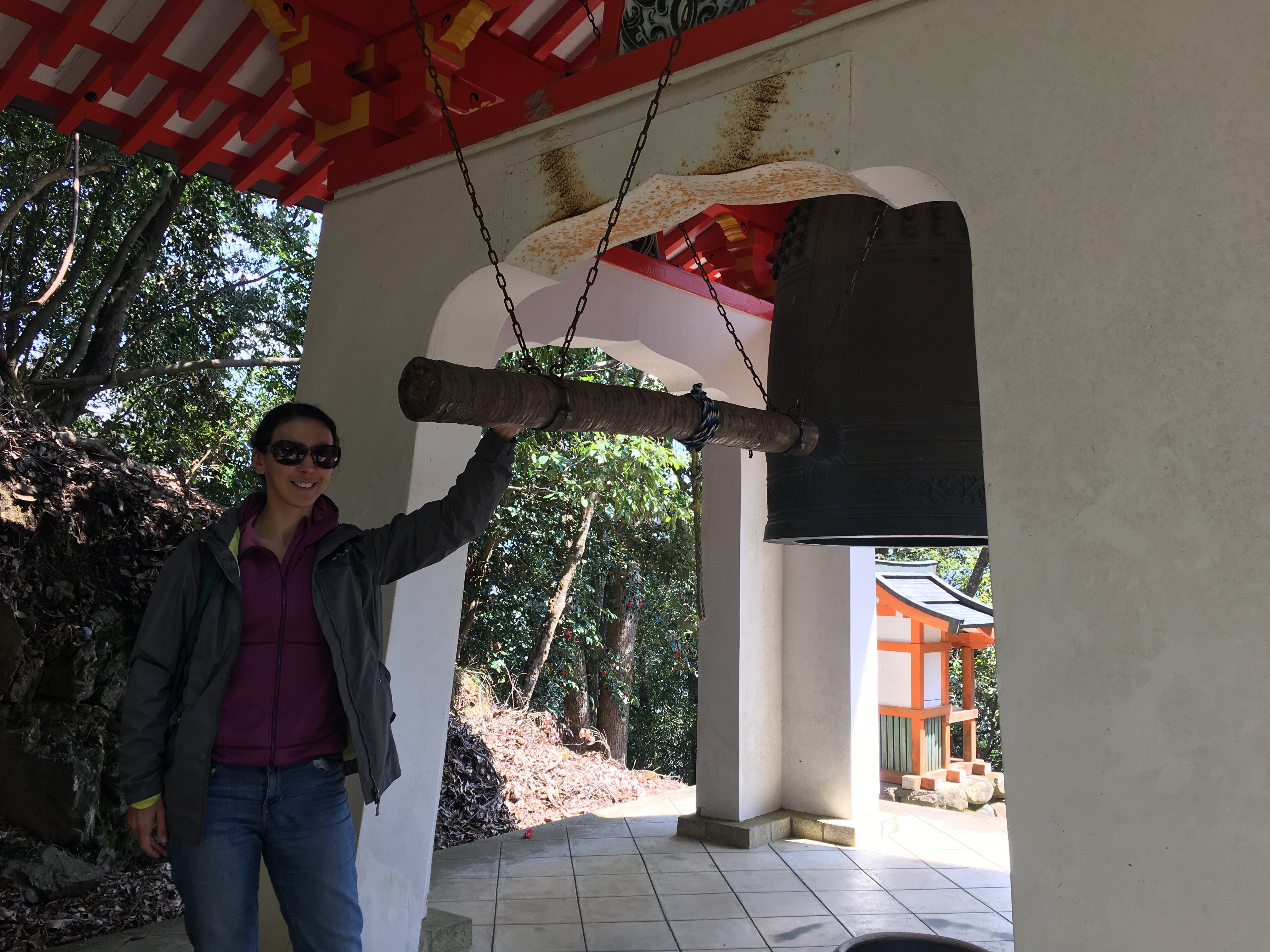
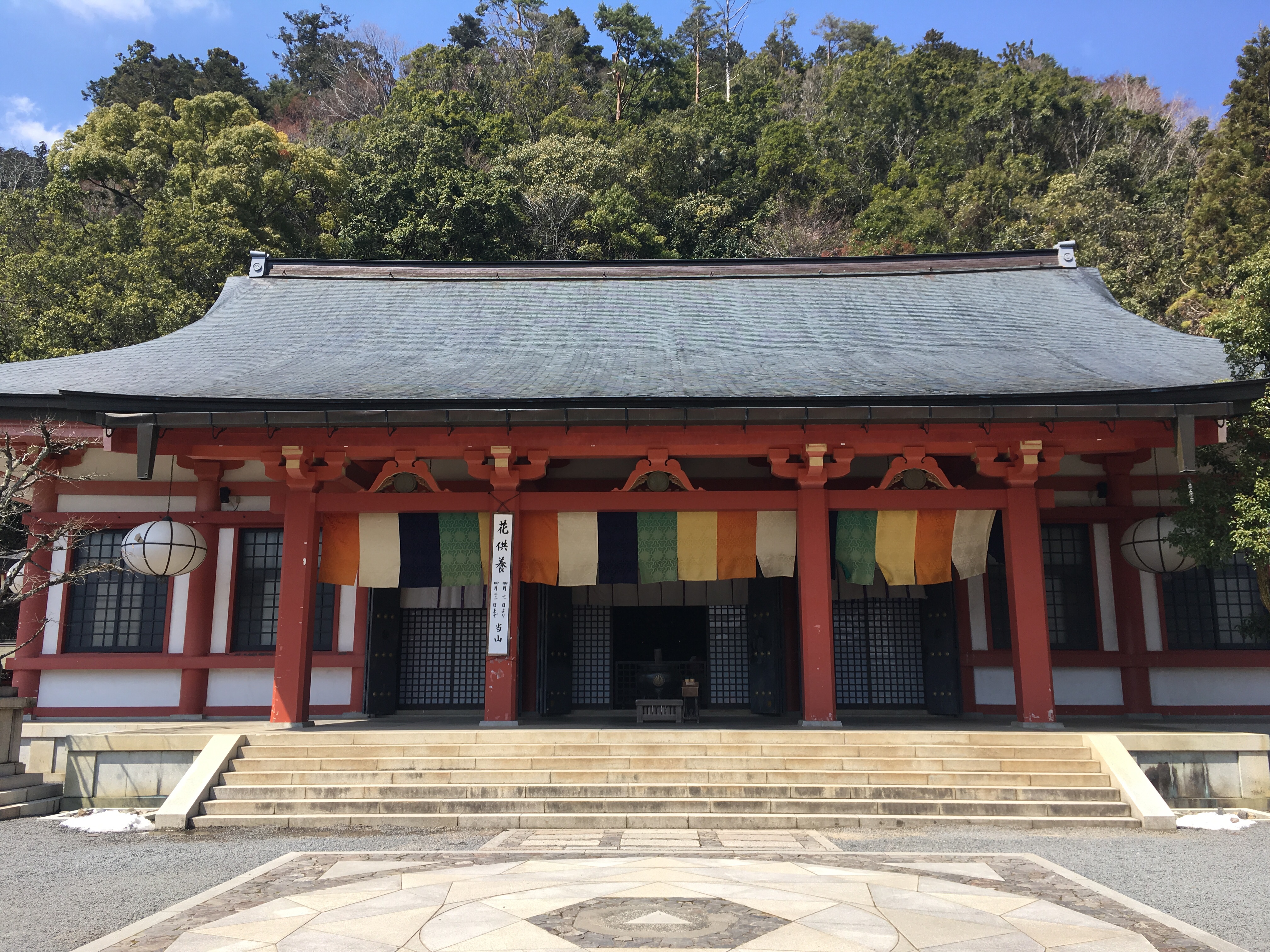
Finally I reached the main Kurama temple, with huge bell you could ring and amazing views over the forests. Notice there is nobody in my photos! I had managed to escape the tour groups at last.

At the foot of the mountains is, amazingly, a Buddhist vegetarian restaurant where I enjoyed hot noodles (after watching some Japanese people first to see how they poured the soup and what order to eat things in) and a smoky tea that the lady kept refilling.

Kurama is a one steet town and ten minutes walk past houses with shutters down that seemed closed up or empty is, of course, a hot springs. I had felt I missed out on the real Japanese onsen experience as every time I took the plunge I was the only one there. This time I was going to take off my clothes with some Japanese ladies otherwise my trip would not be authentic! As a fitting end to my trip, this one had a beautiful setting outside on the mountain side, looking up at the cherry blossom whilst relaxing in the hot mineral water. Success!

And that concludes my quick trip to Japan. Added as an afterthought, it amazed me on daily basis and I can’t wait to come back. I’ll probably write one more post on the highlights and my favourite Japanese experiences, but The Philippines blogs are waiting….

Castles, Hanami and an Atomic Bomb

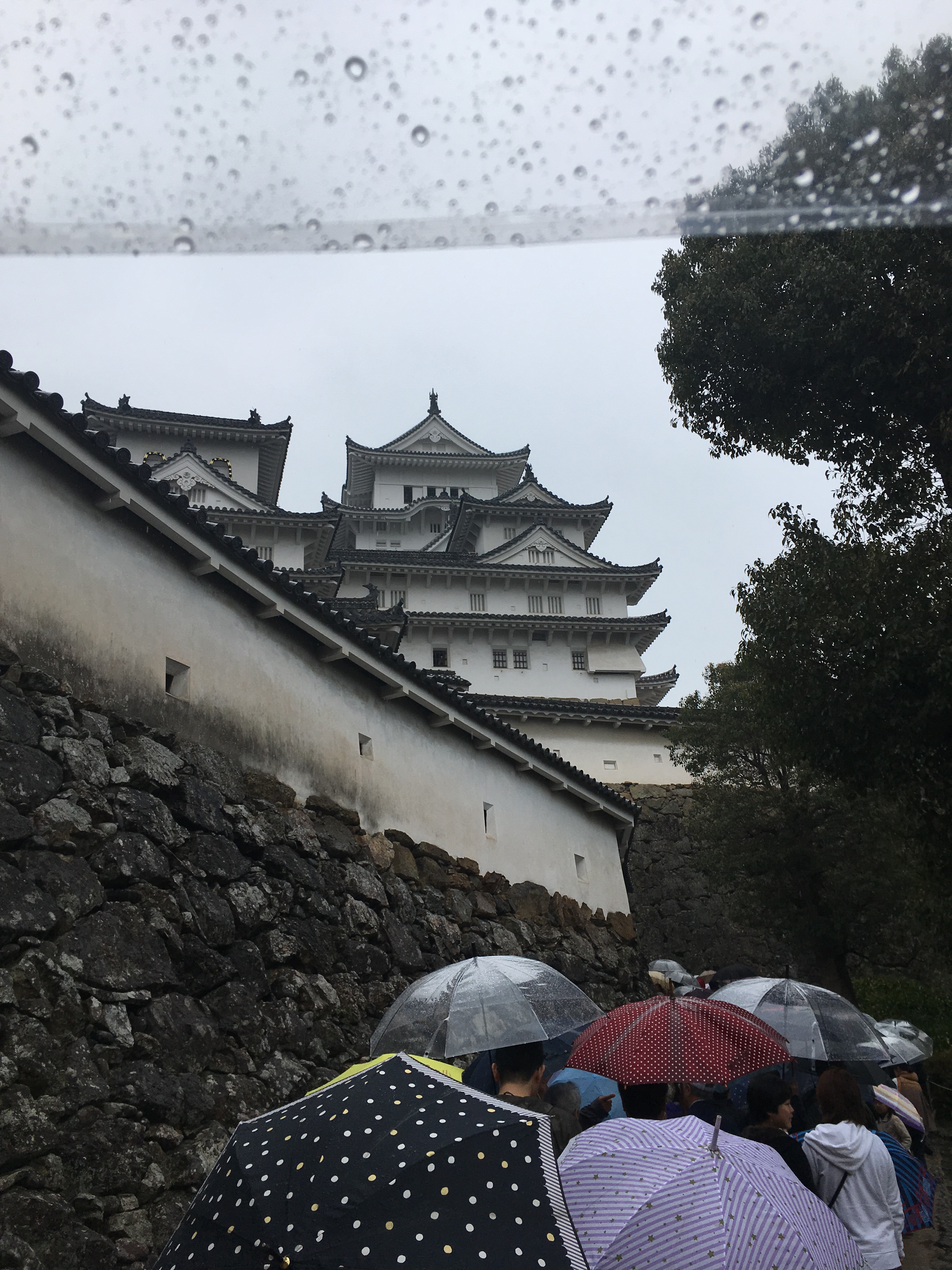
Feeling refreshed from my stay on the mountain, I had a couple more days around Osaka to explore. I visited the biggest castle in Japan, Himeji, only an hour away by train. This was the second time it rained on me in Japan and after getting drenched in my rain jacket that I bought in India, I forked out for the see-through umbrella that eveyone else was sporting.

Unfortunately the rain didn’t put anyone off visiting the castle and I spent an hour waiting to go inside the main keep, doing the familiar queue shuffle around the narrow castle walls.

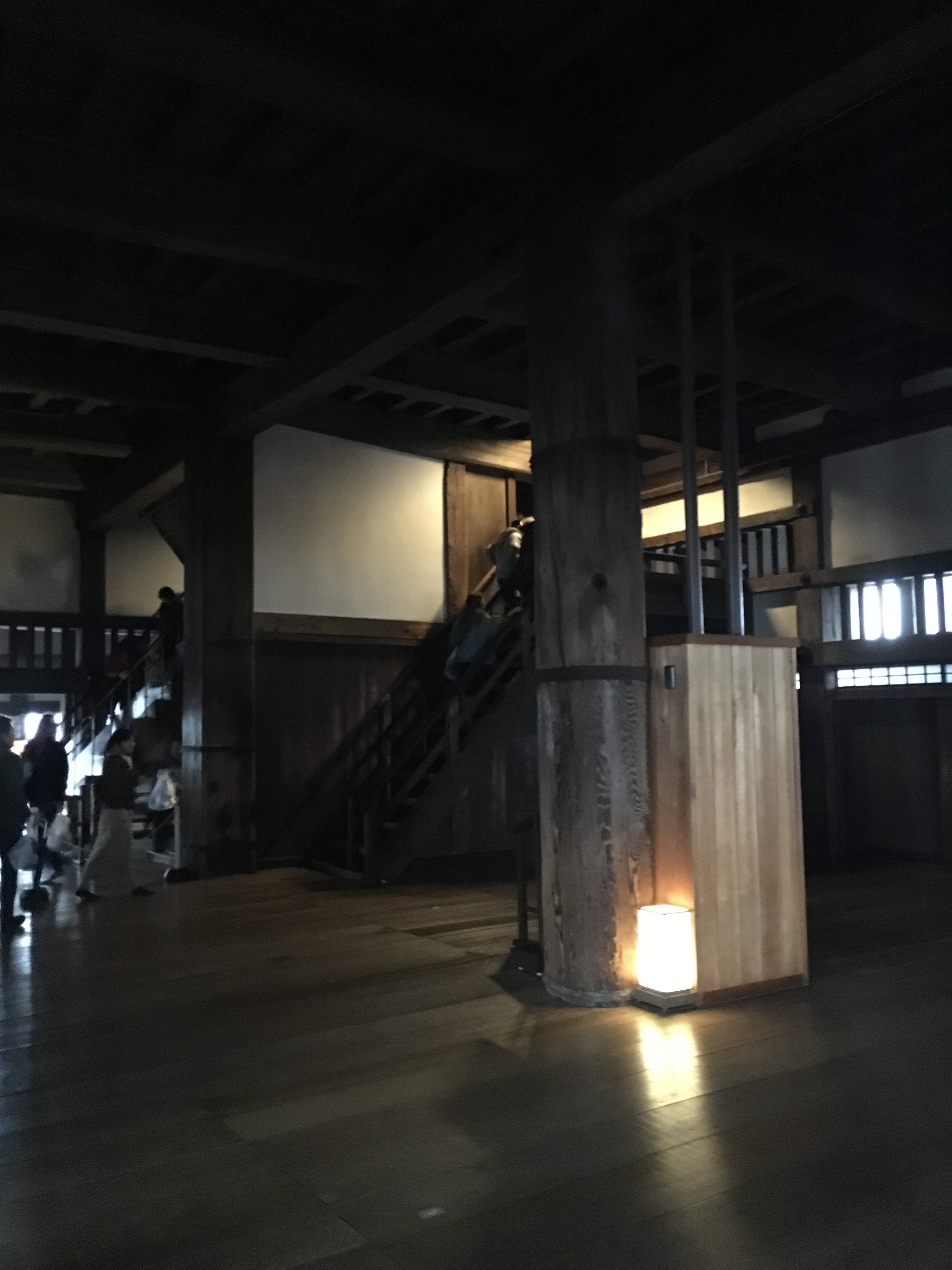
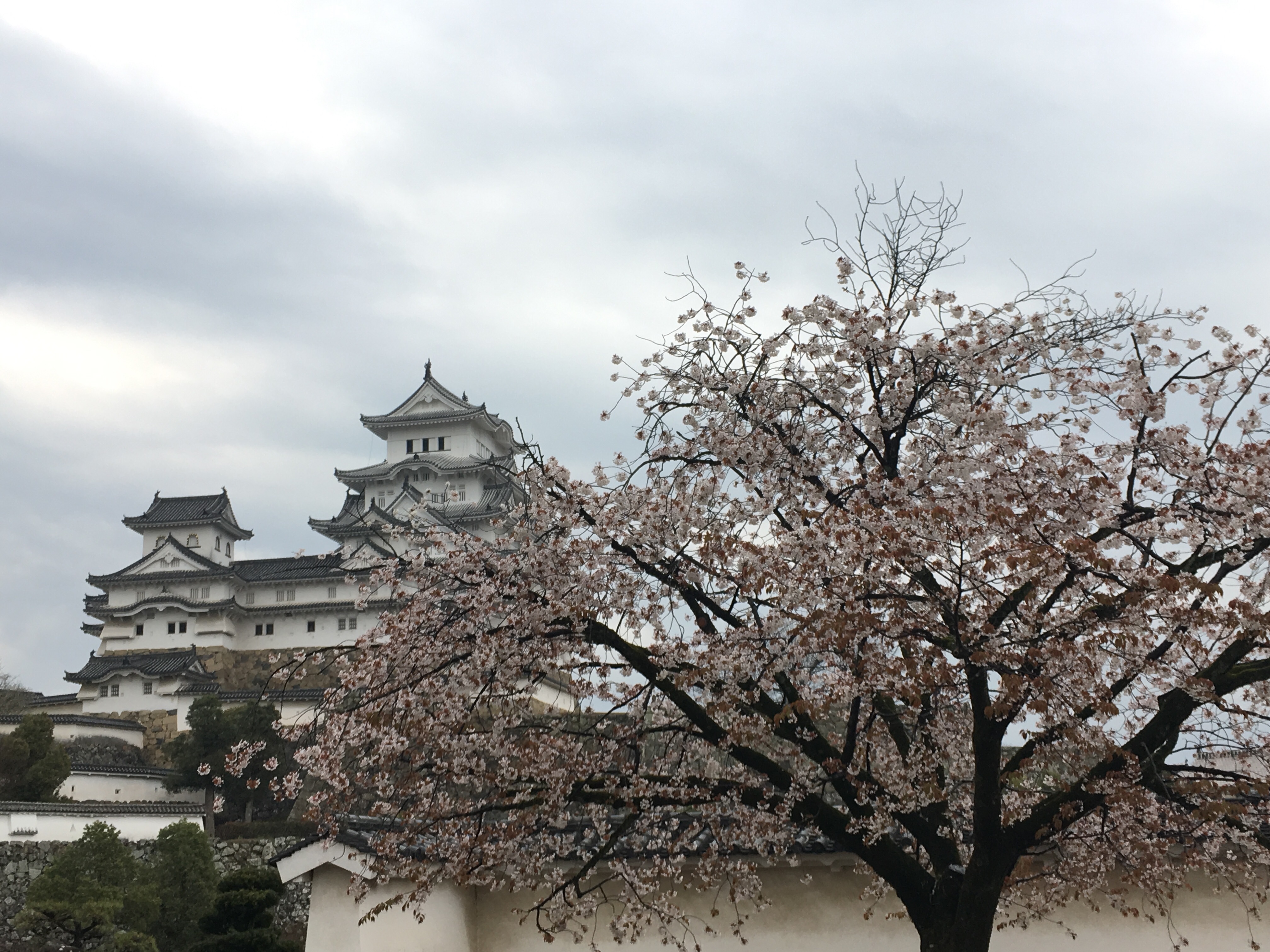
Once inside you have to take your shoes off and put them in a plastic bags. I followed the crowds with wet feet, wondering if this was worth it, as the inside of the castle is mostly empty. I did get some good views of cherry blossom in the rain…

The thing I liked best about Himeji was the nearby Sakurasaku restaurant, run by a lovely woman who quite literally ran from the kitchen to the low tables serving up delicious set menus (her first question was ‘are you vegan?’) , accompanied (as usual in these establishments) by coffee and cake. It looks like a fruit and veg shop from the outside but it was worth the trip to Himeji to sit on the floor for a while in this old fashioned place, enjoy the food and even the wartime music.

Osaka itself is a cool city that I would come back to, if only to experience the night life which I missed out on as I was always too exhausted from walking all day to go out again. The cherry tree lined river is beautiful and Osaka has it’s own castle, which would probably have been just as a good as Himeji.

There was time for some more silver jewellery shopping, a visit to a dragon shrine and the best food I had in Japan at the tiny Base Island Kitchen. The beautiful woman here serves up vegan tapas style dishes. I found her place just moments from where I was shopping by doing a quick Google maps search for ‘vegan food’ 🙏 I wish I could recreate these ‘nuggets’ at home!

Now that I had an extra week, Hiroshima was added to the itinerary. After some takeout avocado sushi (the best I have ever tasted, obviously as this is Japan), another couple of hours west on the Shinkansen and another reason I should have bought the JR pass (although overall I don’t think I was actually worse off because I took one way tickets) I arrived in the city famous for the atomic bomb.

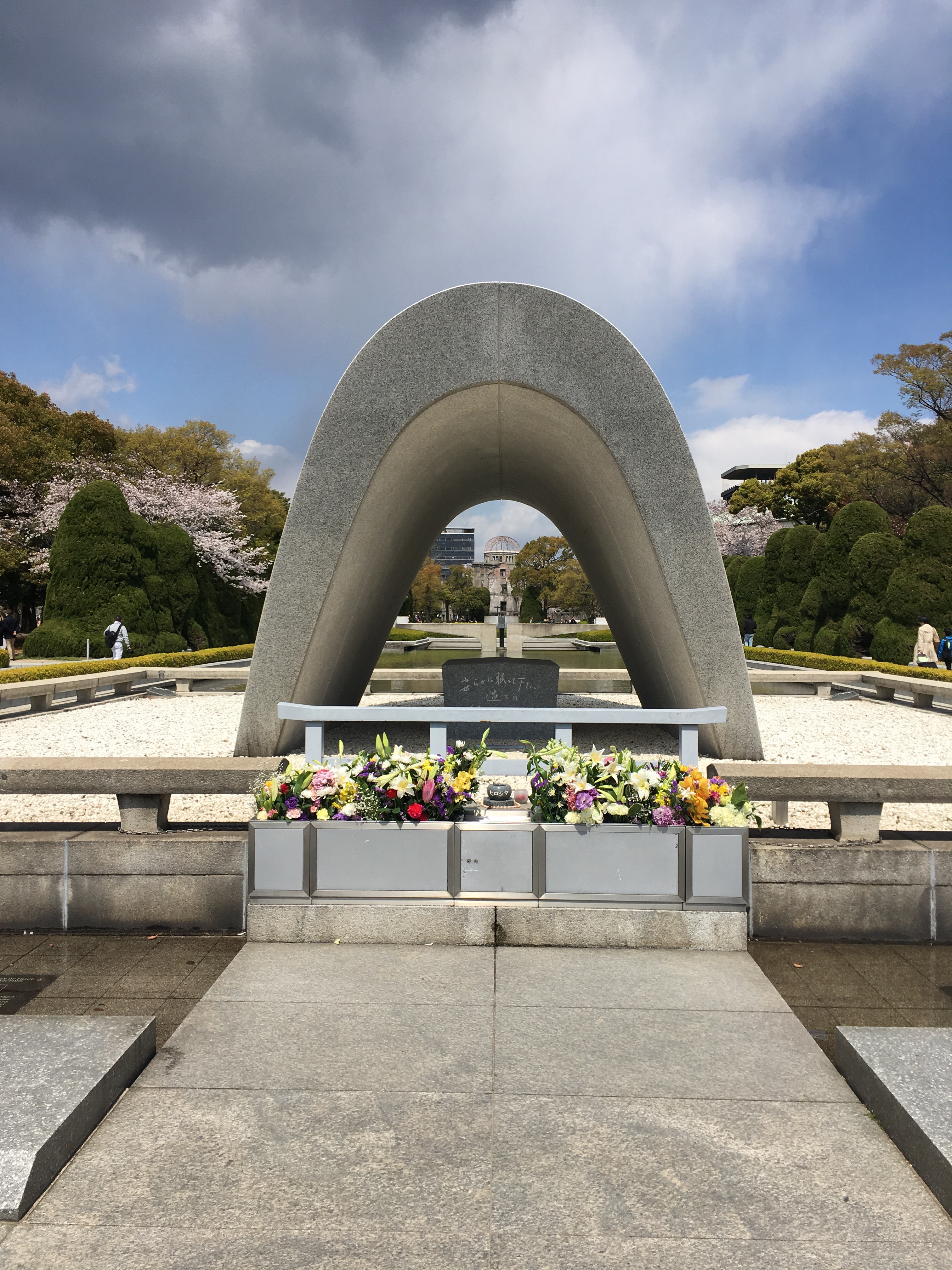
I was a little apprehensive of visiting. But whilst it’s undoubtedly emotional – seeing a watch that stopped at the moment of the blast in 1945 and a child’s burned bicycle along with their cute smiling faces is hard – it’s actually incredibly peaceful and the ultimate feeling you are left with is one of hope. I learned a lot in the museum and Peace Memorial – such as just how many nuclear weapons there still are in the world today, and that in the 1980s there were enough to kill every member of the human race several times over.

Hiroshima is a quiet city and I saw the sites on foot in one day. It was also very cold! I spent two nights here in another K’s House hostel as the sister hostel in Hakone was so good, but the Hiroshima branch just doesn’t compare – the common area had no atmosphere and was always full of couples glued to their phones and not talking to each other (another reason to travel solo!) 🤔

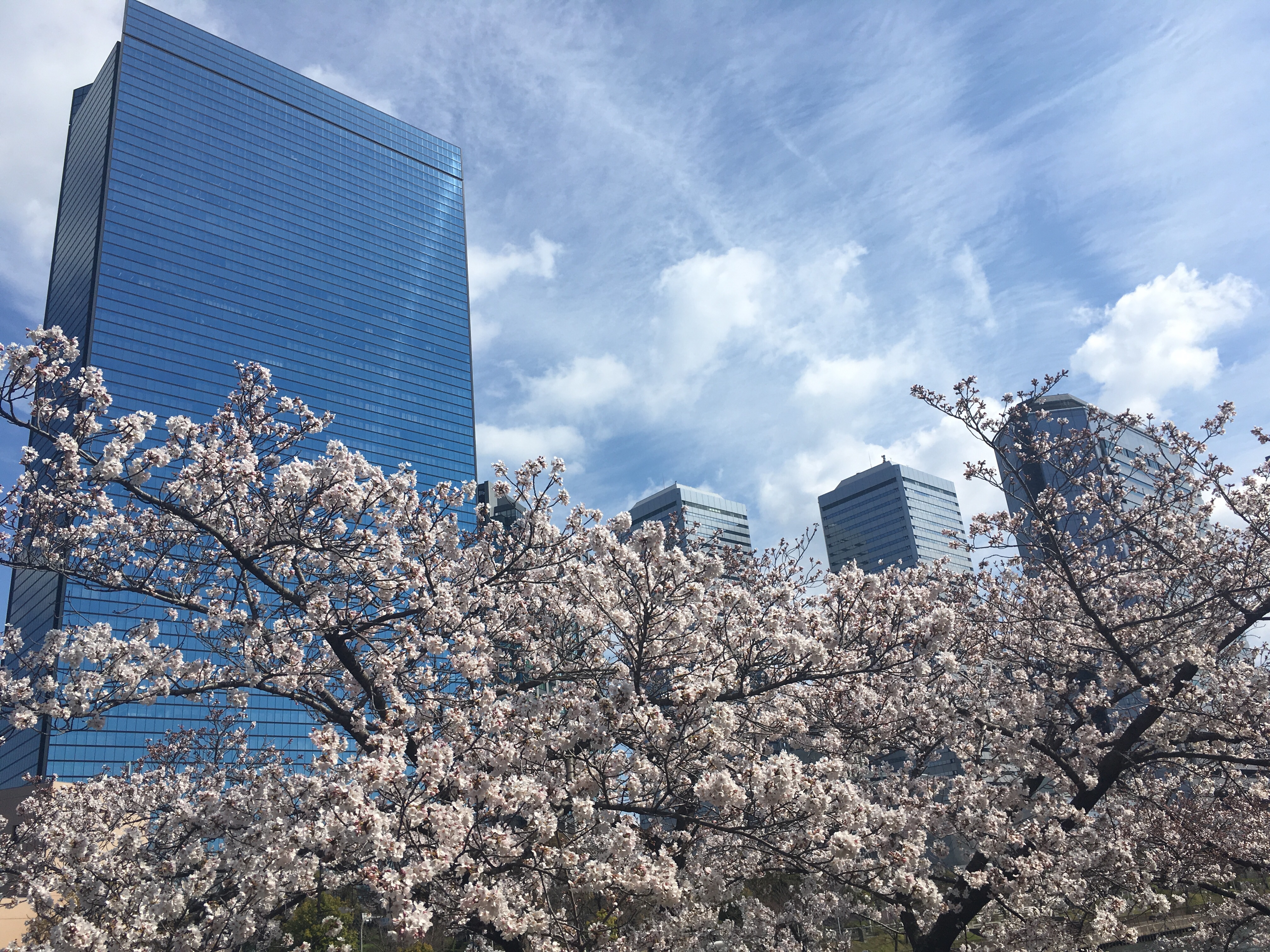
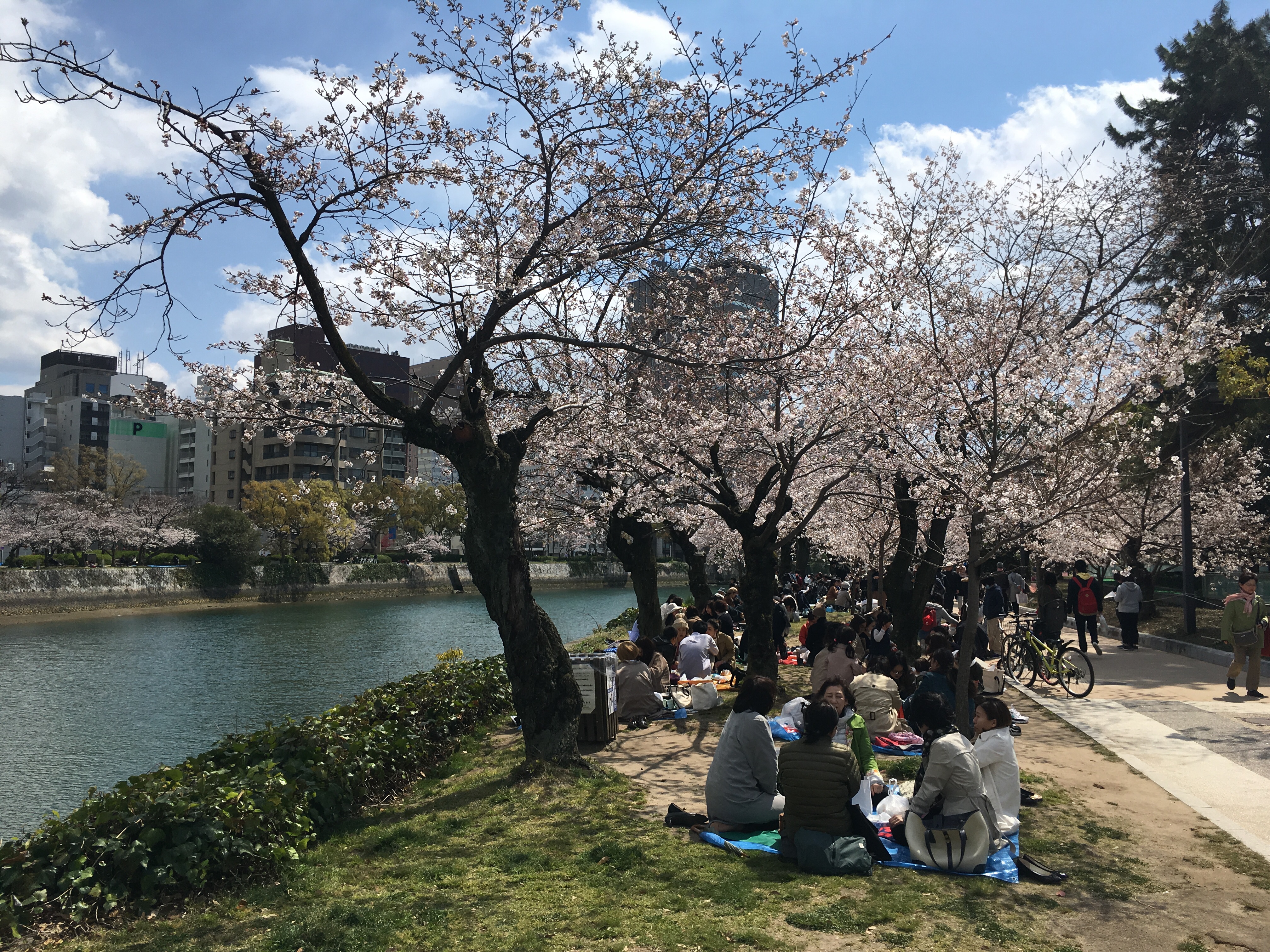
The cherry blossom was well and truly in bloom in Hiroshima, and well worth extending my stay for! Cherry blossom viewing even has a name – ‘hanami’. It’s a national past time in Japan, with rows of blankets spread out under the trees and picnics in full swing. It’s really lovely to see.

The ruins of the only building in the centre left partially standing after the bomb is the Atomic Dome. The city decided to keep it as a reminder of the devastation and has campaigned for peace ever since. Seeing these ruins in stark contrast to the sky scrapers behind and the bright pink cherry blossoms lining the river infront is hard to comprehend.

There was bicycle set up nearby, with a folder packed with information and first hand stories of the bomb that are not found in the museum, website below which I will look at when I get home.

Naturally there is a castle in Hiroshima, which has been rebuilt and was worth a look although as all of the information was in Japanese I didn’t really know what I was looking at.

As always, I found a quirky little cafe in ‘Buddies’ just around the corner from the Peace Memorial to get out of the cold for a while. Shame I wasn’t there for the live music.

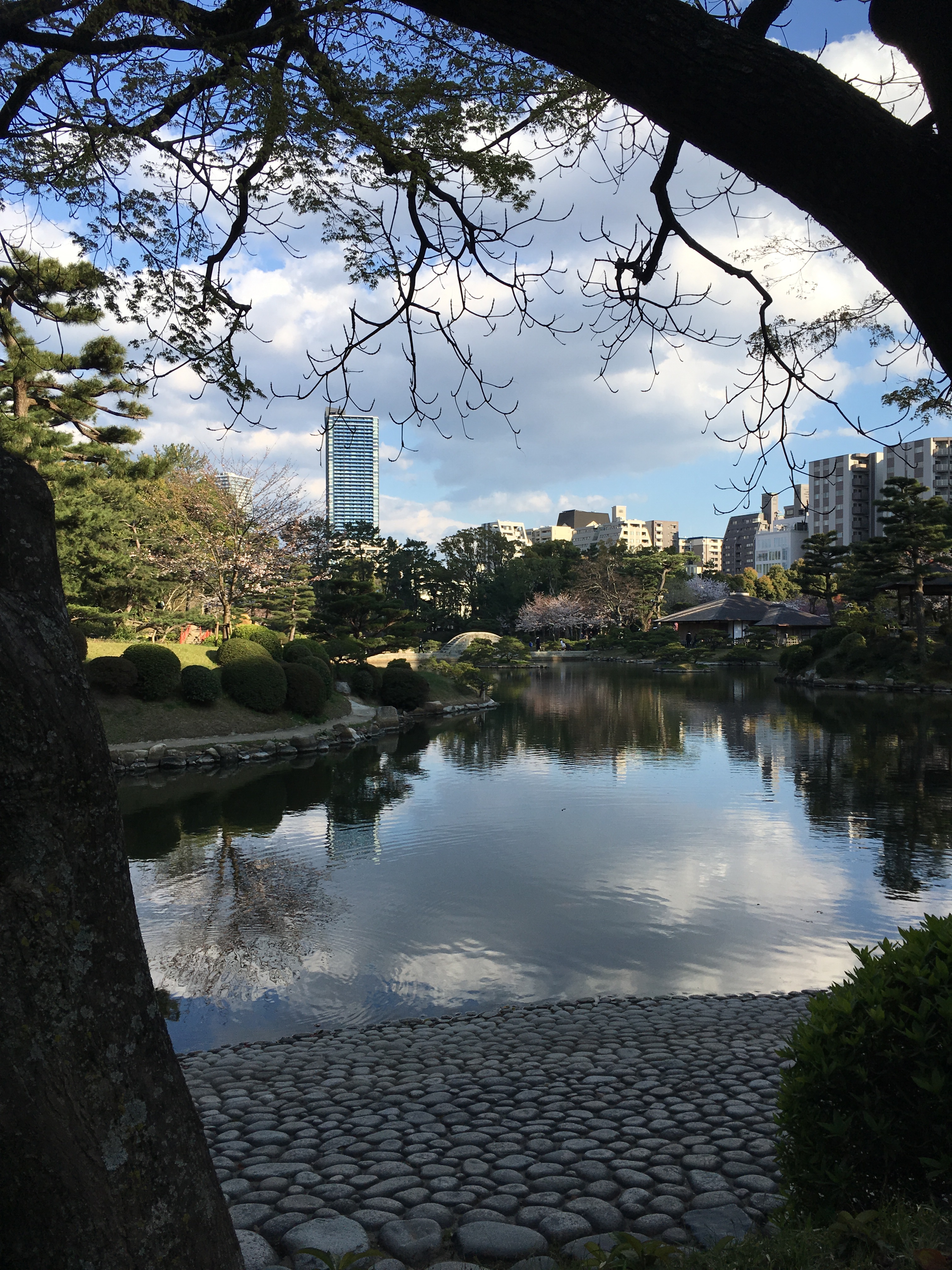
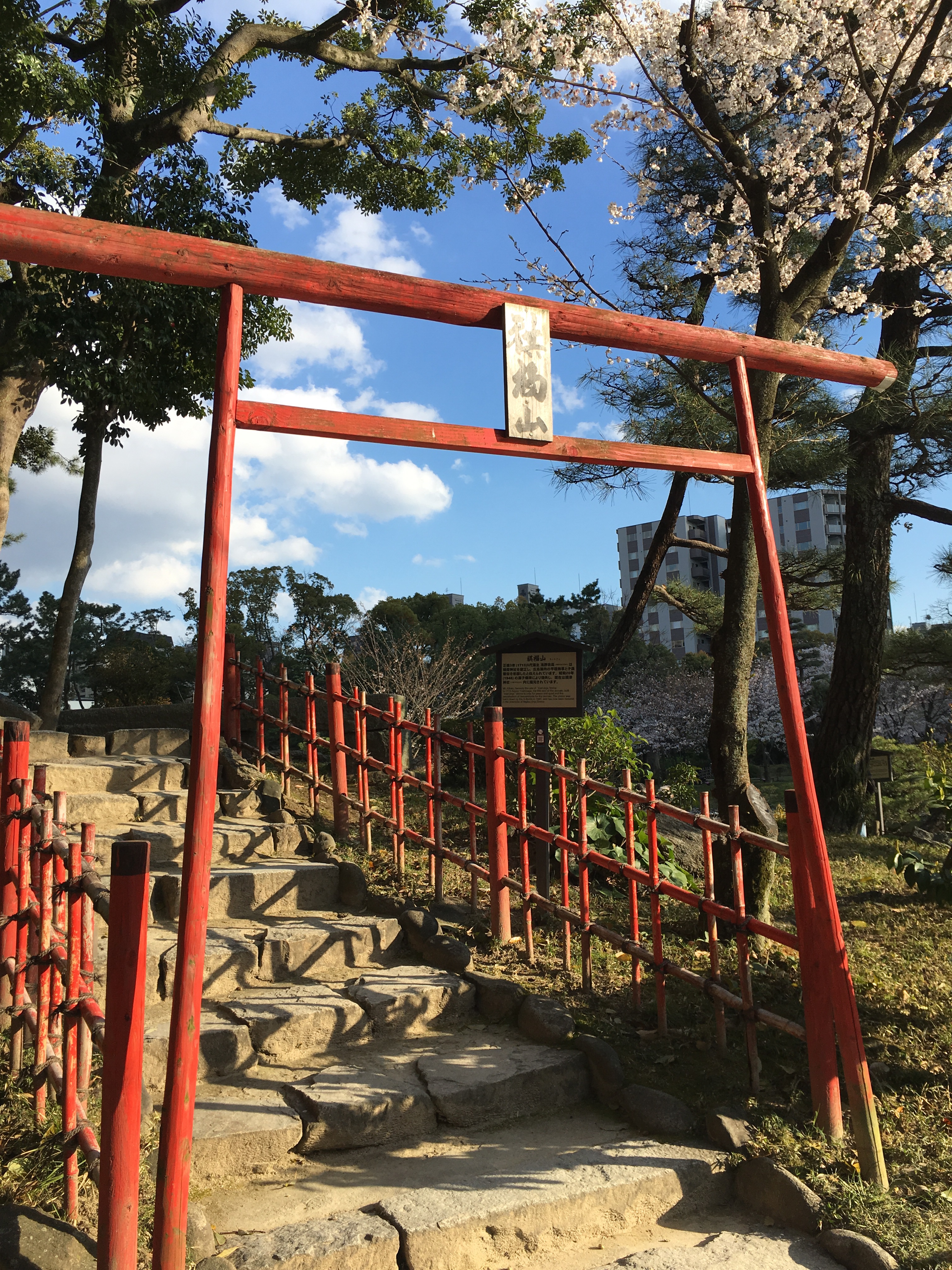
The Shukkeien gardens have been restored and are really worth a look. I tried the sticky rice and sweet soy sauce while I was there.

I’m glad I went to Hiroshima. Knowing you’re standing on the site of an Atomic Bomb is a strange feeling. At the Victims Memorial you can select a name on a touchscreen from up to 146,000 people killed as a result of the blast or radiation later in life, to see their photo, look into their eyes and read about their life. I only managed to look at three of them.

Paying respect here and becoming more educated about this moment in history was the least I could do before I was fortunate enough to continue my travels. Next stop, the island of Miyagima, which I will write as a separate post.

Kobo-daishi, the Monks and Me

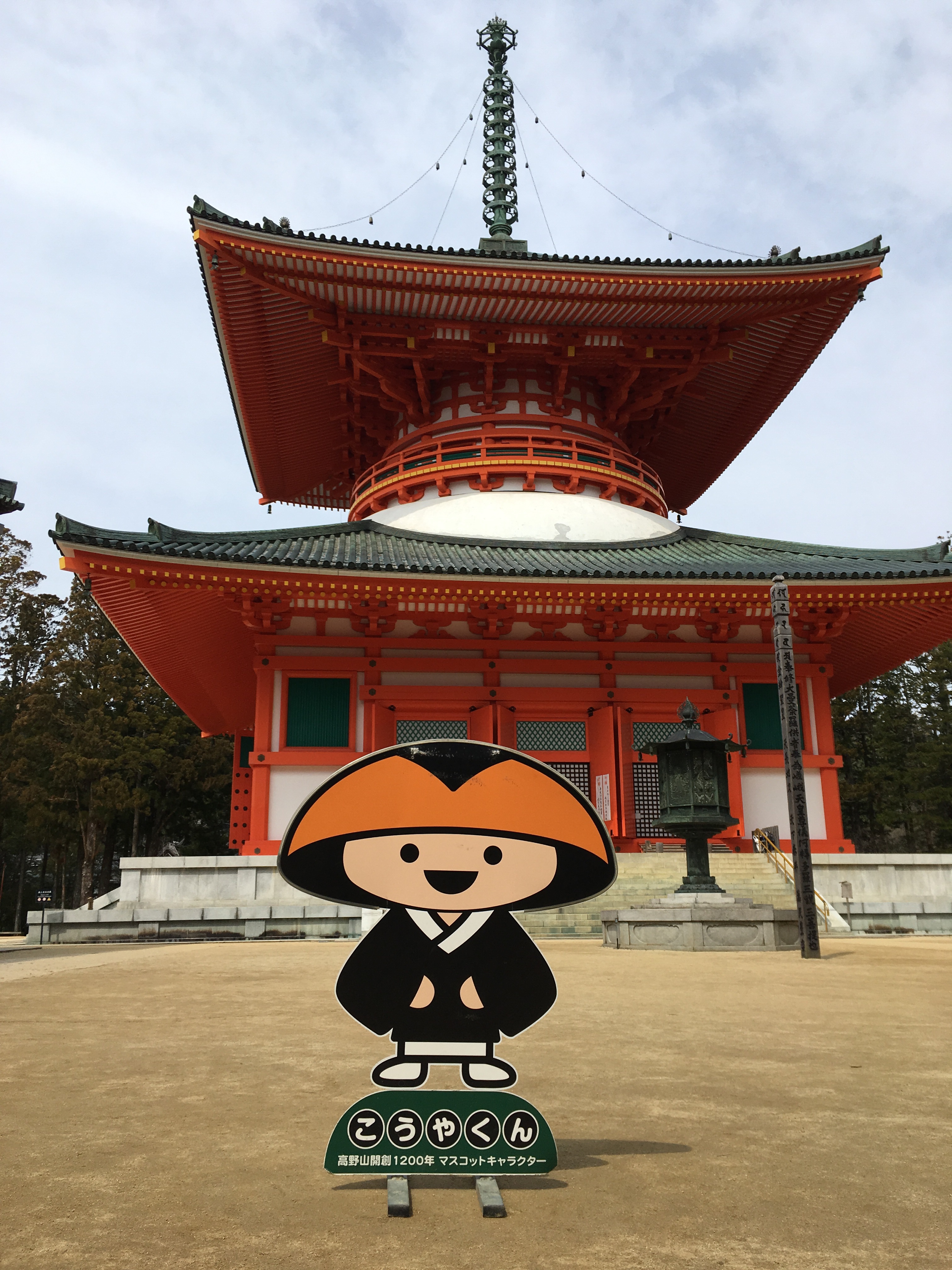
I wanted somewhere special to spend my birthday and in Japan I found the perfect place. A few hours south of modern Osaka is Mount Koya, otherwise known as Koya-San. When I started my Japanese journey, I didn’t realise how spiritual it would be. Koya-san is one of the most sacred places in Japan, a small and secluded temple town that was first established in 826 when monk Kobo-Daishi brought Shingon Buddhism to Japan after learning in China. It is now the world headquarters. Kobo-Daishi is believed to be in external meditation on the mountain top. It seems fitting that I came here after visiting the place where The Buddha found enlightenment in India, and the various tooth and hair relics throughout Sri Lanka and Myanmar.

This is another train journey where you buy a helpful heritage pass that includes all of your travel. It’s very easy – a train from Osaka to Gokurakubashi station where a cable car was waiting to take passengers up to the top of the steep mountain. Once in Koyasan station, there are local buses and people ready to help direct you. I arrived early afternoon with just a small backpack containing overnight kit and it was freezing – good thing I’m still rocking the Michelen look.

Cable car

I hopped straight onto a bus and got off at the helpfully numbered stop for my Ryokan (temple dwelling). Searching for solitude and a place to reflect, I was going to spend the night in the Shojoshin-in temple, eat Japanese vegetarian food and rise at 6am to watch the morning meditation ceremony. Right up my street then 😂

My temple dwelling

A kindly monk checked me in and showed me my room, which I thought was perfect. With no real English on his part, it took a while for me to understand that it was perfectly acceptable to wear the provided robe for dinner but absolutely not OK for the morning ceremony. Good thing we cleared that up! He also showed me the communal bathtub, to be used before bed 🤔

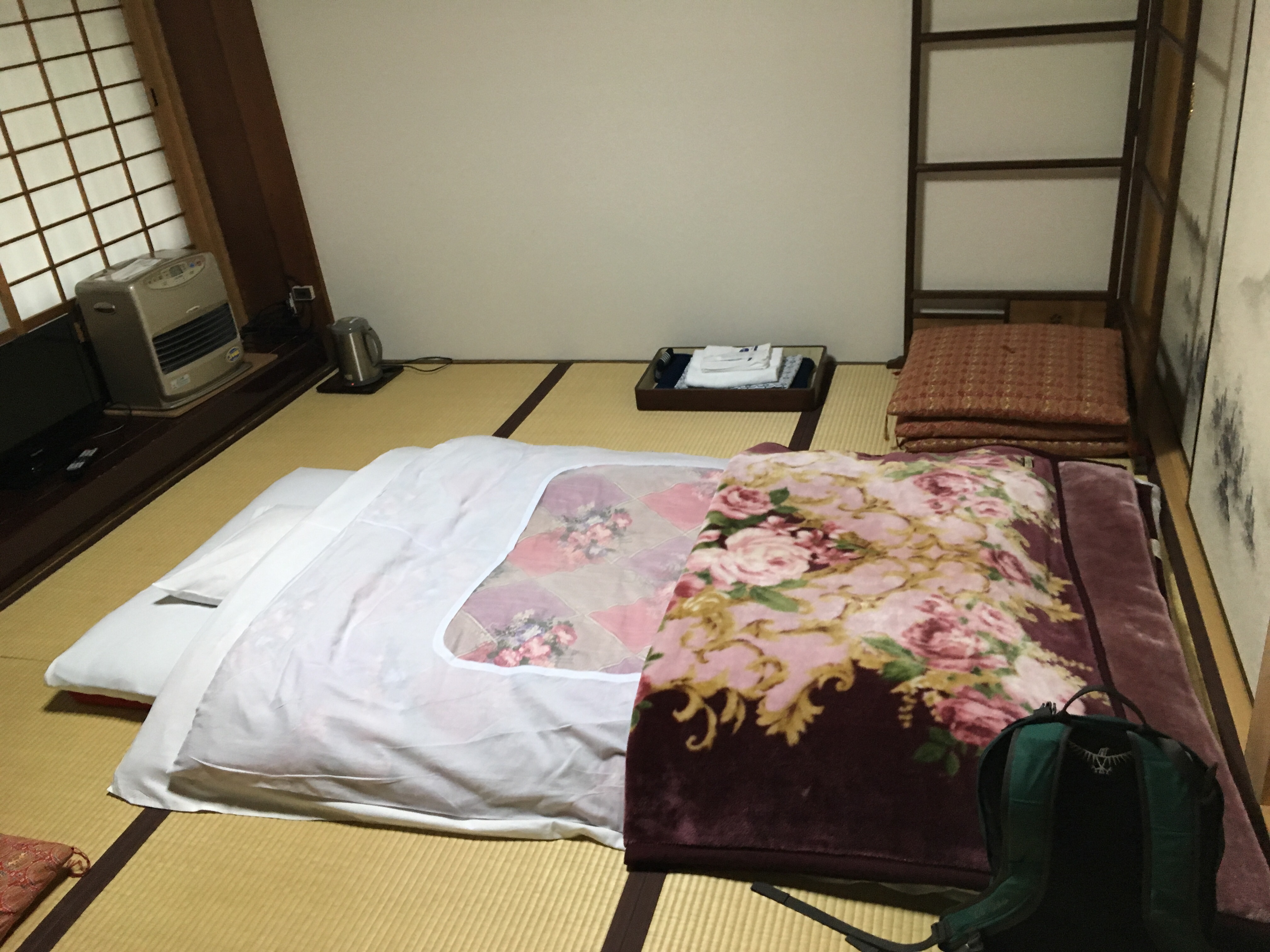
My room, with a sliding door (no lock necessary here), had a Japanese style mat to sleep on, thankfully a heater and pile of thick blankets, a pot of hot water and some green tea and a little sweet, some handmade brochures of the area and a tiny table and mat which were perfect for journal writing which I hadn’t managed since early February 🙈

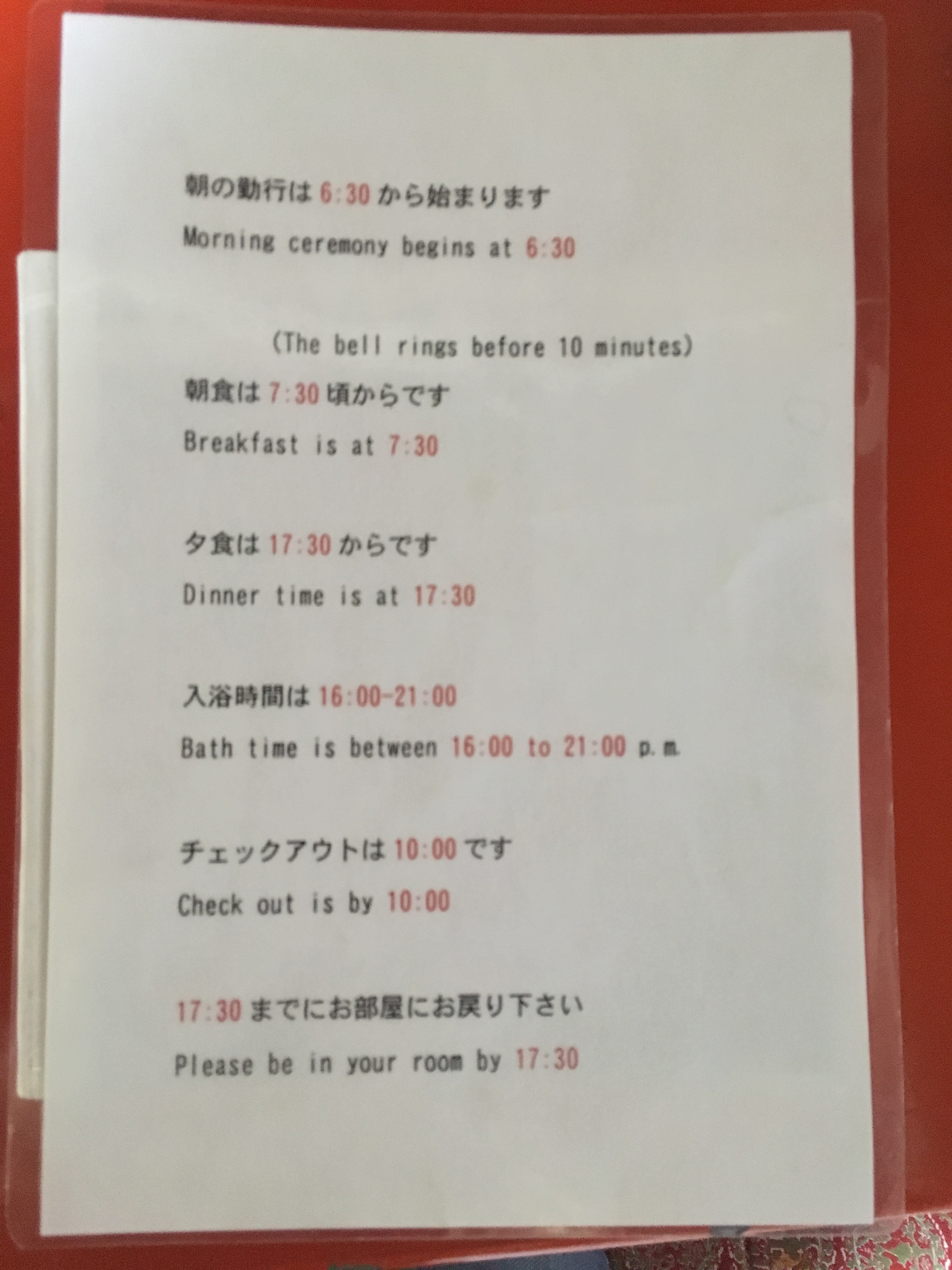
The schedule

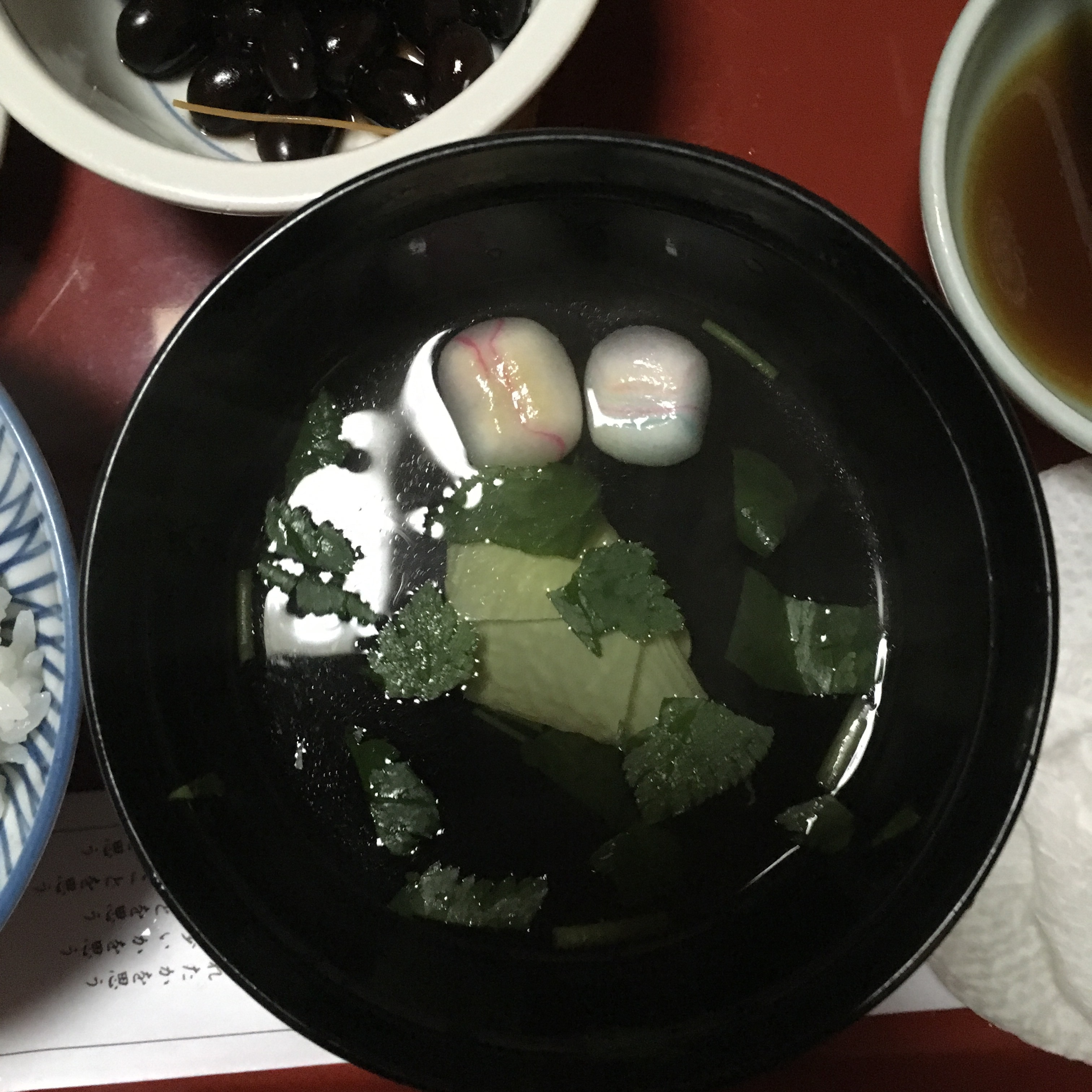
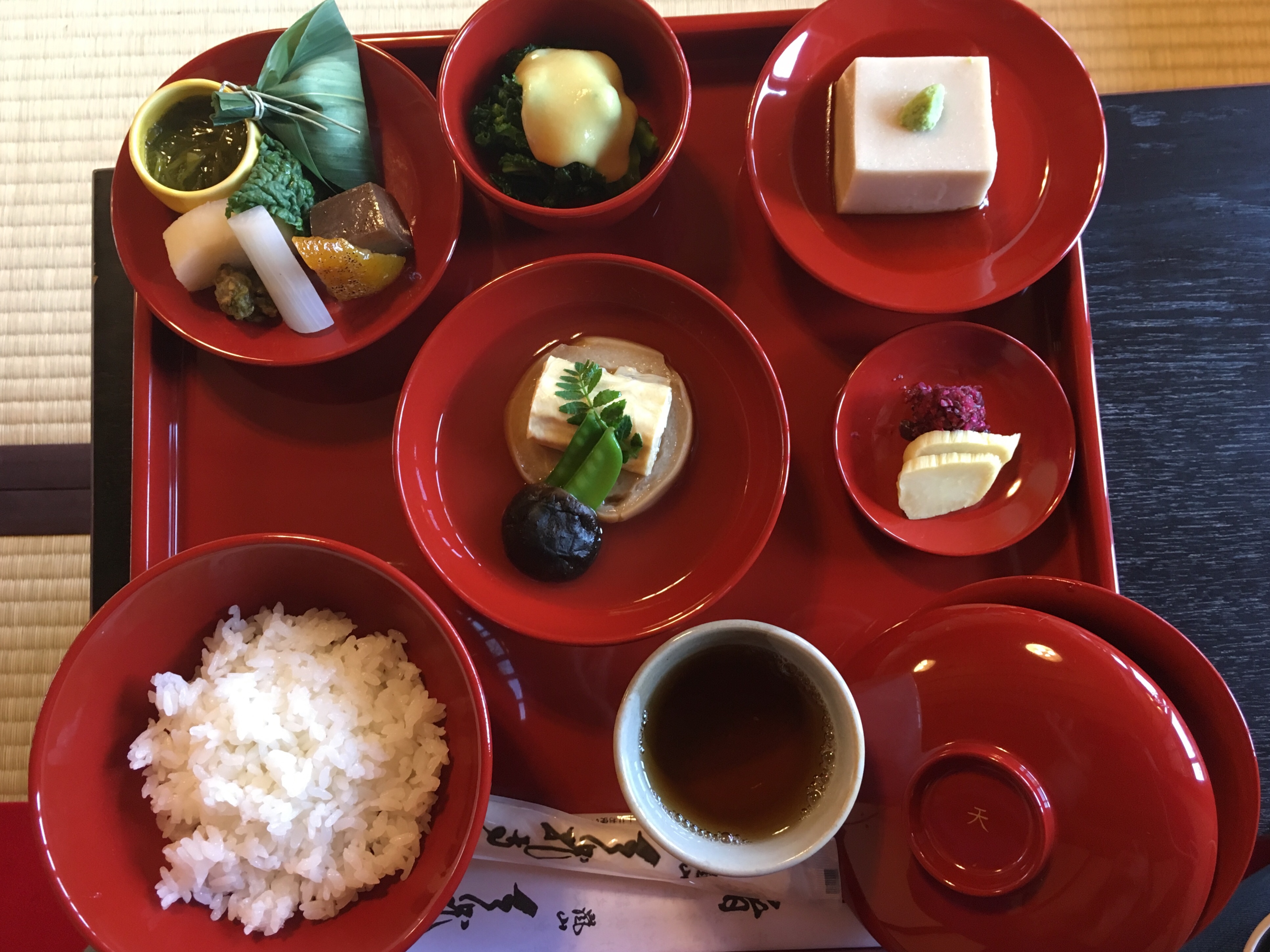
Dinner was served in the hall at 17.30, each party separated with a little bamboo divider. The Shojin Ryori meal included local specialities of tofu which I liked, although for the omnivores it’s not really the best introduction to tofu. Again, the fun was really in the trying the different dishes. Maybe the weirdest taste sensation I’ve ever experienced was (I think) a pickled cherry tomato. The intensity of flavour actually took my breathe away and I’m not sure if that’s a good or bad thing. I’d love to know what each dish was. Anybody recognise this white sponge like thing with pink and blue stripes that was in the soup? 🤔

My room was next to the bathroom so I could have a sneaky peak to see if there were any shoes outside the ladies curtain or if the bathtub was empty. I plucked up the courage to go in just as another woman was coming out and I’ll admit it did cross my mind that I was about to get into a stranger’s dirty bath water… I did it anyway as I was freezing cold and it was lovely! I took a photo earlier in the day before it was open.

Bath time!

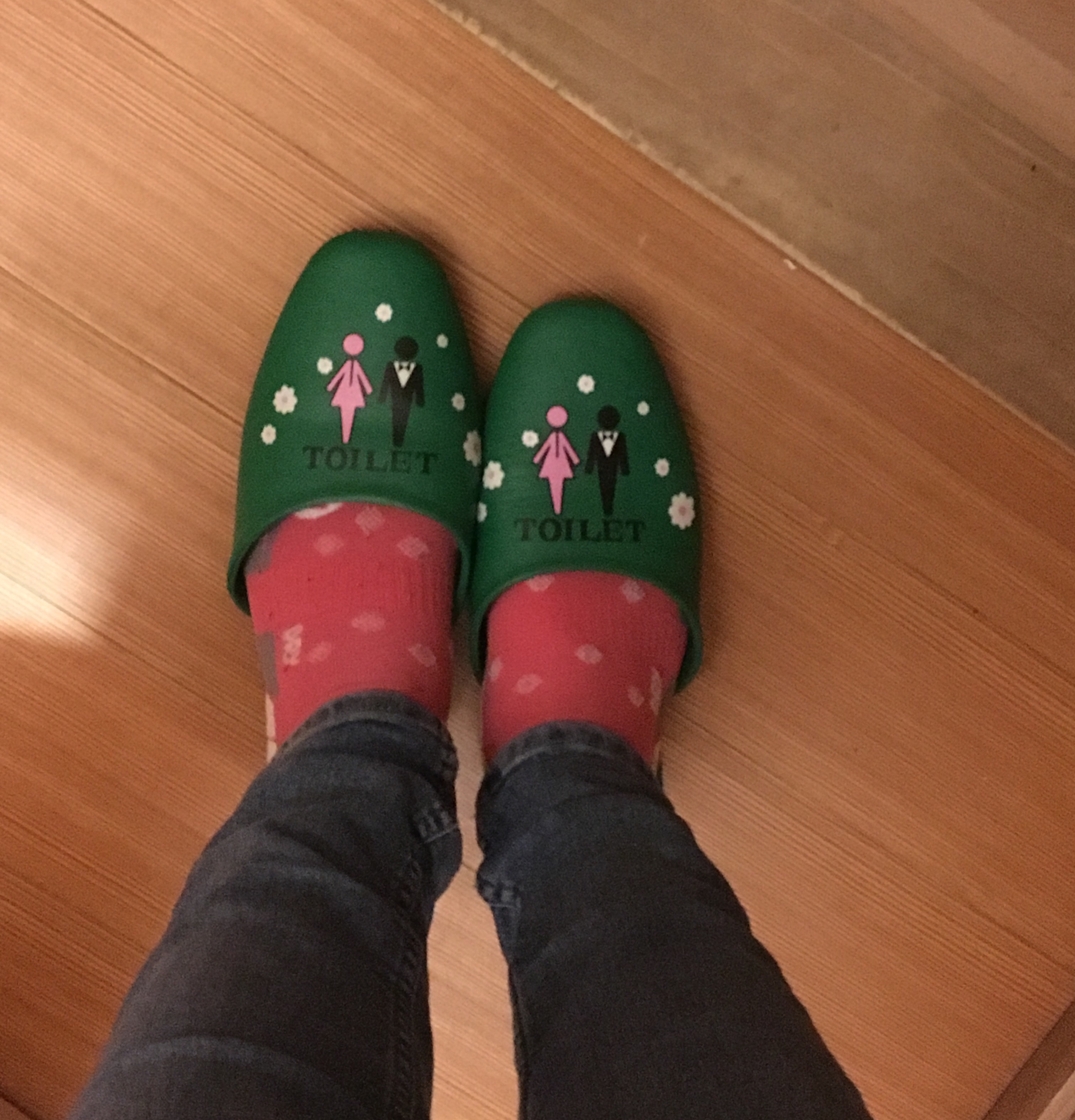
Shoes must be left outside the temple but toilet slippers are provided!

On my birthday morning I woke up at 6am and joined the morning ceremony where a tall monk chanted for almost an hour straight, using a prayer bowl and gong at what I presume were key moments.

6am selfie

Spot the monk

After breakfast of rice, miso soup and another wild array of unknown items, I spent an incredible morning at the Okunoin site, hours before any of the day trippers arrived. I met one old Japanese man who insisted on taking a photo for me, just as a group of people arrived and my heart sank. Luckily they disappeared and I had the place to myself.

Nobody in sight

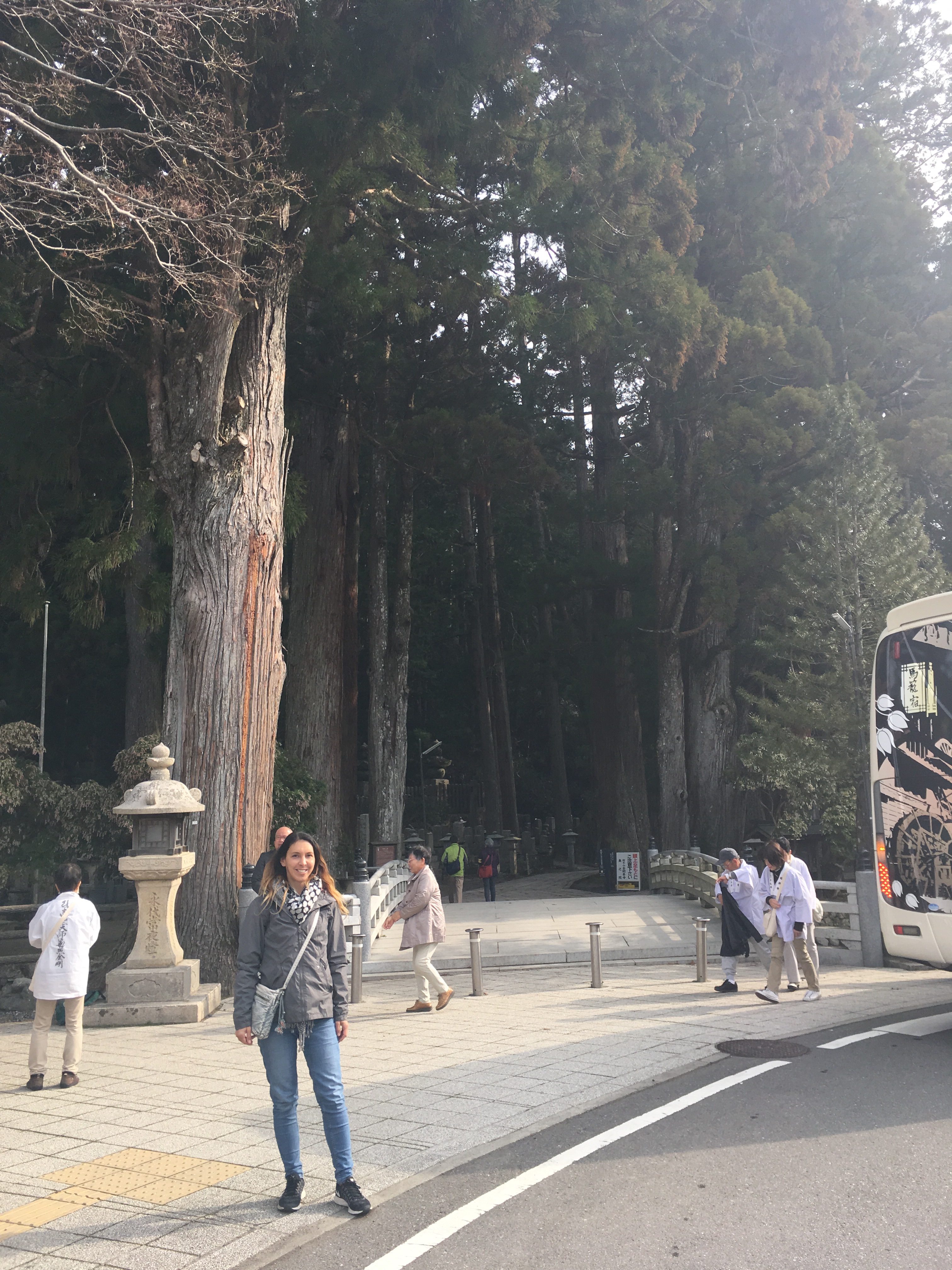
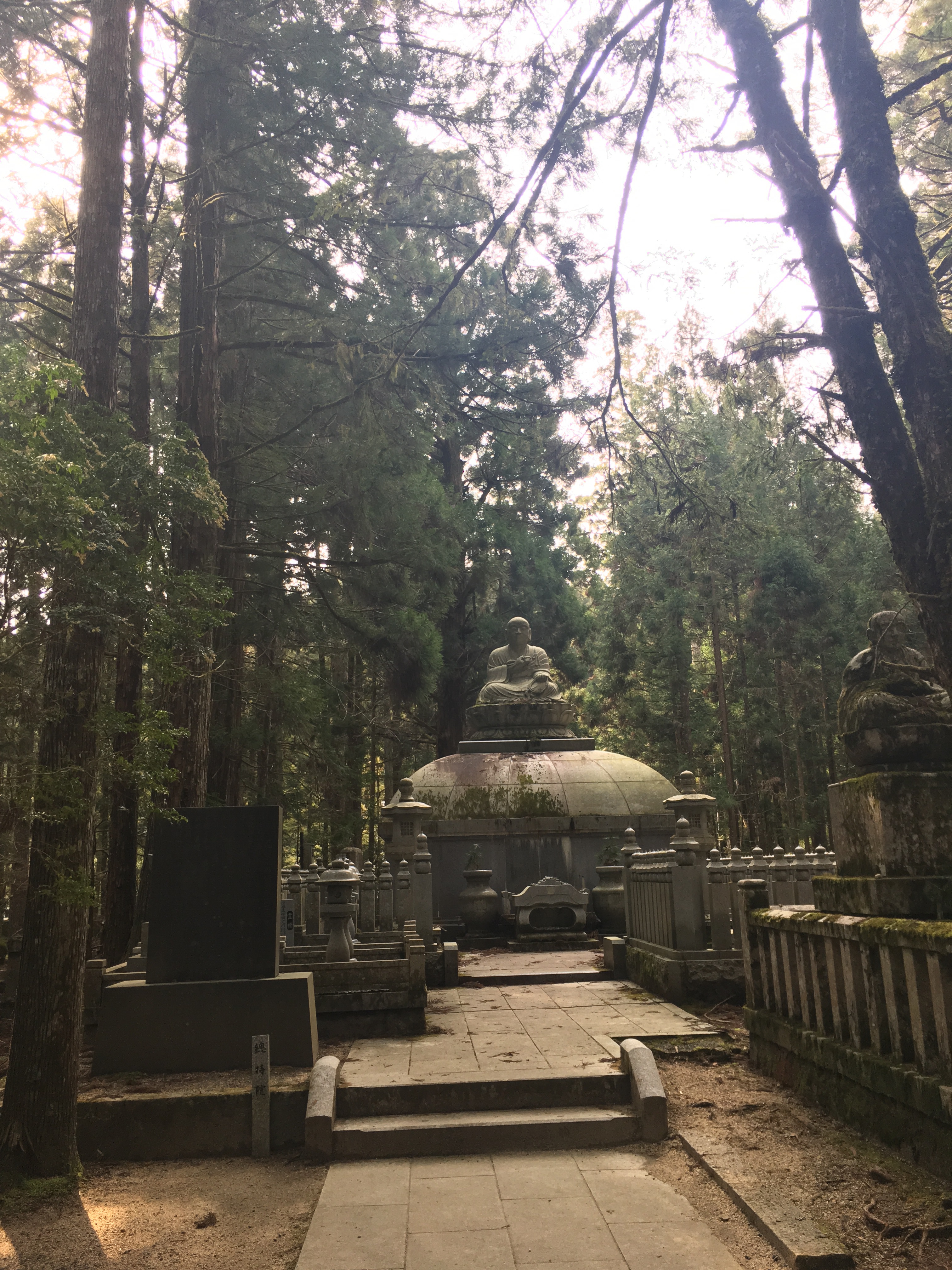
There is an otherworldly feel to this place and a palpable calmness in the air. The 2 kilometer path to the mausoleum is lined with over 200,000 tombstones, with trails leading off on either side to hidden clusters of crumbling monuments. Many are in ruins, which gives it a tomb raider feel. I passed only a handful of people at 8am. It reminded me a little of a miniature Ankor Wat in Cambodia with none of the people.

I crossed the bridge to reach the mausoleum, where no photos are allowed. Behind the Hall of Lanterns, where 10,000 lanterns are eternally lit, is the site of Kobo-Daishi’s eternal meditation. Underground are 50,000 tiny statues.
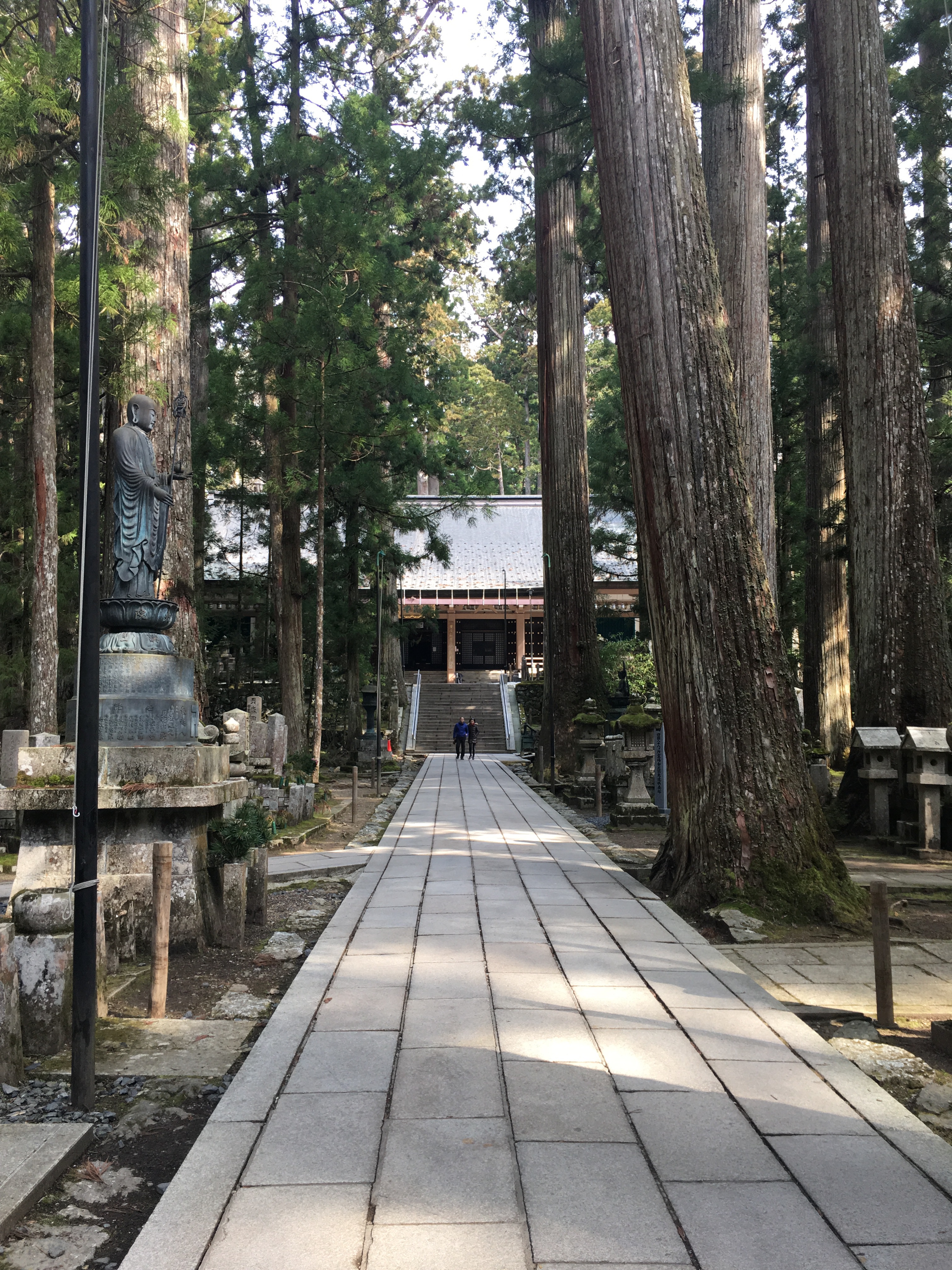
This was the most serene place of all, surrounded by thousand year old cedar trees, the only sound being the trickle of water from the stream behind. I have never seen trees so tall.

I could easily add a hundred photos, but here is a video which hopefully shows the tranquility:

On the way I passed the water well, where it’s said that if you don’t see your reflection you’ll die within 3 years. I waited for someone else to arrive and see their reflection before I peeked over the edge and was relieved to see my face looking back at me.

I spent a good few hours here, climbing up random stairways and taking a detour along the river into a forest, without seeing anybody else. I’m not sure what I would have done if I had looked into the well and not seen my reflection when I was all alone.

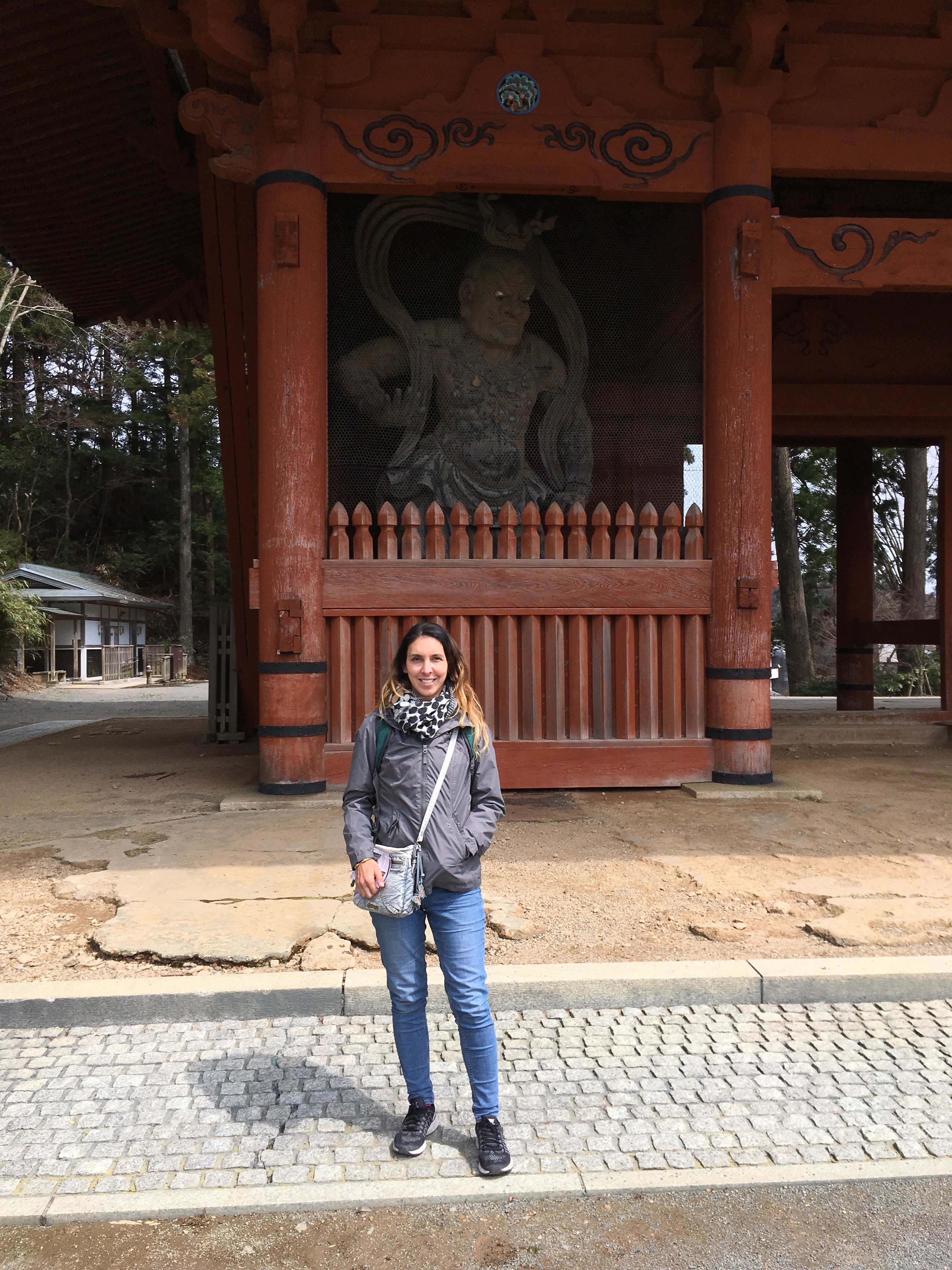
I could have stayed all day but I was hungry and there is a lovely rustic vegetarian cafe that serves a set meal with coffee and cake included, called Bon-on-sha, on the way back into town which was perfect. Before heading back, I went to the edge of town to see the Daimon gate, marking the traditional entrance to Koyasan with its huge guardian statues.
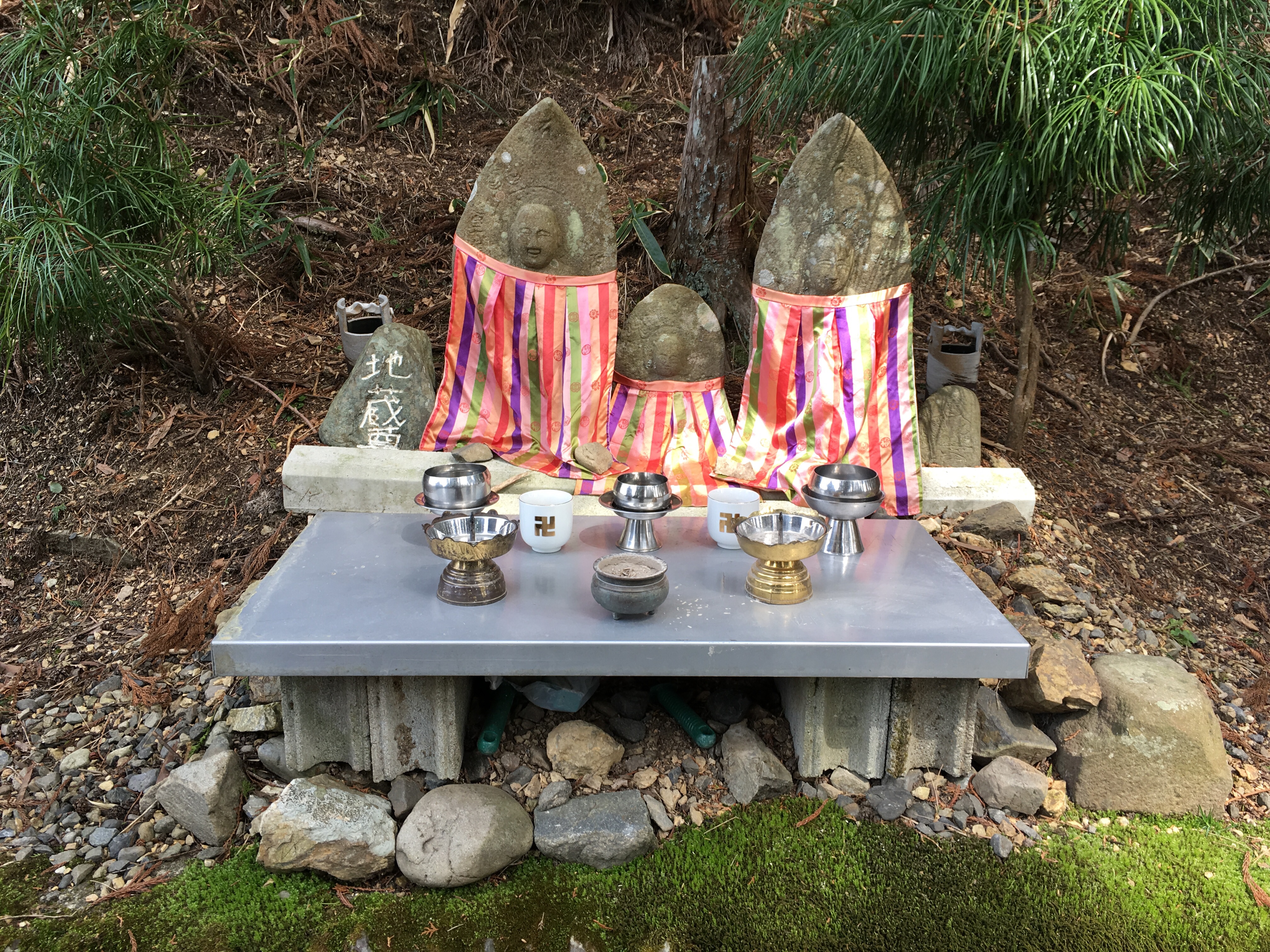
Tiny shrine hidden on top of a hill, to grant you one wish

Even though it was early afternoon by now there were still hardly any other visitors – most people stick to the largest temple of Kongobuji which contains the biggest rock garden in Japan.

A pine tree stands in the central Garan temple grounds, said to have 3 pronged pines. Legend has it that Kobo-Daishi threw his three pronged sankosho from China and discovered it in the branches of this very tree, which determined the site of Koyasan. I spent a while looking for a 3 forked pine but I didn’t see any.
Guardian

When I got back to the cable car boarding area there was chaos (by Japan standards). A female staff member was shouting instructions in a high pitched voice and handing everyone a number. I had no idea what was going on so just stood there with my number until somebody explained that a tree had come down on the train tracks so we were waiting for a bus to drive up the mountain and rescue us. Ever so often an official would shout numbers in Japanese and people would follow him while the tourists in the room just held up their numbers hopefully. Fortunately a lovely old Japanese man on a pilgrimage (Koyasan is the start and end point) took me under his wing as we had the same numbers. Eventually we got on a bus that dropped us at a different train station and he gave me some sweets for the ride. This man was very concerned that I get back to Osaka safely and spent the entire train ride looking at his map through a magnifying glass, although I tried to tell him I’d figure it out and not to worry.
My new friend studying his map

When I eventually made it back to my hostel a few hours later, the boy at reception said ‘ah yes your friend called us!’. I was very confused as I’m travelling alone until I realised that the old man had in fact called my hostel to confirm their location 🙂

Tea ceremony

I was too exhausted to do anything that night but relax and enjoy the nightly tea ceremony where the lovely front desk boy donned a robe and prepared the frothy mix in the traditional way. I couldn’t even pretend to like it this time 🤢 Luckily another girl shared her bottle of wine with me instead, a much more enjoyable end to the perfect day 🙏

With an extra week added to my trip, I had a couple more days in Osaka to explore the area – next blog coming soon.

Kyoto : Land of the Deer and the Geisha

I was standing on the platform in Odawara waiting for the train to Kyoto, chatting to a group of Middle Aged Indians from Maharashtra (it was lovely to hear that accent again!) when my jaw literally dropped open. A Shinkansen (bullet train) had just shot past in a blur. Here is a video (credit to new travel buddy Matt – I was too slow to react each time one passed) but even that doesn’t show the true speed, up to 200pmh, as this one was just setting off from the station.

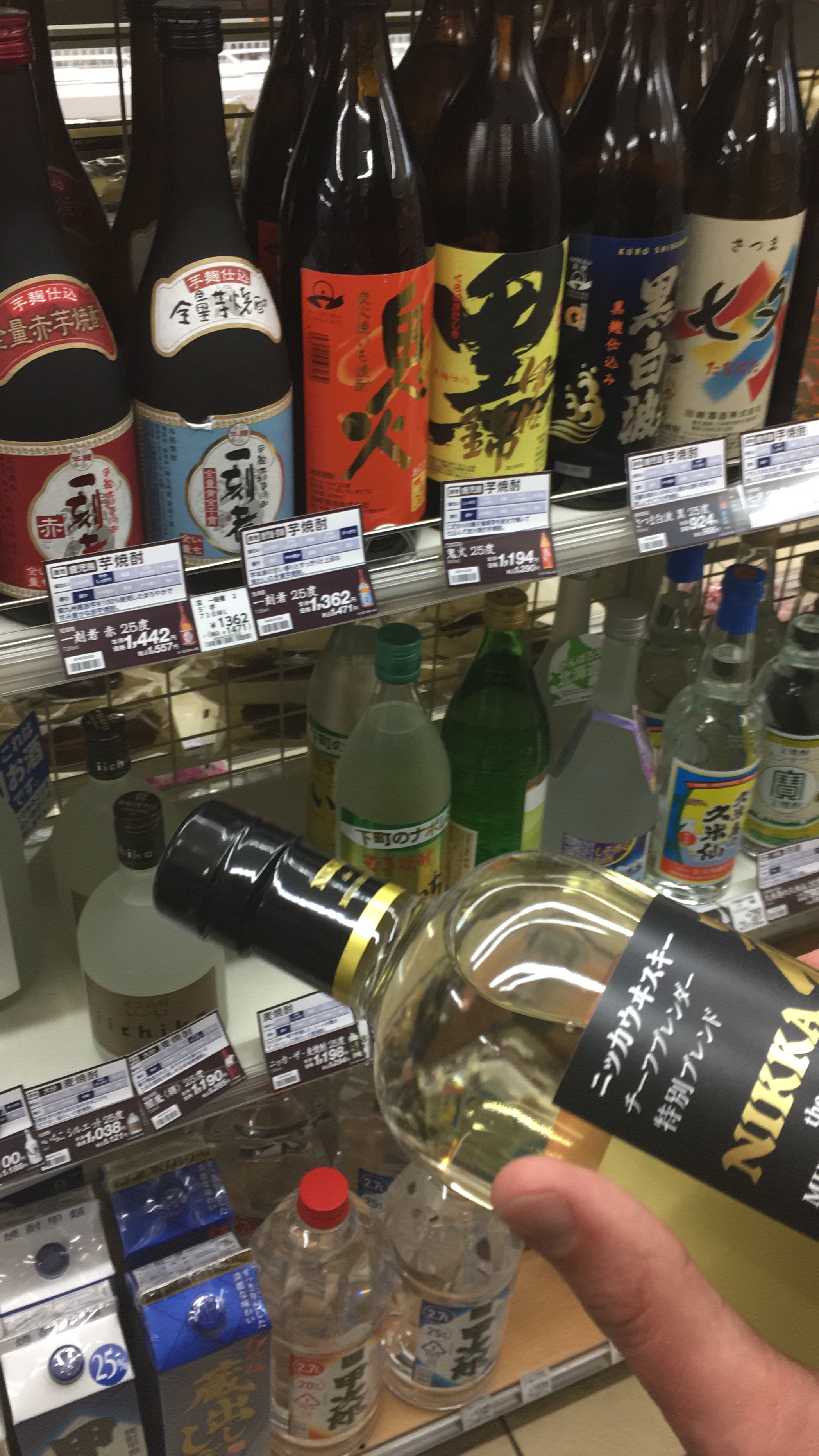
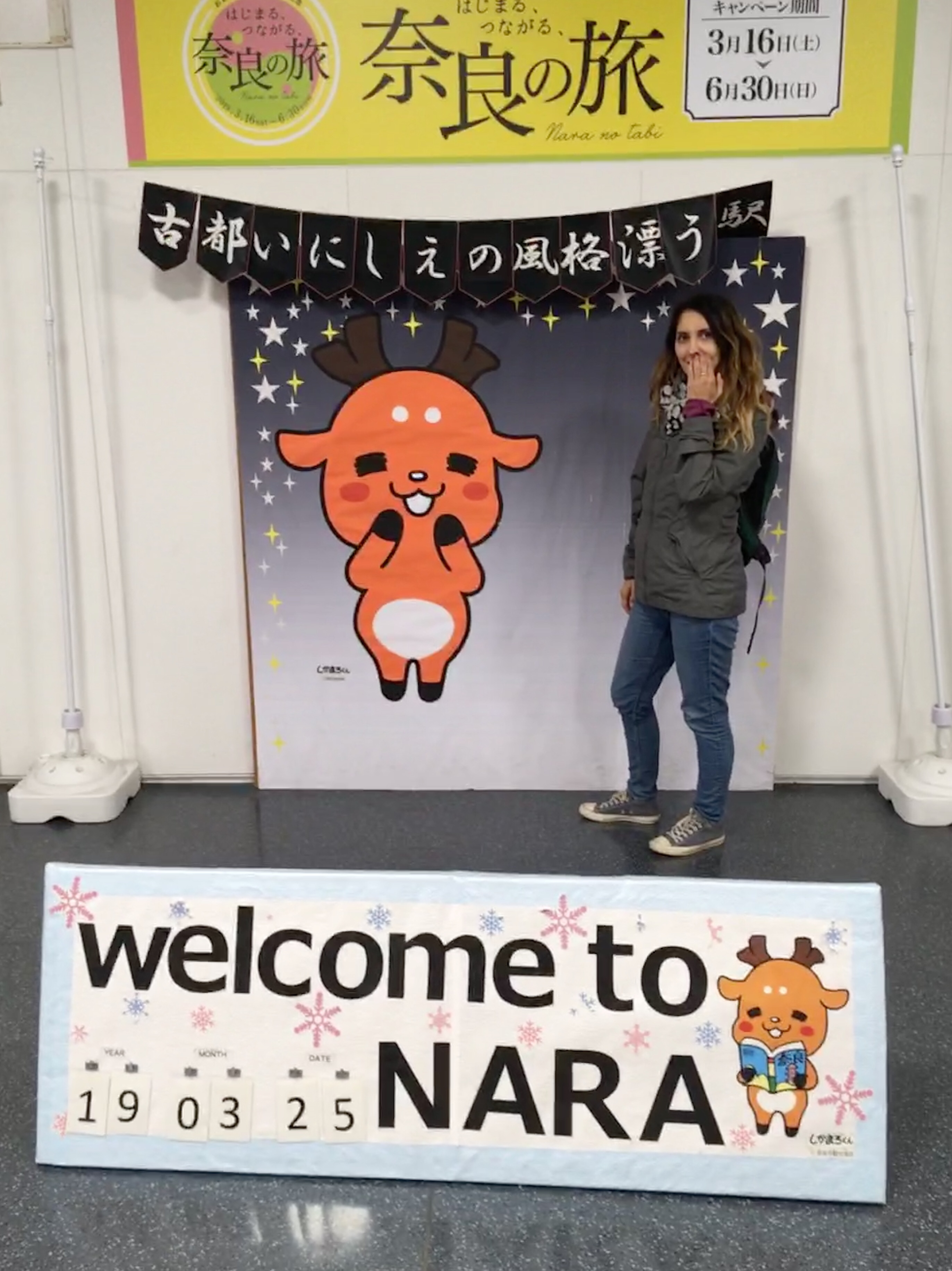
The next day I joined Matt on a day trip to Nara, home of The Deer. Hungover from too many plum wines and the lethal Sochu liquor (dinner in a quiet Japanese bar somehow escalated to us regressing to our teenage years and buying a bottle from a Lawsons store to drink on the street – sorry parents!), I dragged myself onto yet another train as the lure of The Deer was too much to resist.

What happens in Kyoto stays in Kyoto

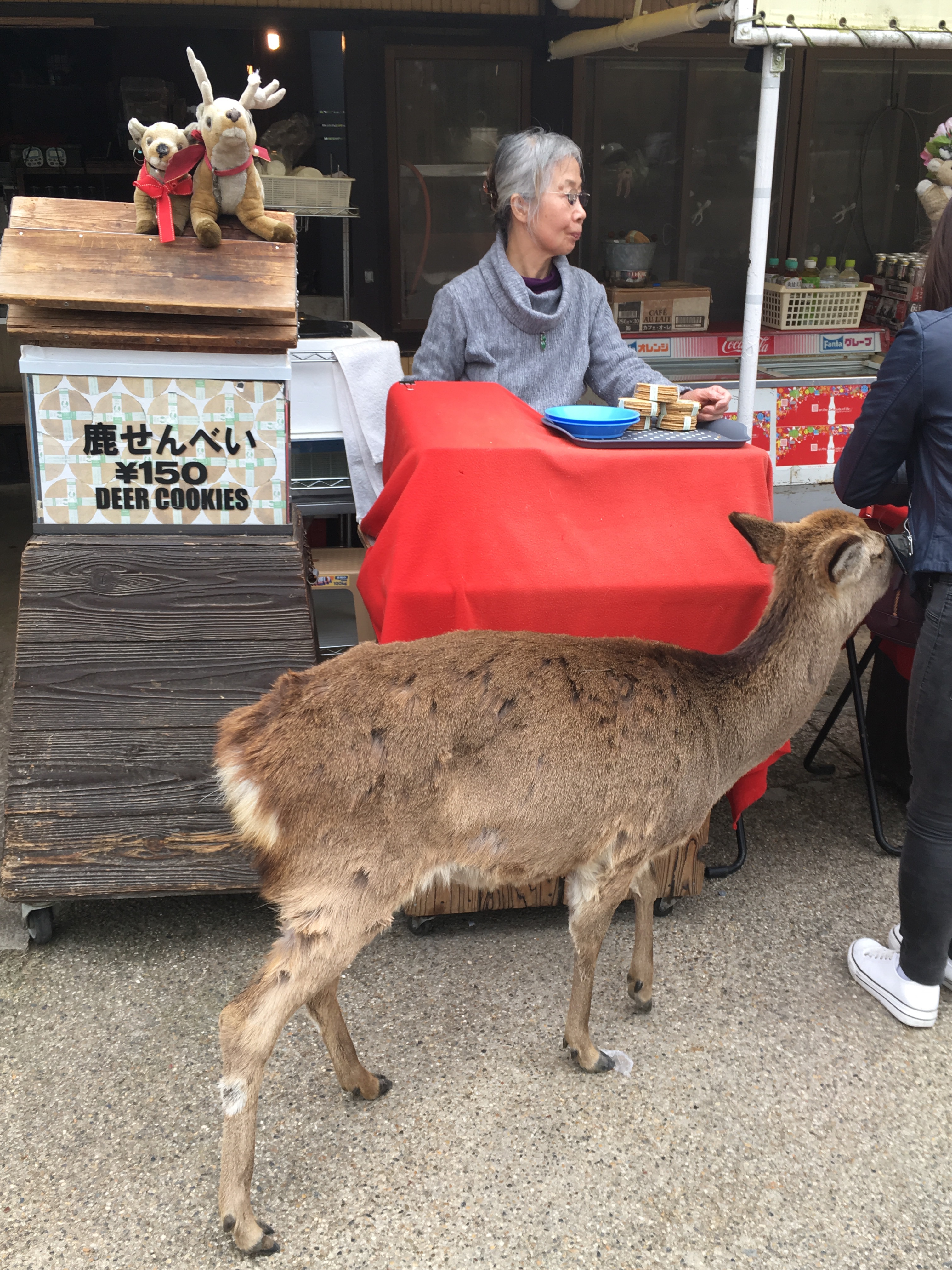
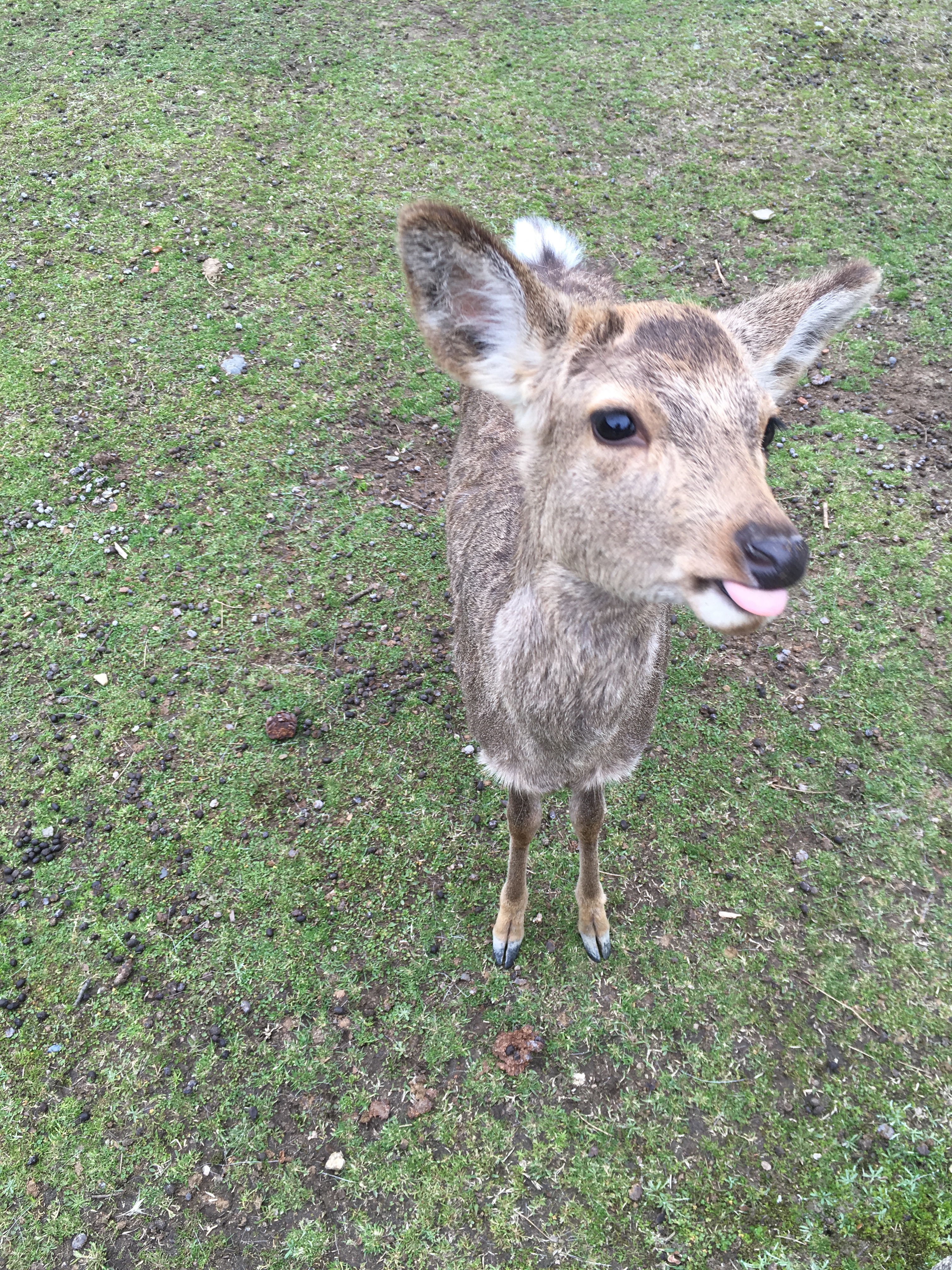
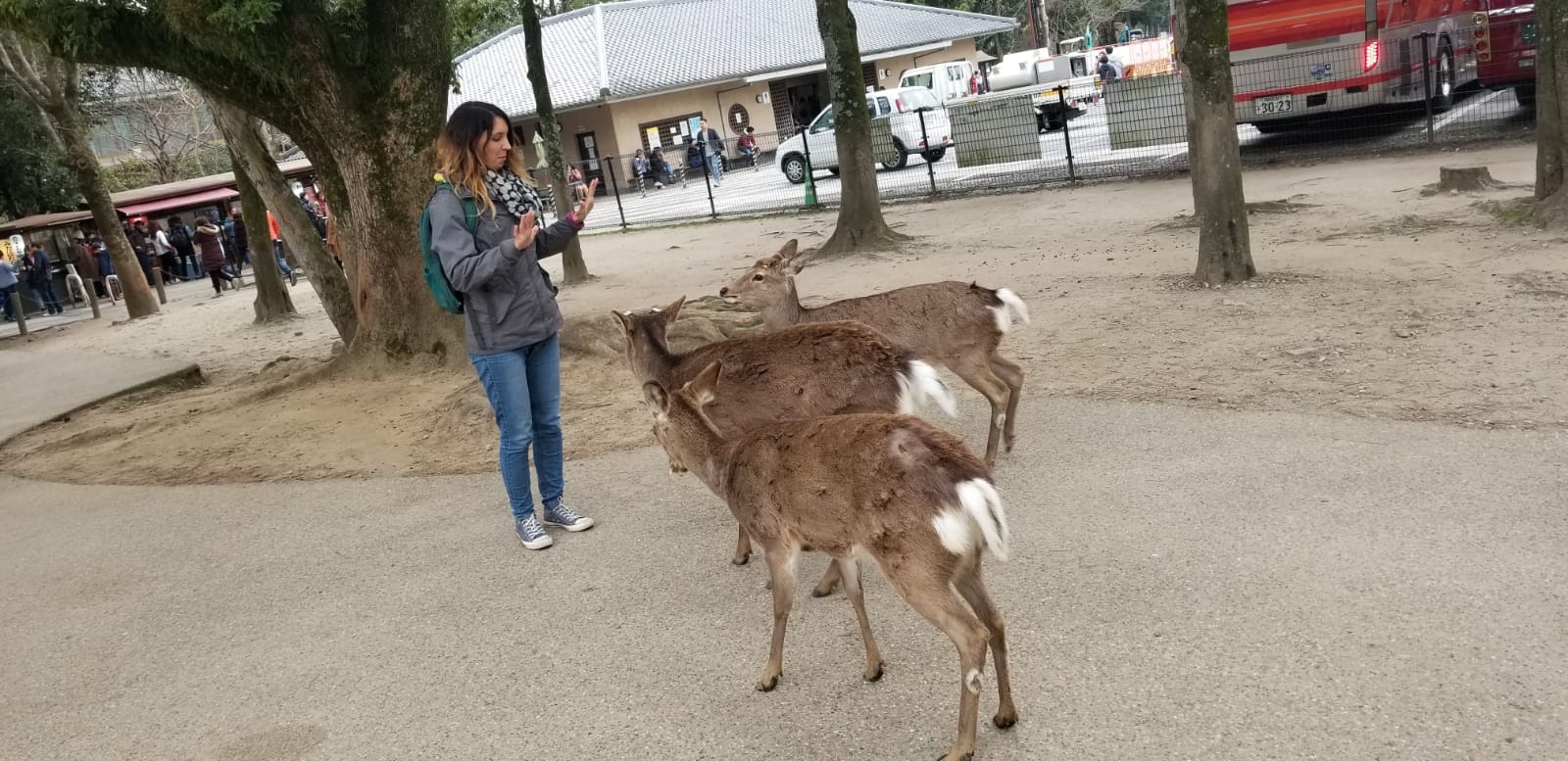
Nara’s deer population wander the parks looking for ‘deer cookies’ (rice crackers) which you can buy – cue hours of fun feeding them / being chased.

I’m not sure that Matt realised just how crazy I would go for The Deer or that he’d spend half the day taking photos of me and my new friends and forking out for more cookies when I ran out 😂

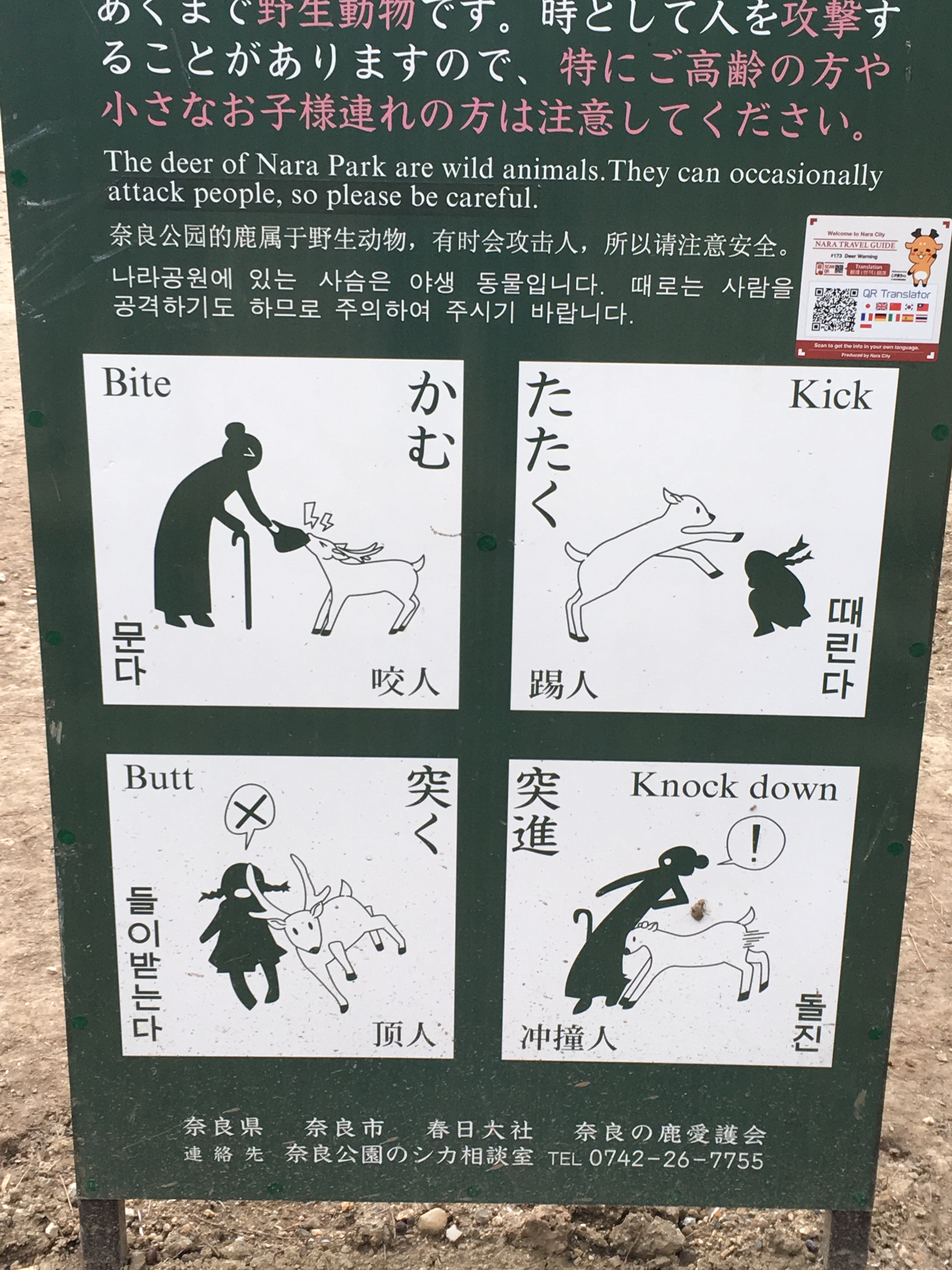
I especially liked the signs detailing the four kinds of deer attack, and seeing how many of each I could spot in real life, which was quite a few Butts but sadly no Knockdowns.

However, this is only funny until you’re the one being chased by a group of cracker addicts looking for their next hit… although it was fun using the hands up STOP sign when the deer got a bit carried away – it really works 😎

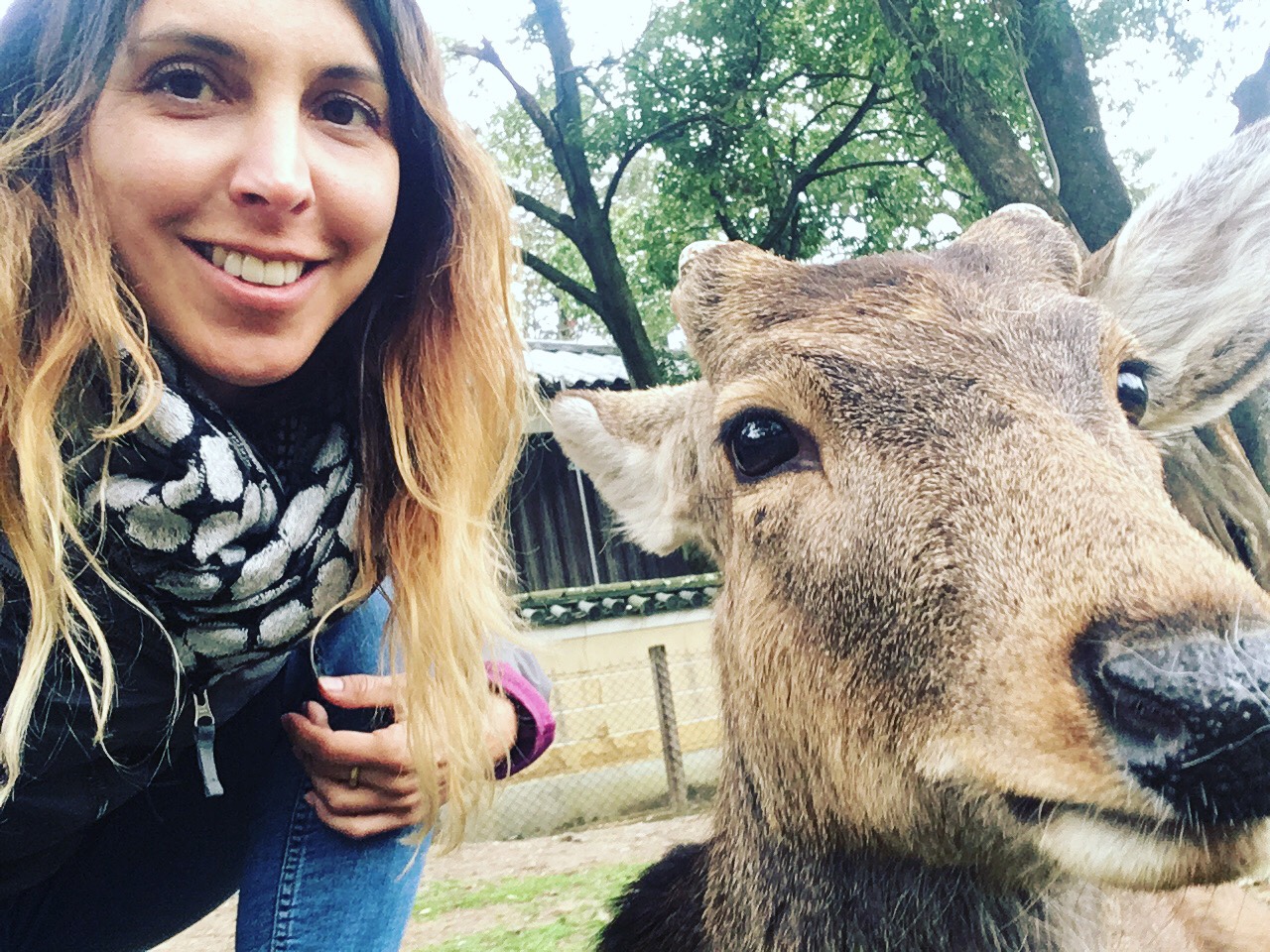
No trip to Nara is complete without the obligatory deer selfie although I went one step further with some wet nose kisses (sadly no photo, I guess Matt had had enough by then).

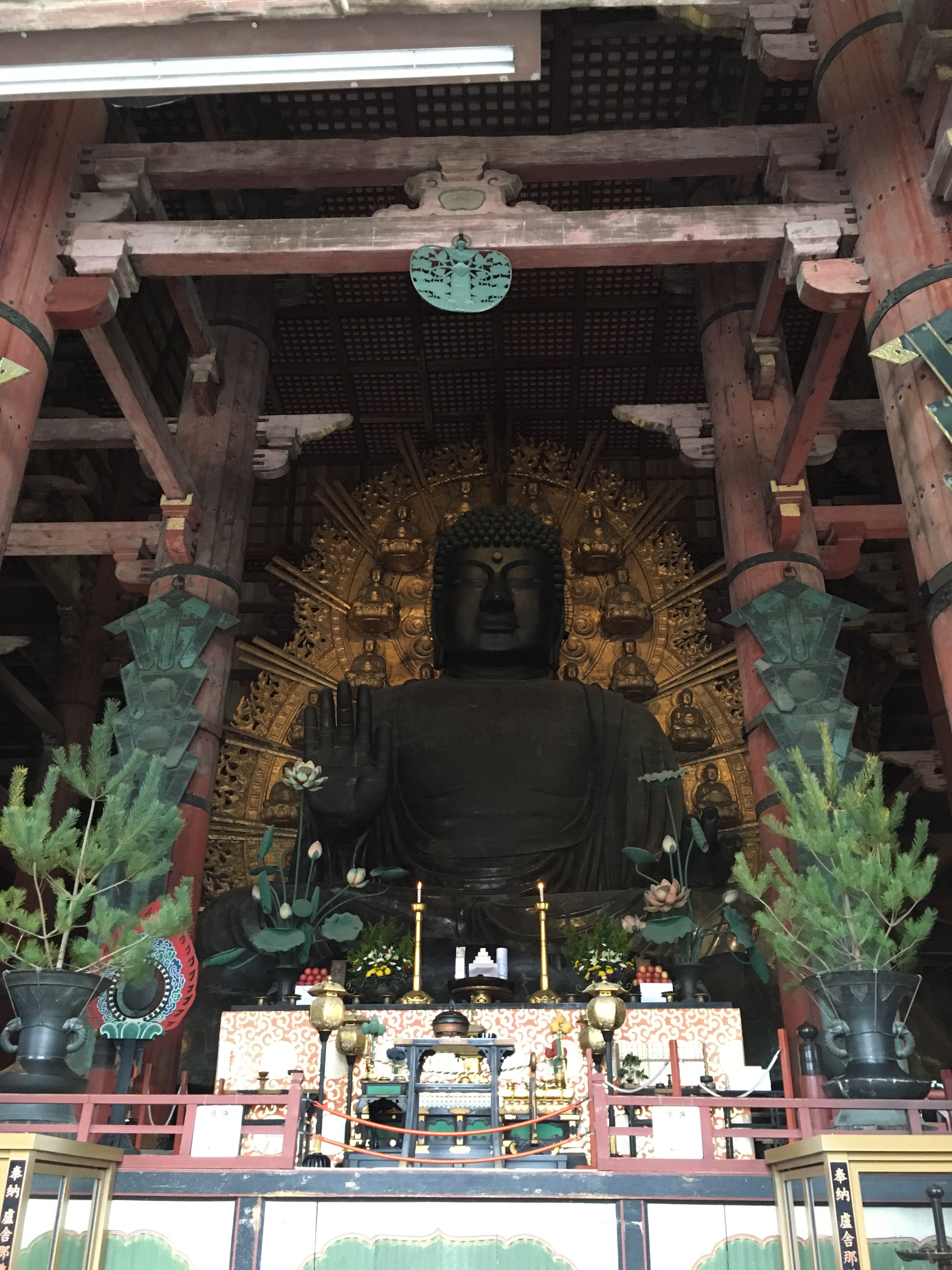
Whilst the shopping streets and modern feel of the town centre weren’t what I was expecting, there is actually more to Nara than deer – Japan is knocking the other countries I’ve visited out of the park with it’s own Buddha images. Nara houses the giant bronze/black Great Buddha in Todaiji Temple which at 15 metres tall I think is my absolute favourite so far. A photo cannot capture the scale of this beauty.

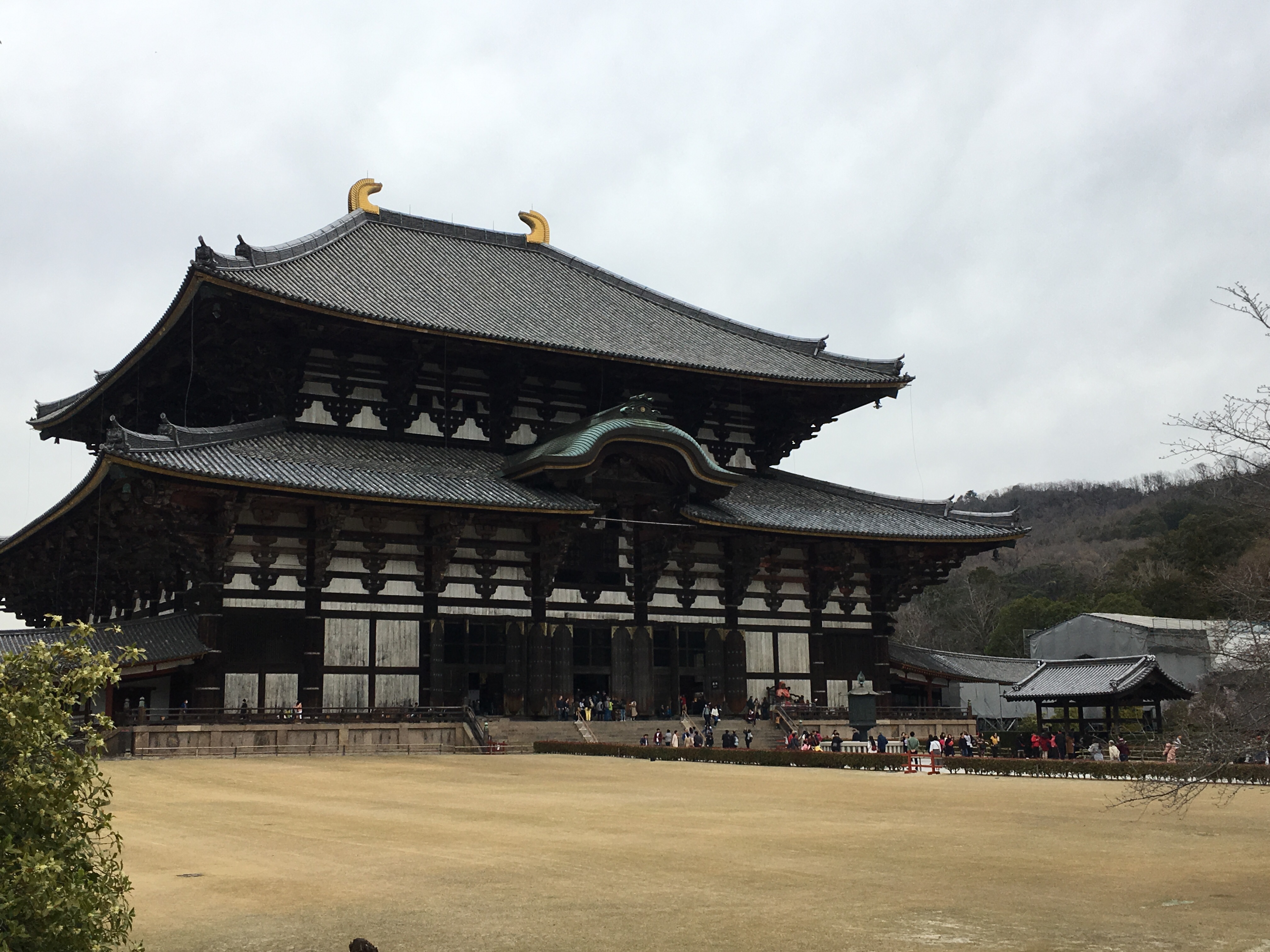
The Big Buddha Hall is actually the largest wooden building in the world – need I say more!?

You can light a sacred incense stick here which I thought would be nice. I was patiently waiting for it to light when I glanced down and noticed I was also burning a hole in my jacket 😬 I think my good luck charm I had just purchased might have saved me from going up in flames outside a temple. (I had actually just been warned about this but obviously took absolutely no notice).

Kofukuji Temple

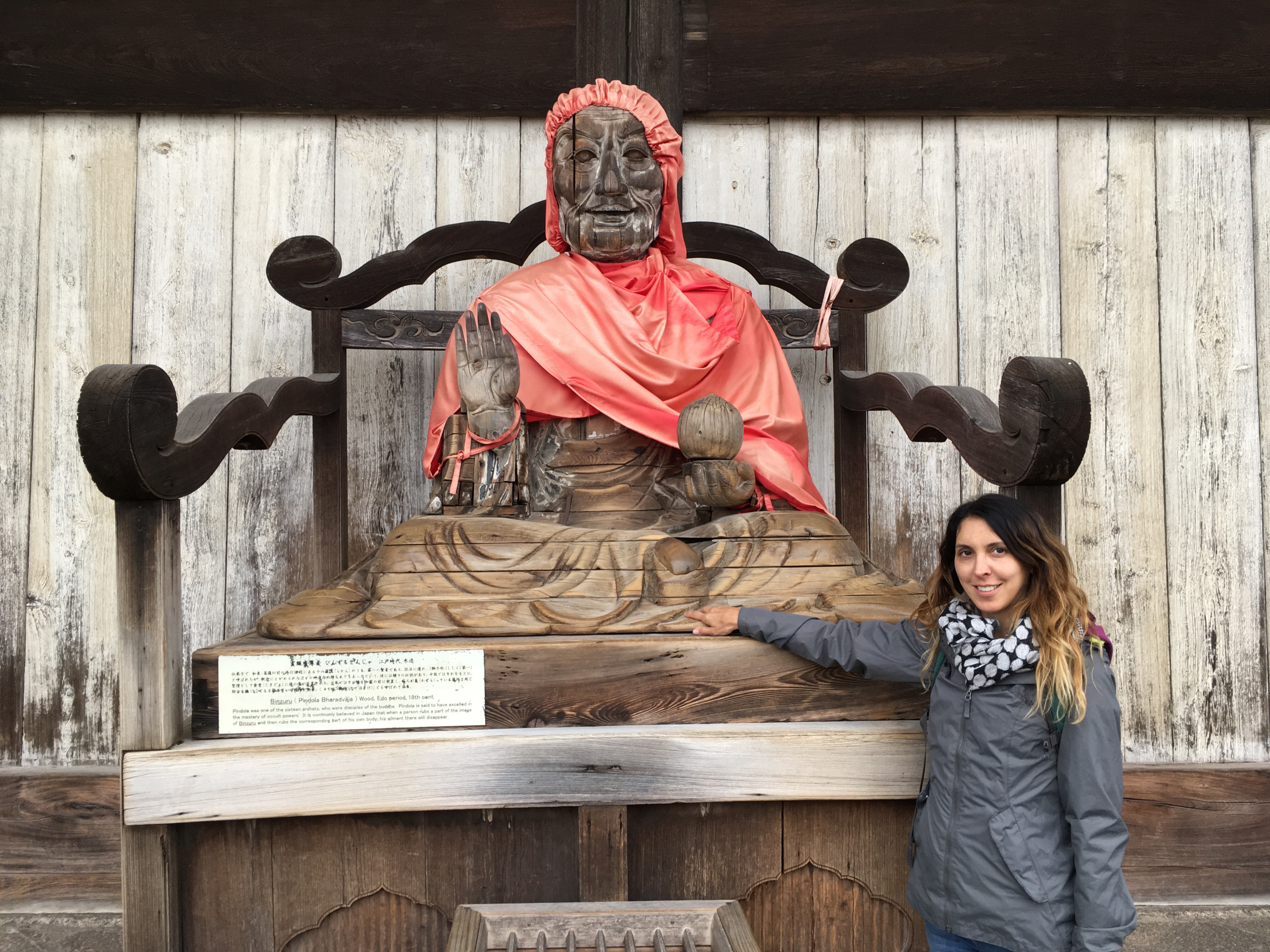
I was struck by the Japanese features on their Buddhas, the eyes, hair and even a little beard in some cases. They look quite different in each country. Nara also has the Healing Buddha that you can touch a particular part of to heal yourself but I’m not sure I did this right 😬

Back in Kyoto, I had another two crazy sightseeing days, where, like Tokyo, I only stopped to eat cake in vegan cafés and sleep. Because the sights are fairly far apart and they get very crowded, you can’t really visit more than a couple of places per day.

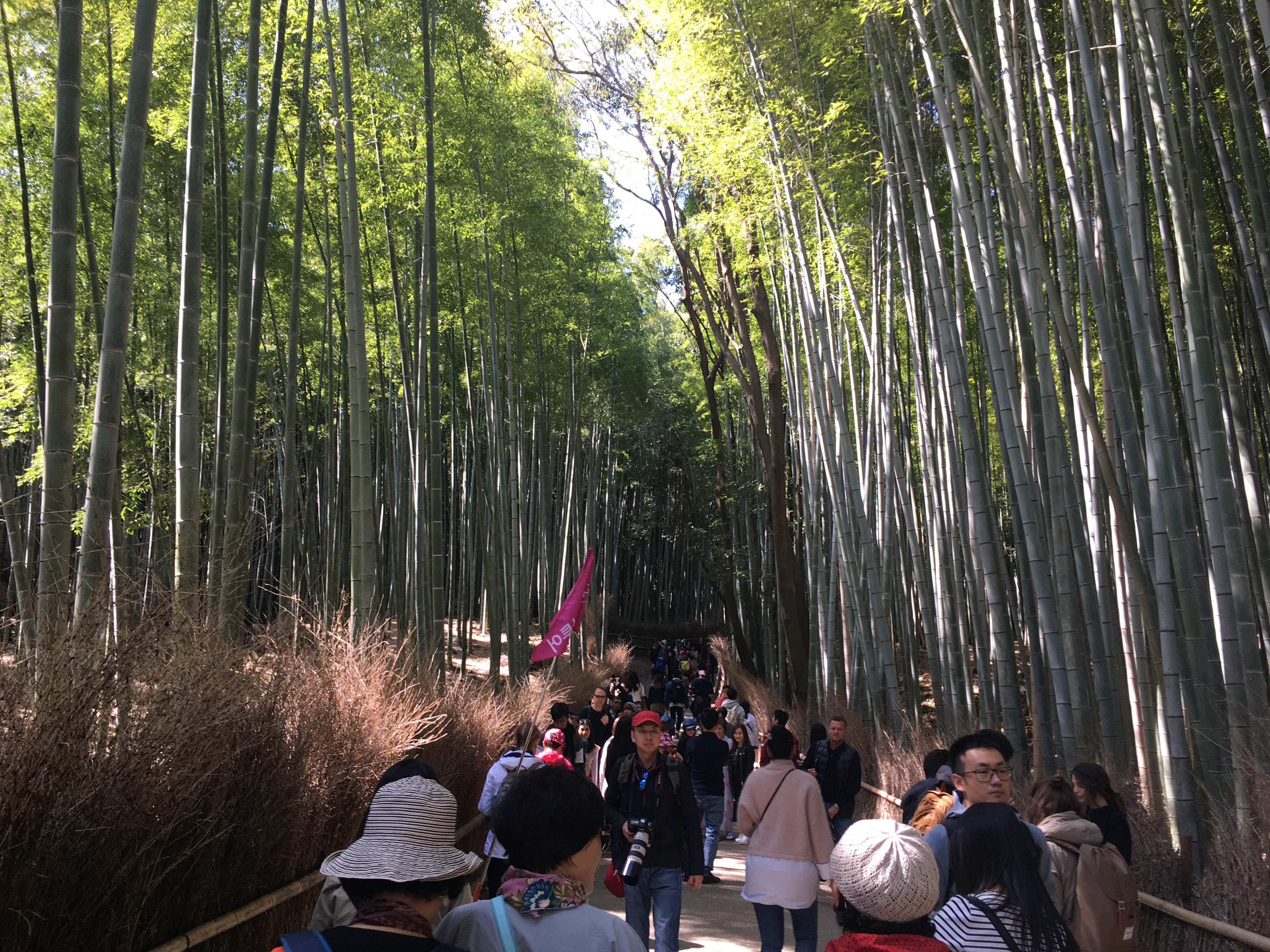
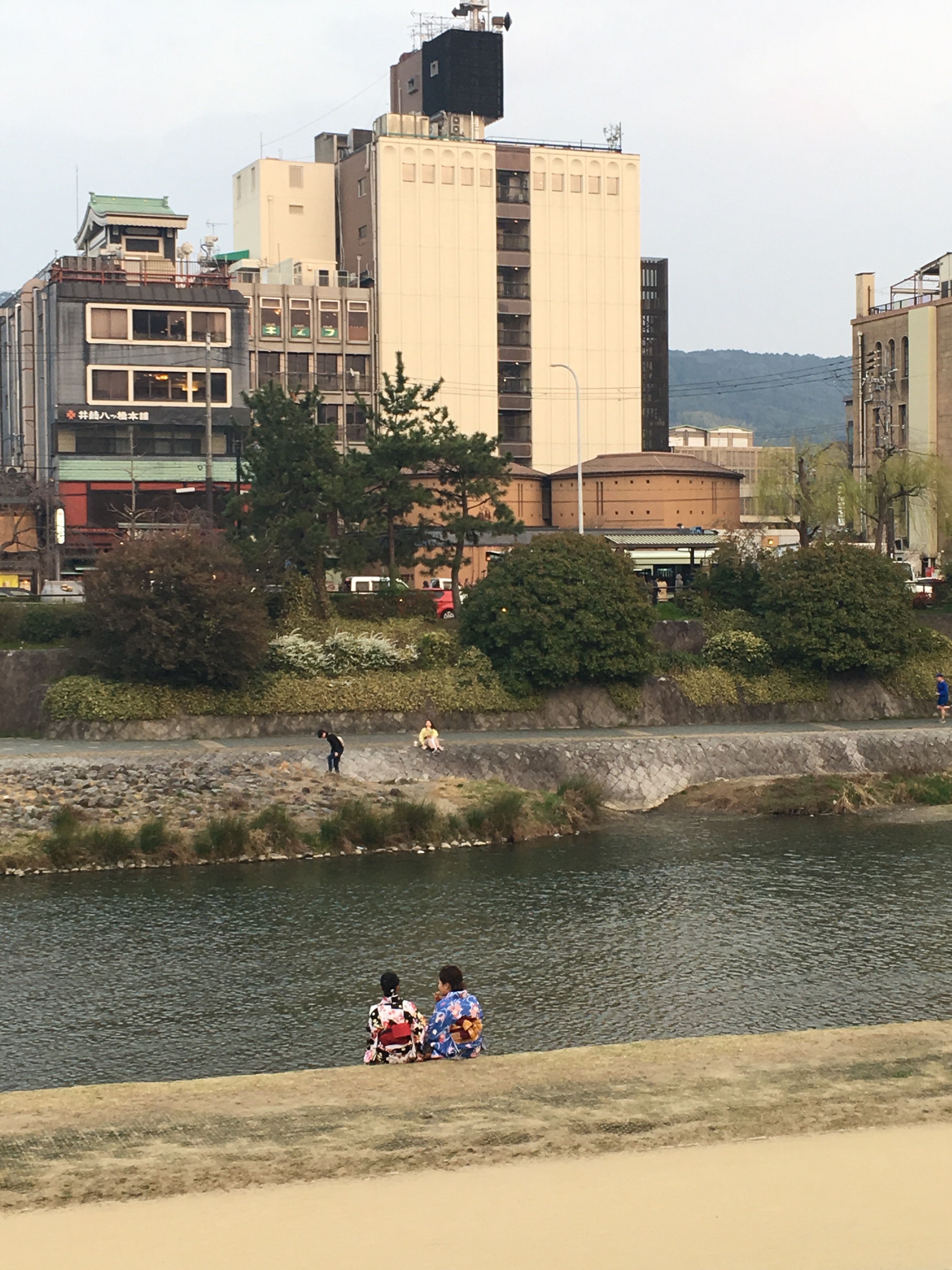
I hit the Bamboo forest too late in the day – when I say a place in Japan is crowded, I mean ‘shuffling two steps behind the person ahead of you’ kind of crowded. dodging big tour groups with their guide waving a flag, and bumping into all the girls in their rented Geisha outfits brandishing their selfie sticks at the slightest glimpse of cherry blossom.

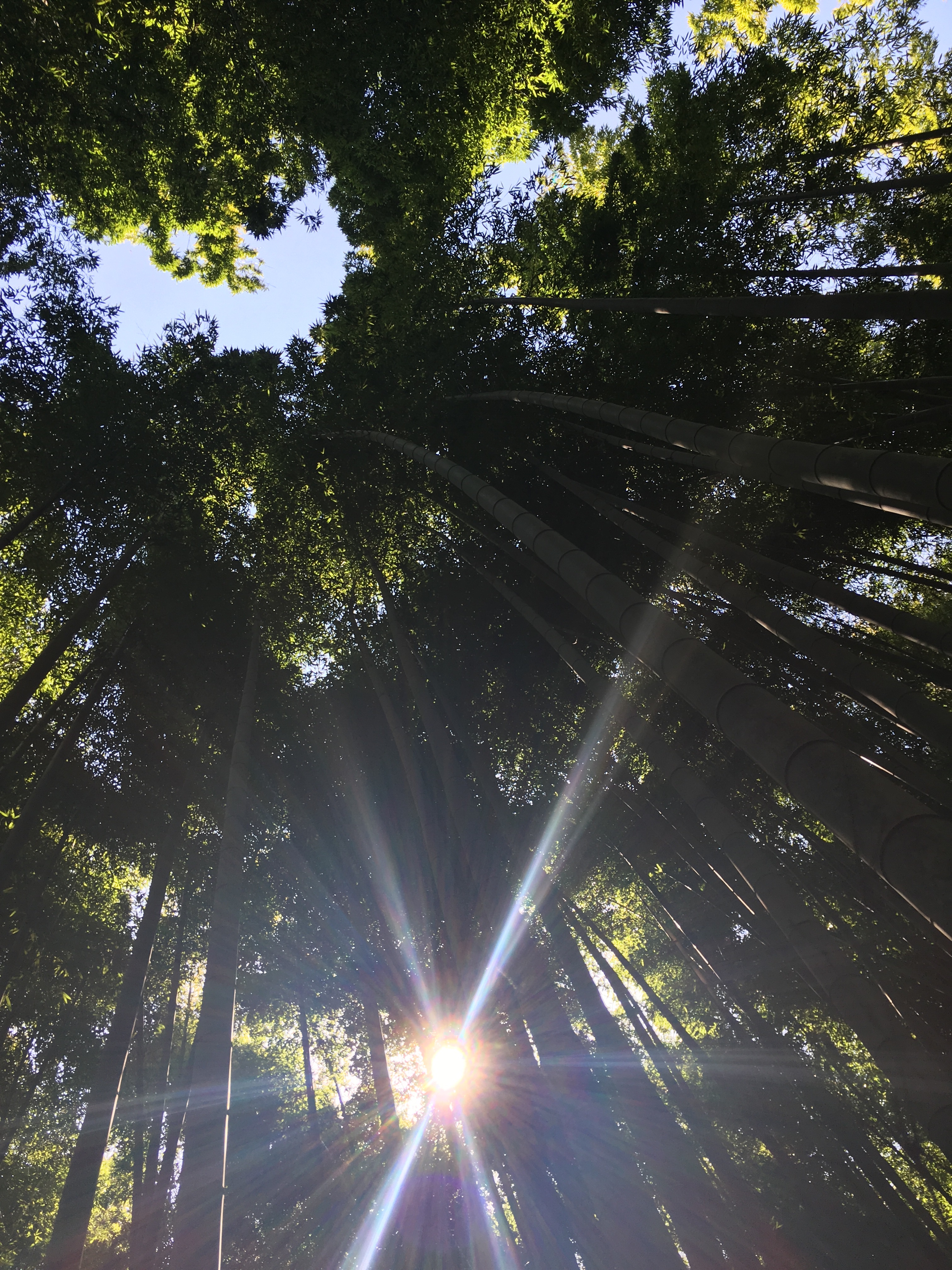
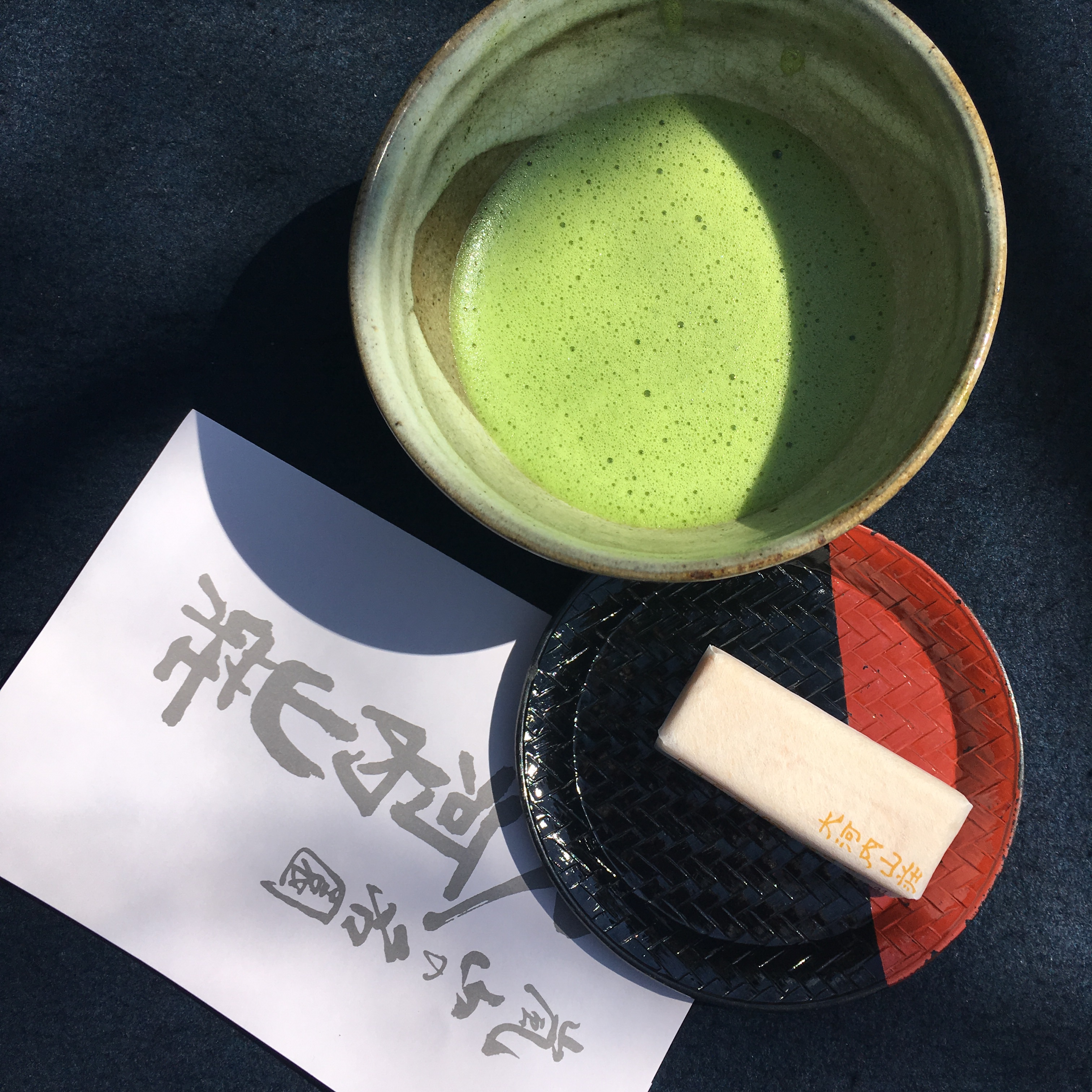
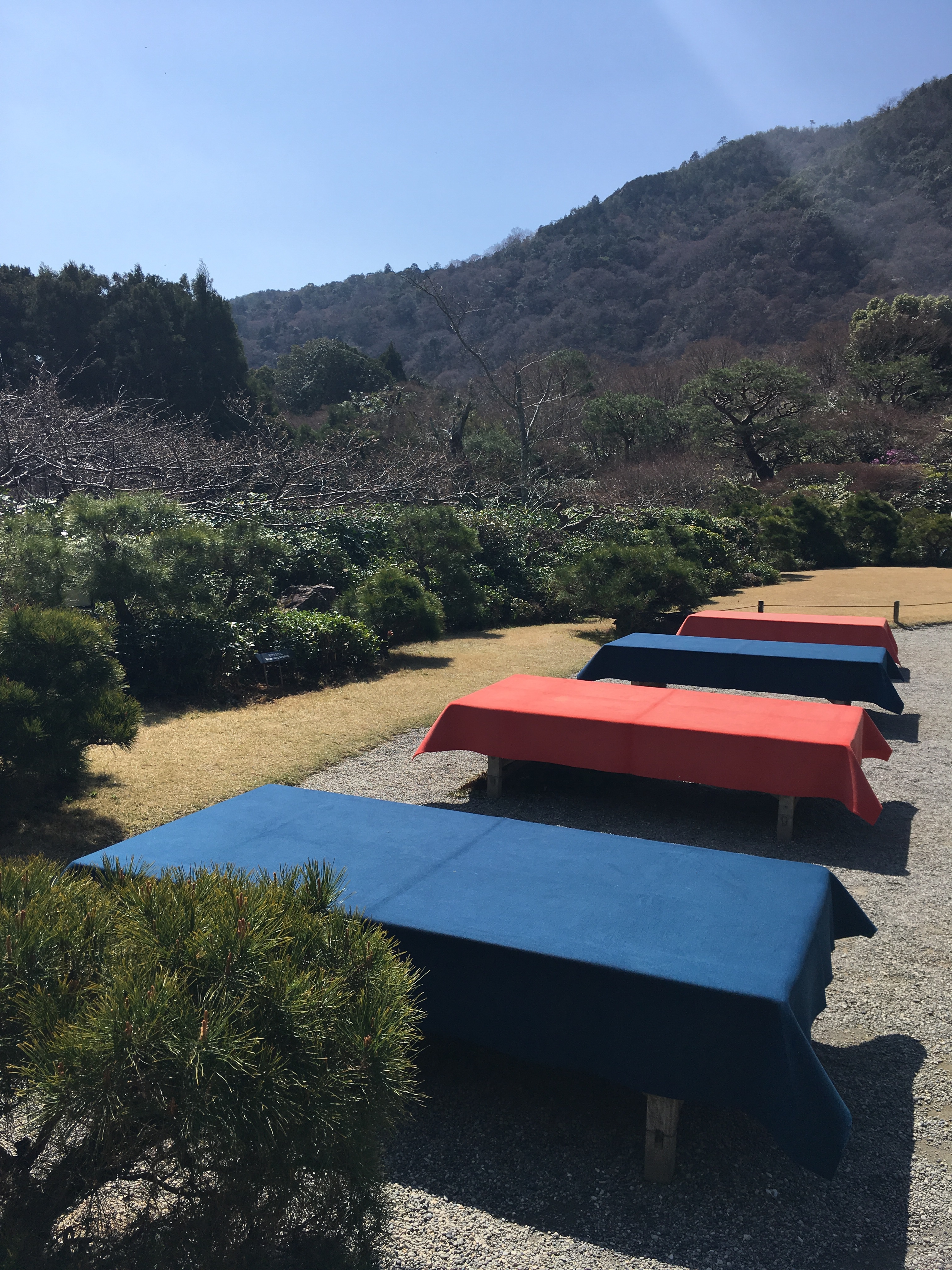
I continued on the famous walk between the bamboo trees as I was already there, but much preferred the beautiful private gardens that I stumbled upon nearby, created by the period film actor Denjirō Ōkōchi. This was my first real Japanese garden and tea room experience and I loved it. Unfortunately it turns out that I hate this whipped up green tea 😬

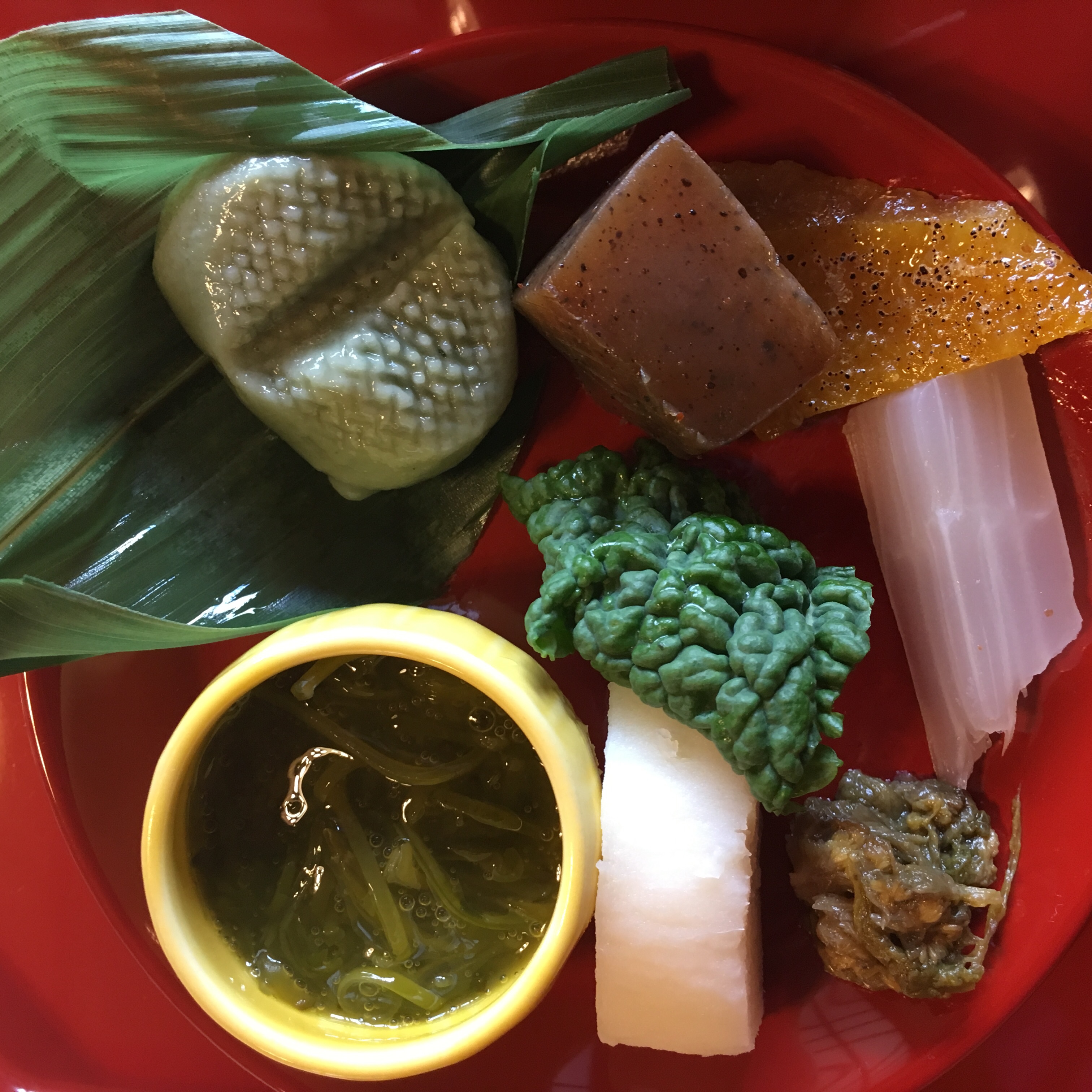
Another first for me that day as I splashed out on a traditional Buddhist vegetarian lunch in the nearby Tenryuji temple grounds. I must have tried over 20 new delicacies – I have no idea what they were except they were totally plant based.

To be honest I enjoyed more the experience of sitting cross legged on a mat and being served a multitude of intriguing dishes, more than I enjoyed the actual dishes themselves 😂

Dressing up for the weekend

Another must for Kyoto is Geisha spotting. The real ones (with white painted faces) and even the apprentices don’t just wander the streets. They have a celebrity status in Japan. I learned a good way to see one in real life is to hang around the side streets off Gion Corner where the old Tea Houses are, around dusk, looking for any black taxis with their engine running – a sign that a Geisha is leaving work for the day. This is hard to do without looking like a nutter, especially when many venues have security.

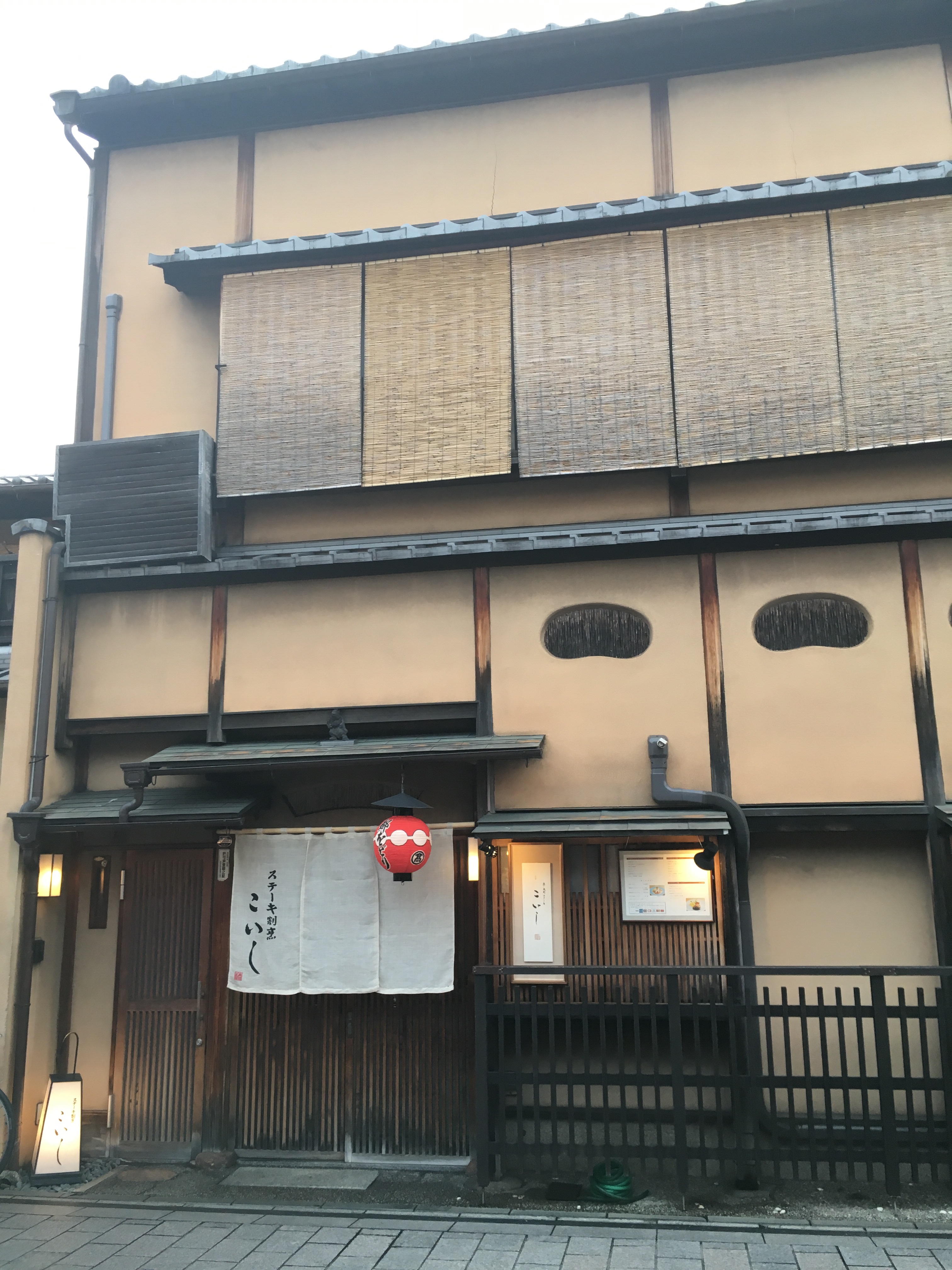
Tea house or random building?

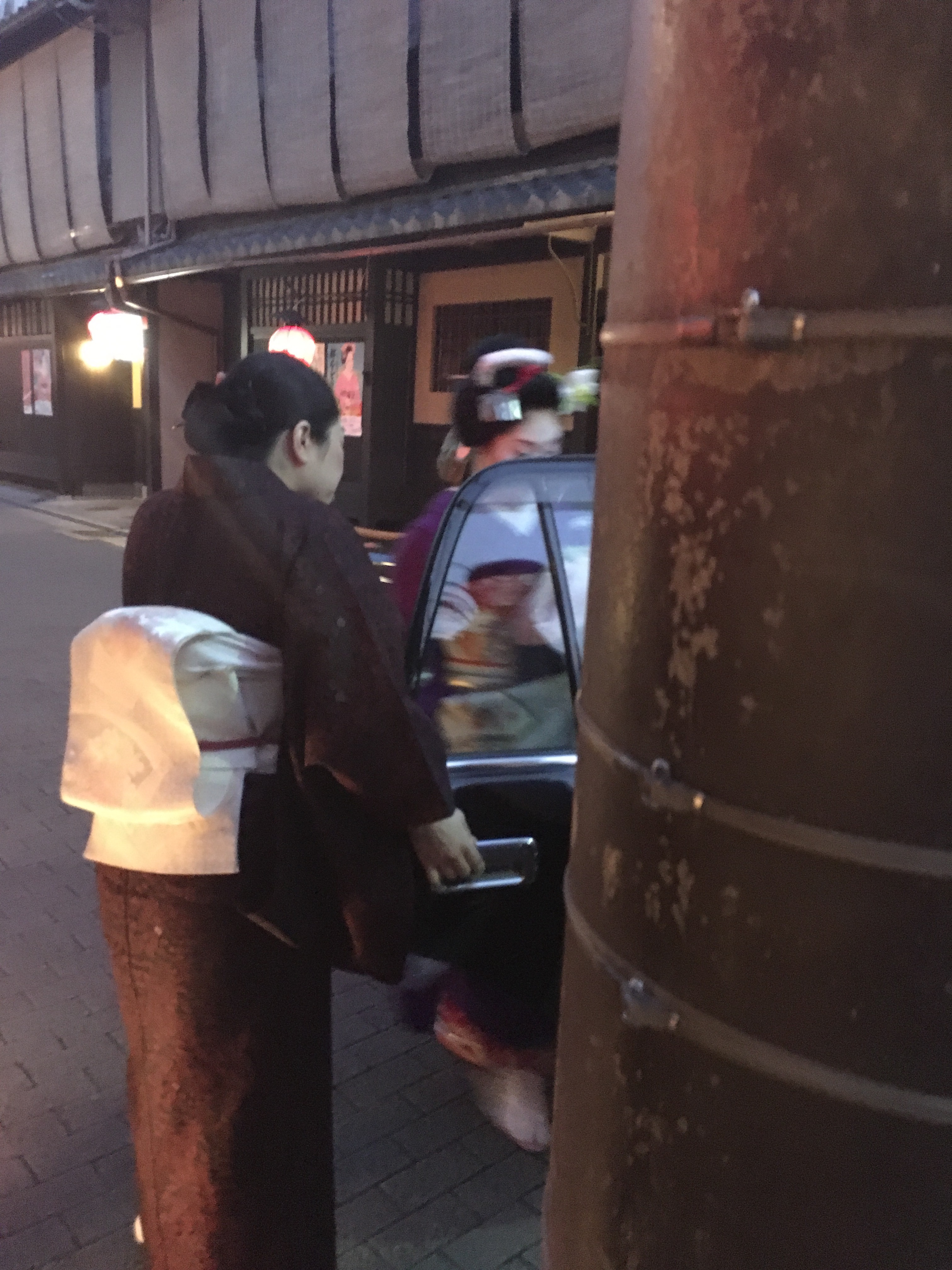
After ten minutes I saw a taxi so I joined the other tourists hanging around hopefully and sure enough two beautiful Geishas came out soon after. They moved extremely quickly, heads down and straight into the cab then they were gone. There is a certain thrill to peeking in the taxi windows and seeing a flash of white skin and red lips.

I was due to travel on to Osaka at this point, but by now I had realised 10 days was not enough and I would not be ready to leave Japan in a few days time. I had, by chance, booked a flexible flight out of Osaka so I made the most of it and extended my time here by one more week meaning I could come back to Kyoto for the cherry blossom. Next stop, the mystical Buddhist site of Mount Koya and a night in a temple …

Mount Fuji and the Naked Bathers

When was the last time you did something for the first time?

I may have stolen that from a country music song I’m listening to at the moment but it’s a good question, especially when travelling and the answer should always be ‘today’ 😎 On this day I rode the ‘Romance Train’, saw Mount Fuji, and got unexpectedly naked in a communal Japanese bath 😬

I took this rather fancy train from Tokyo to the mountain town of Hakone, towards Mount Fuji, and it was hands down the nicest train I have ever ridden.

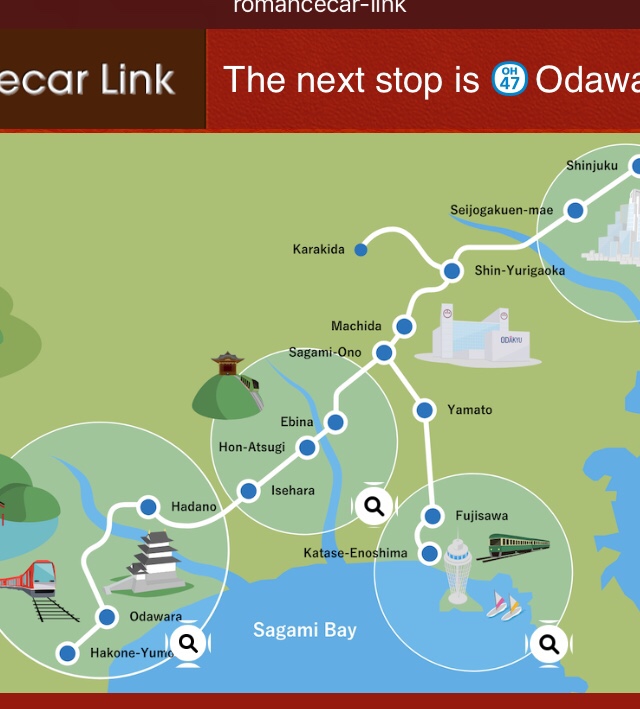
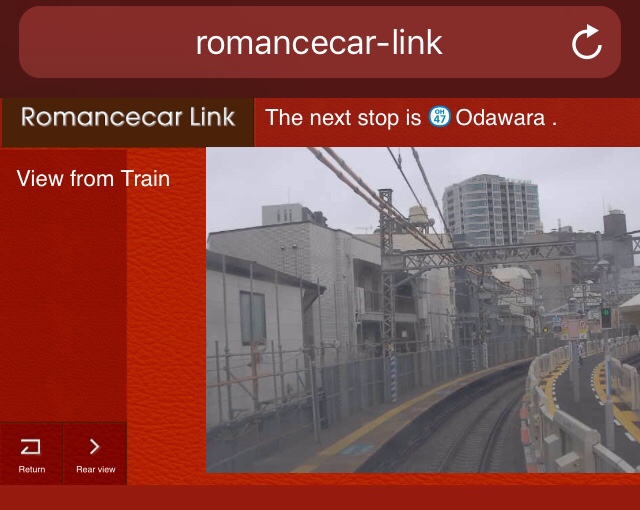
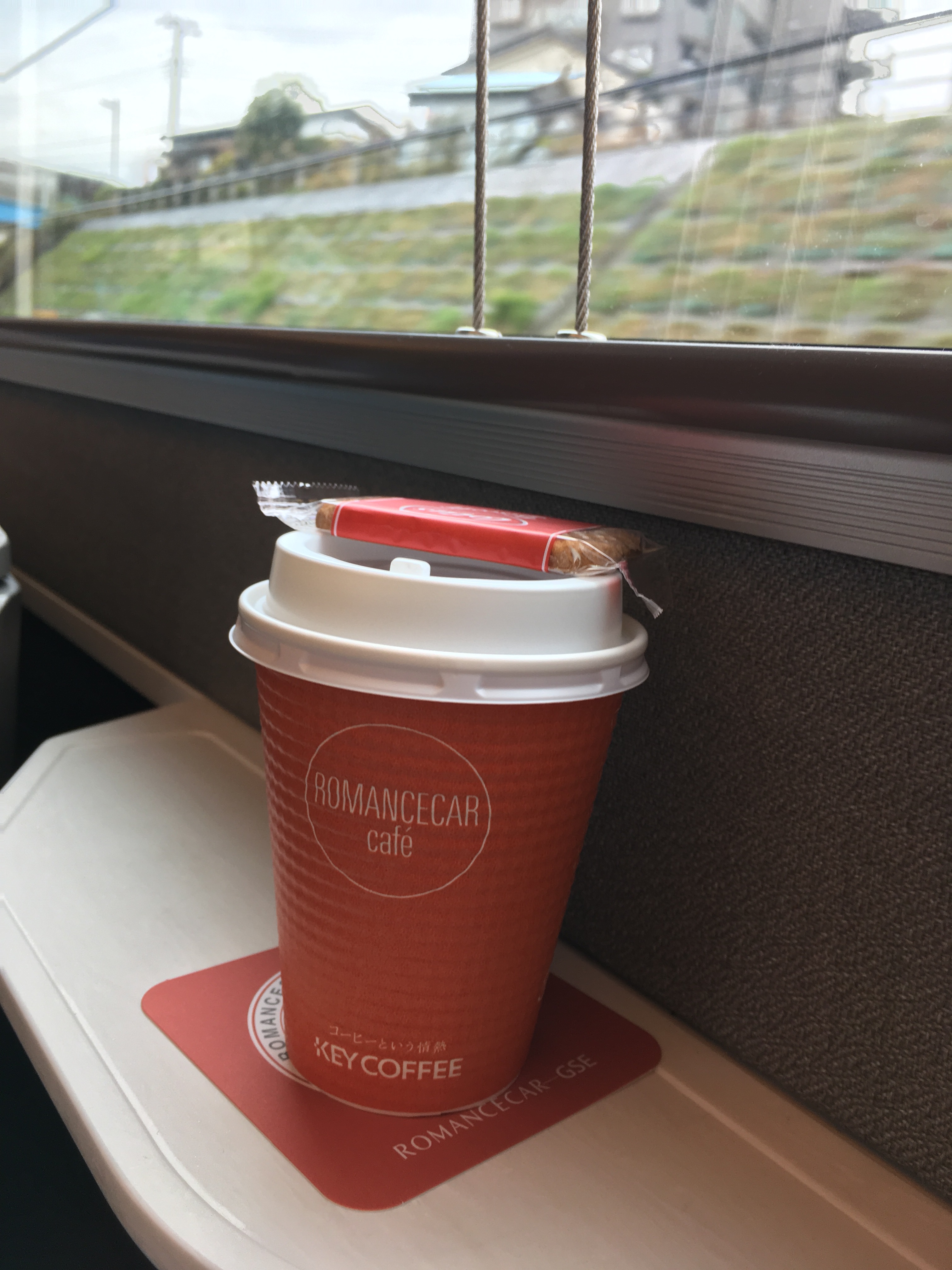
In my reserved seat with enough leg room for my own legs twice over, a luggage rack where I actually left my backpack out of sight and somebody came and served me a cup of coffee and biscuit. There were proper toilets with soap, and free WIFI with an interactive map and live camera view from the front of the train. Whatsmore whenever the attendant leaves the carriage they do a little bow 👏

Train cam

I realise most of these points may sound obvious to the Western mind (maybe not the bowing part), but remember I’ve gotten used to trains in India where I’ve sat on the filthy floor watching my bag like a hawk and almost falling out of the open door onto the tracks.

The Japan train experience reminded me of something I forgot to write about in India. We had just arrived in Agra after a long train journey and tour guide Manny McPhee had clearly said ‘get off to the left’. Now the last time we took a train we nearly didn’t get off at all as a crowd pushed their way on before we got near the exit. So, as a few of us approached a door on the left and saw locals getting off, we followed suit. The fact there was no platform to step onto did not deter us. We jumped right down onto the live railway tracks like lemmings. I remember telling Izz Dog ahead of me to hurry up, not realising there was a metre drop. Only when I was down on the tracks, looking into the face of an oncoming train (that I now know was stationary) and realising it was not physically possible to haul myself, let alone my backpack, up onto the platform, did I panic slightly 🤦🏻‍♀️ Especially when I heard a train whistle in the distance. I still have the image in my head of Del Dog, mid air and horizontal, being dragged up on to the platform by her arms and legs. Had I not thought I was about to die I would have taken a photo, but I was too busy shouting HELP ME before I too was hoisted up by the gang. My lasting memory is tour guide Manny’s horrified expression as he registered what had happened from further down the train, where where everyone else was getting off at platform level like normal people, shouting ‘what are you doing!?’ Although I still cry with laughter at this memory, it scares me a little that I adopted this pack mentality and didn’t question what I was doing 😬

Anyway, in Japan it’s clearly marked where to get on and off so no risks of that happening again 😂

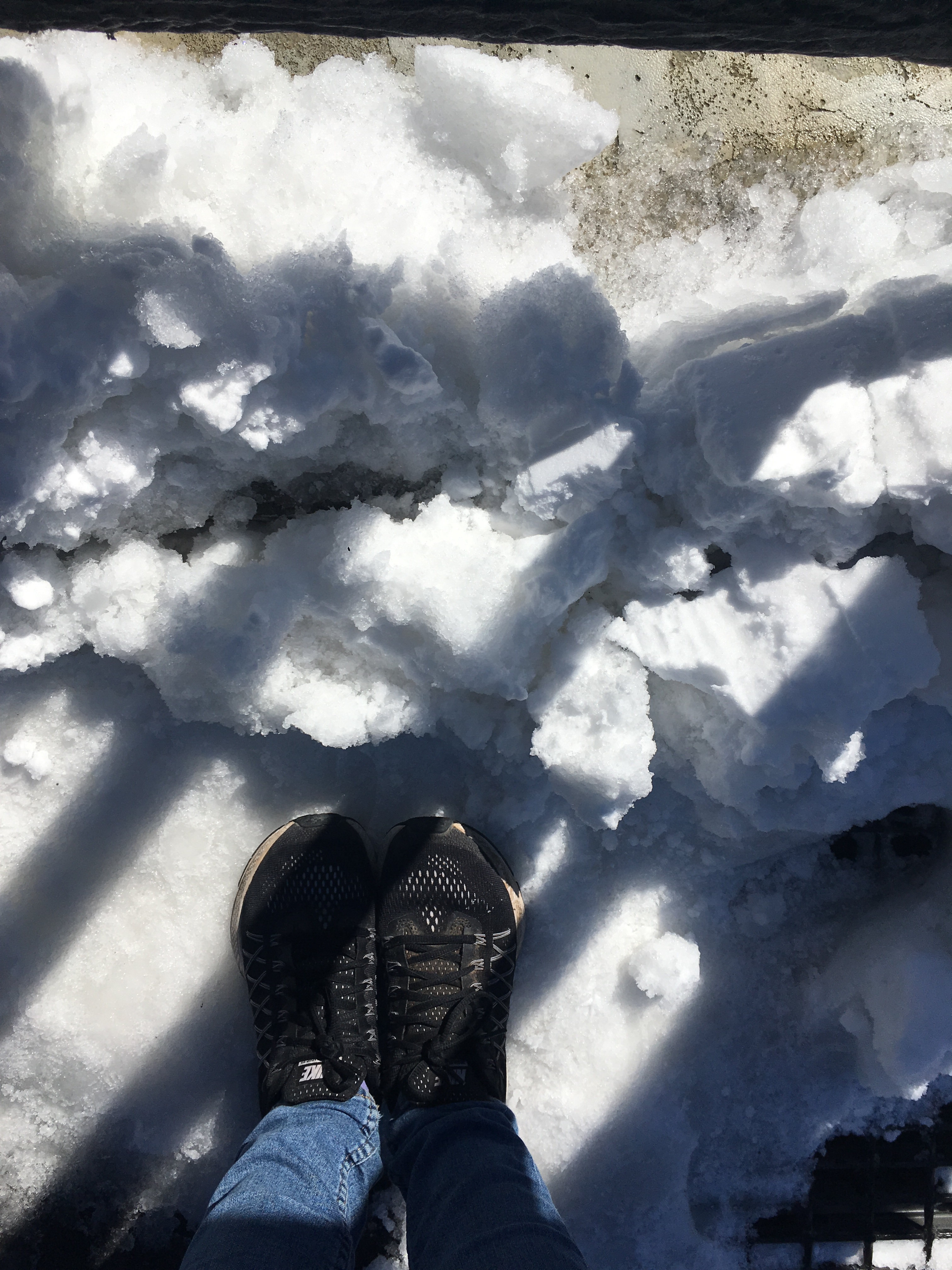
Snow!

I also appreciated for the first time that Japan is not just bright lights and big cities. There was snow and sunshine at the same time 😎 The scenery and nature here is simply stunning.

Hakone

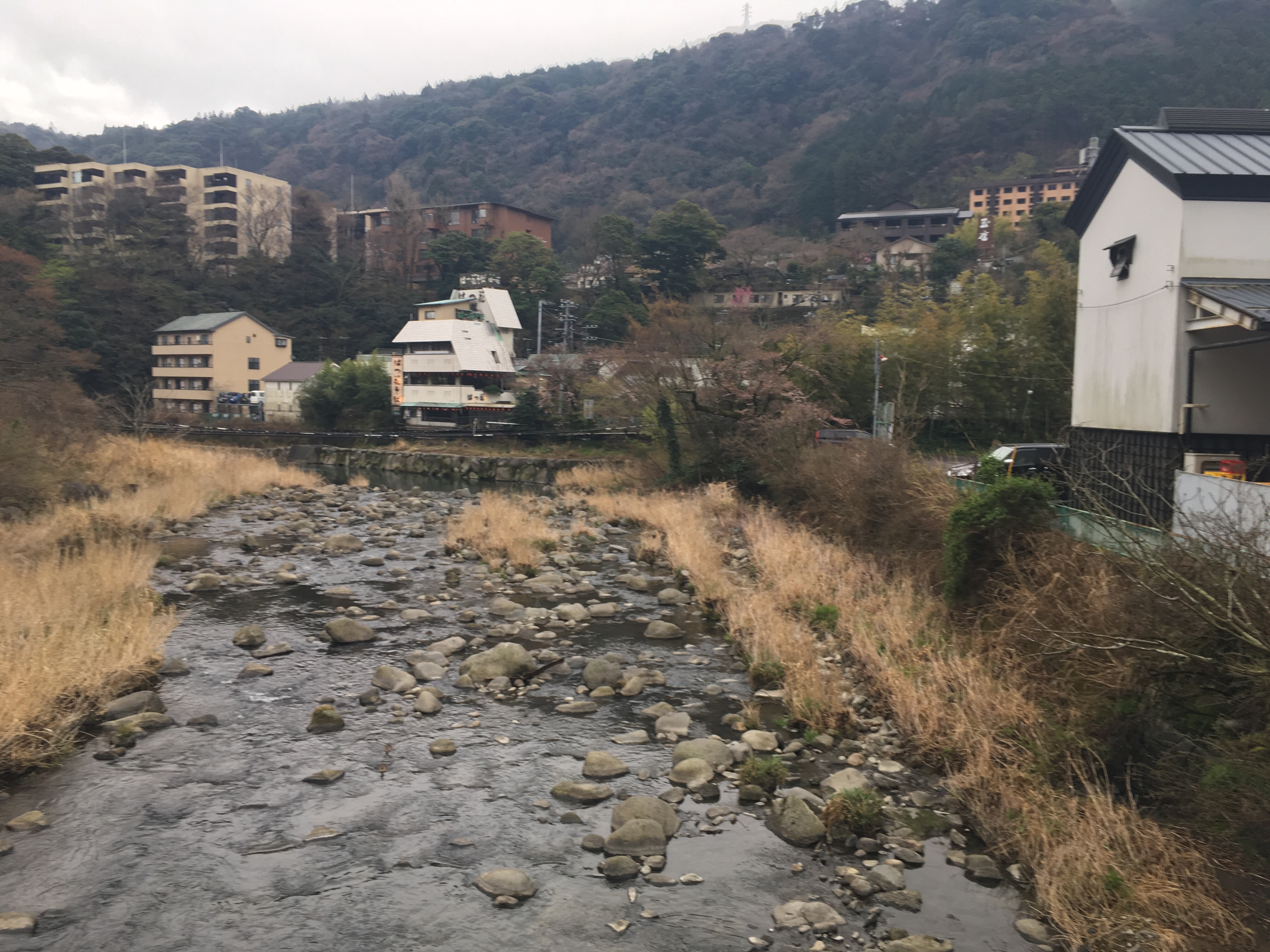
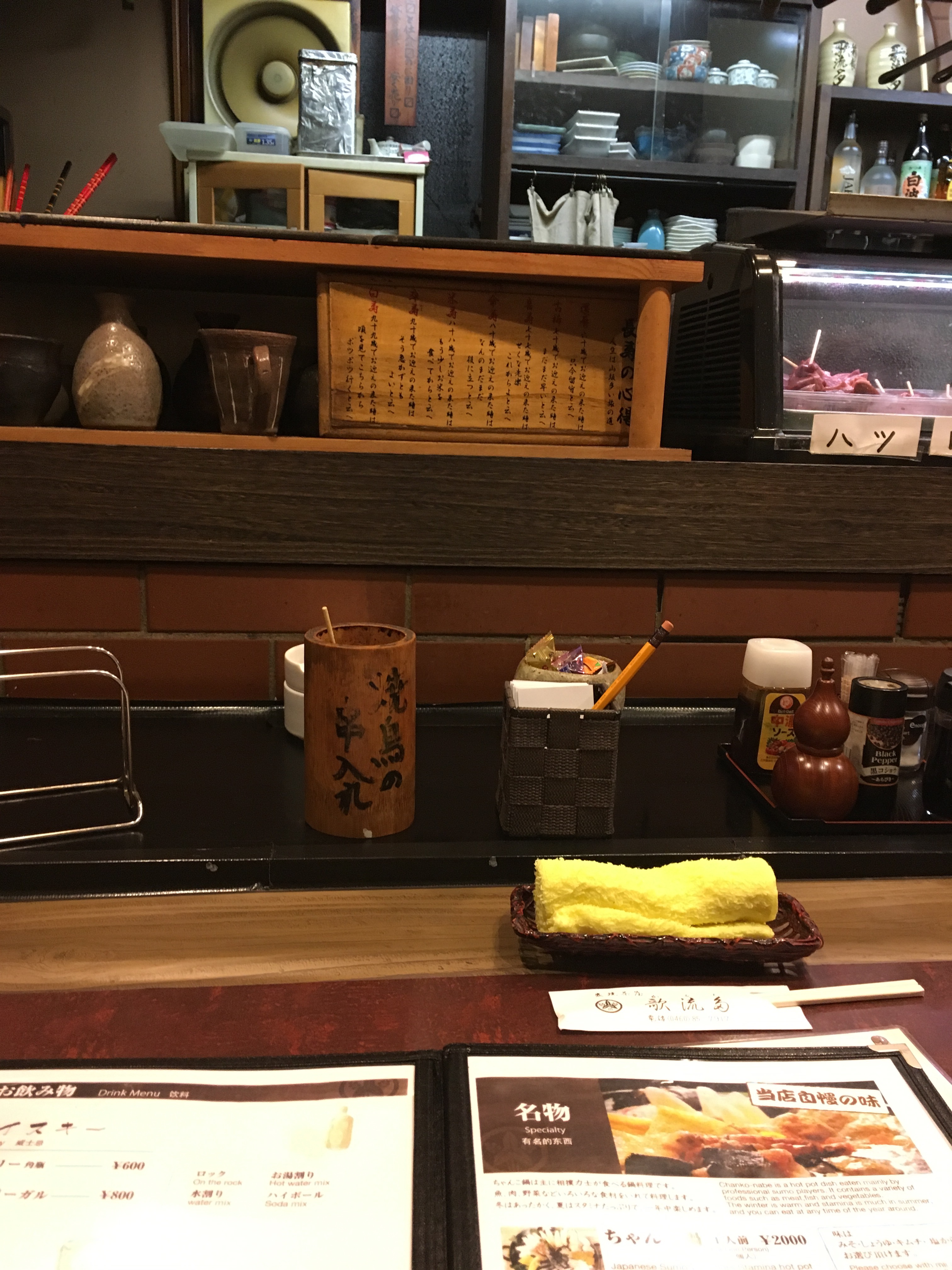
The ‘Heritage pass’ from Tokyo to Hakone includes all transport in the Hakone area, which is perfectly set up for tourism. I’ve decided to start including actual useful information about where I’ve travelled as well as silly stories, as more people are reading this blog now who might be planning a trip. I got on a local bus and headed to my hostel, K’s House which had some beautiful mountain views although it was raining. I hadn’t seen rain for months!! Just across the road from the hostel is a great little Japanese style bar where you sit side by side at a long bar. They even have a veggie menu – vegetable noodles Japan style please!

The Japanese love to queue for restaurants too. All of the eateries around the train station had long lines outside but this little place is too far up the hill for most people.

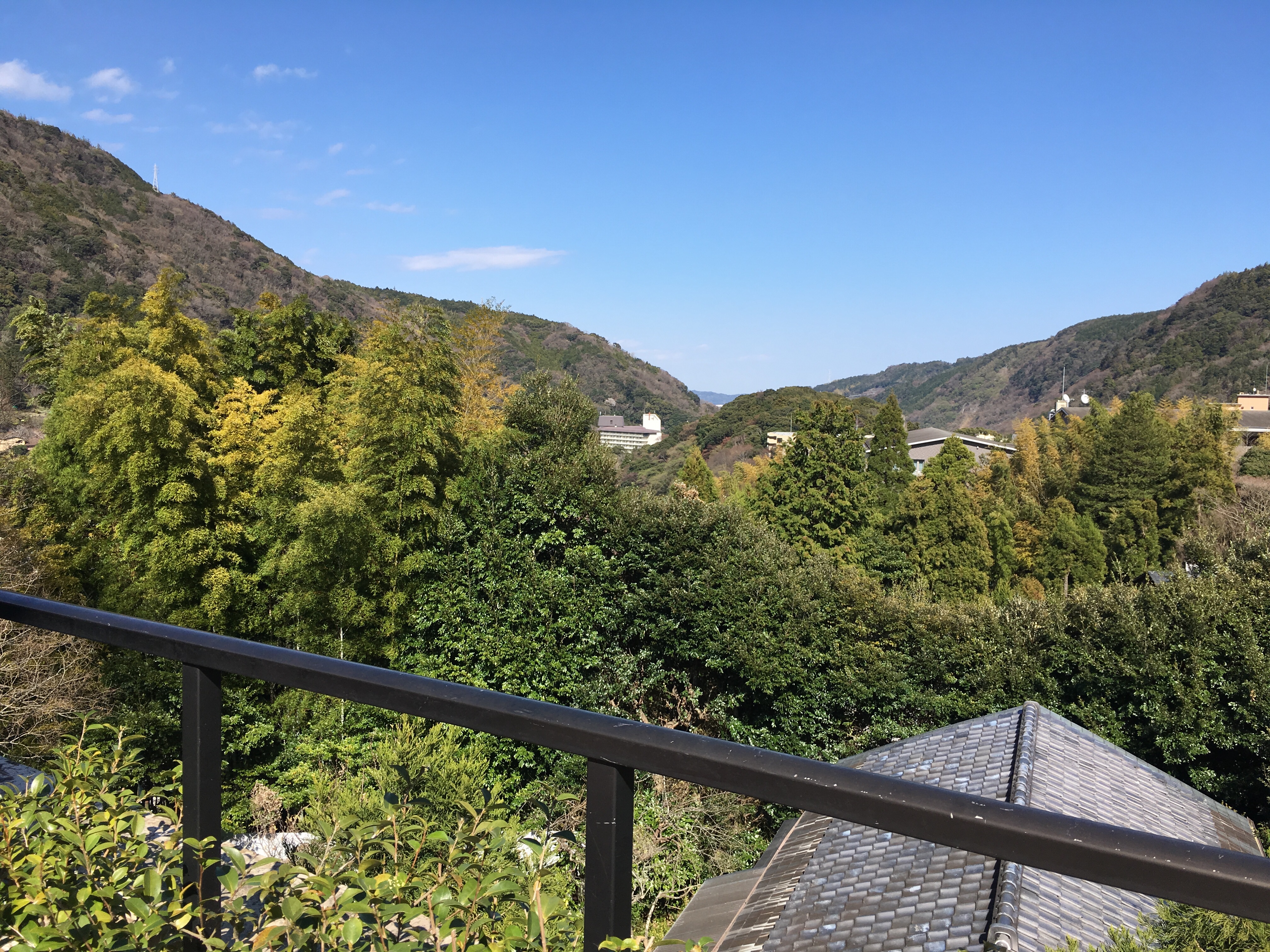
Clear skies the next day from hostel terrace

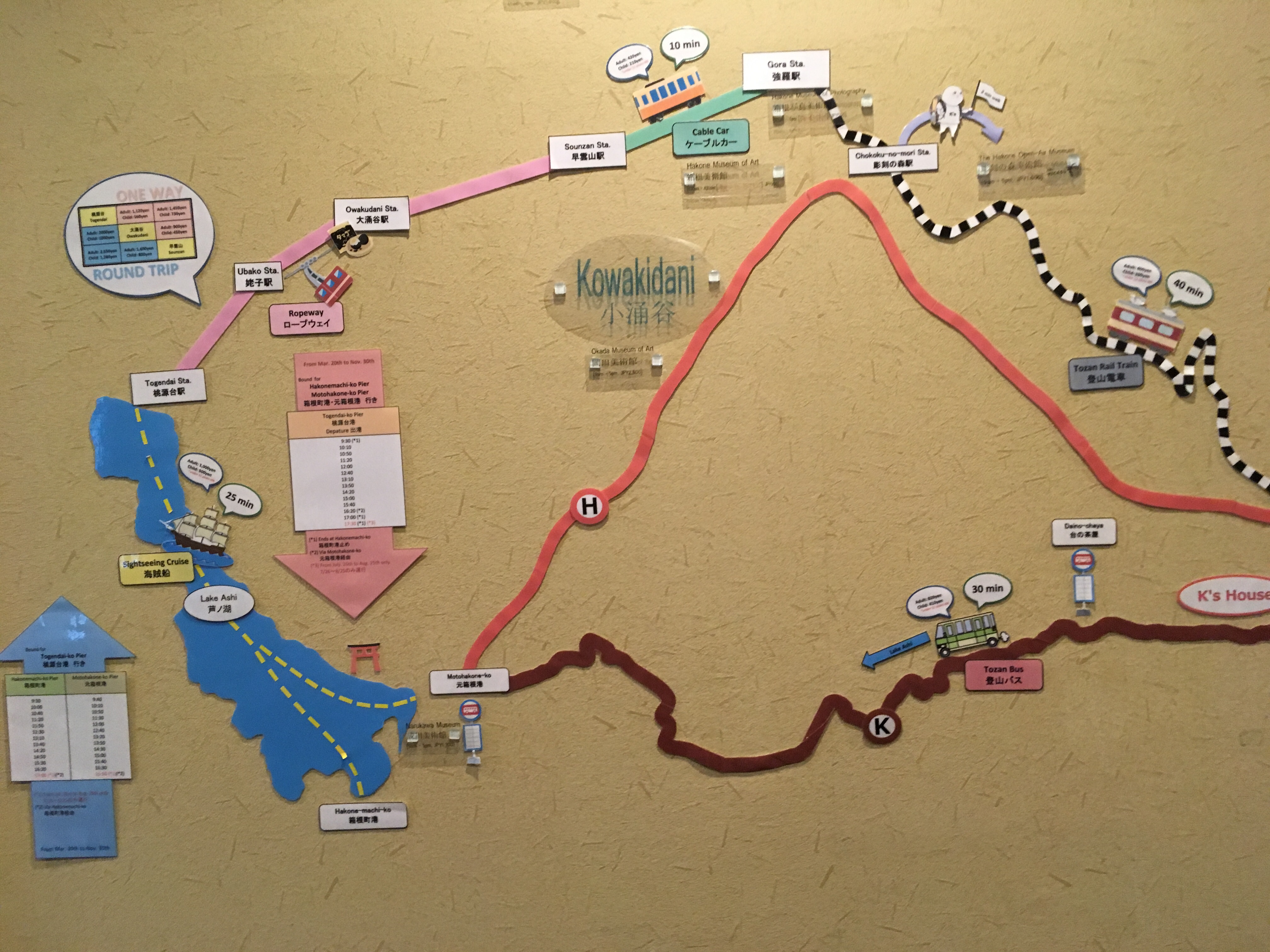
Everyone who comes to Hakone does two things. Firstly ‘the loop’ which is a brilliantly organised system of trains, buses, a boat, a ropeway (unfortunately not a rope ladder as I thought but a cable car) with a bit of easy hiking thrown in. Although what I ended up doing on Saturday was spending all afternoon at various train stations trying to buy a ticket for the following day to Kyoto, plus it was raining and bloody freezing.

No chance of getting lost with these directions?

Secondly, eveyone visits the hot springs (‘onsen’). The bathing experience in Japan is very different. I chose this hostel since it has it’s own onsen. I thought I had misread the sign at first that said ‘no bathing suits allowed’. But yes, the Japanese like to bathe full on starkers, albeit in separate men and women’s pools. Actually they switch the timings, so men are in the outdoor pool when women are inside, and vice versa. It’s a little bit stressful making sure you’re entering the right one at the right time – should have learned the Japanese sign for women! You have to shower first sitting on a miniature stool otherwise you’ll cause offence, then get in the pool. I decided to take the plunge and was initially relieved to have the outdoor pool all to myself – although in a way this was weirder than bathing with others 🤷🏻‍♀️ No photos for obvious reasons – you can stop reading now if that’s what you were looking for!

The next day I set off bright and early on the loop after K’s free coffee 👏 The temperature was 1 degree celcius but the sun was shining, the sky was blue and I realised one more thing that day – I would be wearing all of my clothes, all of the time. I refuse to buy a thicker jacket even if that means resembling a Michelen Man.

I teamed up with a couple of guys from my hostel for the day. It was fun to do the loop with others – backpacking is a mix of time spent in your own company and with others, and today was the perfect time for the latter.

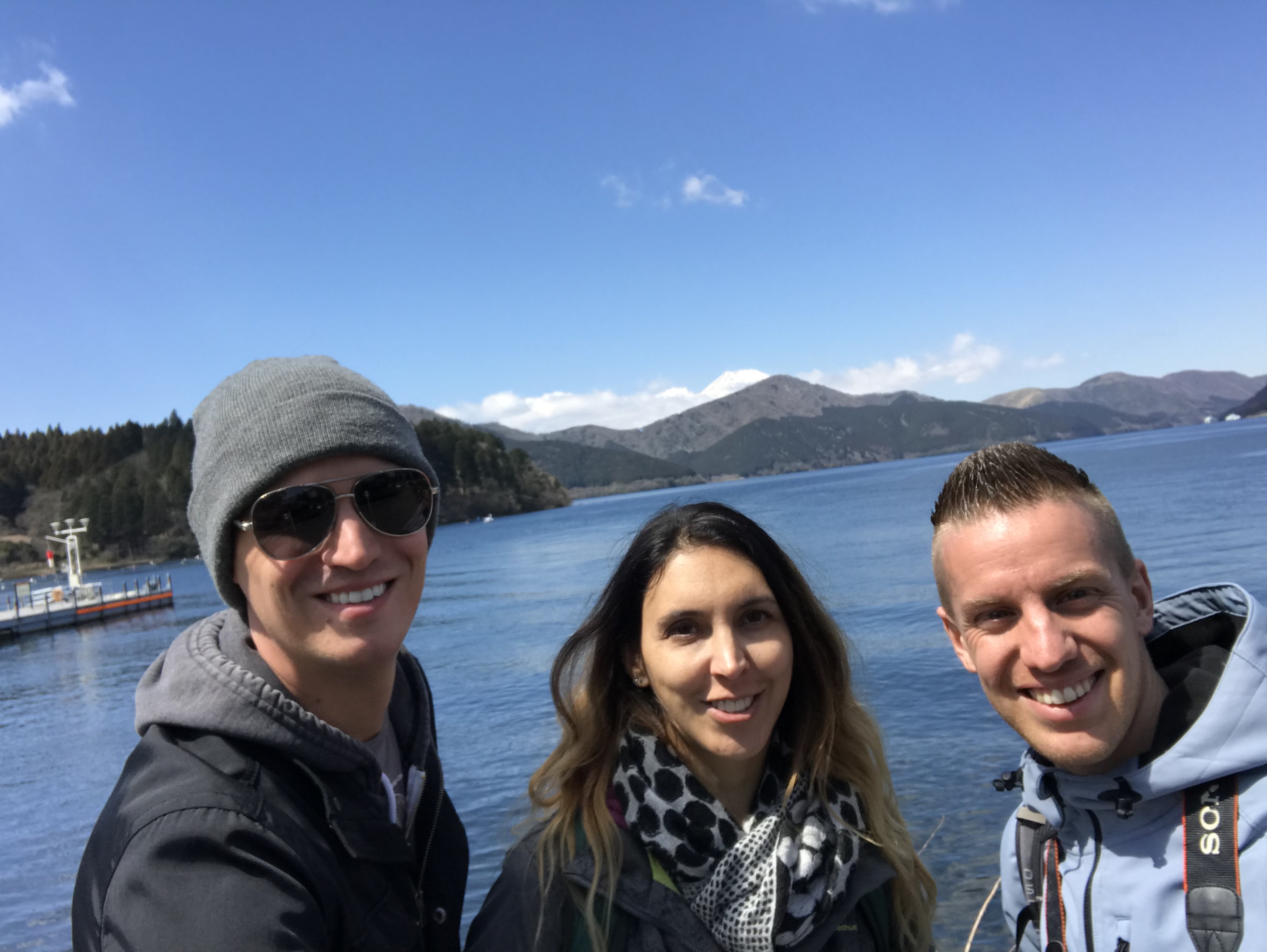
New travel buddies Matt and Andy…. a selfie stick may have been involved
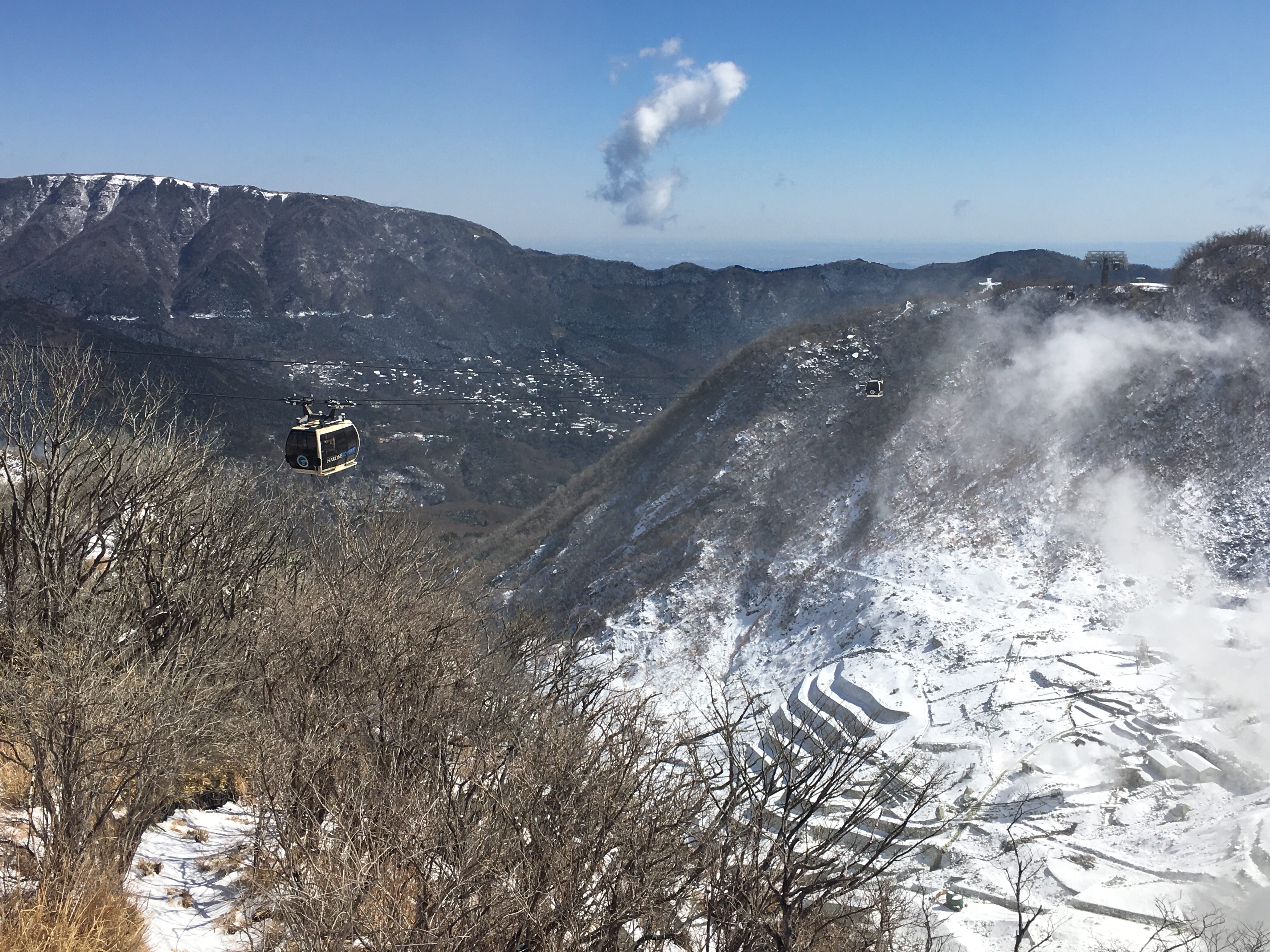
With another paper map and and not really knowing how long any of it would take, plus not wanting to miss my train that I had unnecessarily prebooked, we whizzed around the first bit and accidently missed half the places we wanted to stop at 🤦🏻‍♀️

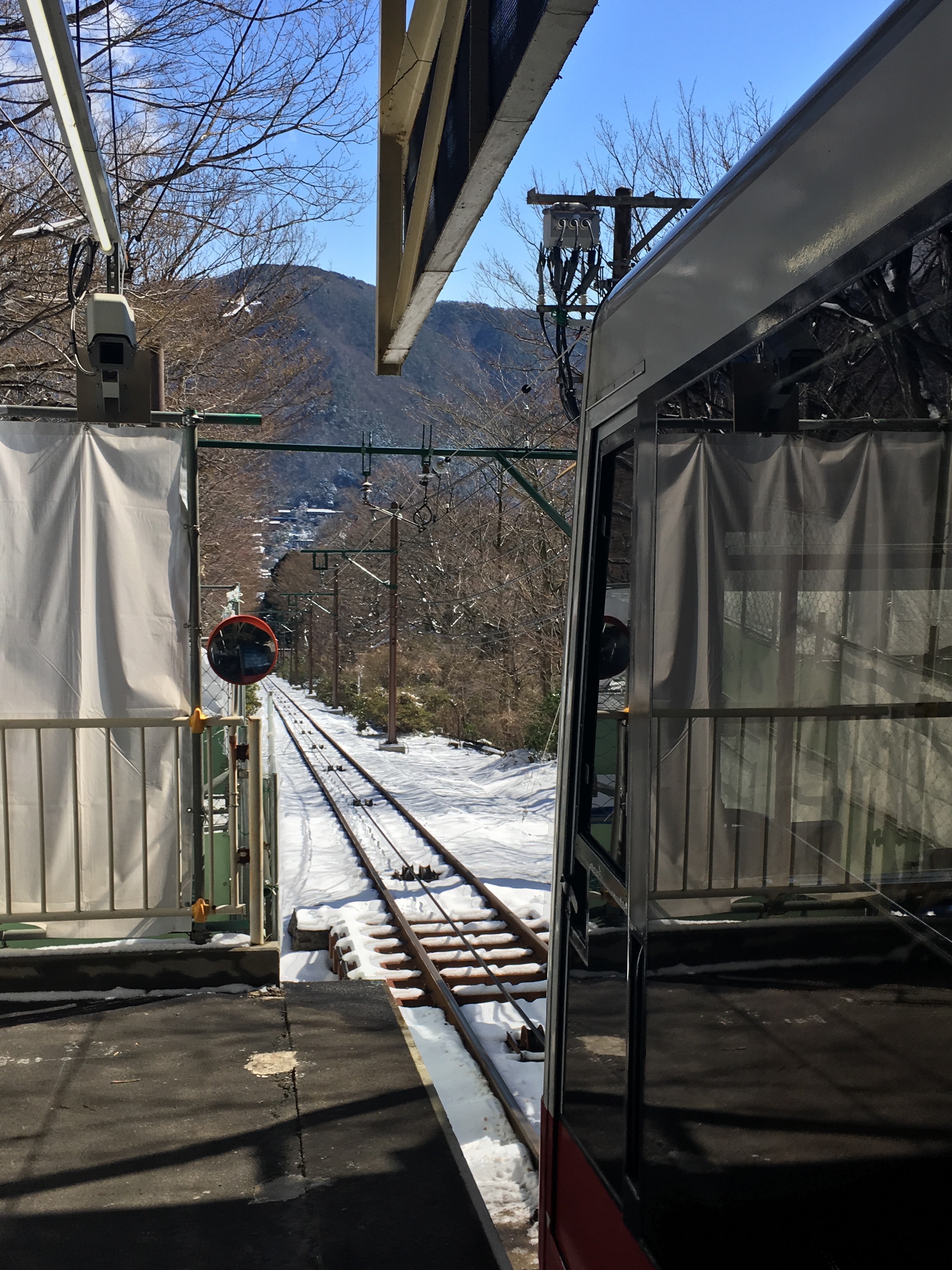
The ‘Ropeway’

Note to self #1 – there is actually no need to pay extra to prebook a train seat if you’re flexible on time.

Note to self #2 – next time just cough up for the Japan Rail pass (for a flat fee and certain number of days you can travel all over Japan with a few exceptions) then you don’t have to faff about buying a ticket at all, you can just jump in the three unreserved carriages.

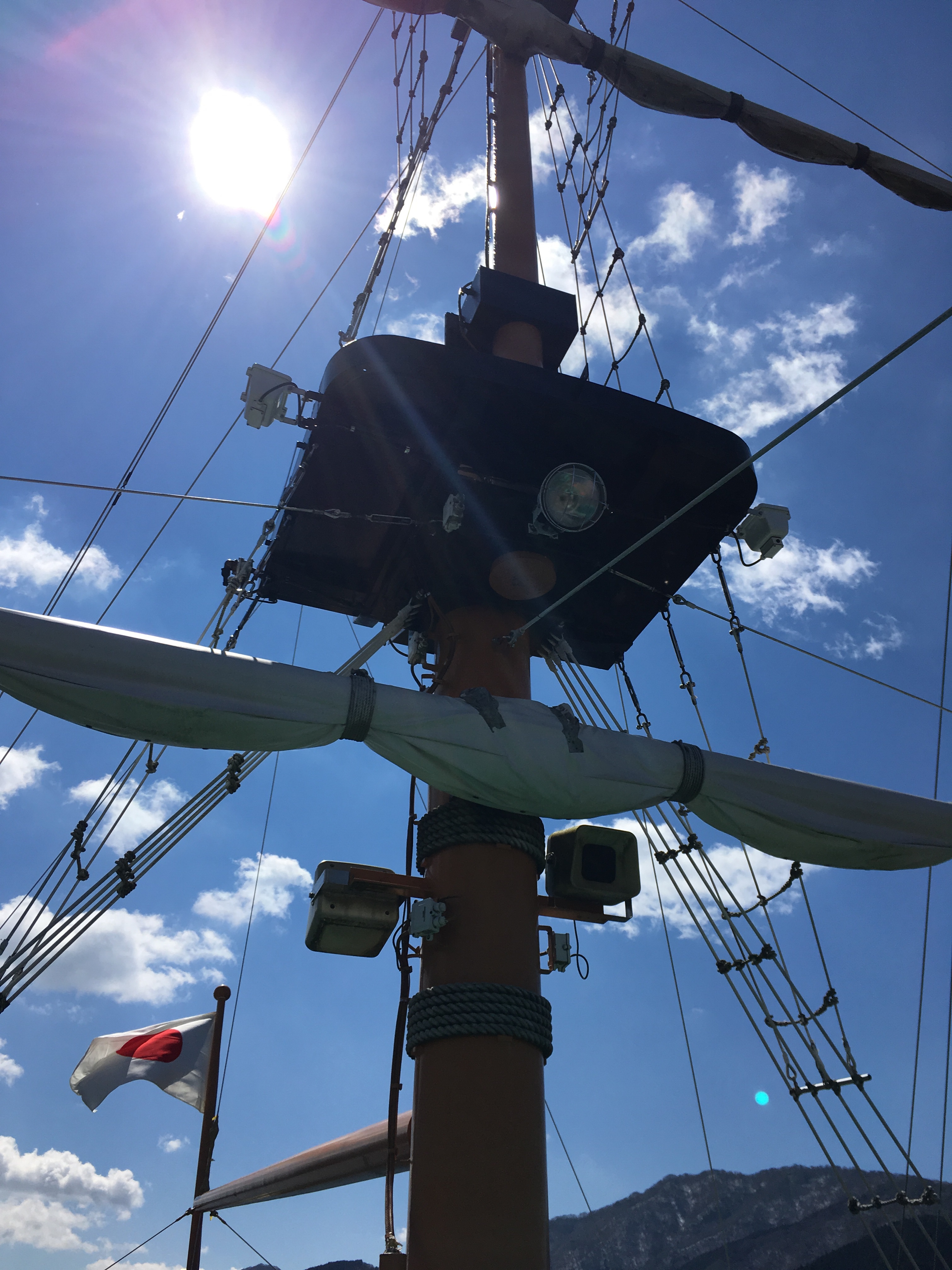
The loop includes a boat ride across the lake on what I considered a pirate ship – I really wanted to climb the masts 🤔 The crowds really build up come midday so be prepared for a bit of a wait.

Pirate ship!

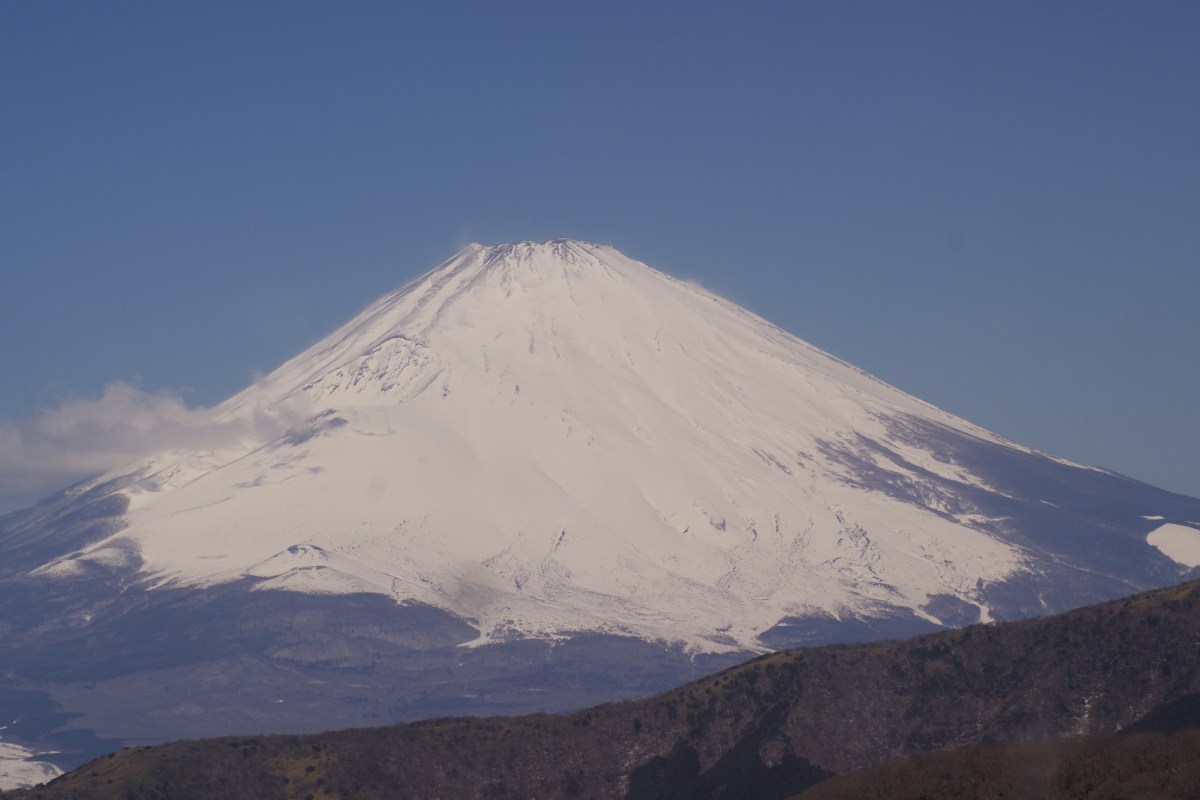
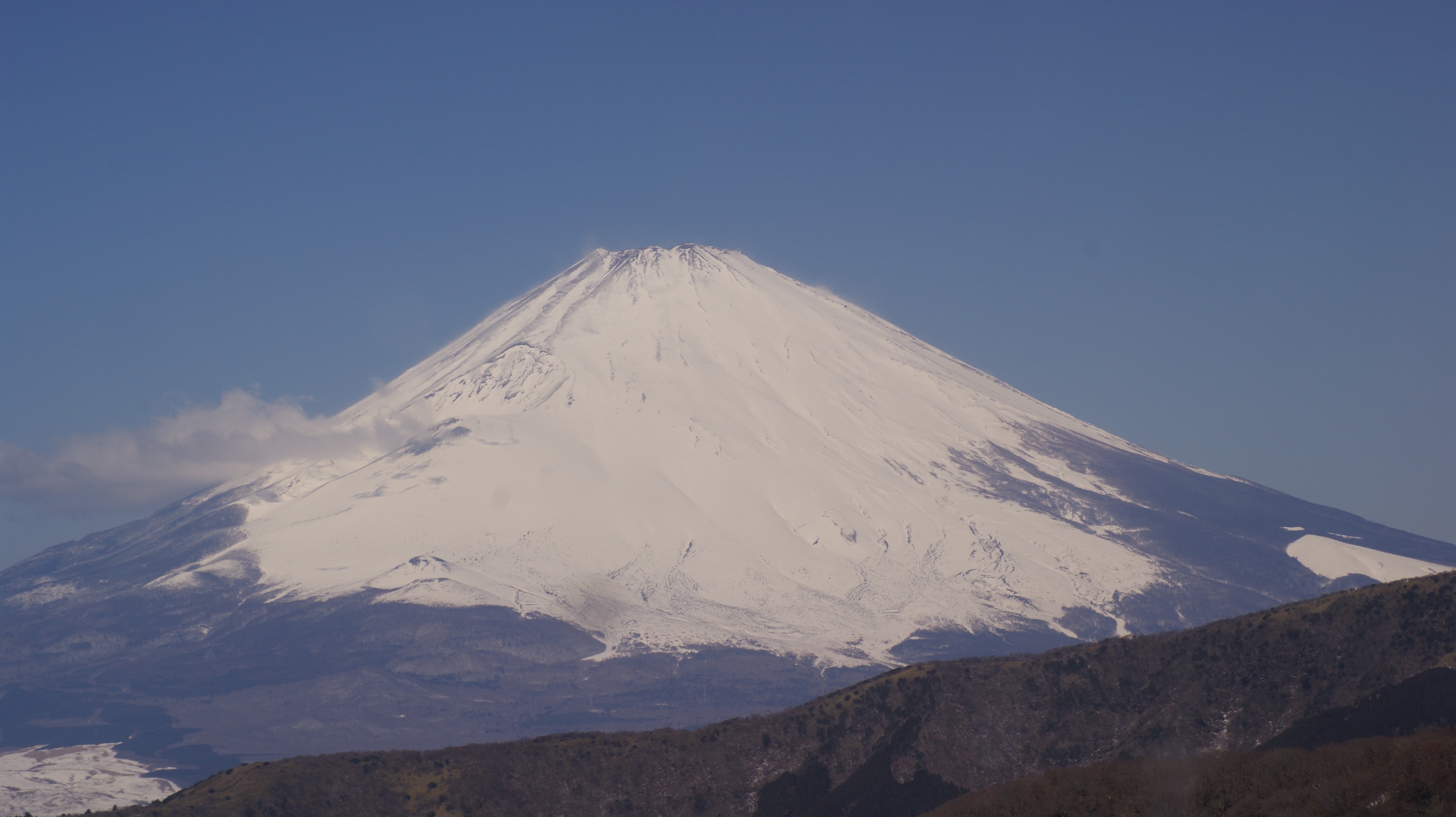
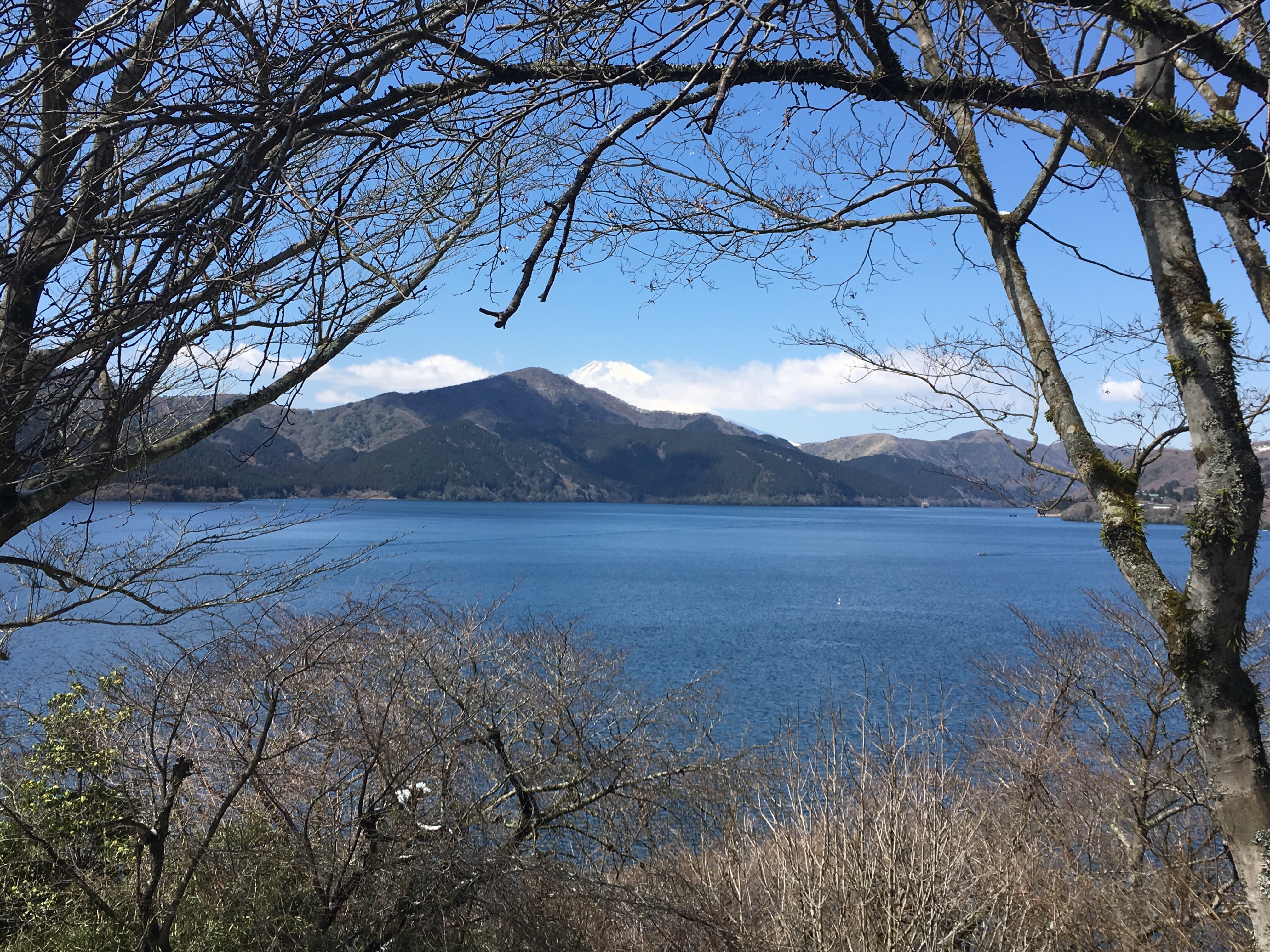
I was lucky with the weather and got so many stunning views of Mount Fuji…. I had prepared myself to maybe catch a glimpse between the clouds but this was fantastic. Yes there are a lot of people doing this loop, but if you set off early and take your time to get off the beaten track you can escape the crowds.

Bonus traveller point to Andy for bringing a proper camera

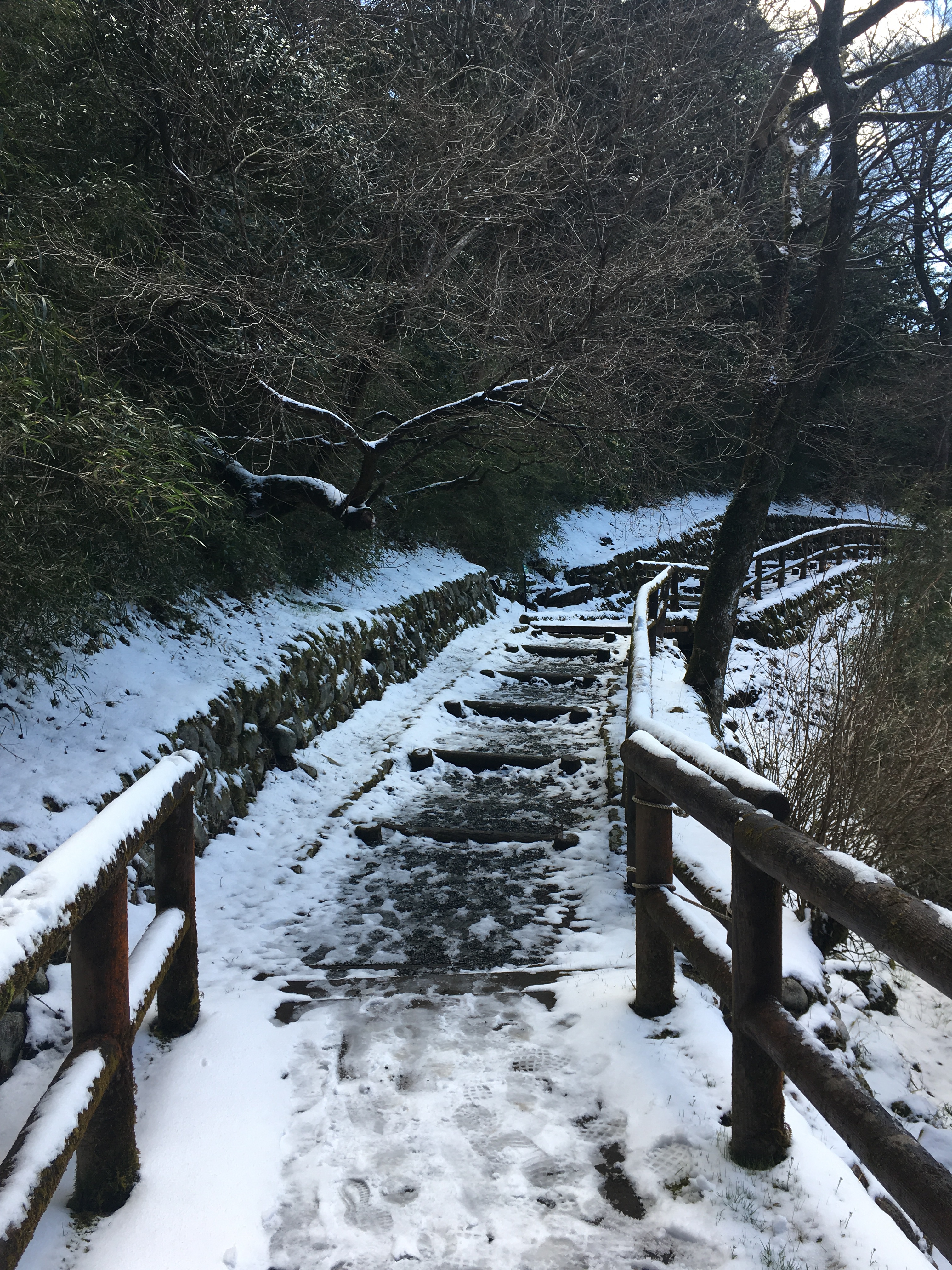
We did just that when we veered off the path in search of a viewpoint and discovered some gorgeous snowy paths around the lake. The scenery reminded me of Banff in Canada, or New Zealand – it’s rare to have snow on the ground, bright sunshine and waves lapping at your feet.

And Mount Fuji in the background – that’s snow on the mountain top, not a cloud 😎
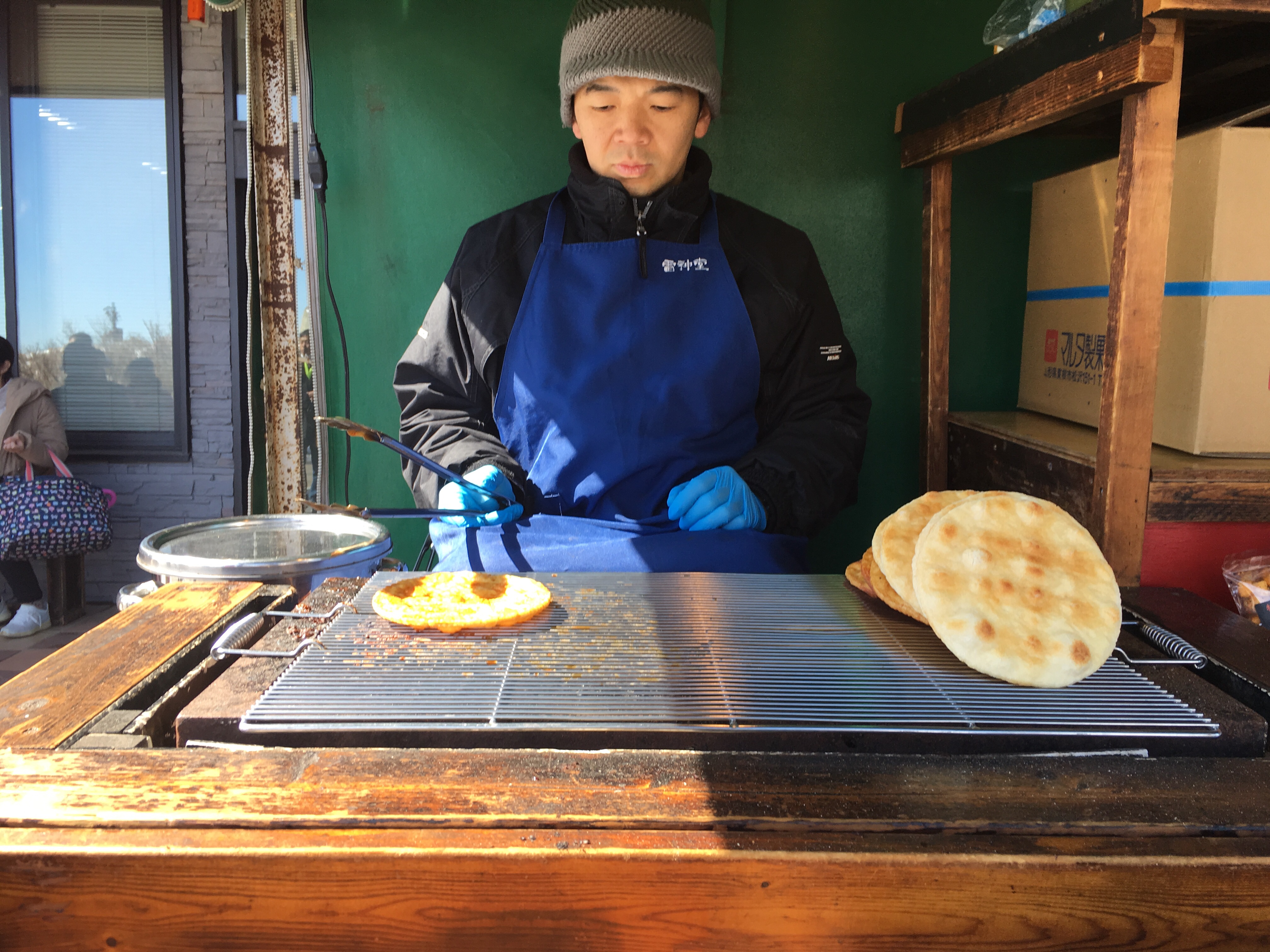
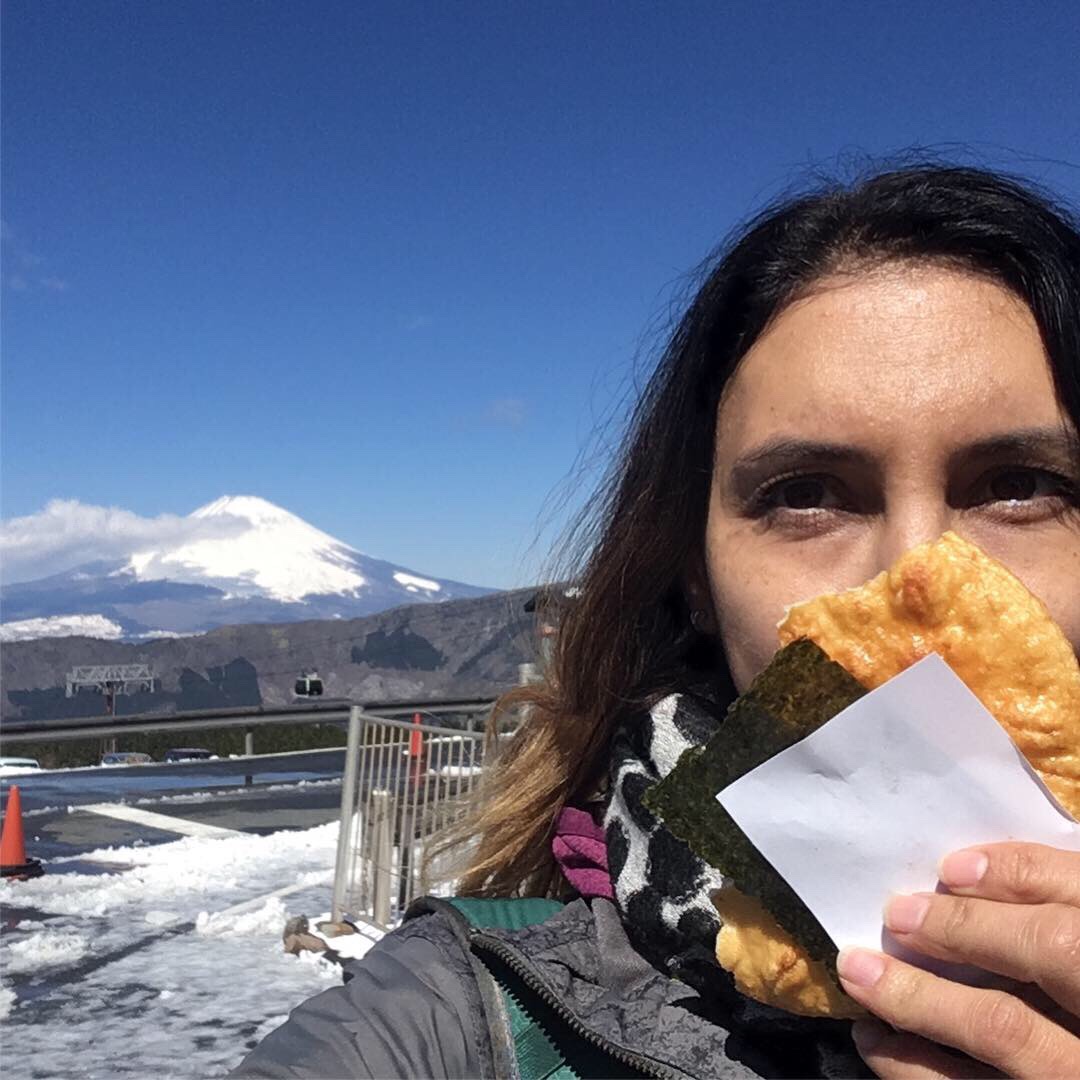
Rice cracker?

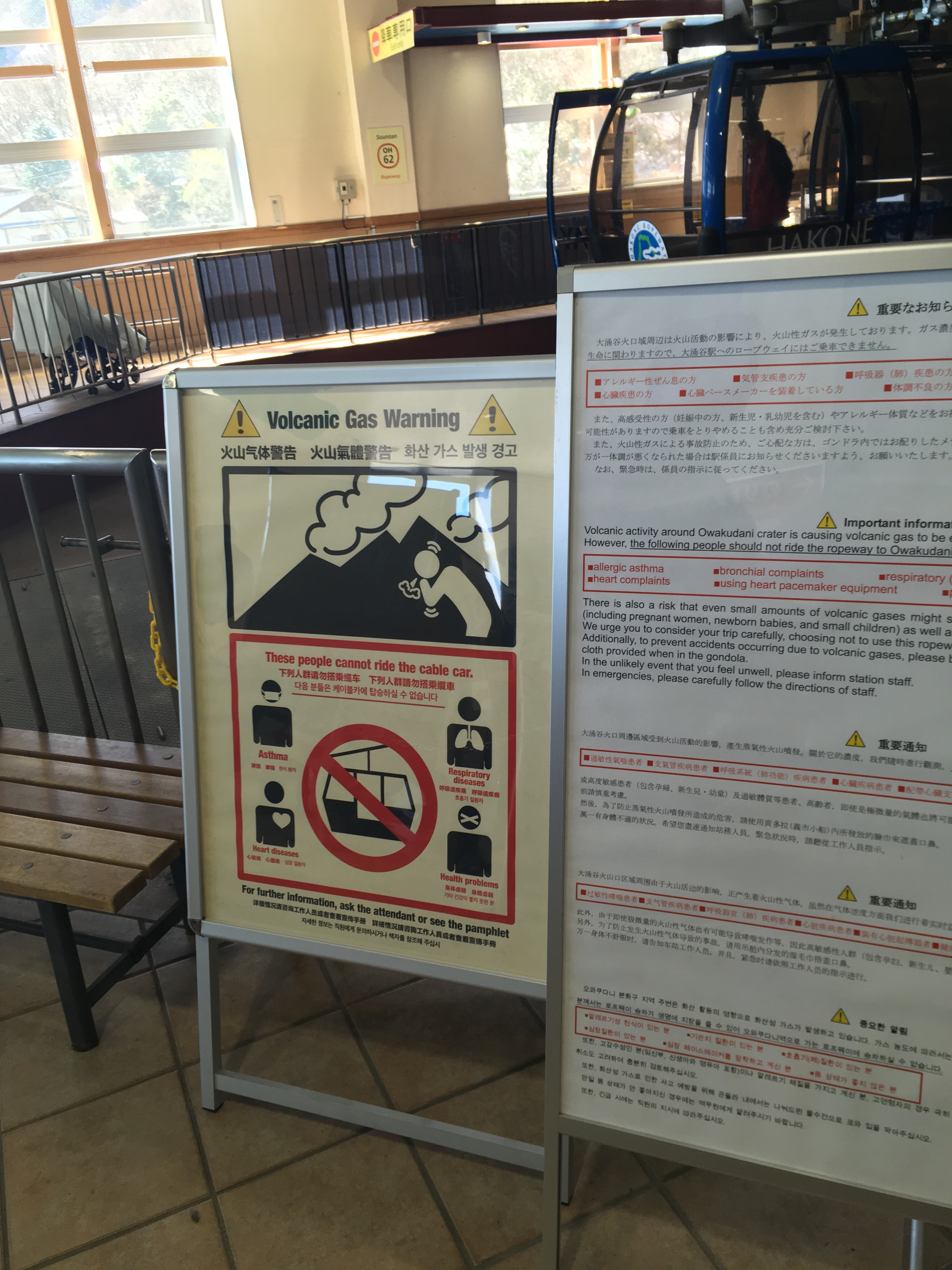
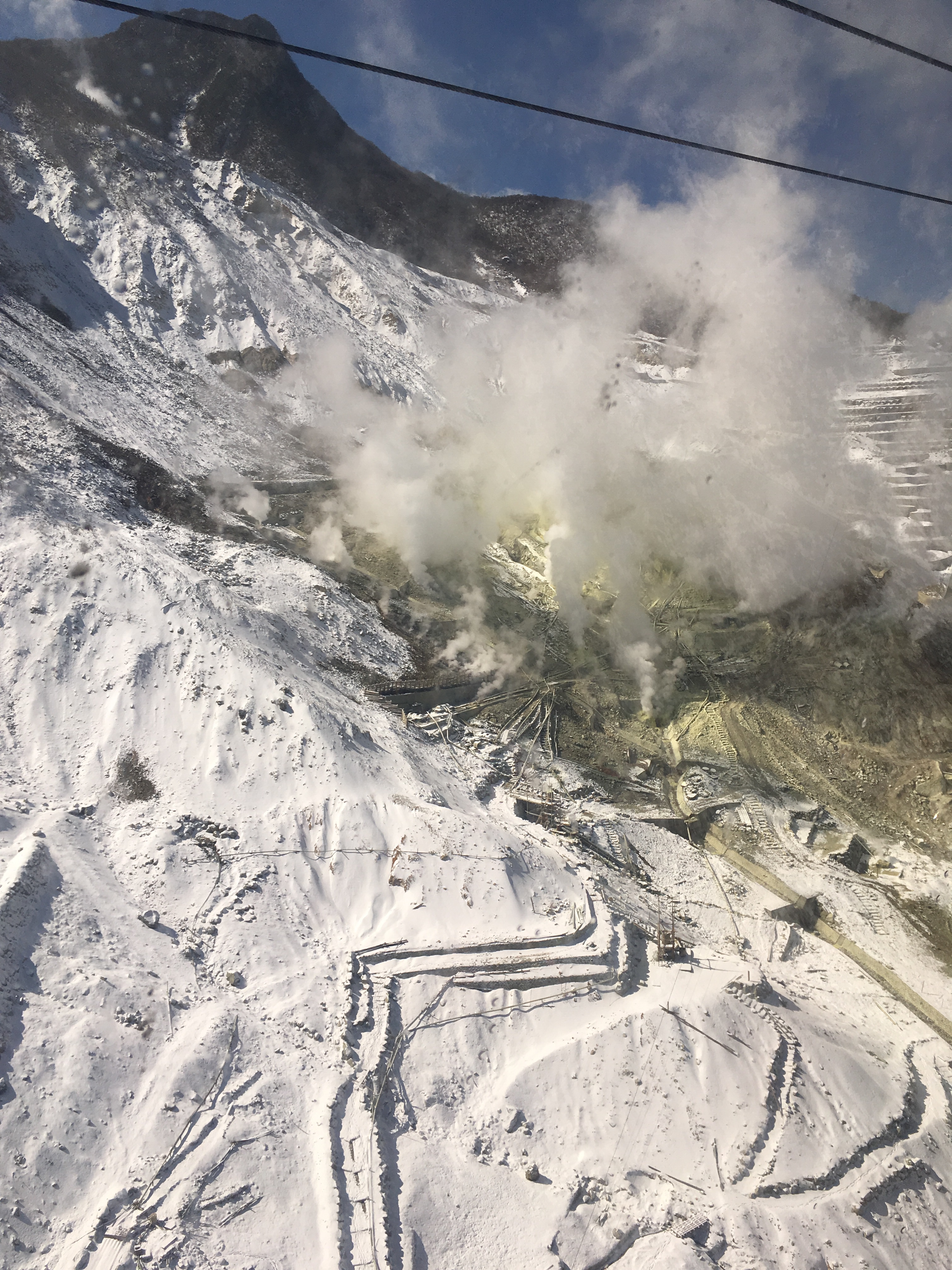
I tried a giant freshly roasted rice cracker with soy sauce while the guys went for the local ‘black egg’ 🤢 I guess it’s black due to the sulphur from the hot springs which we could smell – obviously ignoring the warnings stating that anyone with any health problems at all risks death (flashback to the volcano in Hawaii which Helen and I survived). I didn’t see anyone bothering with the protective face towel that was provided 🤷🏻‍♀️

There’s a lot more to see in the area if you have the time, including the Hakone Open Air Museum at the top of the loop, which I missed, and local onsens which I chickened out of. Beware – most onsen don’t accept tattoos as this is a sign of Japanese mafia 🙊
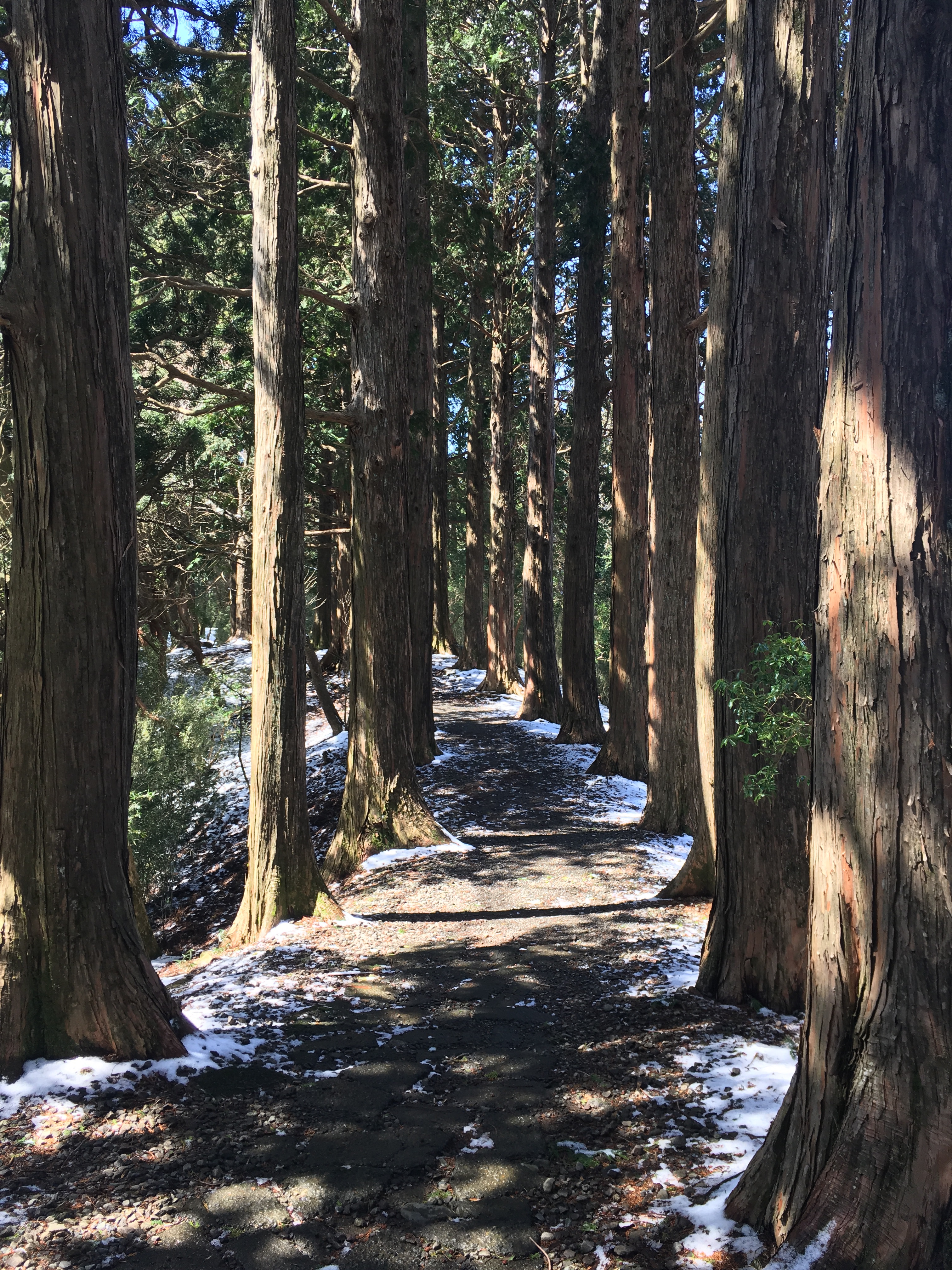
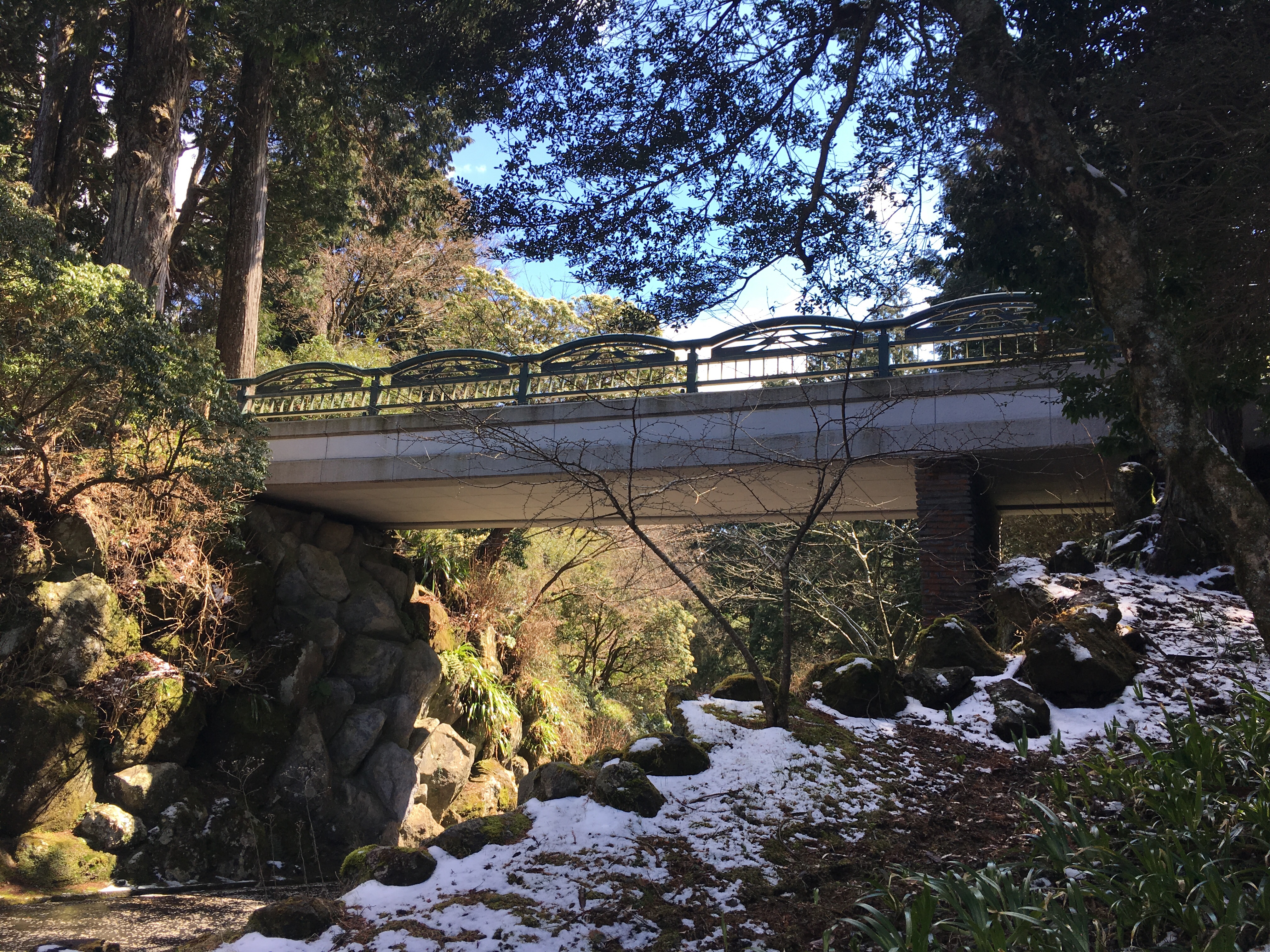
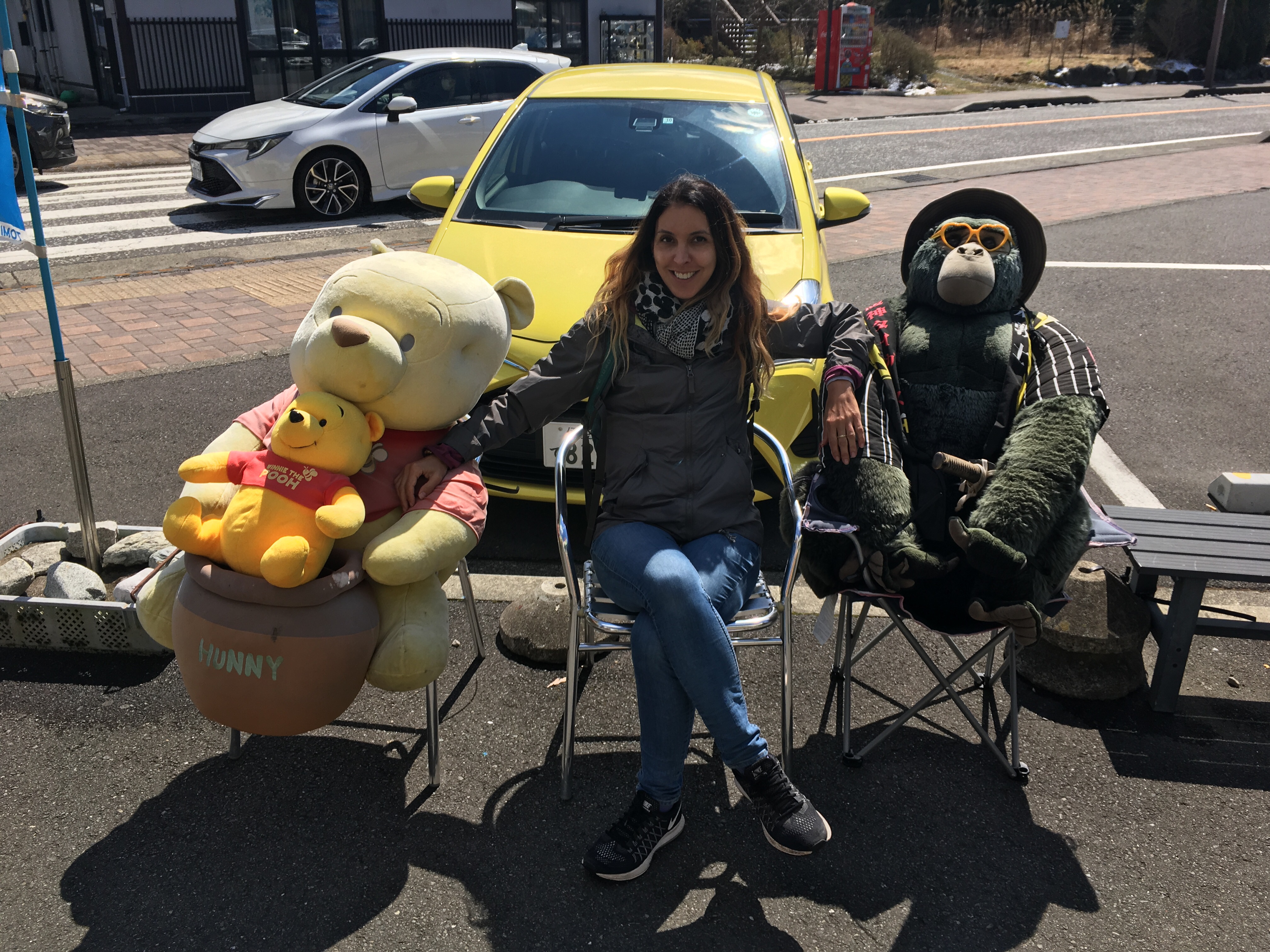
So many photo ops

After a nonstop day involving all kinds of transport, I had my first encounter with the Shinkansen (bullet train) as we all headed to Kyoto. Next post coming soon 😎