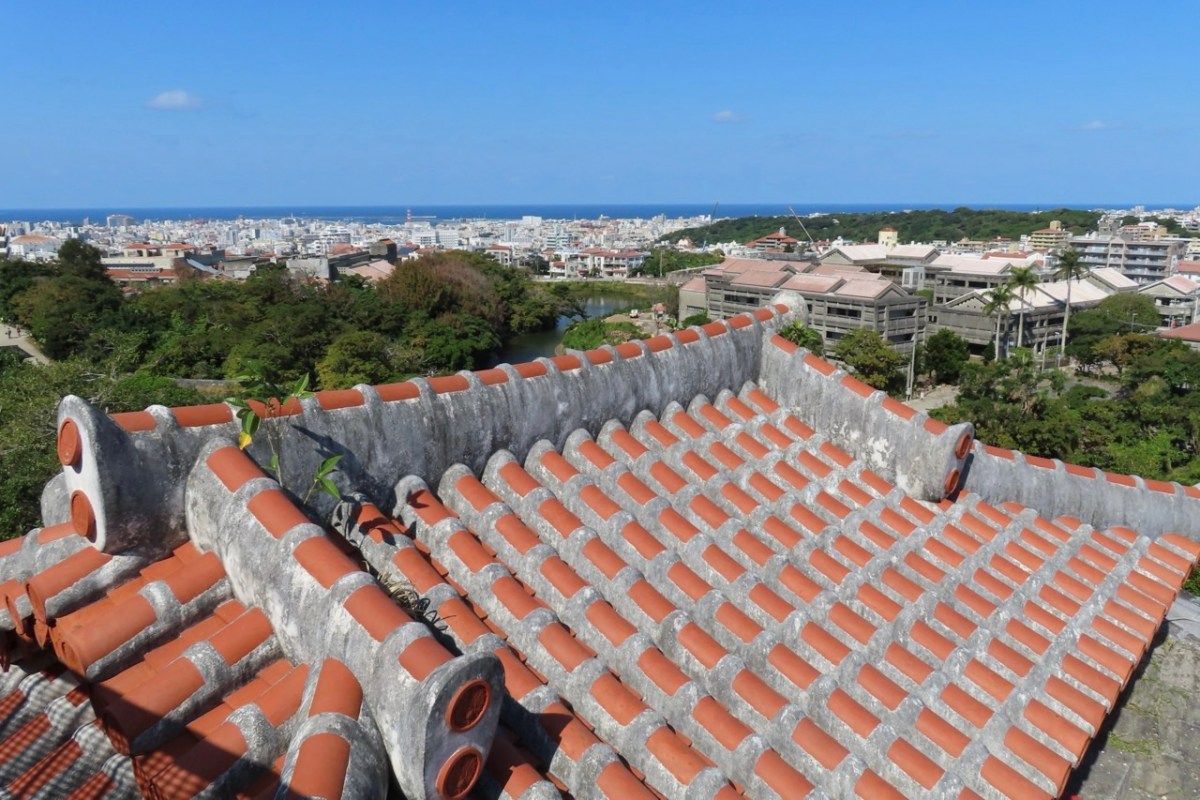
There is a lot more to Japan than the mainland. Looking at the map, the Okinawan islands were only a short flight from both Hong Kong and Taiwan so it was too good a chance to miss. It’s winter in Jan/Feb so I went for the larger of the islands, basing myself in Naha which is described by some as the Japanese Hawaii. I can see why. Arriving at the airport there are strict rules on bringing in any type of food and sniffer dogs on patrol. My peanut butter snack bar was totally fine though. And the lady who searched my bag was the most polite customs officer I’ve come across, giggling and quickly closing the bag when she came across my underwear.
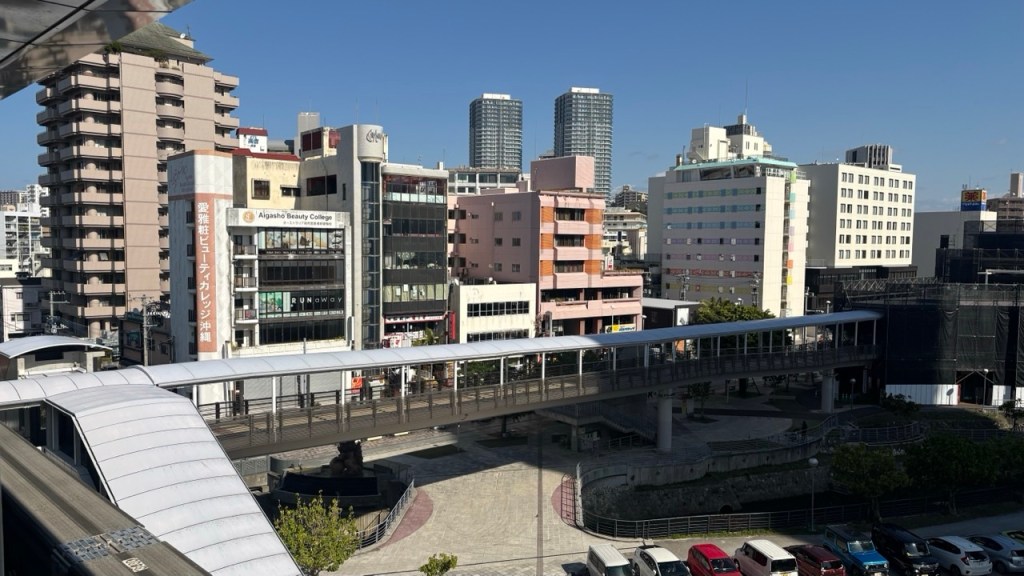
Straight onto the Yui Rail Monorail that connects the city of Naha and less than 15 mins to my accommodation! I loved the Monorail with the orderly queue to board, strictly no eating or drinking onboard and the smart driver in his pristine cap and white gloves. Again just tap your contactless and you’re automatically charged, no need for a ticket.
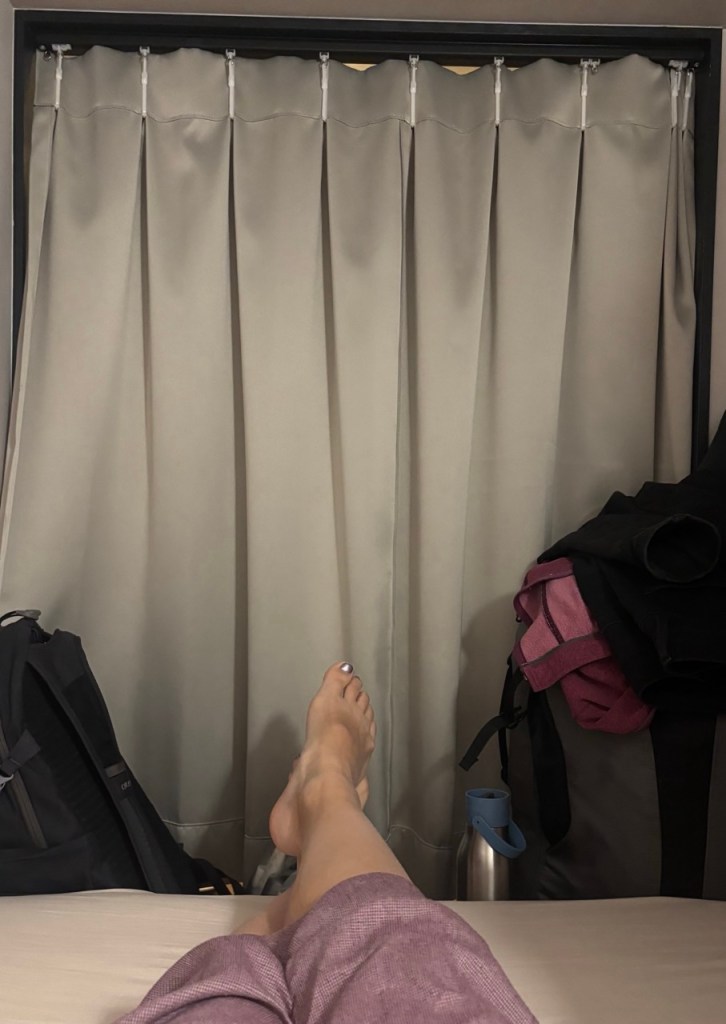
Welcome to the world of Japanese capsule hostels, the answer to no longer in their 20s solo female backpacker’s prayers! My accommodation for the first three nights was Hotel Minimumms. Entirely women only, you get a private pod style bed with your own air-con, light and shelf, two towels changed daily, plus slippers and cosy pyjamas to lounge around in. The price of around £20 per night includes a simple but decent enough (dietary preferences aside!) breakfast of tea/coffee, bread rolls, croissants and boiled eggs. Given it’s women only, you just roll out of your pod in your PJs, have breakfast, chill out for a bit then get ready in the powder room full of free toiletries. Strictly no talking and phones on silence rules mean you get a great nights sleep – I admit I broke these rules with my morning alarm.
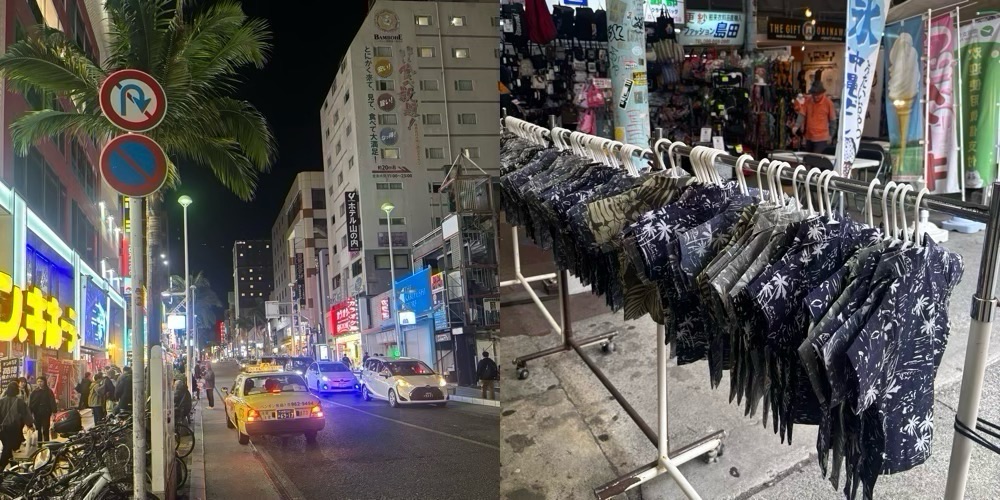
Walking around at night the streets have a holiday buzz about them, with Japanese and other Asian families on vacation. I didn’t see a single other Westerner for at least a day. The only thing I had pre-booked before leaving the UK was a spot on a morning whale watching trip which are likely to sell out with it being peak season for spotting humpback whales as they return to mate. Otherwise I rely on tourist information and local advice on what to see which usually works out.
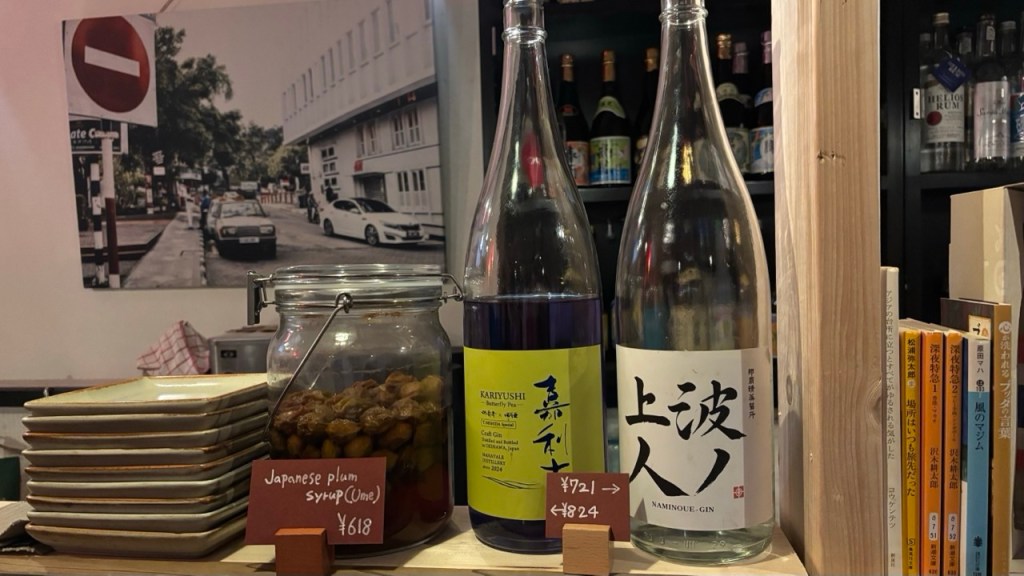
I lucked out on dinner as I found a tiny one-man-band vegan restaurant called Tamatebako tucked down one of the side streets. It was full but they squeezed me in at the bar and I enjoyed an ice cold Okinawan beer while the chef cooked the most delicious laksa and Okinawan tofu which is a speciality. This is not the place to eat in a hurry – it’s all freshly cooked.
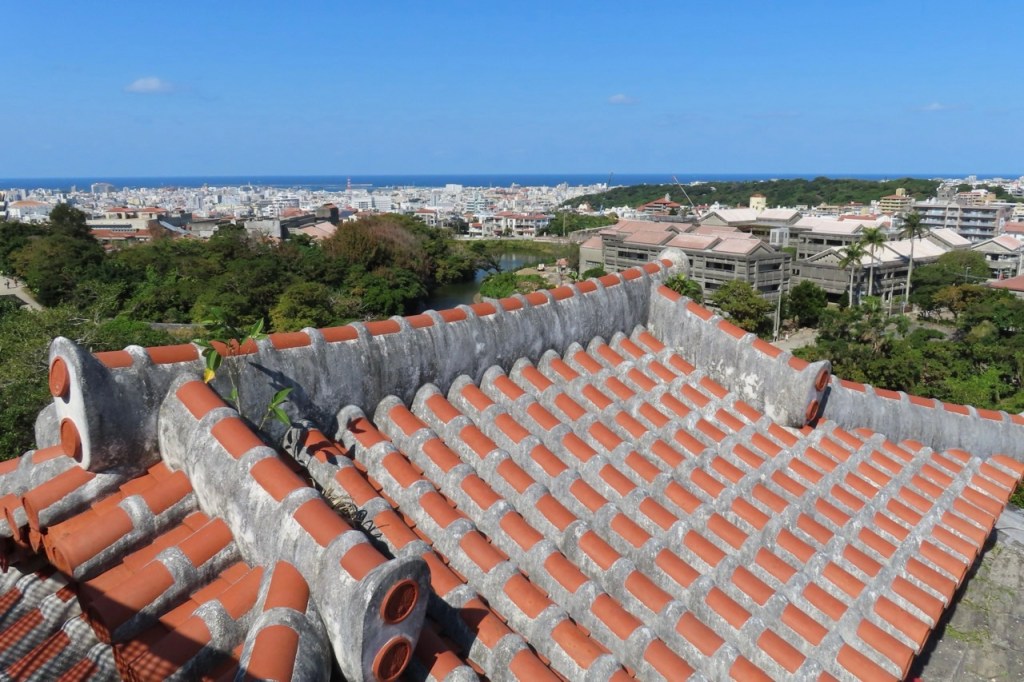
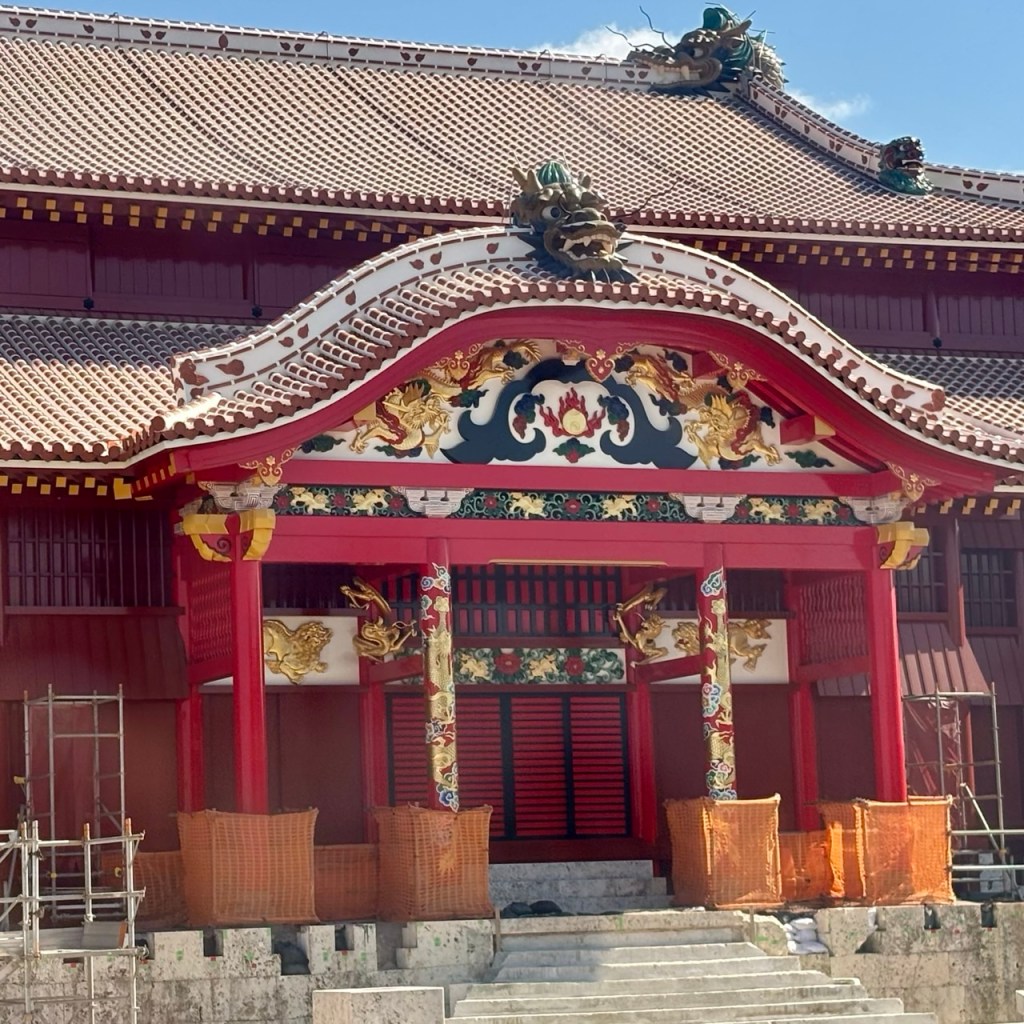
On my first day I headed to the Shuri castle, which served as the royal residence of the Ryukyu Kingdom for over 450 years between 1429 and 1879. It’s in a beautiful area with cute little streets away from the hustle of the main strip. The castle itself is under reconstruction but it’s still well worth a visit. An interesting fact about Shuri is that it had a water clock (“Rokoku”) – the volume of dripping water was used to measure time.
The best spot for lunch was actually the onsite restaurant which serves very reasonable set lunches including vegan options. I tried another local specialty of “bitter melon” stir fry – the bitter part is accurate, the melon not so much.
Keen to learn some more about the history of these islands, I paid the Prefecture museum a visit. It takes you literally year by year through the fairly turbulent history from the independent Ryukyu Kingdom in the 15th-19th centuries who traded with China under the Ming and Qing dynasties. The Ryukyu Kingdom was a thriving nation which connected Southeast Asia, China, Korea and Japan. The islands had a very strategic location for trading and therefore developed a unique culture. The museum takes you through to Japanese rule in 1879 after the Satsuma Invasion of 1609, then US military occupation from 1945-1972 before going back to Japan. The British had their own impact with the British Opium War in the 1800s.
The museum also educates on the early history – these islands have the most well-preserved fossils in Japan, with each set of islands having their own fossil fauna. Something interesting is the islander’s belief that Gods come from across the sea and bring blessings. The people have a very close relationship with the sea, and in Okinawan spiritual culture, the sea has multiple layers that are the source of all life, a home for deities and final resting place for spirits.
There is a huge “American Village” on the island which is where lots of people base themselves, but I didn’t come to Okinawa to be surrounded by fake American scenes. The airbases are visible enough from the road heading north.
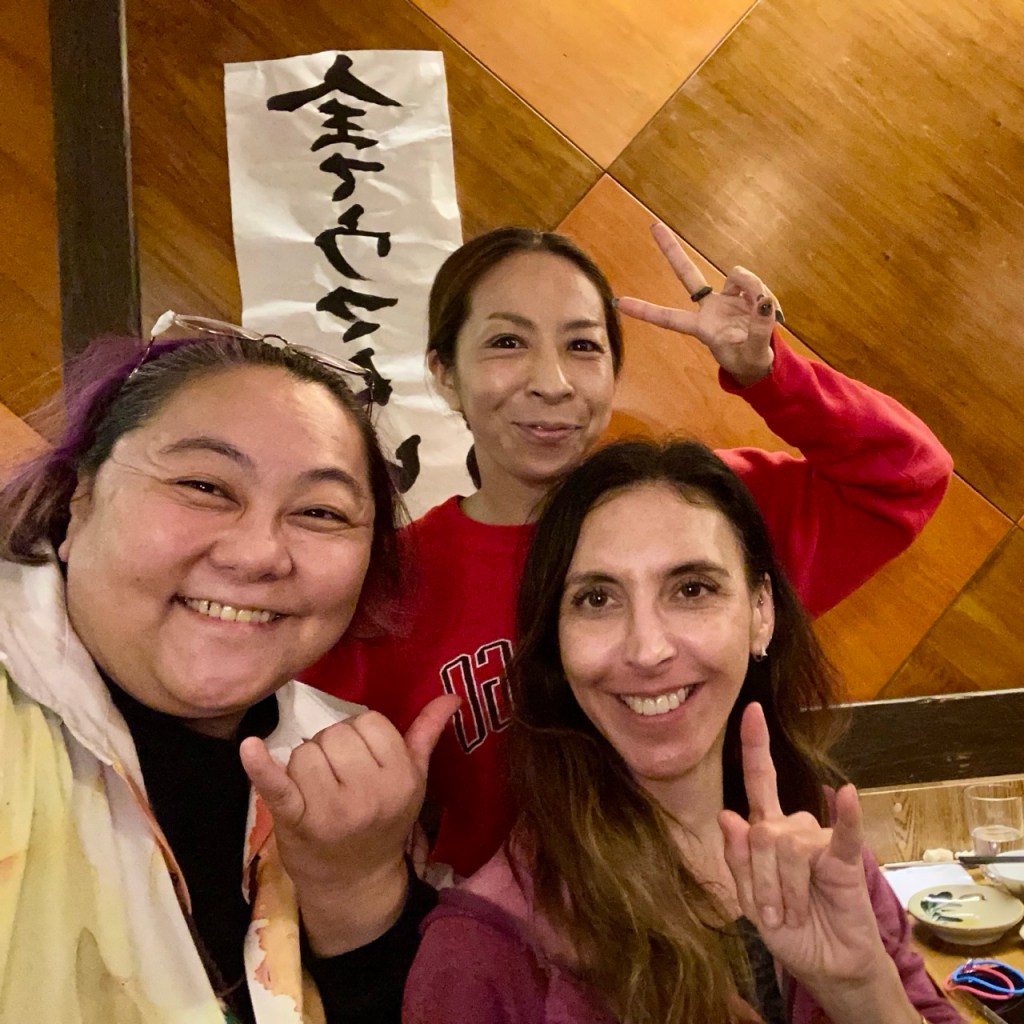
I had another great dinner experience, when I walked past a restaurant just outside my hotel with a big Vegan sign outside. It was again full, but after some smiling discussions between a family sitting at one of the tables and the owner, I was invited to join the family. With the help of Google translate we established that they were Mikki and her husband (who was fully blind which I would not have know until she told me) and Yuna, who had also met the couple in this restaurant some time before and became friends. It’s times like this where travelling alone is actually a better way to meet local people, which is one of the best things about travelling. I tried another Okinawan speciality of peanut tofu. I learned that deep fried is not the best way to have it as it turns to mush, but since I was with the family who were friends with the chef I had to eat it.
The next day I left early for my boat trip at 8.30. Pickup was at 7.40 at a nearby hotel. I was very nearly late then remembered that in Japan they leave on the dot. I finally found the other Westerners on the island (all three of us) and we spent the boat ride chatting about life.
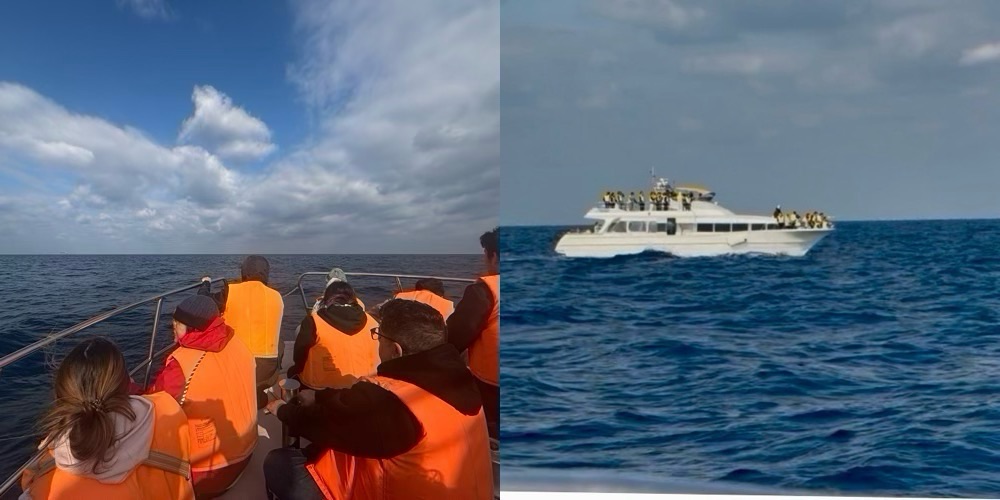
The whale watching boats are big enough for a top and bottom deck, toilet and can hold about 30-40 people. Despite them wanting to keep the English speakers downstairs we managed to nab a spot up the top for a more exhilarating (windy) experience. After an hour I was starting to doubt we would see any whales then we were all instructed to sit down on the front of the boat. Suddenly out of nowhere a gigantic Humpback whale jumped out of the water and flipped right in front of us, possibly 10m away but none of us were very good at guessing distances and by then we had lost the English speaking guide. It was far too quick to catch on camera unless like a lot of the group you had your camera held above your head videoing the entire 3 hour trip. After that we saw a few more in the distance, but nothing could beat that experience.
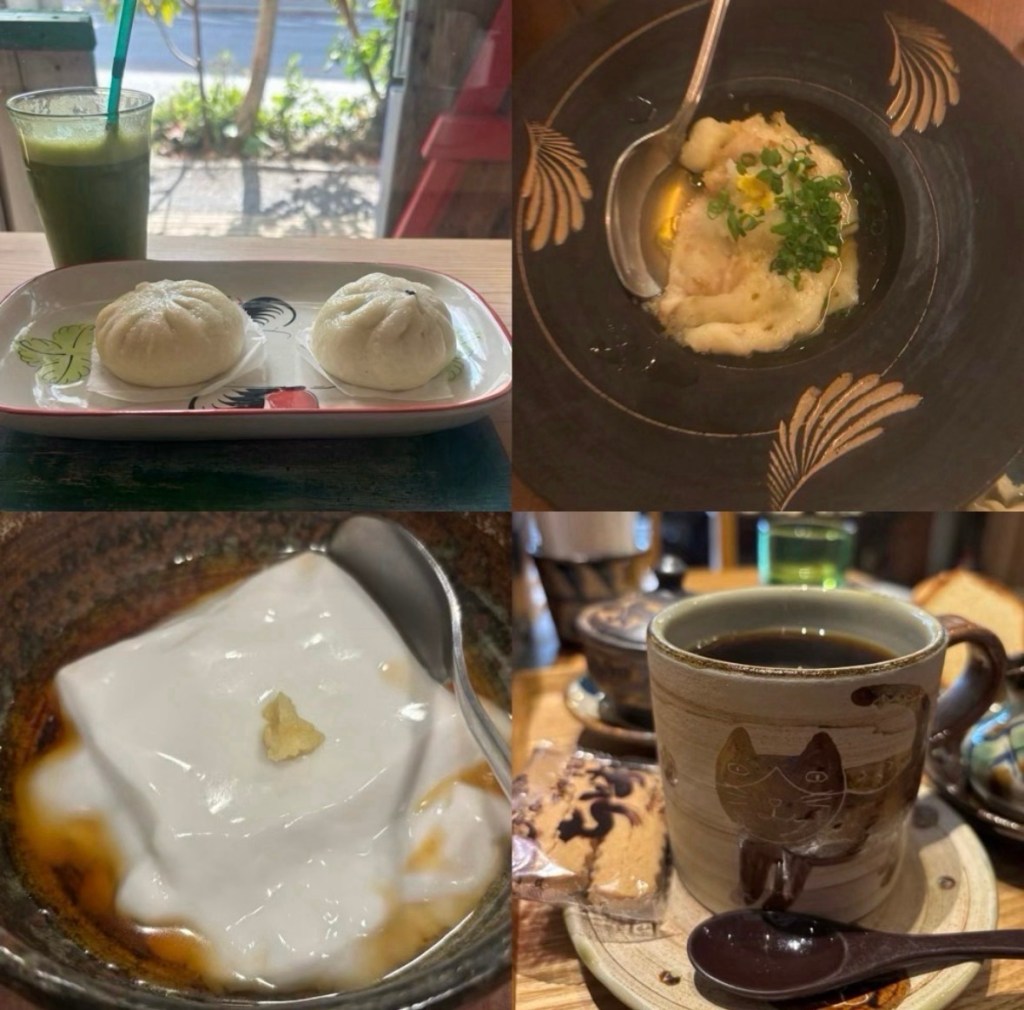
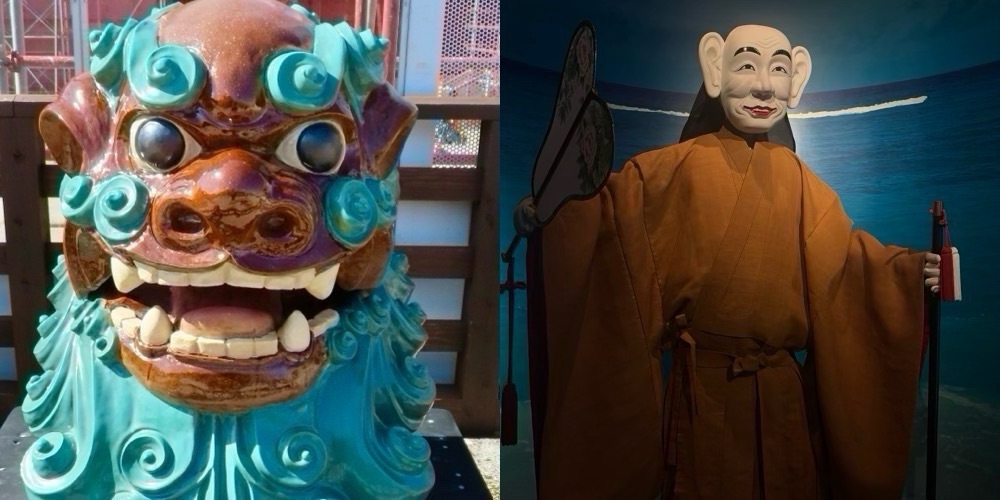
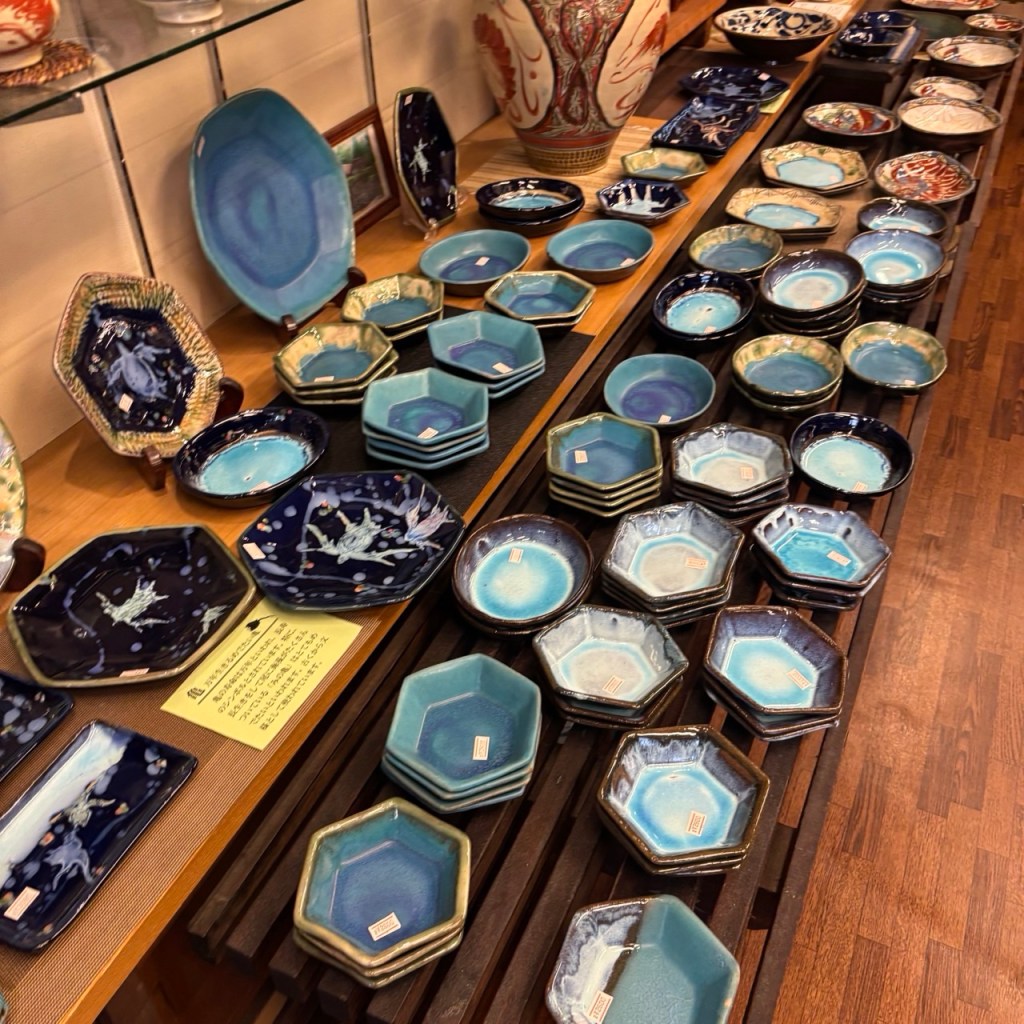
I made a hasty exit after the trip ended as the fellow Brit and I had already covered all conversation topics and his jokes were becoming annoying so I went for a more chilled afternoon of wandering the pottery district. The main Kokusai-dori street (International street) in Naha was already getting tiring with its flashy neon, fast food and crowds. On Pottery street you can find beautiful tea rooms (I was asked to go to the display cabinet and select which cup I would like my coffee to be served in, which made the experience) and shops with truly the most exquisite Okinawan blue pottery you can imagine. It’s not even expensive. But travelling with pottery isn’t practical so I could only dream of taking a pair of huge statues of Shisa, the traditional Okinawan lion-dog guardian, home with me. I settled for a key ring.
There is enough to do on the main island for a few days in winter season. It’s warm for winter (around 20c) but a bit rainy and too cold to swim, plus the ferries to other islands are on a reduced winter schedule. It’s also much easier if you have your own transport. I decided to take a trip to a nearby smaller island anyway and join a tour bus to explore the north …
 Maz On The Road